
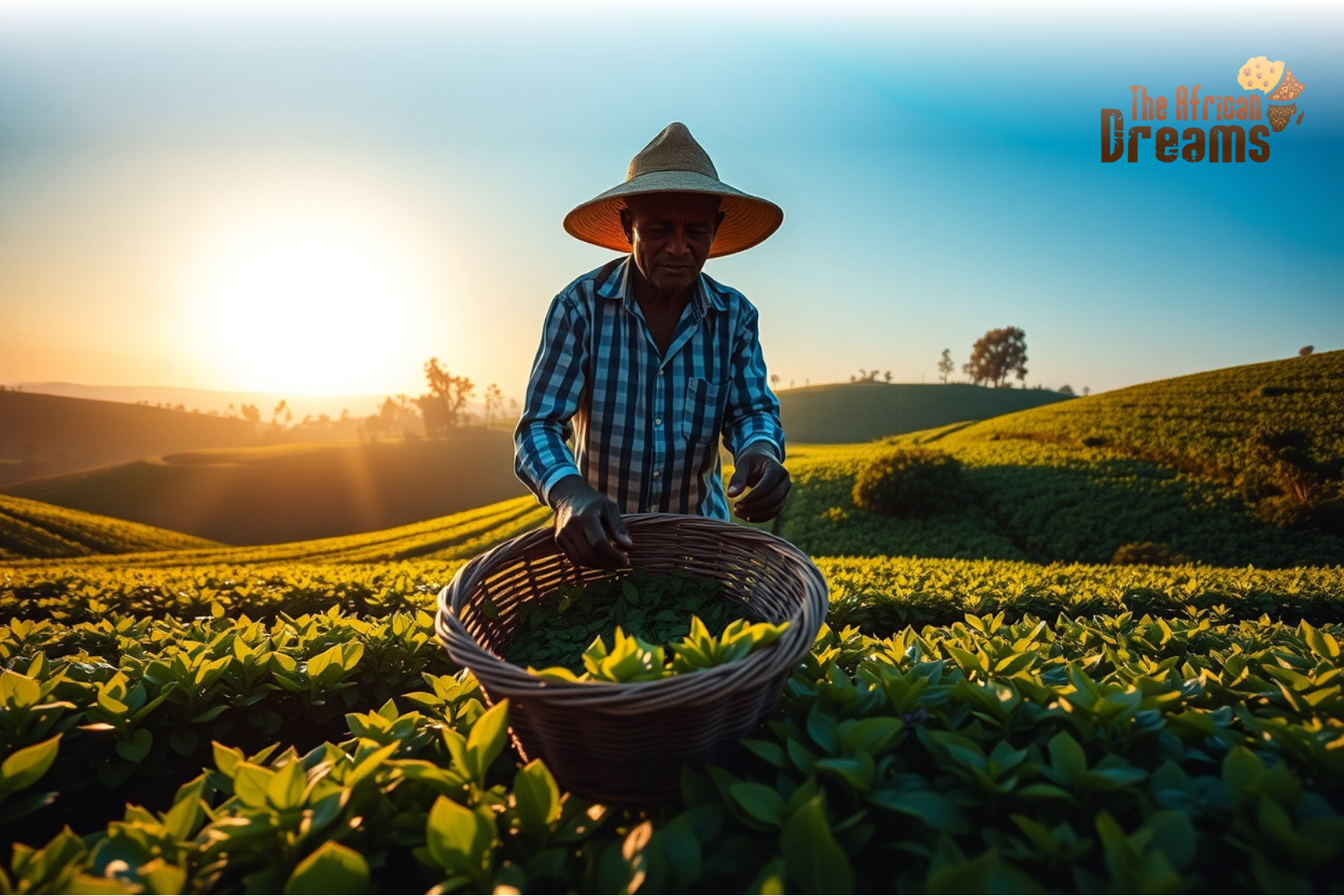
Kenya’s agricultural sector is vital to its economy, contributing around 22% to its GDP and employing over 40% of the population (Source: Statista, 2021). With fertile lands, diverse climates, and increasing demand for food and export crops, Kenya offers promising opportunities for new farmers. Here’s a detailed guide on how to start a successful farming venture in Kenya.
Understanding Kenya’s Agricultural Landscape
Climate and Soil Diversity
Kenya’s climate varies across its regions. The highlands, with moderate temperatures and fertile soils, are ideal for crop and dairy farming, while arid areas are better suited for drought-resistant crops and livestock. This diversity allows farmers to grow crops, from staples like maize to cash crops like coffee and tea.
Economic Importance
Agriculture is the backbone of Kenya’s economy, employing over 70% of the rural population. The sector is a crucial driver of export earnings, with significant contributions from tea, coffee, and horticultural products. In 2022, agriculture contributed approximately USD 3.8 billion to Kenya’s exports.
Choosing the Right Type of Farming
Crop Farming
- Staple Crops: Maize, beans, and potatoes are staples in Kenya and are widely cultivated. Maize alone accounts for 3.5 million hectares of arable land.
- Cash Crops: Kenya is a top global exporter of black tea, mainly grown in the highlands (Source: Tea Board of Kenya). Coffee, grown in volcanic soil areas, is also a significant export, contributing 8% to the national export revenue.
Livestock Farming
- Dairy Farming: With over 10 million dairy cows, Kenya’s dairy sector is one of the largest in Africa. Friesian and Ayrshire breeds are popular due to their high milk yields.
- Poultry Farming: Poultry, especially chicken, is widely farmed for meat and eggs. With a high demand for poultry products, farmers can choose between raising layers for eggs or broilers for meat.
Mixed Farming
Many farmers in Kenya opt for mixed farming, combining crops with livestock to diversify income and reduce risks from market fluctuations. Mixed farming also allows for efficient use of resources, such as using livestock manure to enhance crop soil fertility.
Choosing the Ideal Location
- Climate Considerations
Selecting the right location is crucial for crop success. For example, tea performs well in cool, high-altitude areas, while vegetables like tomatoes thrive in warmer climates.
- Soil Fertility and Type
Soil quality is essential for productivity. Conduct soil tests to assess pH levels and nutrient content. Central Kenya’s red volcanic soils are rich in nutrients, supporting tea and coffee growth, while western Kenya’s loamy soils are ideal for maize and sugarcane.
- Proximity to Markets and Infrastructure
Proximity to markets and roads lowers transportation costs and ensures timely product delivery. Farmers near cities like Nairobi and Kisumu often benefit from better access to markets and infrastructure, giving them an edge in perishable goods like fruits and vegetables.
Navigating Legal Requirements and Registration
-
Business Registration
Registering your farm as a business entity is essential. The eCitizen portal simplifies this process, allowing farmers to choose structures like sole proprietorship or limited liability companies. Registration gives legal recognition and access to government programs.
-
Licenses and Permits
Certain farming activities require specific licenses. Dairy farmers, for instance, need certification from the Kenya Dairy Board. Horticultural farmers exporting fresh produce must obtain export licenses from the Horticultural Crops Directorate to comply with international standards.
-
Compliance with Agricultural Regulations
Compliance is crucial for maintaining product quality. The Kenya Plant Health Inspectorate Service (KEPHIS) oversees seed certification and plant health standards, ensuring safety and quality in agricultural production.
Developing a Business Plan and Securing Financing
-
Crafting a Business Plan
A solid business plan outlines objectives, target markets, financial projections, and operational strategies. For example, if the company focuses on dairy farming, it should include plans for breed selection, feed costs, and milk distribution channels.
-
Exploring Financing Options
Funding is critical to launching and sustaining a farm. Options include personal savings, bank loans, government grants, and partnerships. Microfinance institutions like the KCB Foundation provide tailored credit products for small-scale farmers.
-
Budgeting for Startup and Operational Costs
Typical startup costs include land acquisition, equipment, seeds or livestock, and labor. Accurate budgeting for these expenses is essential to avoid cash flow issues. For instance, dairy farmers should budget for livestock purchase, feed, and veterinary services.
Implementing Sustainable Farming Practices
- Soil Conservation Techniques
Soil erosion threatens productivity. Methods like terracing and contour farming help preserve soil on slopes, while cover crops prevent erosion during off-seasons. These practices also improve soil health over time.
- Water Management Strategies
Efficient water use is vital, especially in arid regions. Techniques like drip irrigation reduce water wastage and ensure that plants receive consistent moisture, improving yields.
-
Integrating Agroforestry and Crop Rotation
Agroforestry, which incorporates trees into farming, promotes biodiversity and reduces erosion. Crop rotation, on the other hand, prevents pest cycles and maintains soil nutrients, leading to higher yields over time.
Marketing and Selling Your Produce
-
Identifying Target Markets
Identify whether to sell locally or to export. Farmers in high-demand areas, like Nairobi, can sell directly to retailers and consumers. Exporting requires adherence to international standards and often has higher profit margins.
-
Building Relationships with Buyers
Building connections with wholesalers, cooperatives, and retailers can lead to better sales terms. Joining a cooperative can offer better prices and support services like bulk buying of inputs.
-
Leveraging Digital Platforms for Marketing
Use digital platforms like M-Farm, which connects farmers with buyers and provides real-time market prices. Social media also allows farmers to reach a broader audience and sell directly to consumers, reducing reliance on middlemen.
Conclusion
Starting a farm in Kenya offers excellent potential, but success requires strategic planning, legal compliance, and sustainable practices. You can create a profitable venture that supports Kenya’s economy and food security by choosing suitable crops, locations, and farming techniques.

0 Comments