
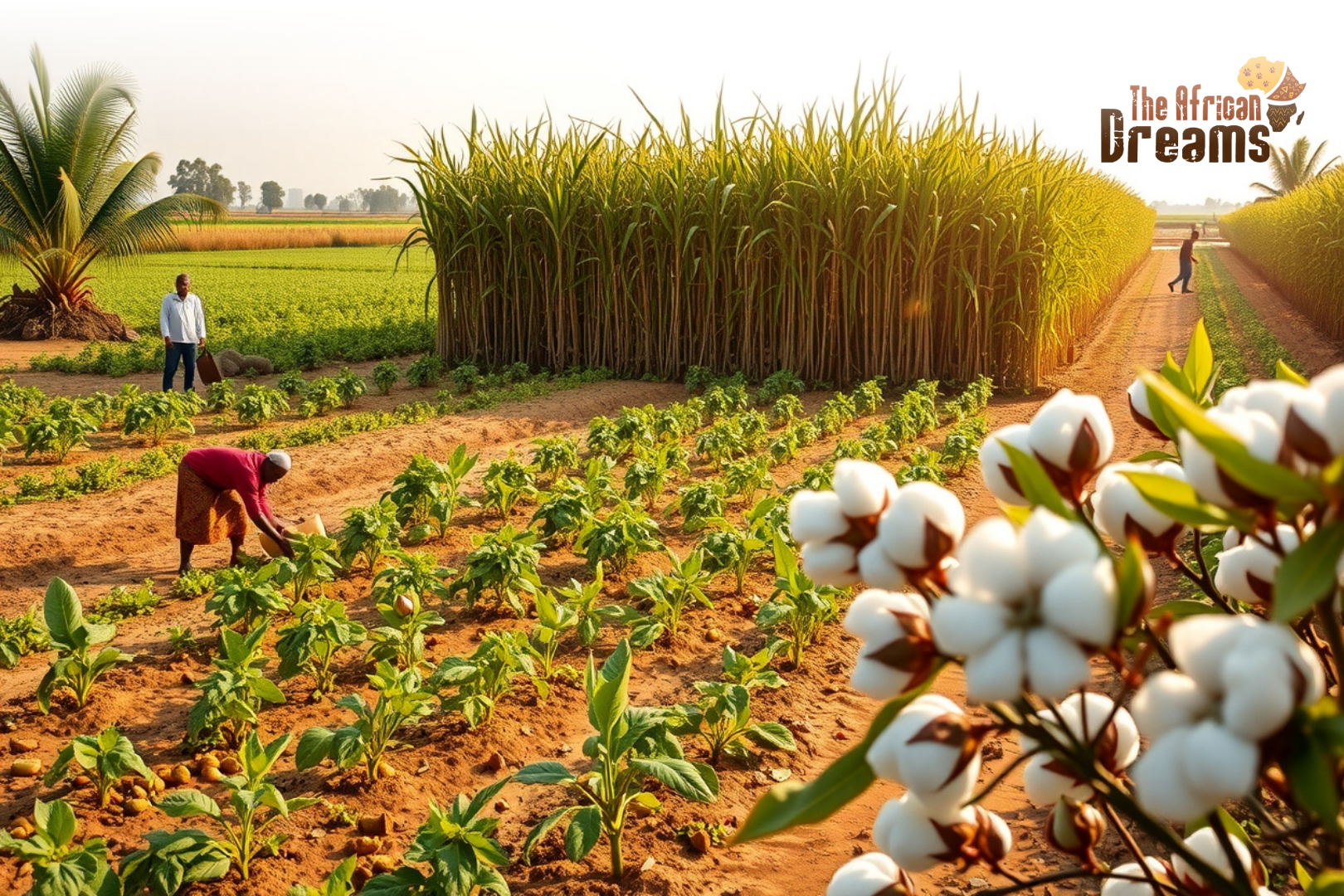
Want to invest in Africa? You’ve come to the right place! Senegal, a country in West Africa, offers immense opportunities.
Senegal is a vibrant country with a rich agricultural heritage. Its economy leans heavily on farming, with a big part of the population working in this sector. Among the many crops grown here, peanuts, sugarcane, and cotton are the cash crops. Investing in these cash crops means tapping into a world of opportunity. It’s not just about making profits; it’s about helping a country grow.
In this article, we will help you understand the importance of these crops and why you should invest in them. Let’s dig in!
A Closer Look at The Key Cash Crops
A cash crop is a plant grown primarily for sale and profit. These crops help thousands of people earn a living. They connect Senegal to global markets, where these products are in demand. This connection opens doors to international business.
Peanuts: The Lifeline of Senegal’s Agriculture
Peanuts are Senegal’s leading agricultural export. It also plays a vital role in the livelihood of smallholder farmers. Peanuts are often used in rotation with cereals to enhance soil fertility. This helps prepare the ground for future planting. The demand for peanuts from Senegal is high due to their quality, influencing both local economies and international trade markets.
Sugarcane: A Dual-Purpose Crop
Sugarcane in Senegal contributes significantly to the rural economy. It is cultivated throughout the country. The crop’s adaptability to different climatic conditions in Senegal makes it a reliable choice for farmers. With global shifts towards sustainable energy sources, sugarcane’s role in bioenergy presents new avenues for growth and investment. It can be a sustainable alternative supporting the country’s energy supplies while providing farmers with stable incomes.
Cotton: The White Gold of Senegal
Cotton cultivation in Senegal has traditionally been centered in the eastern parts of the country. The climate and soil conditions in that region favor its growth. Known for its high-quality fiber, Senegalese cotton is highly sought after in the global textile market. The cultivation and processing of cotton employ thousands of people.
Economic Significance of Cash Crops in Senegal
Thousands of Senegalese depend on cash crops for their livelihoods.
From farmers to workers in processing plants, these crops’ cultivation, harvesting, and processing offer employment opportunities in both rural and urban areas. This employment is crucial in a country where formal job opportunities are limited. It provides a lifeline for many families.
Senegal’s cash crops have a strong presence in international markets, particularly in regions that rely on imported agricultural products. The export of these crops plays a crucial role in the country’s trade balance. High-quality Senegalese cotton is exported to markets in Asia and Europe. In those markets, it is prized for its purity and strength. Hence, these cash crops contribute significantly to export earnings.
Investment Opportunities in Senegal's Cash-Crop Sector
Government Initiatives
The Senegalese government has launched several initiatives to boost agricultural productivity and sustainability. One such particular program was the “Plan for an Emerging Senegal.” This strategic plan includes subsidies for fertilizers and modern seeds to increase the production capabilities of peanuts and cotton. Such policies present a fertile ground for investors looking to capitalize on agricultural productivity and expanded market reach.
Infrastructure Development
One of the main challenges hindering growth in Senegal is the lack of proper infrastructure. Infrastructure investment can help overcome current agricultural challenges in Senegal. Investments can be made in irrigation systems, roads, and storage facilities. This can drastically reduce post-harvest losses and improve crop quality. These investments also promise High returns for investors.
Agro-processing Industries
Investing in agro-processing facilities offers an advantage in two ways. It reduces the reliance on imported food products and adds value to local crops, thus increasing profitability. There is a growing demand for processed agricultural products both domestically and internationally. Establishing facilities that can convert raw peanuts, sugarcane, and cotton into market-ready products can cater to this demand. It will help create jobs and boost local economies.
Innovative Financial Products
Farming in Senegal has always been risky due to unpredictable weather. Climate change and market volatility only add to this problem. The introduction of agricultural insurance and tailored loan products can mitigate such risks. Institutions like La Banque Agricole develop financial instruments that help de-risk investments in agriculture. These products secure returns and encourage more significant investment flows into the sector.
Diversification into High-Value Crops
Expanding into non-traditional, high-value crops such as horticulture offers another lucrative investment opportunity. Senegal’s favorable climate makes it an ideal location for growing various fruits and vegetables. Investments in this segment can diversify income sources for local farmers and contribute to the country’s economic stability.
Conclusion
Investing in Senegal’s key cash crops—peanuts, sugarcane, and cotton—is a great opportunity. It’s not just about making money. These investments help the country’s economy and improve many people’s lives. Investors can make a big difference by putting money into better infrastructure, processing plants, and new financial products. These changes can make farming more modern and successful. This is a chance to be part of Senegal’s growth and help improve agriculture for everyone. So wait no further and invest now!

0 Comments