
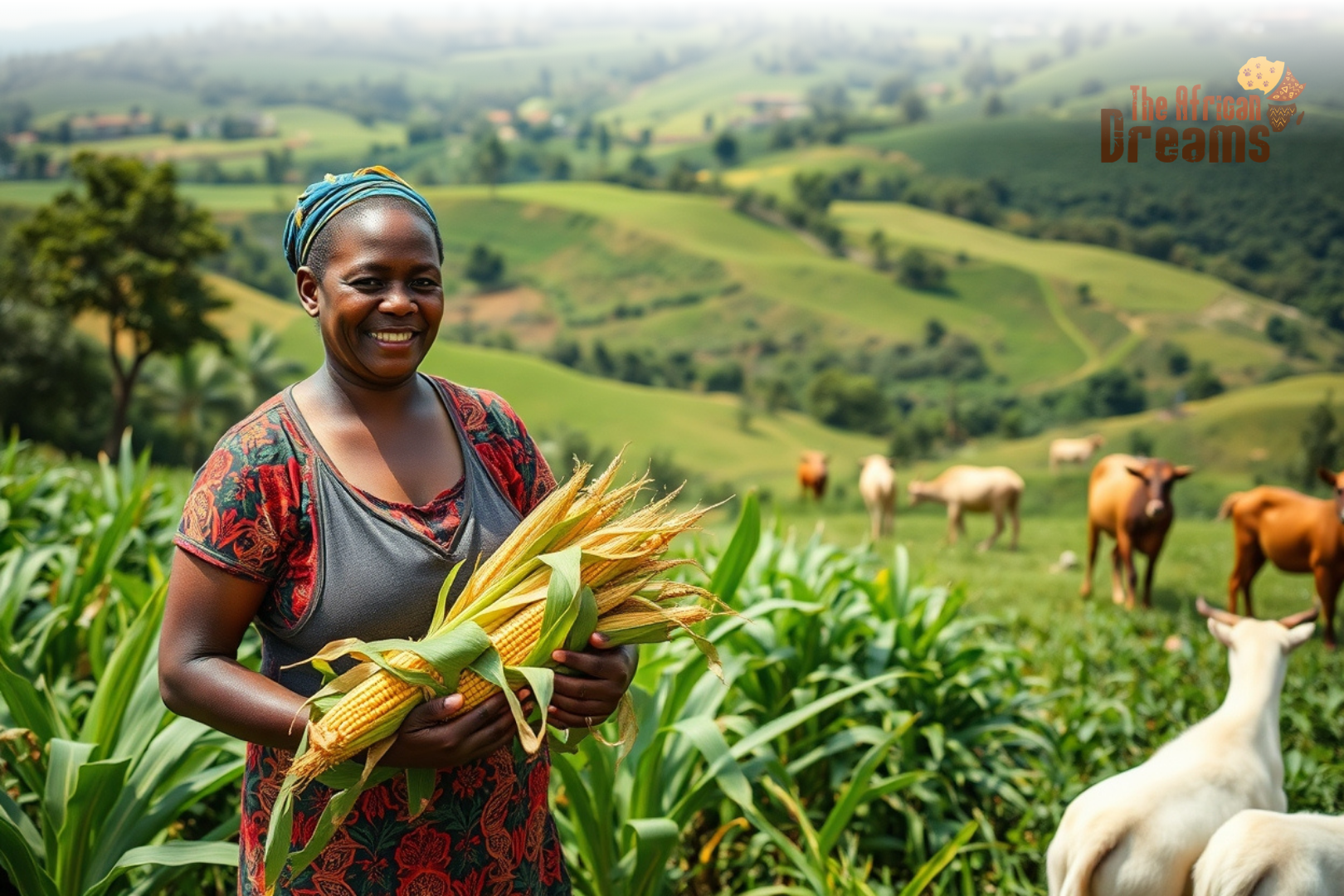
Introduction: Discover Uganda’s Agriculture
There’s land in the Eastern part of Africa, a land where 70% of the total population is employed in farming, creating their future by partnering with agricultural activities. As you go through the article, someone is probably yielding the crops with a wide smile, another profitable trade! We are talking about Uganda, the Pearl of Africa. Let’s look at the stories of Uganda’s agriculture now.
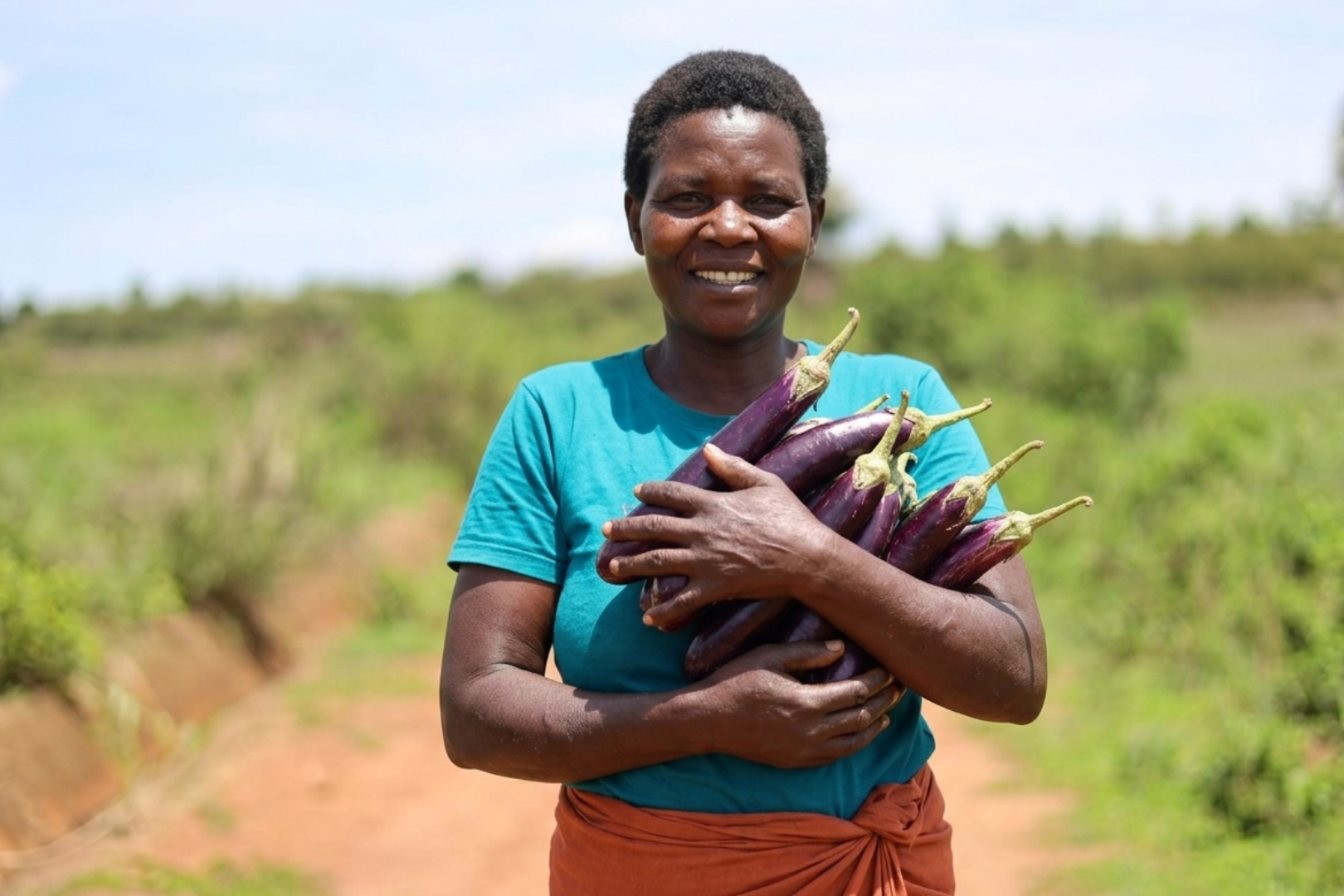
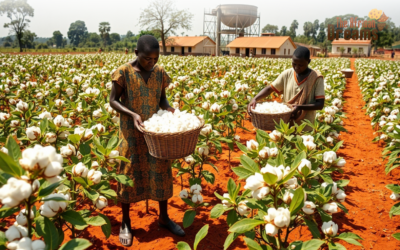
Akullo Dillish, a native of Atingtwo village in Lira district, is a smallholder commercial farmer. After receiving horticulture training from Nile Forestry Agro, she invested about $19 in the land she owned. And the return? A humongous $200 per sack priced at $14!
If a piece of land from a smallholder gives such a return, can you imagine the potential of Uganda’s Agriculture? Let us guide you through the agricultural opportunities in Uganda and why it is considered a land of potential.
Article Highlights
Uganda is rich in natural resources and has a favorable climate for agriculture.
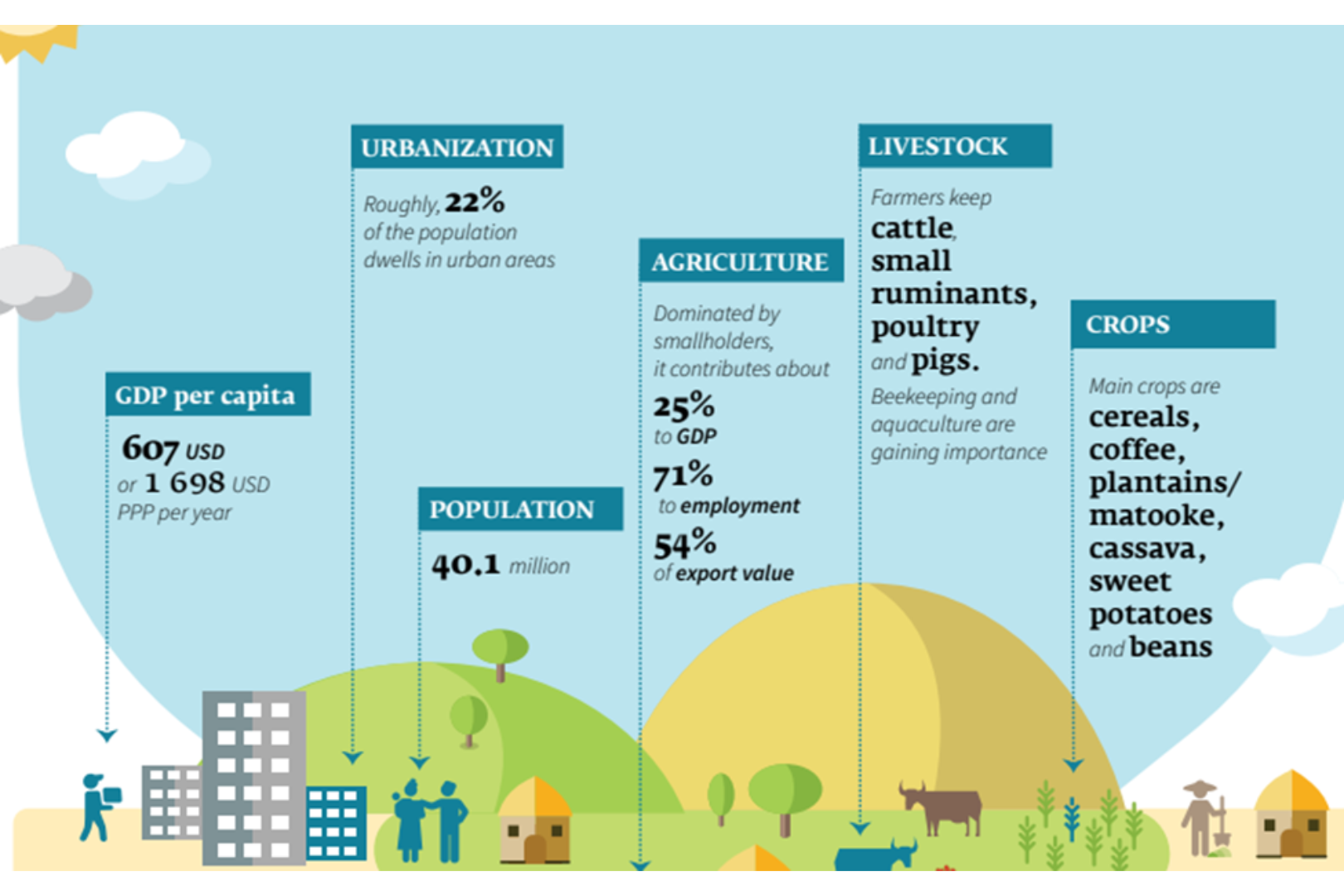
With 70% of people employed in agriculture and contributing 25% to the GDP, Uganda’s agriculture is an opportunity to make a good ROI
Products like coffee, tea, livestock, etc., are the key drivers to leave an impact on the economy, making the country the next food basket for Africa.
Opportunities are diversified into agricultural sub-sectors and micro-sectors
Current Overview of Uganda’s Agriculture and Associated Industries
With 80% of its land arable, Uganda’s agriculture is diversified across several sub-sectors. Crop production, animal husbandry, aquaculture, horticulture, agro-processing, dairy industry, livestock, etc., are the associated industries connected to agriculture.
Uganda’s agriculture market is estimated to be worth USD 4.07 billion and is expected to cross the milestone of USD 5 billion by 2029, growing at a CAGR of 4.20%. The sector is accountable for almost a quarter of its GDP and 35% of export earnings. A report from the Food and Agriculture Organization (FAO) considered the country to provide food security for 200 million people.
Agricultural Products
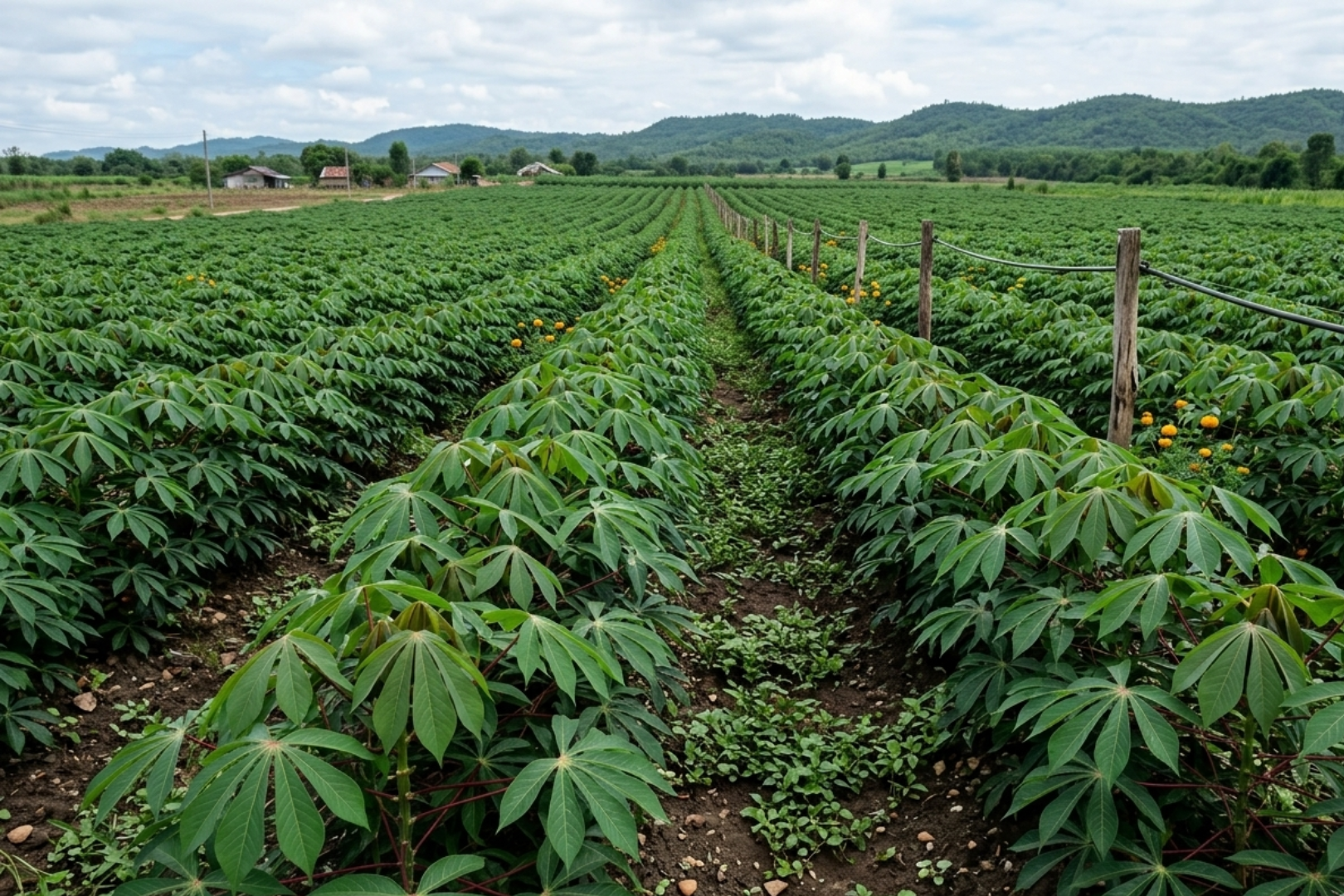
Agricultural products in Uganda include, among the notable ones, coffee, tea, sugar, livestock, fish, edible oils, cotton, tobacco, plantains, corn, beans, cassava, sweet potatoes, millet, sorghum, and groundnuts.
These are diversified into several subsectors, such as crops, vegetables and fruits, fisheries, forestry, and livestock. Altogether, each sub-sector and micro-sector is growing as a whole to transform the country into a hub for agriculture.
Opportunities in Uganda
Uganda is favorable for the production of agricultural products in every way. Favorable climate, emerging population, government support policies, arable land, etc., are inexhaustible to grow as a successful farmer. Despite challenges, including the country’s lack of technological support and communication infrastructure, there are many opportunities in Uganda’s agriculture.
Opportunities for engaging in agriculture spread into several sectors. Here are a few mainstream sectors upholding agriculture.
1. Crops: Uganda produces coffee and tea as its major crops. The country ranks second in Africa in coffee exports. In 2022, 5.9 million 60-kilo bags of coffee were exported, valued at $877 million. According to the Uganda Coffee Development Authority’s report, the figure is nearly $150 million higher than the previous year.
In the tea sector, 80,000 tons of tea were produced in 2022. Accumulating the overall market size, as given already, is massive.
2. Livestock: Livestock includes meat production and other dairy-based products. The sector contributes about 17% of the agricultural value and 4.3% of the GDP.
A report from MAAIF and UBOS in 2018 stated that 14.2 million cattle, 16 million goats, 4.5 million sheep, 47.6 million poultry, and 4.1 million pigs were in the country. The current number is even higher, with a projected total of 13 million heads of livestock by 2026.
The demand is increasing, and the livestock industry will witness a radical transformation as well to meet the demand. For example, between 2015 and 2050, poultry production is projected to increase by more than 400 percent.
Guided by the Agriculture Sector Strategic Plan (ASSP) 2015/16 – 2019/20, the government prioritizes investments in beef, dairy cattle, poultry, and goats, as well as in other agricultural goods.
3. Forestry: Forestry is another sub-sector of agriculture in Uganda. The National Environmental Management Authority (NEMA) estimates that the contribution of forestry to the country’s economy is almost $1.277 billion.
A 2021 data showed the sector contributes about 4% of the GDP. As the source of timber and non-timber forest products (such as fruits, honey, and medicinal plants), forestry is important in agriculture.
4. Aquaculture: Uganda has a total area of 241,000 square kilometers of waterbodies (wetlands, rivers, and lakes). Though it is a landlocked country, the size of the aquaculture industry is massive.
The five great lakes, along with over 150 smaller lakes, contribute to the economy to build a stronghold. Fisheries contribute 3% of the national GDP and 12% of the agricultural GDP, making it one of the prominent sectors.
Apart from these, there are hundreds of micro-sectors playing a crucial part in shaping the economy of Uganda. With so many potential sectors, Uganda is a land of agricultural opportunity.
Reasons Why Uganda’s Agriculture is Profitable
A country based on agriculture is sure to bring profit. From Uganda’s performance over the last few decades, you can easily assume that agriculture is the sustainable future in Uganda. But we’ll explore some key aspects of why agriculture is profitable in Uganda.
1. Achievable ROI: Whenever you invest in anything, the goal is to earn a sufficient return from it. Or else, there won’t be any investors exploring or showing interest in the market. Fear not, Uganda is where your investment can make a good profit.
Take Agilis Partners, Uganda’s largest maize and oilseed farming company, for example. Founded in 2013, the company started small and grew significantly both in size and revenue. The same is true for the others; Uganda can make you profitable.
2. Geographical Location: Situated in the heart of East Africa, Uganda has a favorable climate for agriculture. Though the country runs lower on production than its actual potential because of technological and infrastructure issues, it is blessed with natural resources that favor agriculture.
Uganda has a tropical climate, pleasant and warm, with average temperatures ranging from 20°C to 25°C. These account for the country’s agricultural boom in full.
3. Government-backed Policies: The Ugandan government is doing all it can to support the agriculture sector to ensure food security and a sustainable economy. Thus, initiatives from both the in-house farmers and overseas investors are warmly accepted. Policies such as the 2002 National Veterinary Drug Policy and the 2018-2022 One Health Strategic Plan are promulgated to ensure hassle-free business in Uganda.
The World Bank Economic Update for Uganda (UEU) proposed a few strategies to accelerate agriculture, with the adoption of innovations and the management of land and natural resources at the top. There are also many success stories of women of Uganda’s agriculture, which makes it a great sector to invest in and make profits. Let’s hear one of them.
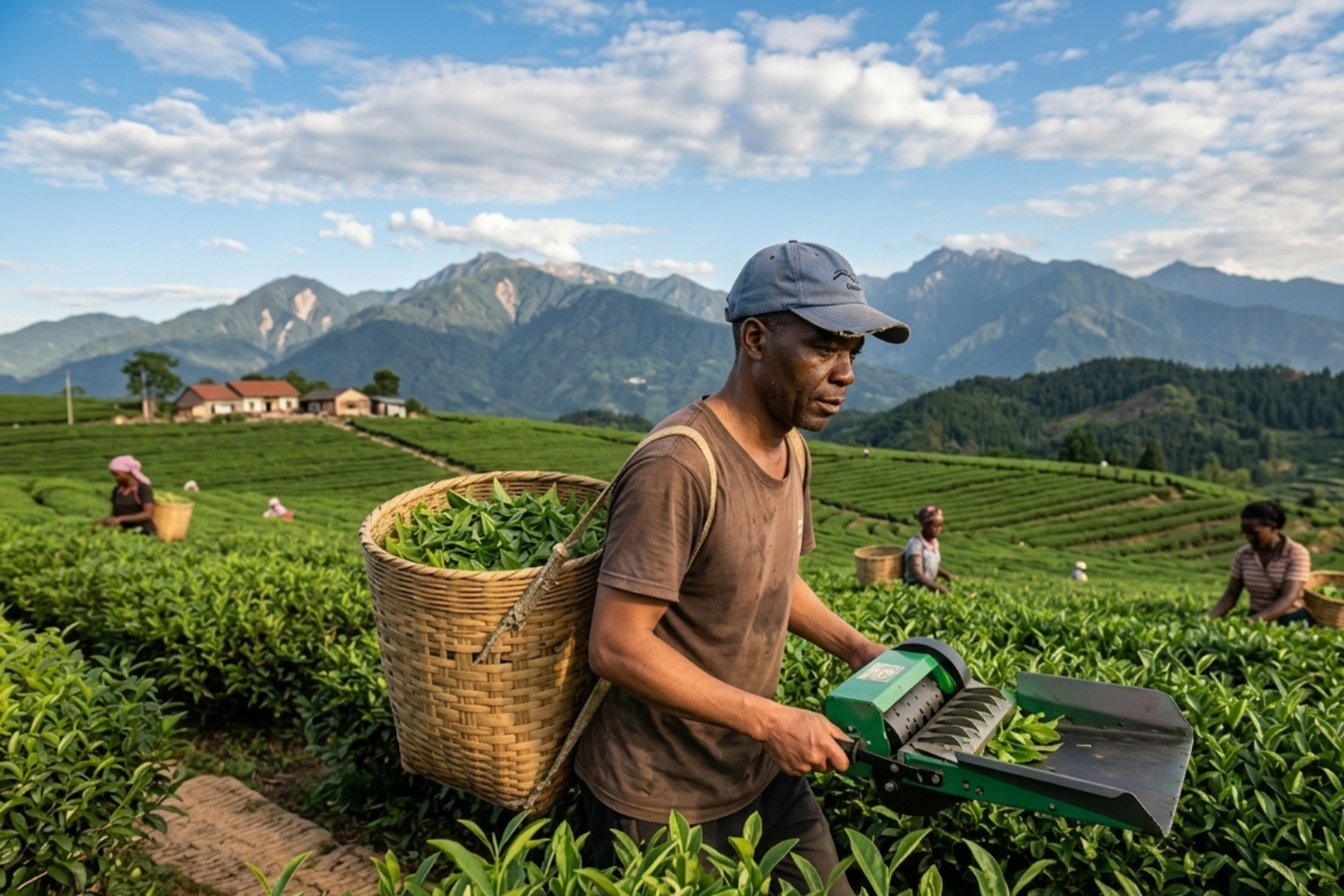
Success Stories
Philip Kalera from the Central Region became the best farmer in Uganda. Apart from the regional winners, all of whom are successful in their fields, there were three other winners in the women’s category.
Like Philip, other successful farmers, including Immaculate Akullo, Peter Matsiko, Samuel Kange, and Ben Amodoi, are worth following if you want to invest in Uganda’s agriculture.
Final Words: Bright Future of Uganda’s Agriculture
Despite facing several challenges, the country’s journey to achieve self-sufficiency in food security and make agriculture profitable is remarkable. Africa is considered to be the most promising continent, and Uganda sits at the top of the list when it comes to countries. The potential of Uganda’s agriculture is unparalleled, diversified, and worth investing in. This is why proper investment with guidance and collaborations is important to continue the growth and make it more profitable.
There is no doubt that the future of Uganda’s agriculture is bright and local, and global investors can be part of this transformation by following the market policies, contributing to the local communities as well.


0 Comments