
Introduction
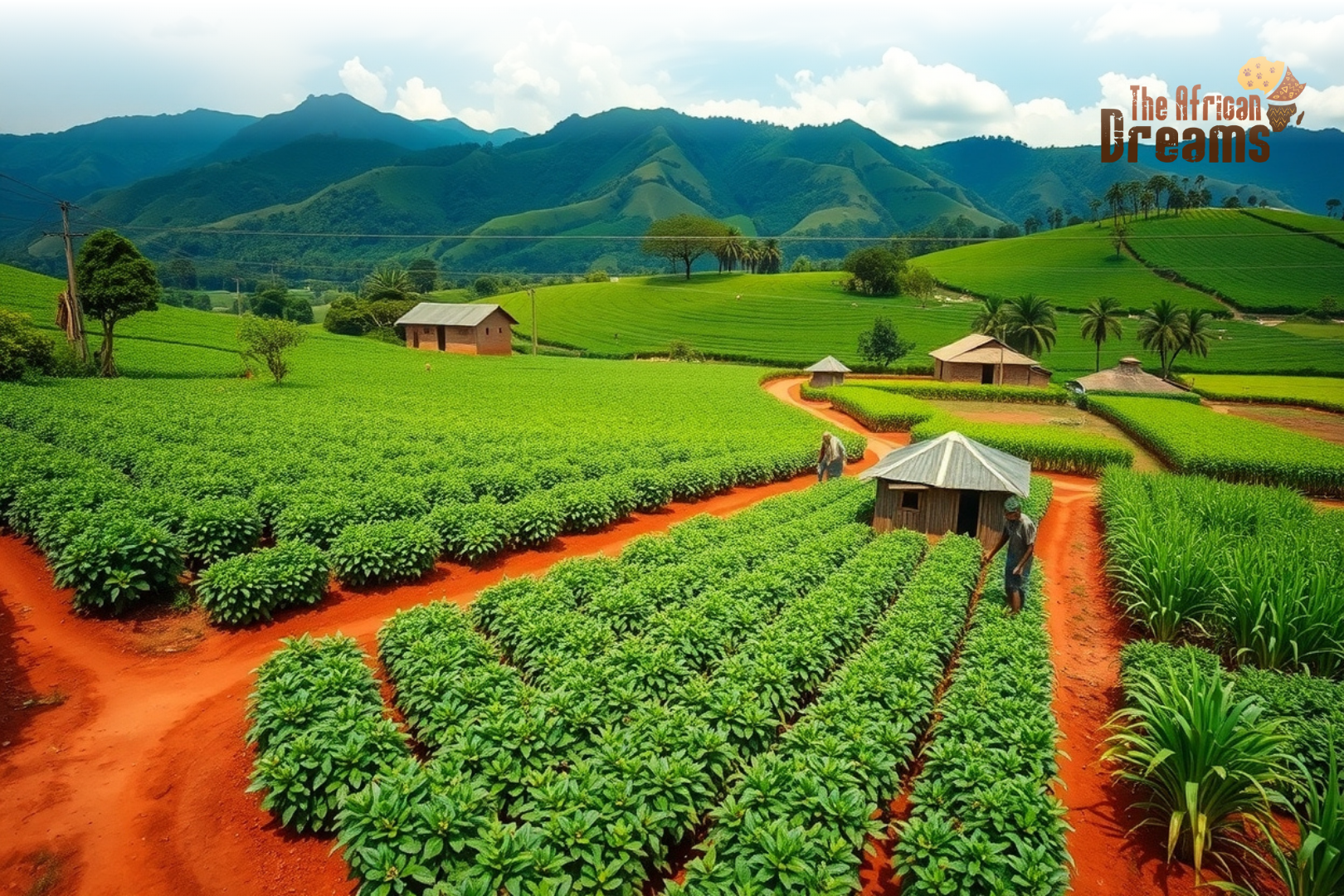
Uganda is a country where farming plays a very important role in daily life and the national economy. A large number of people work in agriculture, and cash crops like coffee, tea, and sugarcane help bring in money from other countries. These crops are the top exports of Uganda and are helping the country grow. Right now, many people are looking to invest in Uganda’s agriculture because these crops show real promise.
Coffee, tea, and sugarcane are grown across different parts of Uganda. They support millions of families, power up rural communities, and bring in foreign currency. From the hills of western Uganda to the farms near Lake Victoria, these crops are the backbone of Uganda’s export economy. And they’re not just important for farmers; they open up chances for business, technology, and foreign investment.
In this article, we will look closely at Uganda’s top three cash crops. We will explore how they are grown, what challenges they face, and most importantly, the opportunities for investment. If you’re looking to enter Africa’s agricultural space, Uganda might be one of the smartest places to start.
Article Highlights
Understand why coffee, tea, and sugarcane are Uganda’s top cash crops and how they drive rural income and national exports.
Discover the regional farming practices and export potential of each crop, from Mount Elgon’s coffee fields to the tea estates of western Uganda.
Learn about the biggest challenges farmers face, including poor infrastructure, outdated equipment, and volatile market prices.
Explore key investment opportunities such as processing facilities, farmer training, mobile technology, and organic production systems.
See real success stories showing how local cooperatives and smart investments are already transforming Uganda’s agricultural economy.
1. Coffee in Uganda
Overview of Coffee in Uganda
Coffee is the most valuable cash crop in Uganda. It is grown in many parts of the country, like the Central Region, Western Highlands, and the slopes of Mount Elgon in the East.
Uganda grows both Robusta and Arabica coffee. Robusta is more common and grows at lower altitudes. Arabica is found in cooler highland areas. Thanks to these two types of Coffee, Uganda has earned its name in the international markets.
Most of the coffee in Uganda is grown by smallholder farmers. Many Ugandan farmers work on very small plots of land. Most of the time, they grow coffee together with crops like bananas, beans, or maize.
The farmers still use very simple tools, and they often use their hands to harvest the crops. But even with these basic methods, coffee remains a very important source of income for many rural families.
How Coffee Is Grown and Processed
The cultivation of coffee in Uganda is still in its traditional way of farming. Coffee trees are manually planted in the farm, the gardens are weeded, and the cherries are harvested when they are ready. In this process, they dry the cherries in the sun after they have been picked. They tend to dry the cherries on mats or tar on the roofs of their houses.
In some other cases, cooperatives or private processors assist by providing washing, hulling, and sorting machines for the beans. However, in many of the rural areas of Uganda, these tools are still scarce. For this reason, some farmers sell their coffee at lower prices because its quality reduces during post-harvest processes.
Other challenges include:
- Low prices during harvest seasons when supply is high
- Lack of good farming tools or quality seeds
- No access to irrigation or fertilizers
- Little training on how to improve coffee quality
These challenges make it hard for farmers in Uganda to earn more or grow more coffee.
Opportunities for Investors
Despite challenges, the coffee sector in Uganda has great potential. Coffee is a popular beverage in the world, and the market for the product is expanding. Uganda has the right conditions for growing coffee and an adequate number of farmers with the necessary skills. This creates many investment opportunities, especially for those who wish to engage in business with locals and build sustainable enterprises.
Some areas to invest in include:
- Farming tools and technology: Better harvest tools, drying equipment, and irrigation systems can help farmers work faster and get higher quality beans.
- Processing centers: Building washing stations and roasteries can help turn raw coffee into export-ready products. Roasted coffee brings more revenue than raw beans.
- Farmer training and cooperatives: Teaching farmers about better methods, fair trade, and organic farming can improve both yield and income.
- Digital tools and mobile platforms: Apps or SMS services that give farmers price updates, weather alerts, and tips can make a huge difference in decision-making.
- Export logistics: Investors can help by improving transport, packaging, and global trade networks to enable Ugandan coffee to reach more markets.
Why Now Is the Right Time
Uganda is working to become the leading coffee exporter in Africa. The Uganda Coffee Development Authority (UCDA) wants to increase production to 20 million bags per year by 2030. That means more support, better policies, and space for serious investors to join the journey.
Coffee in Uganda is more than a crop; it’s a lifeline for millions. With the right support, it can grow into an even bigger success for farmers, the economy, and global partners.

2. Tea in Uganda
Overview of Tea in Uganda
Tea is one of Uganda’s most valuable export crops. It is mainly grown in areas with high altitude and good rainfall. Most tea comes from the western and southern parts of the country, such as Bushenyi, Fort Portal, Kabale, and Kanungu. These places are truly perfect for tea farming!
Most of the tea in Uganda is grown by smallholder farmers who work on modest plots and sell their leaves to nearby factories. There are also a few larger estates that grow and process their own tea.
Tea is picked almost all year round, but the main harvesting times are usually during the rainy seasons. Uganda mostly grows black tea, and it is exported to many different countries across the world. This type of tea has become a strong part of Uganda’s agriculture and trade.
Economic Importance and Export Stats
Tea brings in a lot of revenue for Uganda. In 2022, the country earned over $90 million USD from tea exports. Tea is the third largest agricultural export, after coffee and maize. It supports over half a million people, directly or indirectly. Many people work on the farms, in the factories, or in transport and trade.
Ugandan tea is sent to international markets through auctions in Mombasa, Kenya. Some buyers come from Pakistan, Egypt, the UK, and Sudan. Even though Uganda’s tea is not as famous as Kenyan tea, it is still very important in the region and has a lot of potential to grow.
How Tea Is Grown and Processed
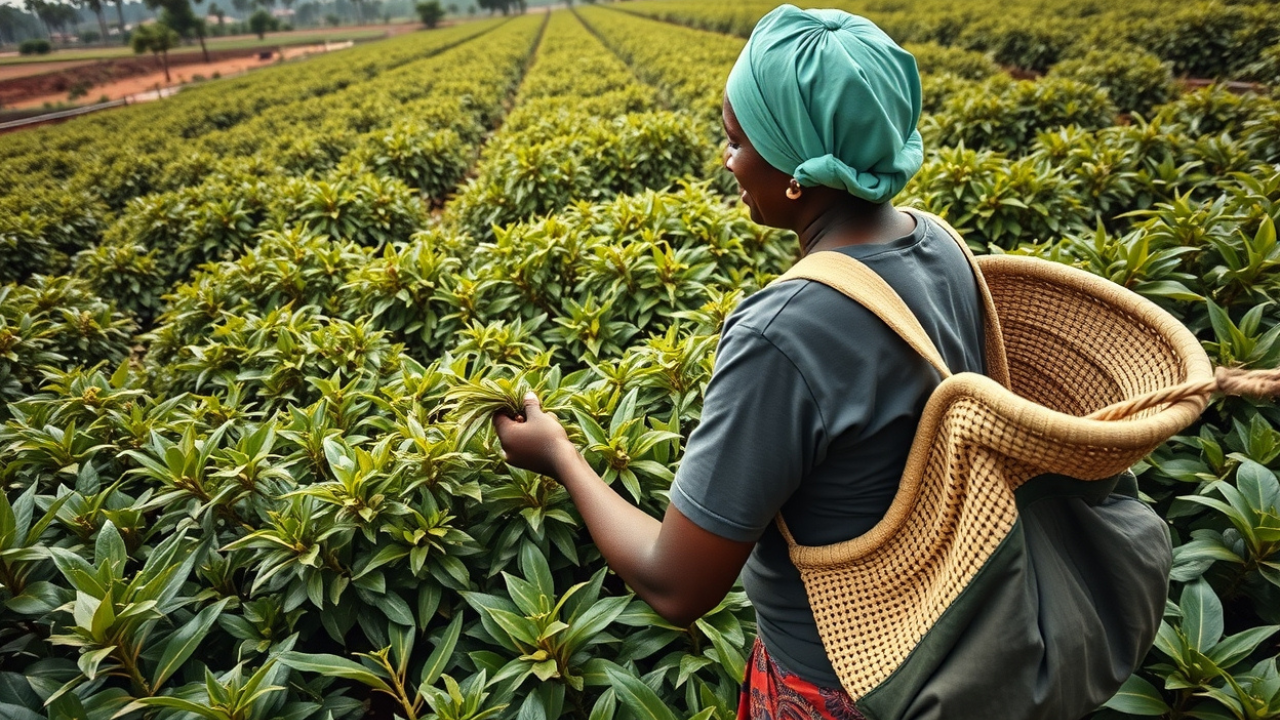
It takes nearly three years for the tea plants to mature. Once ready, Ugandan tea farmers pick the leaves by hand. After harvesting, tea leaves are taken to factories for withering, rolling, fermenting, drying, and sorting. Most tea factories in Uganda are located near the farms.
The factories produce mainly CTC tea (Crush, Tear, Curl), which is commonly used in tea bags. This kind of tea is easy to export, but it usually sells at lower prices. Some factories are now trying to produce orthodox and specialty teas, which can bring higher profits in the global market.
Challenges in the Tea Sector
Even though tea has a lot of value, the farmers and processors still face many severe challenges. One of the biggest problems is low prices. When prices drop too low, Ugandan farmers get very little money for their hard work.
Other challenges include:
- Limited access to farming tools and fertilizers required for farming.
- Poor roads slow down transportation by a huge margin.
- Very old and poor factory equipment. This equipment reduces the quality of the tea by a great margin.
- Climate change, which affects rainfall and harvest times
Because of these issues, many small farmers find it hard to improve their tea production or earn more.
Investment Opportunities in Uganda’s Tea Industry
Tea farming in Uganda shows a lot of potential. Investors who want to work in agriculture may find some strong chances to grow and help in this space.
Some areas to look into include:
- Modern farming tools: Ugandan tea farmers still use very basic tools. Investors can help these farmers with better farming and harvesting tools. This help can boost the harvest and help the investors secure a very good return.
- Factory upgrades: Many factories still use old machines. Upgrading these can help produce better teas and make the work move much faster.
- Value-added tea products: Investors can support making branded teas, herbal mixes, or special blends. These can be sold for higher prices in global markets.
- Organic tea farming: Demand for organic tea is growing rapidly. Helping farmers switch to organic farming could yield very good returns.
- Digital tools and tracking apps: Mobile apps that show weather updates, tea prices, or transport info can make the work much easier and help reduce waste.
Global demand for tea is slowly growing, and more people now want healthy, natural drinks. Uganda’s tea sector is in a pretty good place to grow. With the right support, this crop can improve a lot and help many more farmers across the country.
3. Sugarcane in Uganda
Overview of Sugarcane in Uganda
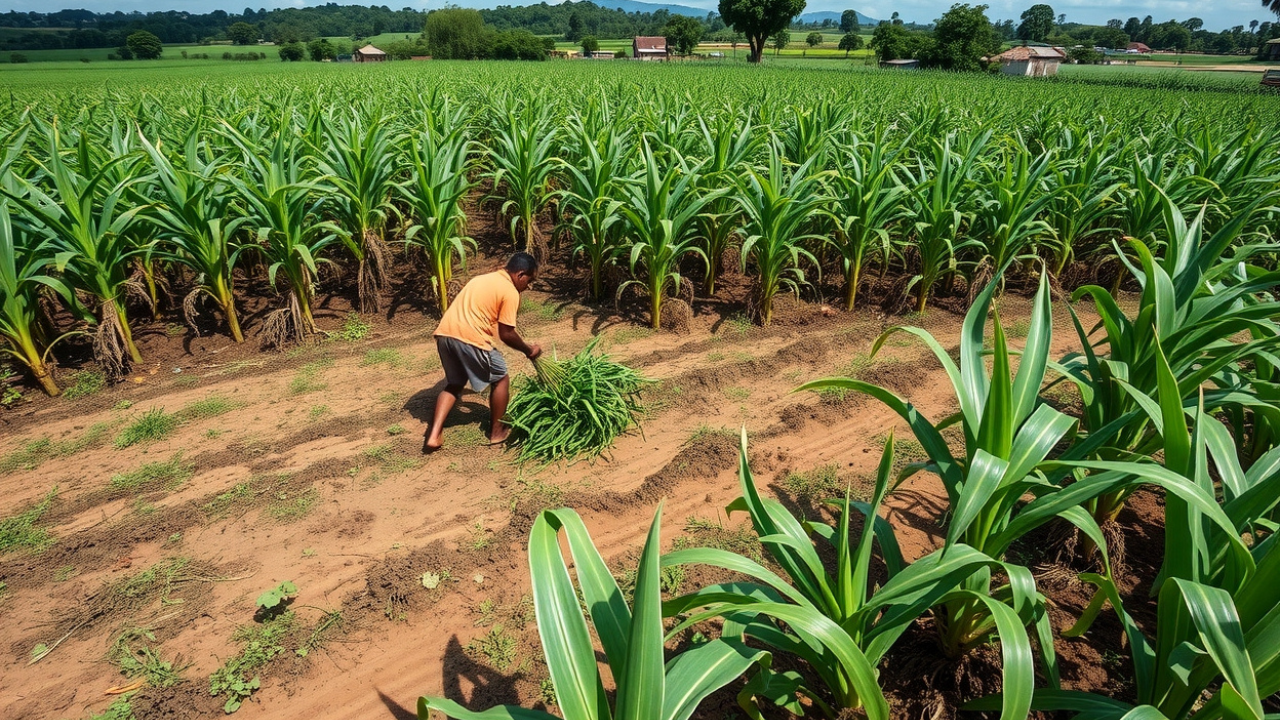
Sugarcane is one of the most common cash crops in Uganda. It is mostly grown in the eastern and central regions of Uganda. Especially in places like Jinja, Mayuge, and Buikwe. These areas have pretty good weather and enough rainfall for sugarcane to grow well.
Many large estates grow sugarcane. The big farms usually have their own factories. Small Ugandan farmers also grow sugarcane. They grow the cane and sell it to nearby companies. Even though they use very simple tools, sugarcane still brings in a lot of income for many families.
Economic Importance
Sugarcane farming helps many people earn money in Uganda. It gives jobs in farming, factory work, and transport. Uganda has around 10 main sugar factories, like Kakira, Kinyara, and SCOUL.
In 2022, Uganda produced more than 600,000 metric tons of sugar, some of which was exported to nearby countries. This shows that sugarcane is still a strong part of Uganda’s farming sector.
Challenges
There are still some serious problems in sugarcane farming. Prices often drop, and many small farmers lose money. Sometimes they don’t get paid on time, which makes things harder for families who depend on it.
Other problems include:
- Bad roads that slow down delivery
- Lack of tools or machines to grow better crops
- Land issues that delay planting
- Factory shutdowns or price disagreements
These things stop the farmers from getting the most out of their hard work.
Investment Opportunities
Even with these problems, there are some very good chances to invest:
- Helping build better roads and transport to move sugar faster
- Setting up small processing plants for local use
- Giving farmers irrigation systems and tools to grow more
- Creating mobile tools or SMS services to share prices and tips
Sugarcane farming in Uganda still needs help. But with the right support, it can get a lot better. This sector may give steady returns to investors who want to support local farmers and the wider economy.
Success Stories from Uganda’s Cash Crop Sector
- In the hills near Mount Elgon, a small group of farmers started a coffee cooperative with help from a local NGO. They got training on how to dry their beans better and improve the quality. After some time, they were able to sell their coffee directly to buyers in Europe. In just a few years, their earnings went up by more than 30%. The farmers now earn much more than before and can better support their homes, school costs, and medical needs.
- In western Uganda, one tea factory in Kanungu made a very smart move. Instead of only making regular tea, they began producing orthodox tea, which sells for higher prices. With help from investors, they got new machines and trained their workers. After some time, they started selling to better-paying markets in Europe and the Middle East. As profits grew, farmers who supplied this factory also began earning slightly higher prices for their leaves.
- Kakira Sugar, one of Uganda’s biggest sugar companies. These companies started using leftover sugarcane waste to make electricity! This waste is called bagasse. Bagasse is used to produce up to 52 megawatts of power. A part of this power is sent to Uganda’s electricity grid. This idea helped reduce waste and earn extra income, and it also shows that sugarcane can do more than just make sugar.
Conclusion
Uganda’s cash crop sector is still one of the most important parts of Uganda’s economy. Coffee, tea, and sugarcane are not just crops, they are a big part of daily life and help many people earn a living. These three cash crops support farming families and bring in a large share of Uganda’s export earnings.
Coffee is the leading cash crop, which is mostly grown by small Ugandan farmers. With better support and tools, they could earn much more than they do. The tea business is already showing very good progress. Especially in places where factories are improving. Sugarcane has had a few problems, but it still supports thousands of people and even helps with Uganda’s energy production.
Even though there are some issues like price drops, transport delays, and old equipment, these crops still offer very strong returns for the investor companies. Simple support, like better machines, mobile apps, and farmer training, could help the sector grow much faster.
For investors who want to work in agriculture, Uganda’s cash crops offer real and growing opportunities. These crops have strong roots, rising demand, and plenty of room for smart new ideas. Now might be the best time to be part of something that could grow bigger and better in the years ahead.
FAQs
- What are the top three cash crops in Uganda?
The top cash crops in Uganda are coffee, tea, and sugarcane. These crops bring in the most export money and support many farmers. - Why is coffee so important to Uganda’s economy?
Coffee brings in the highest export earnings. It supports around 1.7 million small farmers and many others in trade and transport. - Can foreign investors invest in Uganda’s agriculture?
Yes, there are many chances to invest. From tools and factories to export services and mobile platforms, support is needed in every sector. - What challenges do farmers face in Uganda?
Farmers often deal with low prices, bad roads, old tools, and changing weather. These things reduce profit and make farming harder. - Is tea from Uganda in high demand?
Uganda’s tea is growing in demand, especially as more factories improve quality. Some are now exporting to premium markets abroad. - How can sugarcane help beyond farming?
Some sugar companies in Uganda now use sugarcane waste to make electricity. This adds value and supports energy in the country.



0 Comments