
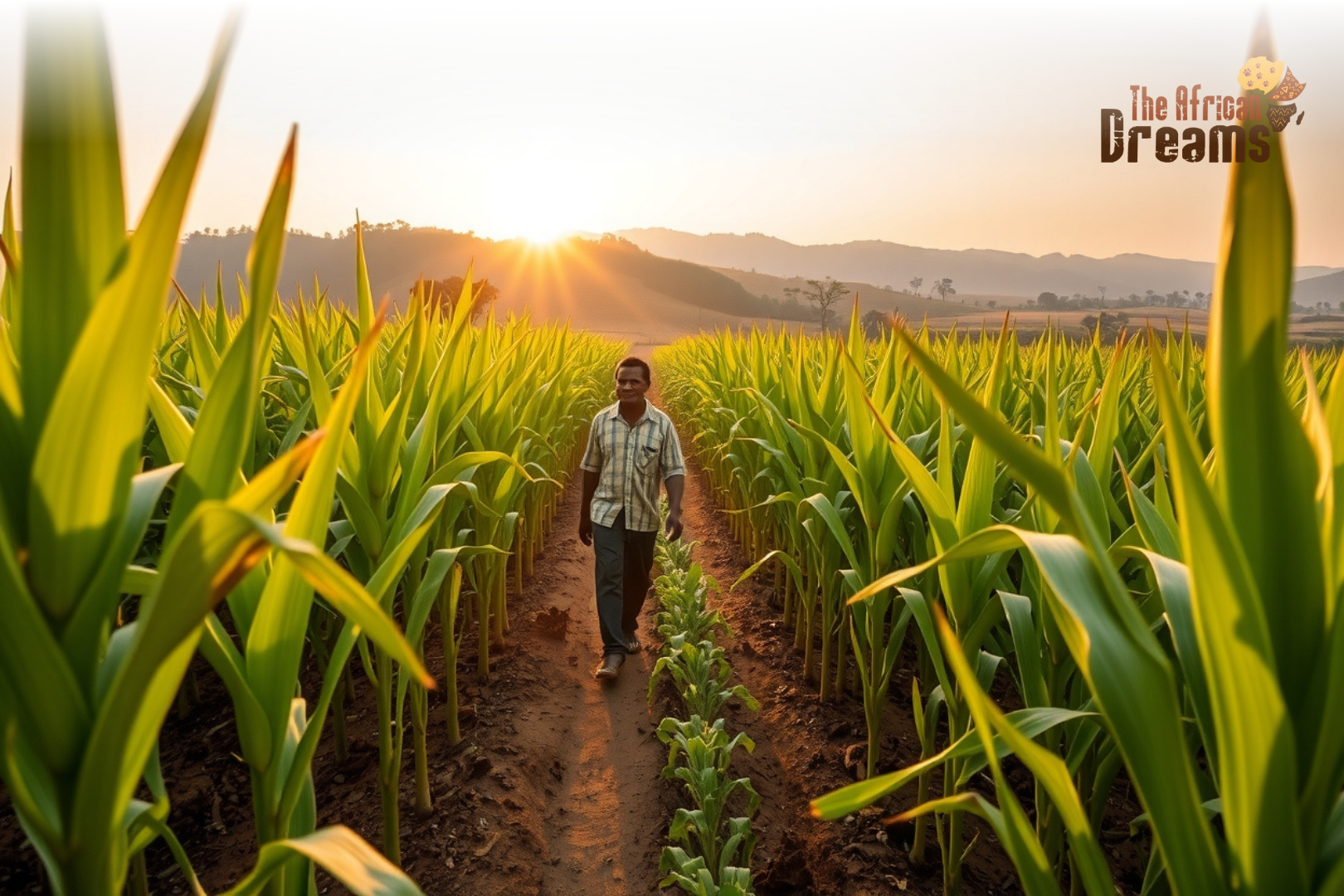
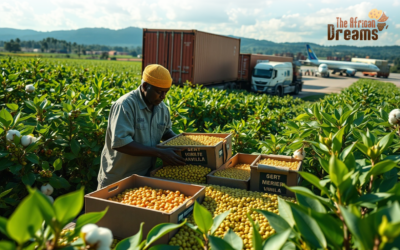
Ethiopia, a country in East Africa, is famous for its history, stunning landscapes, and lively culture. But beyond these, agriculture is the lifeline of its people. Picture a farmer in Oromia, standing in his maize field as the morning sun lights up his crops. For him, this isn’t just farming; it’s about feeding his family, building his future, and contributing to his country’s economy.
Maize, often called “white gold” by farmers, is one of Ethiopia’s most important crops. It’s grown all across the country, feeding millions of families and playing a key role in the economy. People prepare it in many ways, boiled, roasted, or ground into flour for dishes like injera. Maize isn’t just food; it’s a part of life.
For small farmers, maize means survival. It pays for school fees, buys better tools, and keeps families nourished. But maize isn’t just important for the locals. It has the power to change Ethiopia’s economy. With smart investments and modern farming methods, this simple crop could open doors to better trade, more jobs, and a brighter future for everyone.
Types of Maize and Production
Ethiopia grows different kinds of maize, each with its own purpose and value. The main types are:
- White Maize: This is the most widely grown type in Ethiopia. It is a staple food for families and is used to prepare traditional dishes like porridge and injera. White maize is deeply tied to the country’s culture and daily life.
- Yellow Maize: Though less common, yellow maize is important for animal feed and industrial uses. It supports Ethiopia’s growing livestock and poultry industries, making it a valuable resource.
Maize production has grown steadily in Ethiopia. Smallholder farmers cultivate it on over 2 million hectares of land, with Oromia, Amhara, and SNNPR being the leading producers due to their fertile soils and good rainfall. In 2022, Ethiopia produced about 9.8 million tons of maize.
Better seeds, advanced farming techniques, and government programs have helped boost maize yields. Average yields have increased from 2.5 tons per hectare in the 2000s to over 4 tons today. This growth ensures food security and strengthens Ethiopia’s agricultural economy, making maize a vital crop for the country’s future.
Export Potential
Ethiopia’s maize has excellent potential for export, which could boost the country’s economy significantly. While most of the maize grown is used locally, there is a growing opportunity to sell it in regional and international markets. Neighboring countries like Kenya, Sudan, and Somalia rely on imports to meet their food needs, making them key markets for Ethiopian maize.
In 2022, Ethiopia exported around 200,000 tons of maize, earning about $50 millions. However, this is just the beginning. With better systems and investments, Ethiopia could increase its exports. Products made from maize, like flour, animal feed, and starch, are especially valuable. These processed items are in high demand in Africa, the Middle East, and Asia.
Ethiopia needs better storage, efficient transport systems, and strategies to reduce post-harvest losses to reach this potential. Modern storage facilities and improved logistics could help maintain the quality of maize for export. Additionally, working with international trade organizations and joining global markets could make Ethiopia a leading maize supplier. By taking these steps, Ethiopia can increase its maize exports and boost its foreign income, benefiting both farmers and the national economy.
Challenges Facing Maize Production
Maize farming in Ethiopia faces several hurdles that limit its potential. These challenges include:
1. Changing Weather and Climate
Unpredictable rainfall, droughts, and higher temperatures are affecting maize production. For example, the 2021 drought in the Horn of Africa caused maize yields to drop by 15%.
2. Pests and Diseases
Pests like the fall armyworm destroy up to 30% of maize crops yearly. Diseases such as maize lethal necrosis further reduce harvests, harming farmers’ incomes and the country’s food supply.
3. Losses After Harvest
Farmers lose a large part of their maize after harvest without proper storage. Nearly 20% of production goes to waste because of poor handling and inadequate facilities.
4. Difficult Market Access
Poor roads and transport systems make it hard for farmers to sell their maize. This lowers the prices they can get and reduces their profits.
5. Lack of Quality Farming Inputs
Many farmers can’t afford good seeds, fertilizers, or modern tools. This limits their yields and stops them from expanding their production.
Investment Opportunities
Ethiopia’s maize industry presents several profitable opportunities for investors. Key areas for investment include:
1. Developing the Value Chain
Setting up maize processing plants to produce value-added products like flour, starch, and snacks is highly profitable. For example, the Addis Grain Processing Plant expanded its maize flour production by 40% in 2022, meeting growing demand locally and regionally.
2. Animal Feed Production
With the rising demand for livestock feed, investing in feed mills is a smart move. Maize is a key ingredient in animal feed, and Ethiopia’s livestock sector is growing by 8% annually, driven by increased poultry and dairy farming.
3. Export Infrastructure
Building better storage facilities and transport systems can cut post-harvest losses, which currently account for 20% of production, and ensure high-quality maize for export.
4. Improved Farming Inputs
Supplying high-yield seeds and fertilizers can significantly boost productivity. Programs like the Advanced Maize Seed Adoption Program (AMSAP), which supported over 250,000 farmers, show the benefits of such initiatives.
5. Collaborations with the Government
Partnering with the government in areas like irrigation and mechanization can modernize maize farming and increase output.
Conclusion
In a small village in Oromia, a farmer stands by his maize field as the sun sets, casting a warm glow over his thriving crops. For him, maize is more than just a crop. It feeds his family, pays for his children’s school, and helps his community grow. But this farmer’s story is part of a larger picture, the incredible potential of maize to transform Ethiopia’s economy.
Maize is not just a staple food for millions; it’s a key part of Ethiopia’s agricultural success. With improved infrastructure, modern farming tools, and wise investments, Ethiopia’s maize industry can reach new heights. There are processing, exports, and value chain opportunities waiting for the right investors to step in. Strategic partnerships and forward-thinking policies can unlock this potential and make maize a driving force for change.
The future of maize in Ethiopia looks promising. It can secure food for millions, create jobs, and attract valuable investments. For farmers, businesses, and the country, maize isn’t just about survival but building a brighter, more prosperous future for all.
0 Comments