
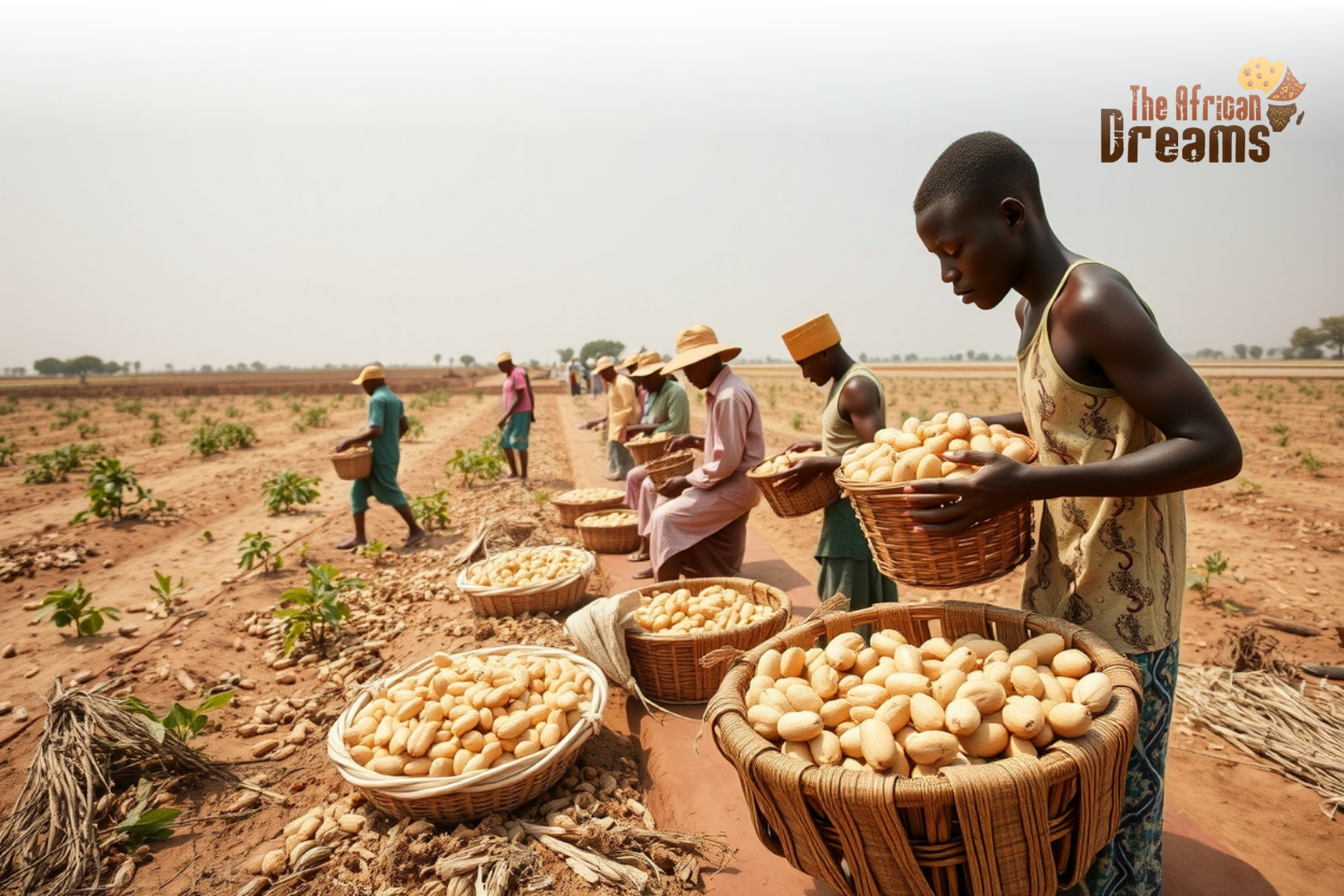
If you want to invest in agriculture, Senegal should be your top choice. It is the third-largest peanut-producing country in Africa. Its peanut industry supports the livelihoods of many farmers. The peanut sector in Senegal has a storied past, with its influence peaking in the mid-20th century. During this time, Senegal was a powerhouse in the peanut export market. However, over the years, the industry has faced several challenges. Agricultural mismanagement, policy changes, and environmental factors have impacted production.
Despite these hurdles, there remains a substantial opportunity for growth and improvement. This case study delves into the potential within Senegal’s peanut industry. It examines both the challenges that have slowed its progress and the solutions that can drive its future success.
The Challenges in Senegal's Peanut Industry
The peanut industry in Senegal has faced numerous challenges that have hindered its growth and profitability.
1. One major issue has been the need for access to high-quality agricultural inputs. This includes seeds resistant to diseases and pests and effective fertilizers. The poor quality of these inputs has directly contributed to low crop yields, affecting the income of farmers across the country
2. The booming export of peanuts from Senegal to China is another major issue. This has led to shortages of peanuts for local processing industries in Senegal. The overwhelming export demand has prevented local processors from obtaining enough peanuts. This is impacting their production and causing job losses. There is a need to redirect some peanut production from exports to local processing to improve food security.
3. The limited use of modern agricultural techniques impacts peanut production. Farmers often use old farming methods and need access to modern watering systems, which means they rely heavily on rain. This makes them vulnerable when the weather is unpredictable. Climate change is making things worse by causing more droughts and floods, which puts extra pressure on farming.
4. Also, as cities grow, less land is available for farming. All these issues pose a big threat to peanut farming in Senegal, which many people depend on for their livelihood.
5. Changes to policies intended to modernize the peanut industry in Senegal ended up making things harder for small farmers. These changes often took away some of the support, like cheap seeds and fertilizers. As a result, smaller farmers are having a tough time making ends meet and staying competitive. This is increasing poverty among those living in rural areas, where many rely on growing peanuts to survive.
Despite these obstacles, the potential for Senegal’s peanut industry remains high. By addressing these challenges, there are opportunities to transform this crucial sector.
Plausible Solutions
Using Better Farming Tools and Seeds:
Senegal should use better farming equipment and high-quality seeds. This can help farmers grow more high-quality peanuts. Also, finding ways to deal with peanut diseases and weather changes can make peanut crops stronger and safer.
Making the Market More Open and Fair:
By changing some rules that make it hard for farmers and businesses to operate, peanuts can be sold more freely and at better prices. This means farmers can earn more money, and peanuts can be cheaper for people to buy. Less strict rules can also encourage more businesses to join the market, which is suitable for everyone, from the farmers to the buyers.
Preparing for Weather Changes:
Farming practices that consider the weather and climate can greatly help farmers. Learning new methods that help withstand bad weather and teaching these to farmers can keep peanut crops safe and increase their yield even during tough weather.
Improving the Soil:
Over the years, farming the same crop over and over has hurt the land. To fix this, methods like building small dams made of stones or other materials can help keep the soil in place, hold more water, and reduce salt build-up, which can make the land better for farming again. This not only helps peanuts grow better but also makes the land healthier for future farming
These solutions are part of a broader effort to revitalize Senegal’s peanut industry. By addressing the core issues of quality, sustainability, and market access, there is a clear pathway towards recovery and long-term growth for the sector.
Implementation
In Senegal’s Peanut Basin, farmers have traditionally grown mostly peanuts and millet, leading to worn-out soil and economic hardships. This area, heavily reliant on peanut farming, used to be one of the top peanut exporters in the world. However, focusing too much on these few crops has harmed the land and left many farmers poor as crop yields and profits fell.
Now, the nonprofit Trees for the Future is teaching local women to plant different types of crops and trees through the Forest Garden Approach. This is improving the health of the land and helping the farmers make a better living, benefiting their communities overall.
The RFS Senegal project is helping to fix severe soil problems in Senegal’s Groundnut Basin. The problem was caused by over a hundred years of growing mostly peanuts and by climate change. This project works with various groups to improve the land using new methods like planting woody plants in rows, making stone walls, and using a special material to decrease salt in the soil. These methods have helped improve a lot of land, increasing crop yields and making farming more reliable in the face of climate change. This helps local small farmers grow more food and secure their income.
Developing infrastructure is key to reducing post-harvest losses and improving market access for Senegal’s peanut farmers. With help from international groups like the World Bank, rural areas are getting better roads and storage facilities. These upgrades help keep peanuts in good shape from the farm to the market, reducing losses from spoilage and transportation problems. Improved infrastructure boosts profits and enhances the efficiency of the supply chain, helping the peanut industry stay viable in the long run.
Final Remark:
Senegal’s peanut industry is an important part of its economy. Despite challenges like old farming methods and unhelpful government policies, it is growing. There’s great potential for improvement in this sector. By adopting new agricultural technologies, updating laws, and improving infrastructure, Senegal can restore its peanut sector. These improvements will strengthen the industry, ensure food security, increase farmers’ incomes, and help the economy. Promoting sustainable practices and diversifying crops with projects like the Forest Garden Approach will also help Senegal’s rural areas thrive, making them attractive for both local and international investors. So you should wait no further and invest now!

0 Comments