
Introduction
Malawi, known as the “Warm Heart of Africa,” is at an important point in its farming journey. Agriculture is not only a key part of the country’s economy but also has great potential to help improve people’s lives. As the world faces more food shortages and looks for better farming solutions, Malawi is in a strong position to attract smart investments.
Farming in Malawi supports over 80% of the population and makes up about 30% of the country’s total income. This shows how important the sector is. However, while there are great opportunities for growth and profit, there are also some challenges to overcome.
This blog offers valuable insights into new pathways to commercialize and grow Malawi’s agricultural sector. We will cover market opportunities, the role of technology, farmer education, and more, all with the hope of encouraging a growing agricultural sector.
Article Highlights
Overview of Malawi’s Agricultural Landscape
Explore Domestic and International Market Opportunities.
Use of technology for Agricultural efficiency.
How to educate farmers and enhance their skills.
Overview of Malawi's Agricultural Landscape
Malawi is often referred to as the “Warm Heart of Africa,” and agriculture lies at the heart of its economy. The agriculture industry employs about 80% of the workforce, mostly in rural areas, and provides over 70% of the country’s foreign exchange gains. The sector is dominated by smallholder farmers, with median allotment sizes of less than one hectare.
The major staple crop, maize, occupies the majority of the acreage under crop cultivation in this varied farming landscape. Other cash crops, such as tobacco, tea, sugar, and groundnuts, are equally important for foreign exchange and the development of rural communities. Crop diversity suggests that agriculture in Malawi is resilient and has the potential to grow further, offering several entry points for investors.
The country relies heavily on its smallholder farmers, who primarily grow staple crops such as maize, tobacco, and tea. However, the agricultural landscape faces hurdles, including climate change, inadequate access to markets, and fluctuating prices.
The Need for Commercialisation
Transitioning to commercial agriculture offers many benefits. Not only does it promise increased income and profitability for farmers, but it also boosts the overall economy. Understanding the agricultural value chain helps identify points where value can be added, making products more marketable and competitive. The integration of technology, such as mobile apps and modern farming techniques, enhances efficiency and productivity, paving the way for sustainable growth in agriculture.
Identifying New Markets and Value-Added Products
A. Exploring Domestic and International Market Opportunities
The demand for agricultural products is steadily increasing, both locally and internationally. In Malawi, local markets thrive on essential foods like maize and beans, while consumer preferences are shifting towards organic and specialty products. Investigating these trends can help farmers understand market requirements and explore export opportunities, allowing them to connect with international buyers eager to embrace Malawi’s agricultural potential.
B. Development of Value-Added Agricultural Products
By focusing on value-added products, farmers can increase their earnings. Processed foods, such as dried fruits and beverages, can fetch a higher price in both local and international markets. Furthermore, organic products are gaining popularity as consumers become more health-conscious. Textiles and biofuels derived from agricultural by-products also offer exciting prospects, providing farmers with alternative income sources.
C. Role of Cooperatives and Market Access
Cooperatives can be a game-changer for smallholder farmers. By pooling resources and marketing collectively, farmers can enhance their bargaining power and access better market opportunities. Strategies like group marketing and distribution create more efficient pathways to reach local and international buyers. Collaborating with local businesses can also strengthen these efforts, ensuring that products reach consumers while supporting the local economy.
Technology for Agricultural Efficiency
A. Introduction to Modern Agricultural Technologies
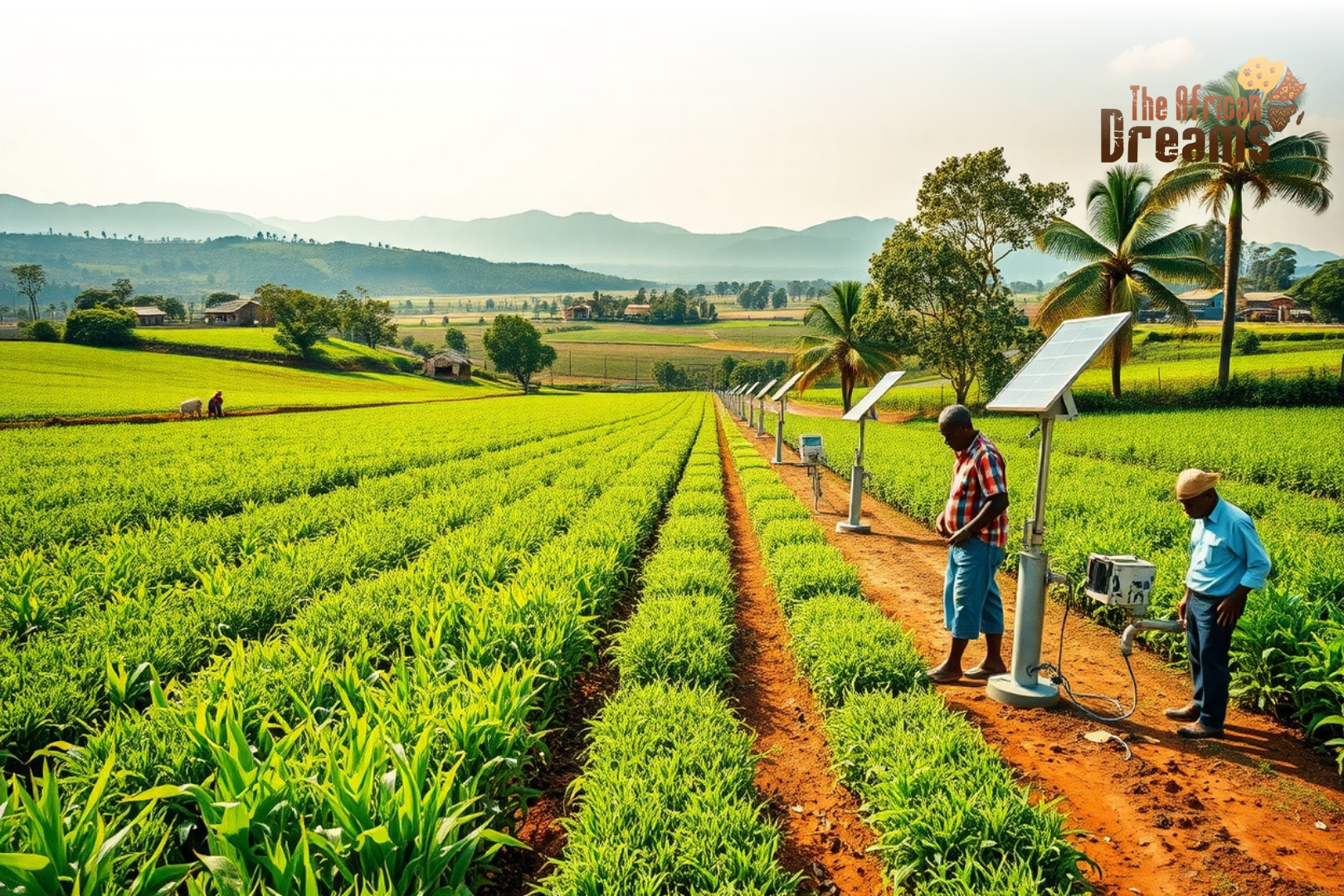
Modern agricultural technologies are revolutionizing farming practices in Malawi. Precision farming techniques help farmers to closely monitor crop conditions, ensuring they apply the right amount of inputs. Drones can assist in crop assessments and yield predictions, making it easier to plan and manage farming. Additionally, mobile apps provide farmers with access to vital market information and farming advice, empowering them to make informed decisions.
B. Irrigation and Water Management Innovations
Innovative irrigation techniques are essential for effectively managing water resources in Malawi. Drip irrigation and sprinkler systems can minimize water wastage while ensuring crops receive the necessary hydration. Rainwater harvesting strategies are also worth exploring to help farmers depend less on erratic weather patterns. Emphasising sustainable water management benefits all, ensuring a reliable water supply for future generations.
C. Data-Driven Decision Making in Farming
Utilizing agricultural data analytics is becoming increasingly important for farmers wanting to maximize their yields. By tracking crop performance and yields, farmers can make informed decisions that lead to better outcomes. For instance, case studies have shown that farmers who adopted data-driven methods have significantly improved their productivity. This shows how information can transform agricultural practices.
Enhancing Farmer Education and Skill Development
A. Importance of Knowledge Transfer in Agriculture
Education and skill development are essential for modern agriculture. Programs focused on training farmers in modern techniques empower them to improve their practices and increase yields. Extension services play a critical role in disseminating information and providing practical support. Workshops and training initiatives can help farmers understand new methods and connect with others in their community.
B. Collaborations with Educational Institutions
Partnerships between universities and local farmers can bridge the knowledge gap. Research-based approaches address agrarian challenges, offering solutions that are relevant to local contexts. Involving students in community agricultural projects encourages practical experiences that benefit both the learners and the farming community.
C. Building Entrepreneurial Skills in Farming Communities
Creating an entrepreneurial mindset is fundamental for the success of farming communities. Training farmers to view their operations as businesses can encourage them to adopt innovative practices. This skill development can lead to creative marketing strategies, better financial management, and ultimately, improved profitability.
“Commercialising agriculture is not just about increasing production; it’s about creating sustainable livelihoods and fostering economic growth within communities.”
By embracing these pathways, Malawi can unlock its tremendous agricultural potential, leading to a more prosperous future for its farmers and the nation.
Growing Agriculture for Market Efficiency
Malawi’s agricultural commercialisation (AGCOM) project aims to increase the commercialisation of agricultural products. This project is led by the Ministry of Agriculture, which aims to build productive alliances and support investment. The goal is to reduce Malawi’s dependency on the tobacco sector and create a competitive agricultural sector. It also aims to improve market efficiency for the benefit of producers and consumers.
Final Words
Investing in Malawi’s agriculture goes beyond an economic decision to a commitment toward active and inclusive development. There are several opportunities in Malawi, such as irrigation, where expanding irrigation can help increase the production of horticulture products like fruits, vegetables, flowers, and rice. Malawi can also produce dairy products and meat to commercialise the sector.
Hence, investment in Malawi’s agriculture is not just financial; it also means helping the country grow strong. Thus, investors who support new ideas and technologies for farming and their commercialization can play a significant role in shaping a better future for Malawi’s agriculture. Through collaboration, innovation, and education, the future looks bright for agriculture in Malawi.
To learn about investment opportunities in Malawi’s agriculture, you can read, Investment Opportunities in Malawi’s Agriculture: An Overview




0 Comments