
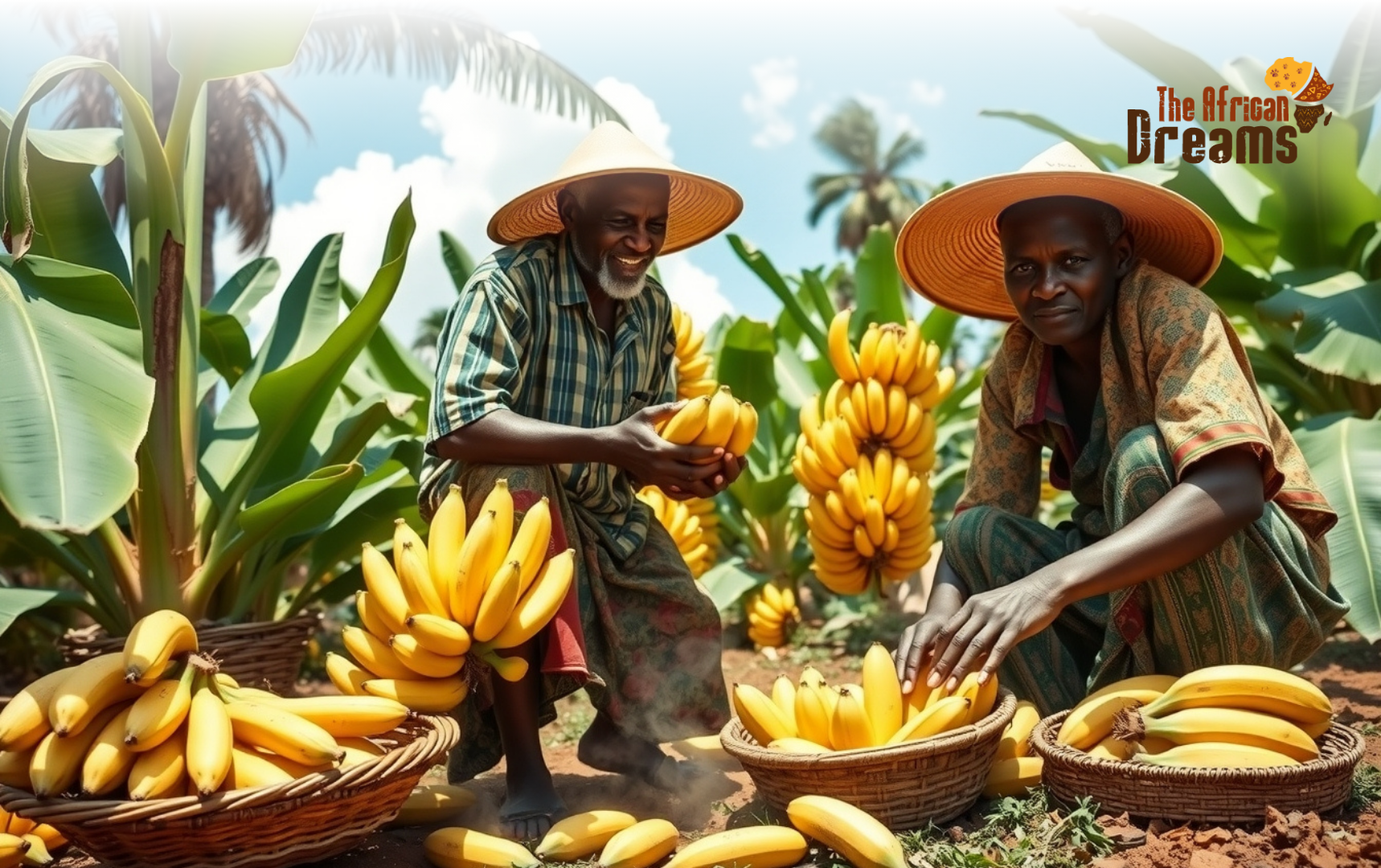
If you want to invest in agriculture, then Cameroon is the perfect option for you! Cameroon is a nation rich in agricultural productivity. A perfect place to start a business with Plantains/Bananas.
The Republic of Cameroon is a strategic piece of land in Central Africa. It has various types of crops. Farmers in Cameroon cultivate many crops such as cocoa, coffee, potatoes, cassava, and plantains. The crops provide sustenance and livelihood to millions. Bananas and plantains are Integral to food security and cultural identity. They are also part of the daily lives and traditions of the Cameroonian people. It represents a vital component of both rural and urban diets.
What Are Plantains?
Plantains and bananas, while similar in appearance, have distinct differences in terms of flavor, texture, size, and culinary uses. Plantains are typically larger than bananas and have a thicker skin. They are also starchier and less sweet compared to bananas, which are often eaten raw due to their natural sweetness and softer texture.
Plantains are usually cooked before consumption, regardless of their ripeness stage. They are commonly used in both savory and sweet dishes across various cuisines.
Where Are Plantains Grown?
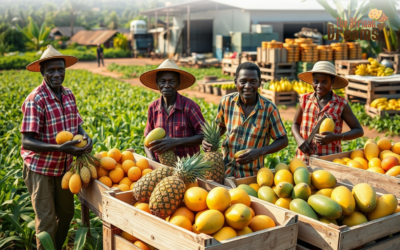
In terms of cultivation, both bananas and plantains thrive in humid, tropical regions. Plantains are primarily grown in Africa, including Cameroon, as well as in Colombia and other South American countries. In Cameroon, plantains are a key agricultural product, especially in regions like the South West, which is one of the major producing areas.
Plantains are grown in the southern and western parts of Cameroon. There, the soil and climatic conditions are ideal for their cultivation. These regions are crucial for the plantain supply in Cameroon, contributing significantly to both domestic consumption and export demands. The fertile soils in these areas support the extensive cultivation of plantains.
The soil makes Cameroon one of the leading producers globally. Bananas and plantains in Cameroon were introduced by European settlers to boost local food resources. Over the decades, these crops have transitioned from backyard gardens to a commercial agricultural landscape.
Current Status of Bananas and Plantains
Cameroon continues to be one of the world’s leading plantain producers with substantial annual output. The country’s production figures have shown some variability, with the most recent estimates highlighting a steady production with slight fluctuations in market demand and pricing. Today, Cameroon stands as one of the top banana-producing countries in Africa, as well as plantains.
In 2022, production reached a notable high with 878,280 tonnes. This shows a prominent growth fueled by governmental support and favorable climatic conditions. This growth is supported by Cameroon’s strategic position in the global banana market.
Export Data for Bananas and Plantains
The export scenario for Cameroon’s plantains is also evolving. The country has seen fluctuations in plantain prices, with the retail price ranging between US$1.91 and US$4.78 per kilogram as of July 2024. This variation in price points to market conditions that can affect export revenues.
Additionally, efforts to expand the production areas and improve farming techniques are ongoing. It is driven by both governmental and private investments. These developments aim to boost the production rate and quality of plantains. This will enhance export capabilities.
Cameroon’s plantain sector is particularly noted for its substantial export volumes to the European market. It is a cornerstone of the country’s export economy.
Challenges Faced by Cameroon’s Plantain/Banana Sector
Despite their economic importance, banana and plantain production face significant challenges.
- The Threat Of Diseases: The threat of diseases like Banana Bunchy Top Virus and Black Sigatoka constantly risks productivity.
- Environmental Challenges: Changing rainfall patterns and extreme weather conditions due to climate change also threaten crop yields.
- Socio-economic Issues: Furthermore, socio-economic issues such as labor disputes, land tenure problems, and insufficient infrastructural support complicate production dynamics.
- Price Volatility: The plantain market in Cameroon also faces challenges such as price volatility.
There is also a need for improved post-harvest handling to reduce losses. The market is expected to continue evolving with the implementation of advanced agricultural practices and potential increases in both domestic consumption and exports.
Opportunities
Cameroon is actively working to increase plantain production by establishing specialized production basins in key regions like Kribi. This initiative is designed to boost plantain output to meet domestic and international demand significantly.
- The government has announced plans to construct an industrial plantain processing plant in Pouma. This facility is expected to add value to the raw plantains produced. Turning them into processed goods that can command higher prices in the market and reduce post-harvest losses.
- Cameroon has hosted international festivals to promote plantain production, such as the one in Limbe, which showcased the plantain industry. These festivals are part of broader efforts to draw attention to the plantain sector and open new market opportunities.
- Cameroon’s banana and plantain industry is ripe with opportunities for growth and innovation. Recent advancements in agricultural technology, such as the introduction of disease-resistant plant varieties and precision farming techniques, offer potential solutions to current challenges.
- The government and various NGOs are actively promoting these innovations. They are aiming to enhance productivity and sustainability.
- International collaborations, like the partnership with Nigeria to boost plantain production, are also pivotal in opening up new markets.
Conclusion: The Future of Bananas and Plantains in Cameroon
Investing in Cameroon’s plantain and banana sectors is a smart choice for those looking to enter the agricultural market in Africa. These industries are not only important to the country’s economy but also show strong potential for growth and profitability.
The government of Cameroon is actively supporting these sectors through initiatives. The initiatives enhance production and market reach, making it an opportune time for investors to get involved. Advanced farming technologies and improved infrastructure are set to boost productivity and reduce losses. This further enhances the attractiveness of these industries.
By engaging now, investors have the chance to be part of a thriving market that promises good returns. And at the same time, they can support Cameroon’s agriculture’s sustainable development. This is an opportunity to invest in a sector that is both profitable and impactful. So, wait no further and invest now!
0 Comments