
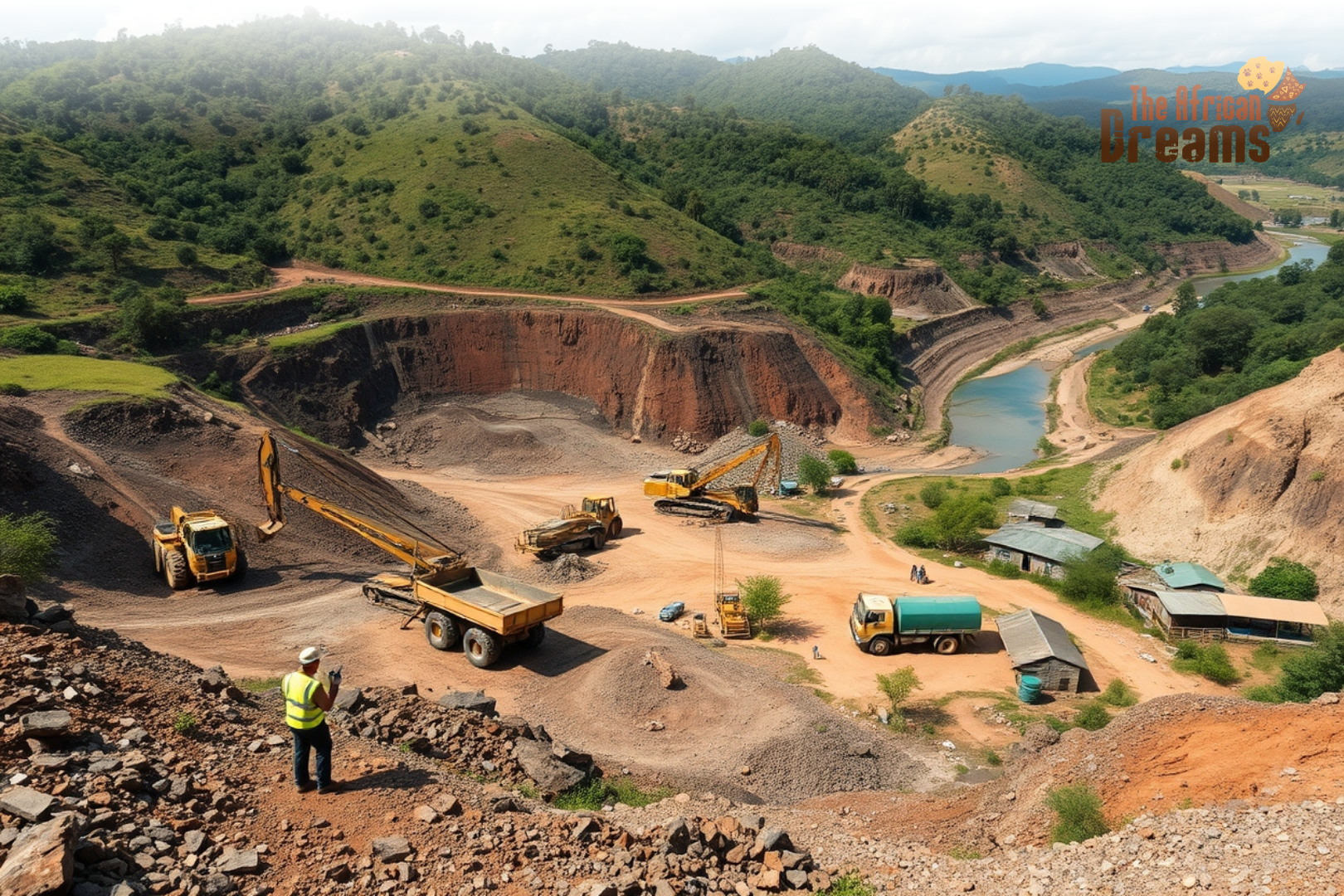
Introduction: Exploring Malawi's Mining Sector
Malawi is well known for its peaceful and friendly people, rich culture, and strong connection to farming, fishing, and tourism. For many years, farming, fishing, and tourism have helped support communities in Malawi. But quietly, another part of the economy is starting to grow—mining. Under Malawi’s soil, there are many valuable minerals that are becoming more important for the country’s future.
Minerals like uranium, coal, rare earth elements, and gemstones are found in different parts of the country. These resources are worth a lot and can help grow the economy. But mining isn’t just about digging things out of the ground. It needs clear rules, good planning, and strong leadership to make sure it helps the country without causing problems.
To manage this, the government has made laws and set up organizations to guide Malawi’s mining sector. These systems are there to make sure mining is safe, fair, and good for the people living near mining areas. They also help protect the land and water, which are important for everyone.
This blog will discuss Malawi’s mining sector, including why it matters, the legal framework, and reforms, steps to start a mining project, policy gaps, and what needs to change.
Article Highlights
Why Mining Matters in Malawi
Legal Framework and Reforms of Malawi’s Mining Sector
Supporting Legal Instruments
Regulatory Institutions and Their Roles
Key Challenges& Needed Reforms in Malawi’s Mining Sector
Mining Project Approval Process
Environmental and Community Protection & The Path Forward
Why Mining Matters in Malawi
Malawi has relied mostly on farming. Crops like maize, tobacco, and tea feed families and generate income for the country. But farming depends on the weather, and climate change is making it harder to predict rainfall or avoid droughts. This makes the economy weaker during bad seasons.
Malawi’s mining sector offers another path. Unlike crops, minerals do not depend on rainfall. If used wisely, they can bring money into the country, create jobs, and support development. Development in Malawi’s mining sector can also lead to building better roads, schools, and hospitals in places where mines operate.
One example of mining in Malawi is the Kayelekera uranium project. It showed that Malawi’s mining sector could work with international companies and bring in investment. But mining is not always smooth. If it is not well controlled, it can destroy forests, pollute rivers, and lead to disagreements over land.
That is why Malawi’s Mining Sector needs strong mining laws, clear policies, and institutions that can do their job well. When these are in place, Malawi’s mining sector can grow in a way that respects people, protects the environment, and brings long-term benefits.
Mining Laws in Malawi
A. The Old Law: Mines and Minerals Act of 1981
For a long time, Malawi’s mining sector used the Mines and Minerals Act of 1981. This law was made when mining was small and not very advanced. Because of that, it is now old and not very clear.
The law says that all minerals belong to the President for the people of Malawi. If someone wants to explore or mine minerals, they must get a license from the government. The Minister of Mines has the authority to give or take away mining licenses.
The Minister also signs agreements with companies, but there is no standard form for these deals, so things can be unfair or confusing. The law alone was not enough to protect the environment or landowners well.
The law has its own challenges. The Minister has to handle everything with his power without checks. There were no clear rules on how to choose who gets a license. It didn’t seem enough to protect the environment or local communities. Also, mining agreements were made on a case-by-case basis, which may seem unfair.
B. The New Law: Mines and Minerals Act of 2019
In 2019, Malawi made a new mining law to fix these problems. This new law explains clearly how to apply for licenses for mining or exploration. The Minister can still issue or cancel licenses, but must follow the law’s rules.
The new law better protects the environment. Mining companies must conduct an Environmental and Social Impact Assessment (ESIA) before starting operations. This checks how mining will affect people and nature.
The law also wants mining to be open and fair. People in the community can learn about mining activities and share their views. It supports small miners by giving them legal status. Mining companies must hire local workers and buy local goods to help the economy.
C. Other Important Laws in Malawi’s Mining Sector
Besides the main Mines and Minerals Act, several other laws are important because they help guide how mining is done safely and fairly in Malawi. These laws make sure mining respects the environment, land rights, water use, and government rules.
1. Environmental Management Act (2017): This law is about protecting nature while mining takes place. It requires every mining project to carefully check how it might affect the environment before starting. This process is called an Environmental and Social Impact Assessment (ESIA).
The law also gives the Environmental Affairs Department the power to watch over mining activities and stop pollution if it happens.
2. Land Act (2016): Mining often requires large tracts of land, and this law helps decide how land is used and shared. It protects the rights of people who own land and explains what should happen if their land is taken for mining. It makes sure that those affected are treated fairly and receive proper payment or compensation.
3. Water Resources Act (2013): Mining needs a lot of water and can sometimes harm rivers, lakes, or underground water. This is very important in Malawi because of the Malawi Water Crisis, where there is not enough clean water for many people. This law makes sure water is used carefully so it doesn’t run out or get dirty.
Miners must get permission before taking water or putting waste into rivers or lakes. This helps keep water safe for everyone, including farmers, fishers, and people living nearby.
4. Public Procurement and Disposal of Assets Act (2017): This law sets the rules for how the government buys goods and services needed in mining. It encourages open and fair competition, making sure contracts are given in a transparent way.
This reduces the chances of corruption and ensures the government spends money wisely.
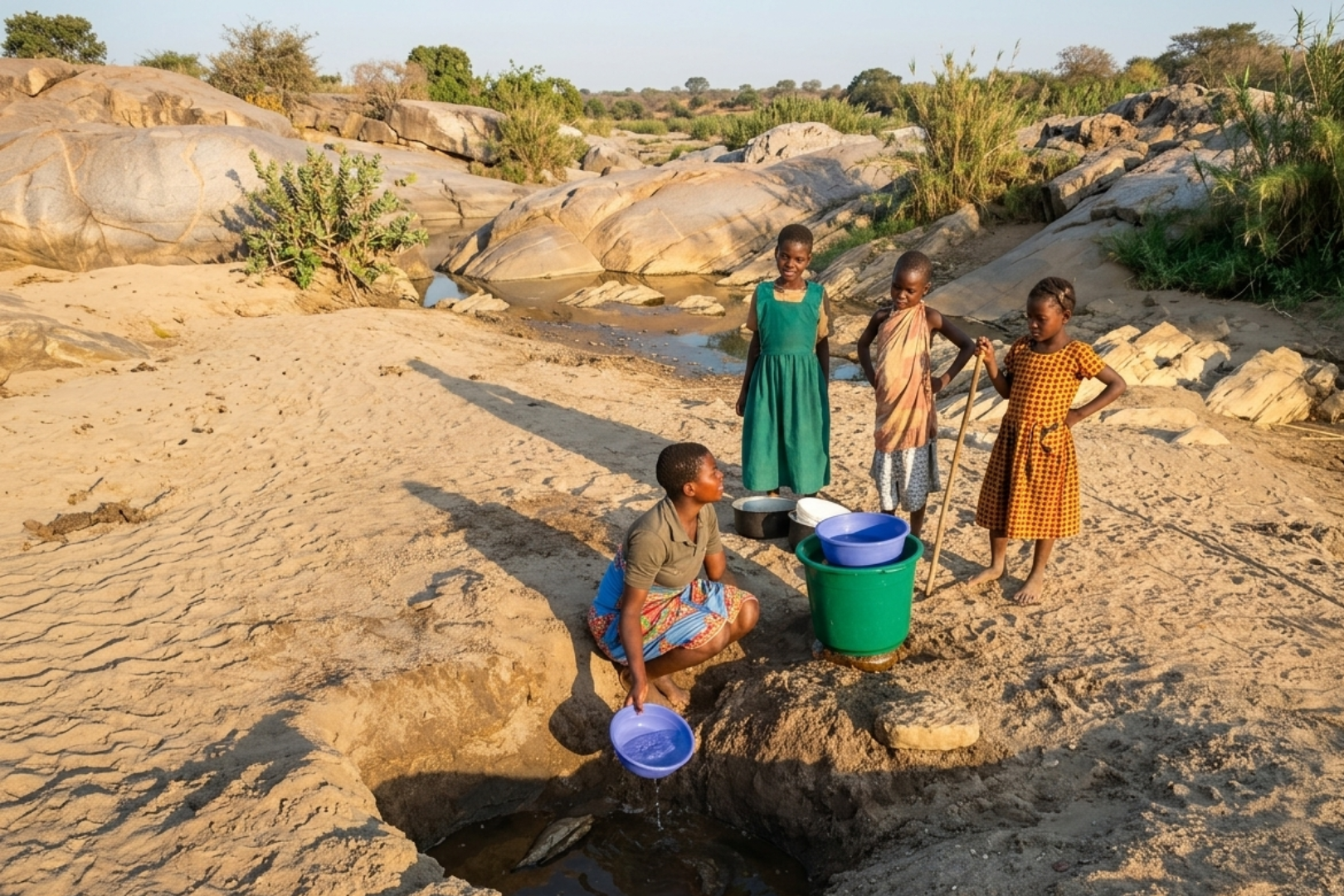
Figure: The Malawi Water Crisis | Cross Catholic Outreach
Weaknesses in the Current Law
1. Too much power in one office: The law gives a lot of decision-making power to the Minister, with little oversight.
2. No transparency: There are no clear rules on how to choose between competing applications.
3. Missing protections: There is little attention to environmental safety, community rights, or the needs of women and children.
4. No model agreement: Mining deals are made case by case, which can lead to unequal treatment of companies.
What Needs to Change
Reforming the law is essential to improve the development of Malawi’s mining sector. Modern mining laws in other countries include:
- Clear rules for applications
- Public input and transparency
- Environmental safeguards
- Model agreements to ensure fairness
- Better protection for local communities
Regulatory Institutions in Malawi’s Mining Sector
Mining is an important activity in Malawi, but having good laws is not enough. There needs to be strong institutions, government offices, and departments that ensure these laws are properly enforced.
There are several key institutions that are responsible for managing the mining industry and overall Malawi’s mining Sector. These institutions handle different tasks like receiving and approving mining applications, making sure mines follow safety and environmental rules, collecting payments like royalties, and providing important information, such as geological maps that help the government and investors make good decisions.
However, many of these institutions face challenges because they don’t always have enough people to do the work, and the tools or equipment they use are often outdated or not working well. Without strong institutions, even the best laws cannot be enforced effectively.
A. Challenges Facing These Institutions: There are many difficulties that Malawi’s mining institutions face.
- One major problem is that many positions remain vacant because there are not enough trained people to fill them. This means fewer staff members have to handle a lot of work, which can lead to mistakes or delays.
- In addition, some workers do not have the right skills or training needed for their jobs.
- Another challenge is that the equipment used to inspect mines or test minerals is often old, broken, or not available. This makes it hard to properly check if mining companies are following safety and environmental standards.
- Funding is also limited, so the institutions cannot carry out all the inspections and monitoring they should.
- Communication and cooperation between different government departments are sometimes weak, causing inefficiencies. Because of these issues, staff members often have too much to do and cannot monitor mining activities as closely as needed.
B. Why Strong Institutions Matter: Having strong and well-supported institutions is very important for the mining sector. When these institutions are weak or under-resourced, mining companies might ignore rules about safety, the environment, or fair payments. This can cause serious problems like pollution, destruction of land, unsafe working conditions, and harm to local communities.
If mining companies do not comply with the law, people living near mines may suffer health issues, lose their land without proper compensation, or miss out on jobs and other benefits.
On the other hand, when institutions are strong and work well, they can make sure mining is done in a way that protects nature, keeps workers safe, and shares benefits with local people.
For Malawi’s mining sector to grow responsibly and help the country’s economy, these government offices must have enough skilled staff, good equipment, and enough funding to do their work properly.

Figure: CMA: Malawi’s New Mining Regulator Speeds Up Projects
Steps to Start a Mining Project in Malawi
Starting a mining project in Malawi follows a clear process to make sure everything is legal, fair, and protects the environment.
- The first step is to apply for the right license from the Department of Mines. This license could be for exploring minerals or for actual mining.
- Before mining begins, the company must carry out an Environmental and Social Impact Assessment (ESIA). This study looks at how the project might affect the environment and the people living nearby.
- After completing the ESIA, the Environmental Affairs Department reviews it. If the report meets their standards, they issue an Environmental Certificate allowing the project to proceed.
- Next, the mining company must talk with the local community. These meetings help prevent misunderstandings and make sure people near the mining site know what to expect.
- Finally, once mining starts, companies have to pay taxes and royalties regularly to the Malawi Revenue Authority.
You can find details about investment opportunities in Malawi’s gold mining, Gold Mining in Malawi: Investment Opportunities, Regulatory Framework & Insights
Protecting Nature and Local People
Taking care of the environment and local communities is a very important part of Malawi’s mining laws. Malawi’s mining sector can be helpful for the economy, but if it is not done the right way, it can also cause big problems. These problems include pollution, damage to the land, and a lack of clean water for people and animals.
To prevent these problems, the law says that mining companies must follow certain rules.
- First, they must take good care of the land while they are mining. When they finish mining, they must clean up the area and return the land to a safe and useful condition. This is called land restoration.
- Mining companies must also make sure they dispose of waste materials in a safe way. They are not allowed to dump harmful chemicals or dirt into rivers, lakes, or the soil. They must also protect water sources so that people, animals, and farms can still use clean water.
- Another important rule is about respecting local communities. Companies must respect the rights of people who live near mining areas, especially landowners. If a company breaks these rules, it can be fined or lose its license to mine.
These laws help ensure that mining does not harm the environment or people and improve the development of Malawi’s mining Sector.
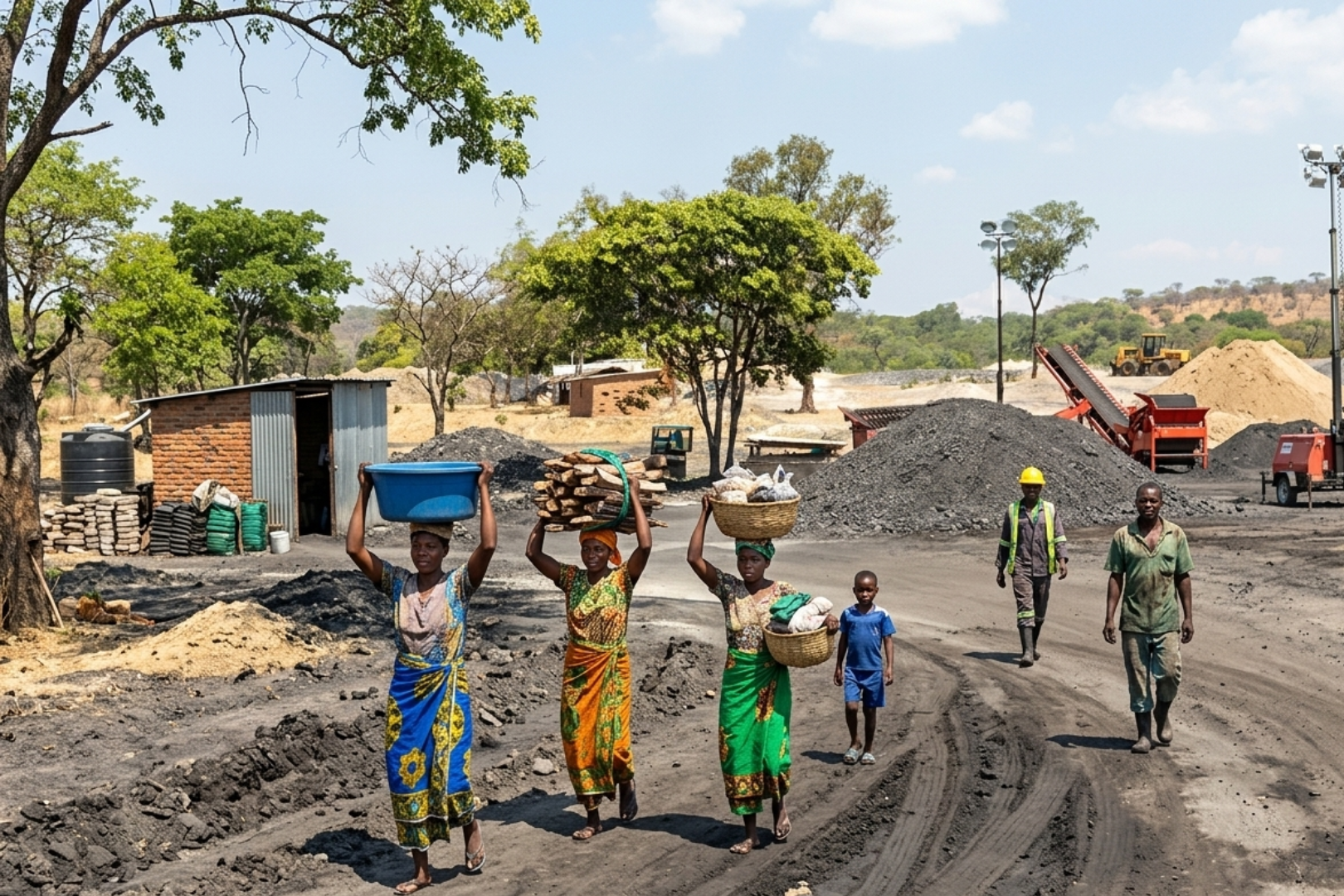
Figure:They Destroyed Everything”: Mining and Human Rights in Malawi | HRW
Policy Gaps in Malawi’s Mining Sector: What Needs to Change
Malawi’s Growth and Development Strategy highlights mining as important for the country’s future. But there is still a lack of a comprehensive national policy to guide Malawi’s mining sector.
Right now, it is unclear whether the government will invest directly in mining projects or only regulate them. The roles of different institutions and how communities should be involved in mining decisions are also not clear.
There are important policy questions that need answers, such as whether the government will participate as an investor, how people living near mines will benefit, and whether mining companies must hire local workers or use local services.
Other issues include what taxes and royalties mining companies will pay, how women and vulnerable groups will be protected, and whether local government offices can help manage small-scale mining.
Final Words: Malawi’s Mining Sector
Malawi’s mining sector, including minerals such as uranium, coal, rare earths, and gemstones, can help the country grow. They support local businesses, provide jobs, and help the government ensure more funding to improve services. But mining must be done in a careful and fair way.
Malawi’s mining sector has made good progress through the updating of its mining laws. These laws help protect the environment, landowners, and water sources. The country also has offices and institutions that check if mining companies are following the rules. However, these institutions often lack enough trained workers, good equipment, or funding. This makes it hard to monitor mining activities properly.
Malawi also needs a clear mining policy. This would help guide how mining grows, how the benefits are shared, and how the government makes decisions. It would make development fairer and more open, especially for people living near mining areas.
If Malawi’s mining sector is managed well, it can bring long-term benefits such as better roads, more jobs, and increased income for the country. To make the most of its mineral resources, Malawi’s mining sector needs strong laws, stronger institutions, and community involvement. This way, mining can help build a better future for everyone.
To learn more about Malawi’s mining sector, government initiatives, and its future contributions, you can read Growth of Malawi’s Mineral Sector.




0 Comments