
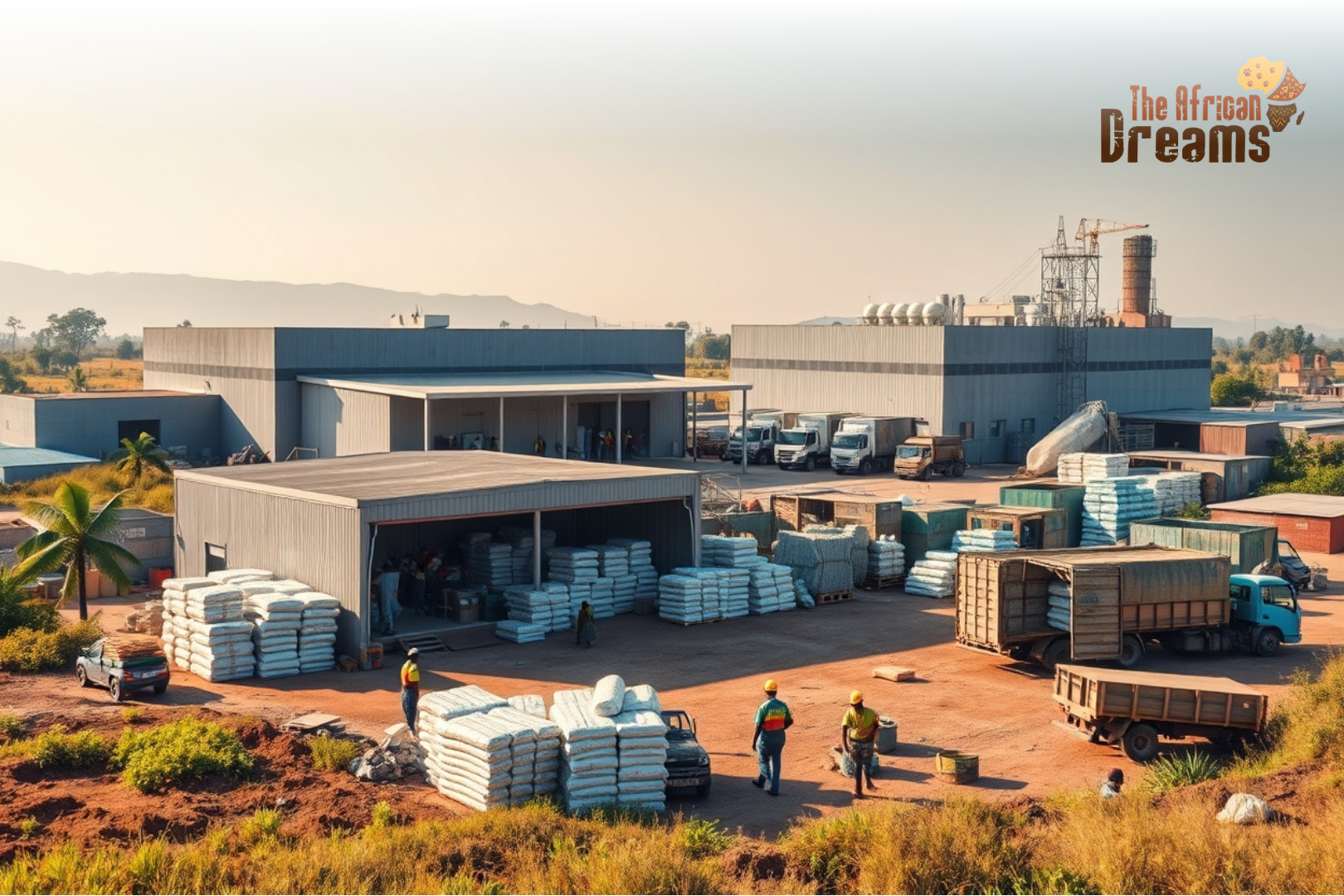
Introduction: Malawi’s Manufacturing Sector
Malawi is a country in southeastern Africa with many opportunities to grow its economy. One area that still has many sections to be developed is Malawi’s manufacturing sector. This means there is room for new factories and businesses that make products using local or imported materials.
Malawi has the potential that make it a good place to invest in manufacturing. It has natural resources like land and water, and a lot of people who are ready to work. The country is also located in a region where it can trade with nearby countries. This helps manufacturers sell their products across borders.
The government of Malawi also wants to grow the economy in more ways, not just through farming. They are trying to support industries such as food processing, clothing, building materials, and simple machinery. They want more people to start businesses in these areas.
For people who want to invest, this is a good time to look at Malawi’s manufacturing sector. Both local and international investors can find chances to start or grow businesses that make useful products for the local market and for export. Understanding how the manufacturing sector works in Malawi is important before starting a project. This helps investors make clear and careful choices. This blog will discuss Malawi’s manufacturing sector in detail.
Article Highlights
Untapped potential in Malawi’s manufacturing sector
Why invest in Malawi’s manufacturing sector?
Investment opportunities
Challenges to consider & their solutions
Why Invest in Malawi’s Manufacturing Sector?
Malawi has mostly depended on farming for many years. Most people grow crops like maize, tobacco, and tea. But now, the country is working to build more industries. This means Malawi wants to start making more products in factories. The goal is to reduce the number of goods it imports from other countries, create more jobs, and produce products it can sell to other countries.
Here are some clear and simple reasons why Malawi is a good place to start or grow a manufacturing business:
- Many People to Sell To — Both in Malawi and Nearby Countries
Malawi has more than 20 million people. This means there are many people who can buy goods made in the country. Malawi shares borders with Tanzania, Zambia, and Mozambique. These countries also have large populations that need goods. If someone sets up a factory in Malawi, they can sell products not just within the country but across the region as well.
There is also a major trade agreement in Africa, the African Continental Free Trade Area (AfCFTA). This agreement makes it easier and cheaper for Malawi to trade with other African countries by lowering tariffs on goods crossing borders. This gives manufacturers a chance to grow their businesses across the continent and invest in Malawi’s manufacturing sector.
- Natural Materials Are Already Available in Malawi
Malawi grows many crops like tobacco, tea, sugar, cotton, and groundnuts. These crops can be used to make other products in factories. For example, instead of exporting raw cotton, local factories can use it to produce clothing or other goods.
The country also has minerals like uranium, limestone, and gemstones. These materials can support industries that make cement, tools, tiles, or even jewelry. Instead of selling raw materials, Malawi has the opportunity to turn them into finished products domestically.
- Support from the Government for New Factories
The government of Malawi is trying to help businesses that want to start factories. It gives special support to investors in different ways. For example, people who bring in machines or tools for their factory work may not have to pay import taxes. Some businesses may also get tax breaks in their early years.
There are also places called Special Economic Zones (SEZs) where businesses can set up factories more easily. These areas are being developed to provide power, water, land, and other services that are needed for manufacturing. The rules in these areas are also made to be simpler for businesses to follow.
- Workers Are Available, and Wages Are Lower
In Malawi, many people are looking for jobs. Because of this, businesses that need a lot of workers can find the people they need. Also, compared to other African countries, the cost of hiring workers in Malawi is lower. This means companies can make their products without spending too much on labor.
This makes Malawi a good place for factories that need many hands, like those that make clothes, shoes, or food products.
- Roads, Railways, and Power Supply Are Getting Better
Malawi still faces some challenges with roads, electricity, and transport. But there are many projects going on to improve these things. For example, roads are being fixed and made wider to help trucks move goods more easily. Railways are also being worked on so goods can be moved by train.
One big project is the Nacala Corridor. This is a railway and road system that connects Malawi to the port of Nacala in Mozambique. This gives factories in Malawi a better way to send goods out to the rest of the world. It also helps bring in raw materials more quickly.
Upon discussion, it is clear that Malawi has made progress over the years. Investors can consider the facts before investing in Malawi’s manufacturing sector.
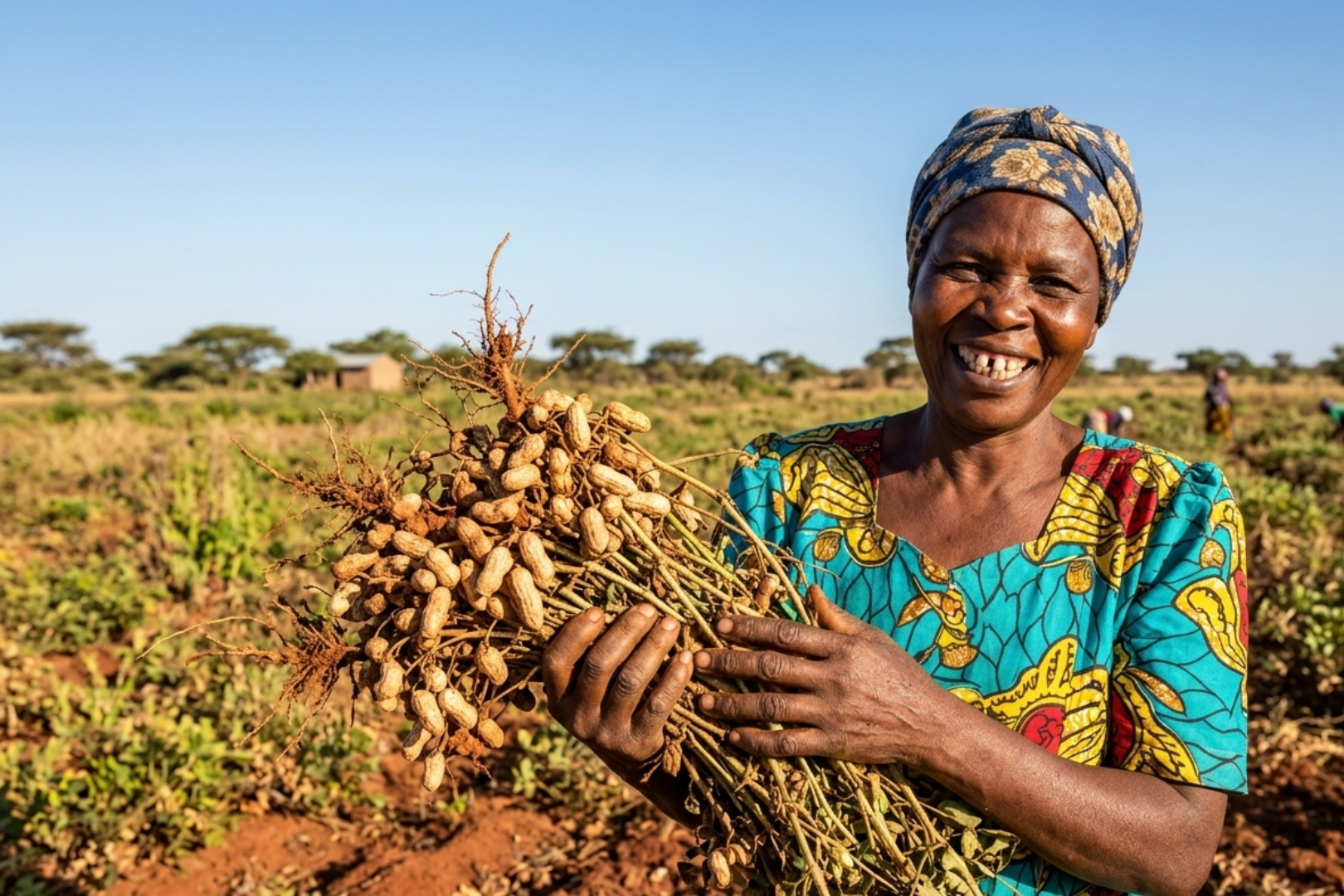
Photo: Pyxus Agriculture Malawi – Tobacco Reporter
Key Investment Opportunities: Malawi’s Manufacturing Sector
Malawi depends heavily on farming. Crops like maize, rice, cotton, tea, and sugar are grown in many parts of the country. However, most of these crops are sold raw to other countries. This means Malawi misses out on the chance to earn more money by processing these goods at home.
Building factories to turn these crops into finished products is a smart way to grow the economy, create jobs, and reduce the need to import everyday goods. Below, we will discuss some major investment opportunities in Malawi’s Manufacturing Sector.
1. Agro-Processing: Agro-processing means turning farm produce into food or other useful goods. In Malawi, this can include grinding maize into flour, making cooking oil from soybeans, or turning groundnuts into peanut butter. These products are always needed by local people and can also be sold to neighboring countries.
Tea, coffee, and sugar are other good examples. Malawi grows high-quality tea and coffee, but most of it is sold raw. If factories are set up to package tea into tea bags or process coffee into ready-to-drink products, more value stays in the country.
Sugar can also be used to make sweets or drinks. Agro-processing helps farmers earn more, creates factory jobs, and brings more goods into local markets.
2. Textiles and Garments: Malawi also grows cotton, but most of it is sent out of the country without being processed. This raw cotton can be turned into fabric or clothing in local factories. Right now, clothes and fabric are mostly imported.
By starting textile and clothing factories, Malawi could meet local demand and even sell to nearby countries. This would provide jobs to many people and help reduce the cost of clothing in Malawi.
3. Light Manufacturing: Malawi still depends on other countries for many basic household items. This includes plastic buckets, soap, wrapping materials, and cleaning items. These goods could be made in Malawi using simple machines and workers who are trained on the job.
Making such goods domestically would reduce import spending and lower prices for local buyers. It would also help small and medium businesses grow.
Paper and packaging materials can also be made locally, especially for use by shops, schools, and farmers who want to package and sell their products.
4. Construction Materials: As more people move to towns and cities, more buildings are needed. This means more houses, schools, and hospitals must be built. All of this construction requires materials like cement, bricks, roofing sheets, and metal tools.
Malawi has limestone, which is used to make cement. Setting up cement factories can support building projects. Metal products such as doors, window frames, and fences can also be manufactured in the country using locally available metal and machinery. These industries are important for supporting urban growth and creating long-term jobs.
5. Medical Supplies and Medicines: Malawi imports most of the medicines and medical items it uses. These include painkillers, antibiotics, gloves, masks, and syringes. Relying on imports weakens the health system, especially during emergencies when supplies can take a long time to arrive.
Local production of basic medicines and equipment can help the country respond better to health problems. It can also reduce costs and give more people access to treatment. This is a growing area where new businesses can make a real difference.
6. Renewable Energy Equipment: Access to electricity remains a challenge in many parts of Malawi. Many people still use firewood or charcoal for cooking, which harms the environment. There is strong demand for renewable energy products such as solar panels, rechargeable batteries, and energy-saving lights. These items are mostly imported, but they could be made or assembled in Malawi.
Producing clean energy tools locally can help more people get electricity and also support the growth of small factories and workshops.
Challenges in Malawi’s Manufacturing Sector
Malawi has many chances to grow its manufacturing industry, but there are also some challenges that investors and local businesses should be aware of.
1. Weak Infrastructure: Power cuts are common in Malawi. When electricity is not stable, factories cannot run properly. Roads in some areas are also in poor condition, which makes it hard to move goods quickly and cheaply. Since Malawi does not have a seaport, it relies on countries like Mozambique for imports and exports, which takes longer and adds extra costs.
2. Difficult Access to Finance: Many people in Malawi find it hard to get money to support their businesses. Interest rates are high, and it is hard to find investors willing to support small or new companies. Because of this, many good ideas never turn into real businesses.
3. Slow Government Processes: Starting a business in Malawi can take a long time. Registering a company, getting permits, or clearing goods at the border often moves slowly. Some people may also face corruption, where they are asked to pay extra money to get things done faster. This makes it harder for honest businesses to grow.
4. Lack of Skilled Workers: Even though labor in Malawi is affordable, many workers need training before they can work in factories. There are not enough people with technical or management skills, so businesses often have to spend time and money training their staff.
How to Start a Manufacturing Business in Malawi
Starting a manufacturing business in Malawi takes careful planning and knowledge of the local environment. While the country offers many opportunities, it is important to follow the right steps to make sure your business can run well and grow over time. Here are the main things you need to do to get started before investing in Malawi’s manufacturing sector.
1. Do Your Research: Before starting any business in Malawi’s manufacturing sector, it is important to understand what people need and what is already available in the market. You should find out which products are in demand and which ones are already being made by other companies. It also helps to look at how raw materials are sourced, how products are transported, and how they reach customers.
Talking to local business owners, farmers, and shopkeepers can give you useful information. If you are not from Malawi, working with someone from the country who knows the area well can help you avoid mistakes.
2. Find the Money You Need: Starting a factory or small production center usually requires a good amount of money. You may need to buy land, build a workshop, get machines, and hire workers. In Malawi, some people try to get loans from local banks, but the interest rates can be high, which means you have to pay back much more than you borrowed.
Another option is to look for help from the government or development institutions. Some of these organizations give support to businesses that want to create jobs or help the economy. You can also try to find a business partner, either from Malawi or from another country, who is willing to invest in your project.
3. Register Your Business Properly: To operate legally in Malawi, you need to register your business with the government. This means going to the Malawi Companies Registry and filling out the required forms.
You also need to get tax documents from the Malawi Revenue Authority. Depending on where your factory will be, you may need to apply for permits from the local council. These steps are important because without proper registration, you may face delays, fines, or problems with your business in the future.
4. Pick a Good Location: Where you set up your factory or workshop can make a big difference. Some parts of Malawi have better roads, electricity, and access to markets. Cities like Blantyre, Lilongwe, and Mzuzu are more developed and have more services and workers available. These cities also have industrial areas where it is easier to get land and connect to other businesses.
The government is also working on setting up Special Economic Zones. These are areas where businesses get help, such as lower taxes or easier rules. Setting up your business in such zones may make things smoother.
5. Work with Local People: It is often easier to run a business when you work with people who live in the area. You can buy materials from local farmers or traders, hire workers from nearby villages, and sell your products through shops and markets in Malawi.
Local partnerships also help you understand how things work on the ground. If you treat your workers and partners fairly, they are more likely to support your business and help it grow.
All these steps are important to thoroughly discuss before investing in or starting a business in Malawi’s manufacturing sector.
Success Stories: Malawi’s Manufacturing Sector
Some companies have already shown that manufacturing in Malawi can work successfully. For example, Illovo Sugar Malawi processes sugarcane that is grown in the country. This means the sugar is not just harvested but also turned into a finished product in Malawi before it is sold in local shops or sent to other countries.
Another company, Pyxus Agriculture, works with local tobacco and adds value to it before it is exported. Carlsberg Malawi is another example. It makes beer using maize and barley grown by Malawian farmers. Because they use local ingredients, they don’t have to depend as much on imported materials.
These businesses show that when the right steps are followed, it is possible to start and grow a manufacturing business in Malawi. It takes time, planning, and hard work, but it can also create jobs and support the local economy.
Final Thoughts: Malawi’s Manufacturing Sector for Your Investment
Malawi’s manufacturing sector is still growing, which means there is less competition and more space for new businesses. The country has useful raw materials, many young people ready to work, and some government support for investors.
At the same time, there are real challenges. Power cuts, poor roads, and slow government processes can make things difficult. But for those who plan well and are ready to face these problems, there is a chance to build a strong and lasting business.
With proper strategies with government support, improved infrastructure, public-private partnerships, and the help of local communities, Malawi’s manufacturing sector will continue to grow. Investment in this sector will be a great choice for local and global investors.
If you are looking for a place with room to grow and are ready to work through the challenges, Malawi can be a good option for your manufacturing investment.
To learn more about the reasons for investment in Malawi and its several sectors to invest in, you can read, Investment Opportunities in Malawi.





0 Comments