
Are you looking for investment opportunities in the gold industry? We’ve got you covered. Malawi, known as “The Warm Heart of Africa,” is gaining recognition for its growing gold mining sector. With a stable political environment and growing interest from international investors, Malawi offers exciting opportunities for those seeking investment opportunities in the precious metals market.
Today, we will explore the investment opportunities in Malawi’s gold industry, highlighting key factors that make it an attractive destination for investment. From regulatory frameworks to potential challenges and growth projections, we will provide valuable insights to help you navigate this burgeoning market effectively.
Stay tuned to discover how you can capitalize on investment opportunities in Malawi’s gold industry and reap significant rewards.
Overview of Malawi’s Gold Industry
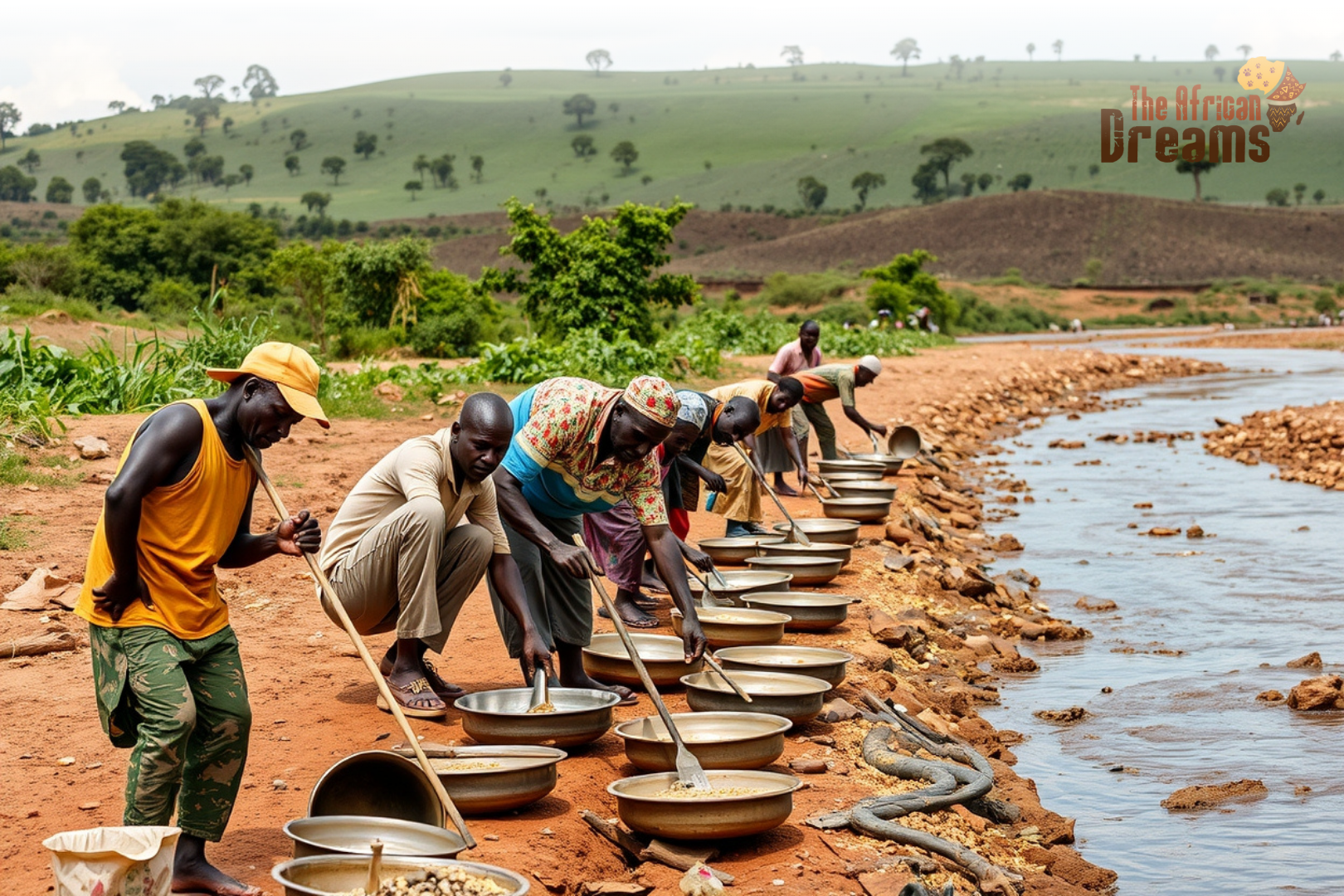
Malawi’s gold sector is small but on the rise. It relies primarily on artisanal and small-scale mining (ASM). And this type of mining is performed with basic tools and techniques. The majority of miners do not use machines.
Riverbeds, streambeds, and soil are also the home of gold. This is called alluvial gold. Silver downtown gold blocks are in Mangochi, Lilongwe, Kasungu, Balaka, and Machinga. Gold is also discovered in the Lisungwe Valley and the Unga River area.
More than 40,000 people are engaged in gold mining in Malawi. Most of them are women and youth. Mining helps them financially and allows them to feed their families. Most of the miners are impoverished and rely on the mining for their daily survival.
Such miners typically do not possess licenses. The mining operates informally and without regulation. This leads to issues such as unsafe working conditions and environmental damage. Rivers become polluted, and trees are cut down. Mercury, too, poses a health risk when used to clean gold.
Still, gold mining does alleviate poverty. It creates jobs and stimulates small businesses in mining regions.
Major Gold Producing Areas of Malawi
Malawi’s gold is mostly mined through artisanal and small-scale methods. Gold is found in riverbeds and soil, especially in rural areas. Many people rely on it for income.
1. Mangochi District: Mangochi is among the top gold-producing regions. Near rivers, mining is prevalent. Thousands of people sift for gold with simple tools. The activity has expanded rapidly over the past few years.
2. Lilongwe District: Gold can be found in areas like Nathenje and Chimutu in Lilongwe. These areas are very popular with small-scale miners. Much of the mining here is informal and unregulated.
3. Kasungu District: Another important gold area is Kasungu. Miners operate along riverbanks and dry stream beds, prospecting for gold with pans and simple tools.
4. Balaka District: The province of Balaka, particularly the Lisungwe Valley, is gold-rich. Both river and soil-based gold are mined in the valley. Many miners in this region operate in groups or family units.
5. Machinga District: There are also gold deposits in Machinga. However, mining takes place in rural areas of the district. It is largely artisanal and poorly regulated.
6. Nkhotakota District: Nkhotakota is an emerging area for gold mining. It has witnessed a rise in informal mining activity to collect gold from rivers and surrounding soils.
Reasons to Invest in Malawi’s Gold Industry
Malawi’s gold sector has significant growth potential and offers opportunities for investors. Here’s why it’s a good idea:
1. Untapped Gold Reserves
Malawi has large amounts of untapped gold reserves. The gold mining industry is in its infancy despite the country’s rich collection of mineral deposits. This enables investors to participate early in the sector’s growth and profit as the industry matures.
2. Growing Global Demand for Gold
Gold is one of the most wanted commodities in the world. It has always been the need of the hour, more so in times of economic issues. When demand increases globally, the price of gold also tends to increase, making it a solid and profitable investment.
3. Government Support for Mining
The Malawi Government is seeking to revitalize its mining industry. They have attempted to keep the investment environment more attractive and offered incentives to foreign investors. Such assistance creates and nurtures a safer, friendlier environment for businesses to thrive in the nation.
4. Strategic Location
Malawi is situated in the centre of Southern Africa with access to major regional and international markets. The country is well connected when it comes to transport and is close to ports, making it easier to export gold to international markets, especially in Asia and Europe.
5. Low Operational Costs
They are also cheaper to operate relative to other African countries, with lower labor and energy costs in Malawi. This enables companies to work more effectively and sustain increased margins. One of the greatest advantages of gold mining in Malawi is the relatively low cost of doing business, which attracts investors.
6. Improving Infrastructure
The fact is that Malawi is moving on to build its infrastructure. Facilities such as roads, power supply, and telecommunications are being developed and making it easier to do business. This progress will aid in scaling the mining industry by lowering run constraints and allowing for enhanced logistics efficiency.
7. Potential for Sustainable Mining
Sustainable and eco-friendly mining practices are gaining attention worldwide. With modern, environmentally responsible techniques, Malawi can build a gold industry. Such heat can appeal to foreign investors searching for sustainable ventures to invest in.
8. Diversification Opportunities
Investors can have a diversified portfolio by investing in Malawi’s gold industry. Mining in a developing country like Malawi gives exposure to a new market, diversifying from a more mature industry to a developing one, which brings down the risk, while you could earn outsized returns as the industry matures.
Opportunities for Growth of Malawi's Gold Industry
There are many attractive investment opportunities in Malawi’s gold sector. Here are the key points for would-be investors:
1. Exploration and Mining: Malawi is also blessed with untapped gold reserves. The country’s mining sector is still nascent, with plenty of exploration opportunities. Investors can benefit by finding new gold deposits and developing mining operations.
2. Gold Processing: Processing gold from raw form to refined pure gold. With the growth of the gold mining industry, there is a need for improved and more efficient processing techniques. Processing facilities become necessary to satiate this demand and increase profitability. Investors can look into this opportunity.
3. Supporting Infrastructure: Infrastructures such as roads, power supply, and communications are being improved in Malawi. Investing in infrastructure projects, such as roads or energy supply, that will be needed to support mining operations can provide high returns as the industry grows.
4. Sustainable Mining Technologies: As the world looks towards sustainability, in the field of mining, green mining technologies have come into demand. It is noteworthy that green mining methods can enhance mining efficiency. Hence, investors can contribute to and benefit from the development of such technologies in Malawi.
5. Gold Trading and Export: Its strategic location in Southern Africa enables access to global markets. Investing in gold trading and export businesses can be very lucrative, especially with the high demand for gold globally. The country is a trans-shipment hub for gold export to Asia and Europe, a boon for investors.
6. Local Partnerships: Investing in Malawi’s gold industry can also be smart by forming partnerships with local businesses or the government. The government is eager to attract foreign investment and is offering incentives. Working with local partners can provide valuable insight into navigating the market.
Malawi Gold Industry Trend in 2025
Malawi has great potential in its gold industry by 2025. This positive outlook can be attributed to a number of key factors.
1. Growth in Gold Production: Gold production in Malawi is forecast to grow by 6% in 2025. Because of better mining technology and the investment in it. The government has simplified the process of obtaining mining licenses for firms, resulting in increased exploration activities.
2. Increased Gold Exports: Malawi’s gold exports are projected to rise 8% in 2025. Most of these shipments would continue to the UAE, a significant partner in previous years. Higher shipments were attributed to an increase in foreign demand for gold.
3. Investment in Mining Projects: Foreign direct investment (FDI) into the gold sector is on the increase. In 2025, the Reserve Bank of Malawi estimates that investment in the mining sector will rise by 7%. African Gold Group and other international companies are launching new gold mining projects. Those investments will serve to grow both production and sales.
4. Government Support and Policies: The Gold sector has also received policies that support mining, with the Malawian government supporting it. The regulatory framework is stable, which has increased investor confidence, the government has said. In 2025, the government aims to provide incentives to small-scale miners, which could boost gold output by another 3%.
Government Initiatives in Malawi's Gold Industry
The government of Malawi has made efforts to reform and regulate the gold mining industry to improve transparency, increase economic gains, and guarantee sustainable practices. Key measures include:
1. Creating a Structured Gold Market: These include the establishment of a structured market for gold by the Reserve Bank of Malawi (RBM) in May 2021. This effort was an effort to provide an avenue for artisanal and small-scale miners to sell their gold at internationally accepted prices, and aimed to curb smuggling and underpricing concerns.
2. Imposition of an Export Ban on Minerals: In mid-February 2025, Malawi instituted an immediate, indefinite ban on the export of gemstones and precious minerals. This was to reform the mining sector by improving efficiency and transparency in mineral rights administration. To collect overdue taxes and royalties from foreign companies, the government also began a review of existing mining contracts.
3. Closure of Illegal Mining Operations: The government acts decisively against illegal mining. In April 2024, for example, the alluvial gold mining activities in Zomba District were brought to a stop following reports of compliance issues like exploitation, environmental degradation, and unlicensed foreign miners. Mining Minister Monica Chang’anamuno said the industry needs to be regulated until no minerals are being extracted without proper oversight.
4. Improving Governance of the Mining Sector: The 2023 Mines and Minerals Bill enacted many major reforms, including the establishment of an independent Mining and Mineral Regulatory Authority. Its responsibilities include granting mining licenses, inspecting mining activity, and advising the government on policy to ensure such activity is of sustainable benefit to the nation.
5. Promotion of Transparency and Accountability: The government has urged increased transparency and accountability in the exportation of minerals. This encompasses measures against illegal mining, smuggling, and corruption, as well as investment in training and education to empower local communities so that mining activities will be a positive contribution to the development of the country.
These initiatives demonstrate Malawi’s dedication to restructuring its mining sector, making certain that the extraction of gold and other minerals supports long-term economic development and benefits the people of Malawi.
Conclusion
Malawi’s gold industry offers many investment opportunities for diversifying portfolios and capitalizing on the global gold market. As the gold sector in Malawi has significant potential and benefits for investors, it is crucial to understand market opportunities. Upon proper research and understanding of the market demand, it is possible to grow in this industry and earn higher profits. With the supportive Malawi government and local communities, it would be easier to explore this industry by following laws and regulations properly and understanding the ownership and heritage of the locals. So, as an investor, gold mining is a great opportunity to contribute to the country’s development while also developing these gold mining areas yet to be explored.





0 Comments