
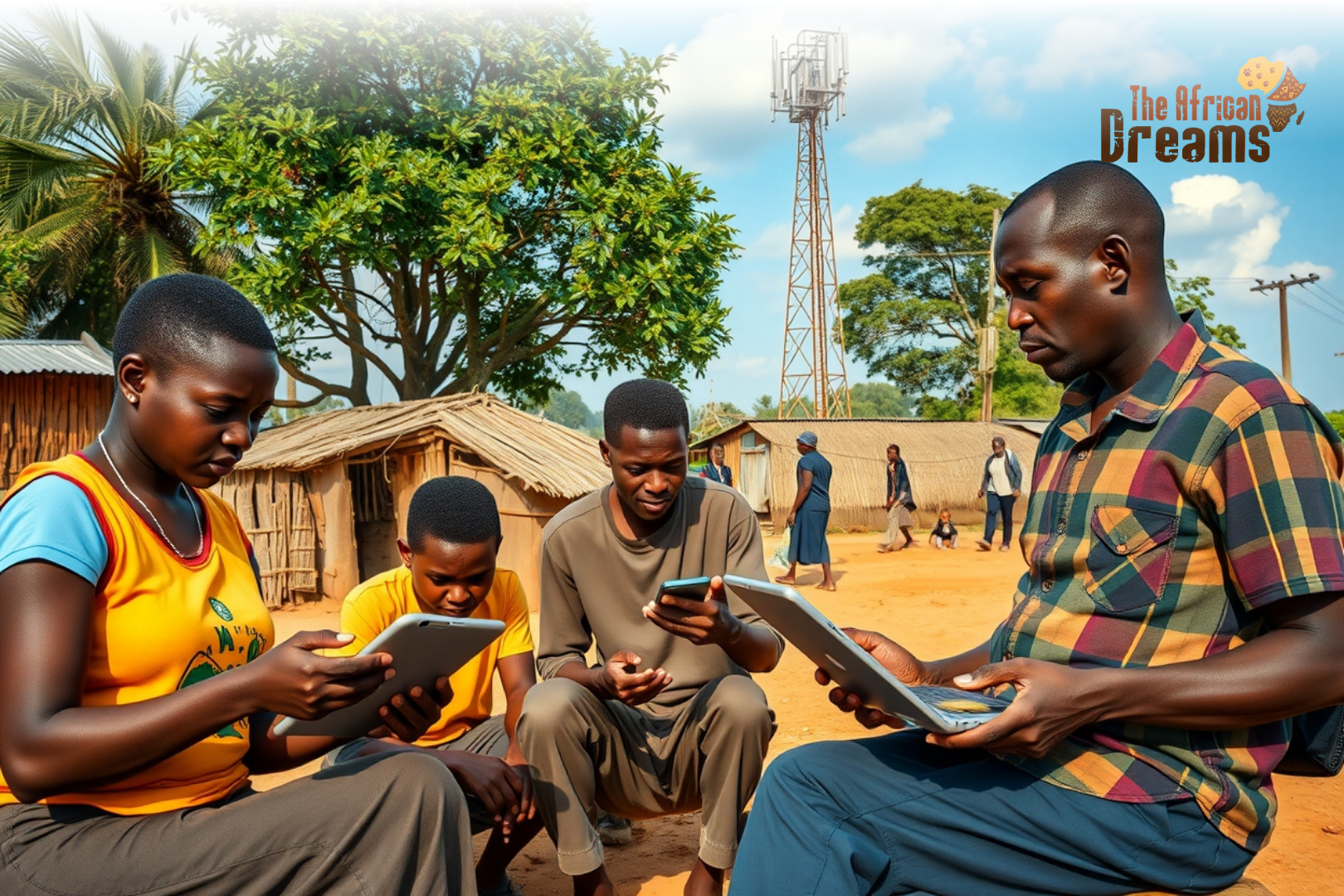
Introduction
Malawi is a country full of beauty, friendly people, and strong communities. From the shores of Lake Malawi to the rolling hills, life here has a gentle pace. But now, something new is starting to grow—something that could change the way people live, work, and learn. That something is technology.
In the past, Malawi has faced many challenges when it comes to things like internet access, electricity, and digital tools. Many people still live without fast internet or regular access to computers. But even with these challenges, Malawi is slowly moving toward a future where digital tools are part of everyday life.
This change is not happening overnight. It’s not about using fancy words or making big promises. It’s about taking small steps that really matter. It’s about making life easier for students, farmers, shop owners, health workers, and many others. This article looks at how Malawi is starting to go digital, what’s already happening, and how this journey could help people all across the country.
Article Highlights
Malawi is starting to use more technology
Technology can help everyone in daily life
Internet access is growing, but is still limited
The government is supporting digital progress
Young people and startups are leading innovation
Challenges remain
Digital tools can change life for the better
What Malawi needs next
A digital future is possible
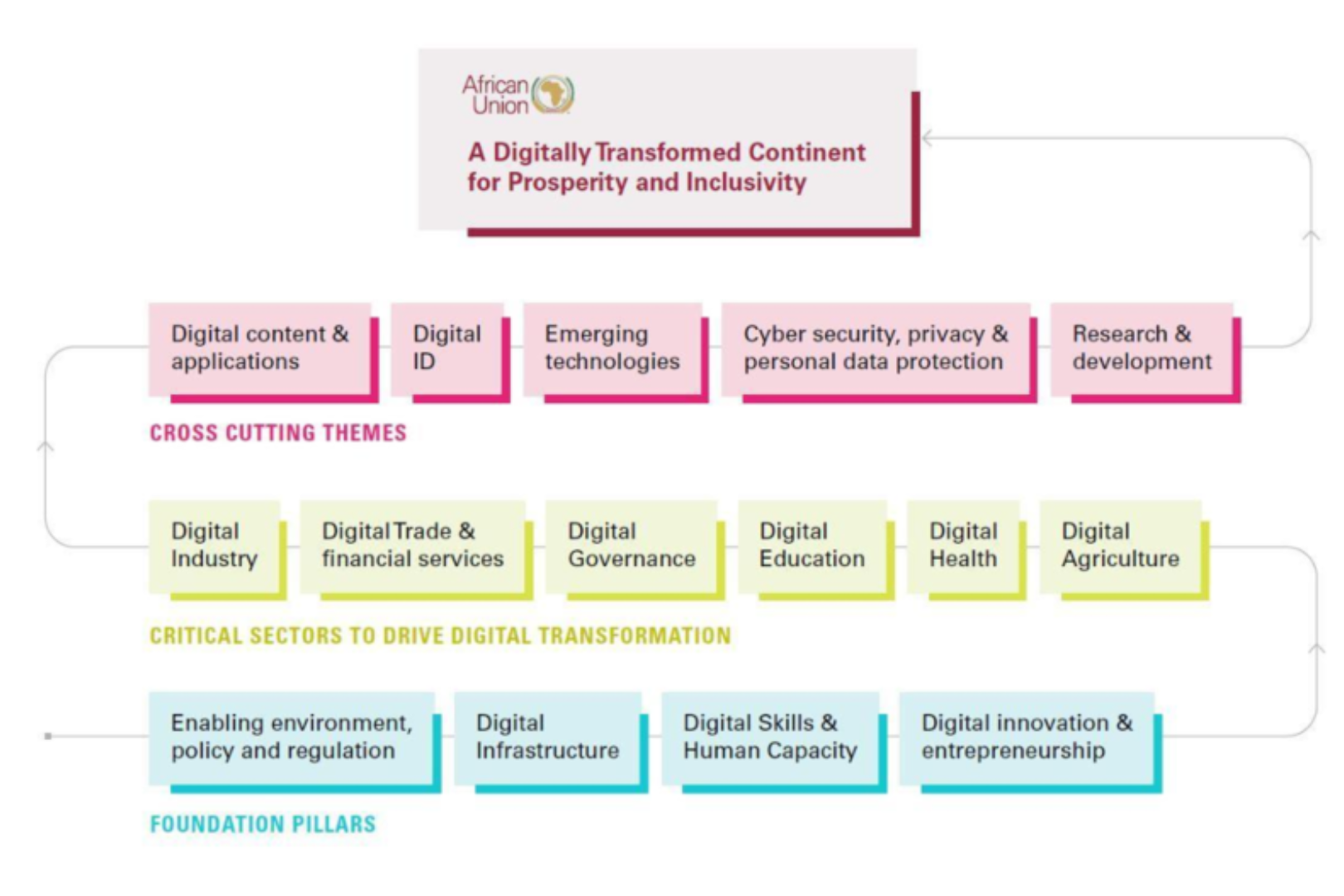
Photo: Africa Union’s Digital Transformation Framework
Why a Digital Future Matters for Malawi
Technology is not just for big cities or wealthy countries. It can help people everywhere, including in Malawi. A digital future could bring significant changes that make daily life easier, especially in areas like learning, working, health, and communication.
1. Getting Information More Easily: One of the biggest benefits of technology is how it can improve access to information. Currently, many people in Malawi rely on radio broadcasts or word of mouth for news and updates. While these methods work, they can often be slow or incomplete. With better internet access, people could get the information they need faster.
For example, farmers could check weather forecasts before planting or harvesting crops, students could read books online or watch educational videos, and business owners could learn new skills, understand market prices and find new ways to improve their businesses. Having easy access to reliable information could help people make better decisions in their everyday lives.
2. Improved Public Services: Another important benefit of a digital future is the improvement of public services. Right now, many services in Malawi are still handled through paperwork, which can be slow and inefficient. People often have to travel long distances and wait in line to access things like IDs, land documents, or medical records.
Moving these services online would allow people to apply for important documents from the comfort of their homes, without the need for long journeys. Health records could be stored digitally, making it quicker for doctors to access patient information when needed.
Mobile banking services could make it easier for people to save, send money, or access financial services without needing to visit a bank branch. These improvements would save time, reduce stress, and ensure people get the services they need more efficiently.
3. New Opportunities for Jobs and Business: The internet can also bring new job opportunities and business ideas. With access to the right tools and a reliable internet connection, many young people in Malawi could find work online. Some could work as writers, graphic designers, or customer support agents for companies based in other countries. Others might start their own businesses, selling goods like clothes, crafts, or farm produce through online platforms like social media.
Entrepreneurs could even launch tech businesses that focus on providing services like phone repairs or developing apps for local needs. These kinds of opportunities don’t require a large office space or a lot of startup money—just a computer or smartphone and a good internet connection. This could open up a world of possibilities for people, especially young people, to create and grow businesses.
4. Improving Everyday Life Without Losing Traditions: A digital future for Malawi isn’t about abandoning traditional ways of life. It’s about using technology to enhance and complement what already works. Technology can help people stay connected to their communities, improve education and healthcare, and offer new business opportunities, all while staying true to the values and culture of Malawi. The key is to make sure that everyone has the chance to benefit from this digital shift, no matter where they live or what resources they have.
By embracing digital solutions, Malawi has the opportunity to build a future where technology plays a supportive role in making life easier and more connected for everyone.
Current State of Digital Growth in Malawi
Malawi is slowly but surely moving toward a more connected, digital future. While the country’s internet access is still growing, there has been steady progress in recent years. Around 20-25% of people in Malawi currently have access to the internet, mostly through mobile data. While this number is still low compared to some neighbouring countries, improvements are being made, and many people are beginning to experience the benefits of a more connected world.
Expanding Mobile Connectivity
One of the most important changes in Malawi’s digital landscape is the improvement in mobile connectivity. Mobile networks, especially TNM and Airtel, have been working hard to expand their coverage, even in rural areas where connectivity was once limited. This has allowed people in more remote parts of the country to access the internet and mobile services.
Affordable smartphones have also played a big role in this change. More and more Malawians are now able to buy inexpensive smartphones that allow them to go online, access social media, check the news, and use various apps. In addition, mobile data bundles are becoming more affordable, which makes it easier for people to stay connected without spending a lot of money. These steps are helping more people get online and be part of the digital world.
Government Efforts to Support Digital Growth
The Malawian government has also shown a strong interest in supporting digital growth in the country. Through various initiatives, the government is working to improve internet access, make services more efficient, and help businesses grow.
One important project is the National Fiber Backbone Project, which aims to make the internet faster and more reliable throughout Malawi. This project is essential because faster and more reliable internet will make it easier for people to access online services and for businesses to expand. It will also support other digital projects, like education and healthcare.
The government has also introduced E-Government Services, which make it easier for Malawians to access government services online. People can now apply for things like IDs, permits, and pay taxes without needing to visit government offices. This saves time and reduces the need for long travels, especially for those who live far from city centers.
Innovation and Startups
Malawi’s young entrepreneurs are also playing an important role in the country’s digital growth. Many startups are developing innovative solutions to local problems, using technology to improve everyday life.
For example, in the agriculture sector, some entrepreneurs have created AgriTech apps that help farmers by providing them with useful information like market prices for their crops and farming tips. These apps help farmers make smarter decisions, leading to better harvests and improved incomes.
Another important area of development is in financial services. Many people in Malawi still do not have access to traditional banking services, but mobile money services have made it easier for people to send and receive money using their phones. This has been especially helpful for people in rural areas who may not have a nearby bank, allowing them to make payments, save money, and even access loans without leaving their communities.
Challenges to Digital Progress
Malawi is making progress toward a digital future, but there are still several challenges that need to be overcome for the country to fully benefit from technology. While things are moving in the right direction, understanding these obstacles will help to see what needs to be done next.
1. Limited Internet Access: One of the biggest challenges is limited internet access. In many rural areas of Malawi, there is either a very weak or no internet connection at all. Even in places where the internet is available, the cost of data is high. For many low-income families, this makes it difficult to stay connected.
Without affordable internet, people miss out on opportunities like online learning, accessing important information, or using digital services. This lack of access means that a large part of the population is not able to fully participate in the digital world, which slows down the country’s overall progress.
2. Low Digital Literacy: Another challenge Malawi faces is low digital literacy. Many people, especially in rural areas, have never been taught how to use digital tools like computers and smartphones. For most, the internet is still something they don’t know how to use beyond basic functions like making calls or texting.
There is a need for more training programs to teach people how to use digital tools effectively. Schools and community centers could help by offering digital literacy programs, which would teach everyone, from students to farmers, how to use smartphones, computers, and the internet for everyday tasks.
3. Poor Infrastructure: The country also faces infrastructure problems that make it difficult for people to use digital services. Electricity blackouts and unreliable power sources often interrupt the internet connection. Slow internet speeds and poor network coverage make it harder for people to access websites, use apps, or download information quickly.
To fully benefit from a digital future, Malawi needs stable electricity and faster internet connections. Investing in better infrastructure is necessary to ensure that people can use digital tools without disruptions.
How a Digital Malawi Could Change Everyday Life
Despite these challenges, a fully digital Malawi has the potential to transform everyday life for ordinary people. If these hurdles can be overcome, the country could see improvements in many areas, from education to healthcare to business.
1. Education: A digital Malawi could have a huge impact on education. Students in remote areas who may not have easy access to schools could take advantage of online lessons and digital libraries. Teachers, too, could use digital tools to track attendance, manage grades, and share resources with their students more efficiently. The internet could connect students to a wider world of knowledge, allowing them to learn things that might not be available in their local schools.
2. Healthcare: In healthcare, digital tools could bring doctors and patients closer together. Telemedicine—a way for doctors to consult with patients over the phone or through video calls—could be a game-changer for people who live far away from medical centers. Instead of travelling long distances for a consultation, people could speak to a doctor from their home.
Digital health records could also reduce mistakes and make it easier for doctors to find the information they need quickly, leading to better treatment and faster care.
3. Business and Farming: In business, a digital Malawi could open up new opportunities for small traders and farmers. Small business owners could use the internet to sell products online, whether it’s through local e-commerce platforms or social media. This would allow them to reach more customers, even those outside their local area. Farmers could also benefit from digital tools.
Using apps, they could get real-time weather updates, track soil conditions, and find the best prices for their crops. This would help them make better decisions, reduce waste, and increase their earnings.
4. Government Services: In government, digital systems could make applying for documents like passports, business licenses, and other official paperwork much faster. With online systems in place, people wouldn’t have to travel to government offices and wait in long lines. This would save time and make government services more accessible to everyone, even those who live in remote areas.
Additionally, digital tracking could improve transparency, making it easier for citizens to see how government services are being managed and where their money is going.
Next Steps for the Future
To build a successful digital future, Malawi needs to take a few important steps.
- First, the internet must be made more affordable. Lowering data costs and improving coverage in rural areas will help more people connect to the digital world.
- Second, digital skills training is crucial. Many people need to learn how to use technology safely and effectively. By offering training in schools and communities, more people will be able to take advantage of the internet and digital tools.
- Third, supporting local tech solutions is important. Encouraging startups that address Malawi’s unique challenges will create solutions that work for the country’s needs, helping people in everyday life.
- Finally, reliable electricity and improved infrastructure are needed. Without stable power and better internet connections, digital growth will be difficult. Investments in these areas will help make the digital world accessible to everyone.
Final Words
Malawi’s move toward a digital future is not about becoming a technology hub overnight. It’s about making slow and steady progress so that technology becomes a regular part of life for everyone. This change will take time and effort, but it is a realistic and achievable goal.
By focusing on reducing internet costs, providing digital skills training, supporting local tech solutions, and improving infrastructure, Malawi can move closer to a future where technology makes life easier, fairer, and full of new possibilities for all. With the right investments and support from the community, Malawi can create a future where digital tools help people in real, practical ways.
Even though the journey ahead may be long, it is worth taking. The steps to a digital future may be small at first, but over time, they will lead to big changes that benefit everyone in the country.






0 Comments