
Introduction
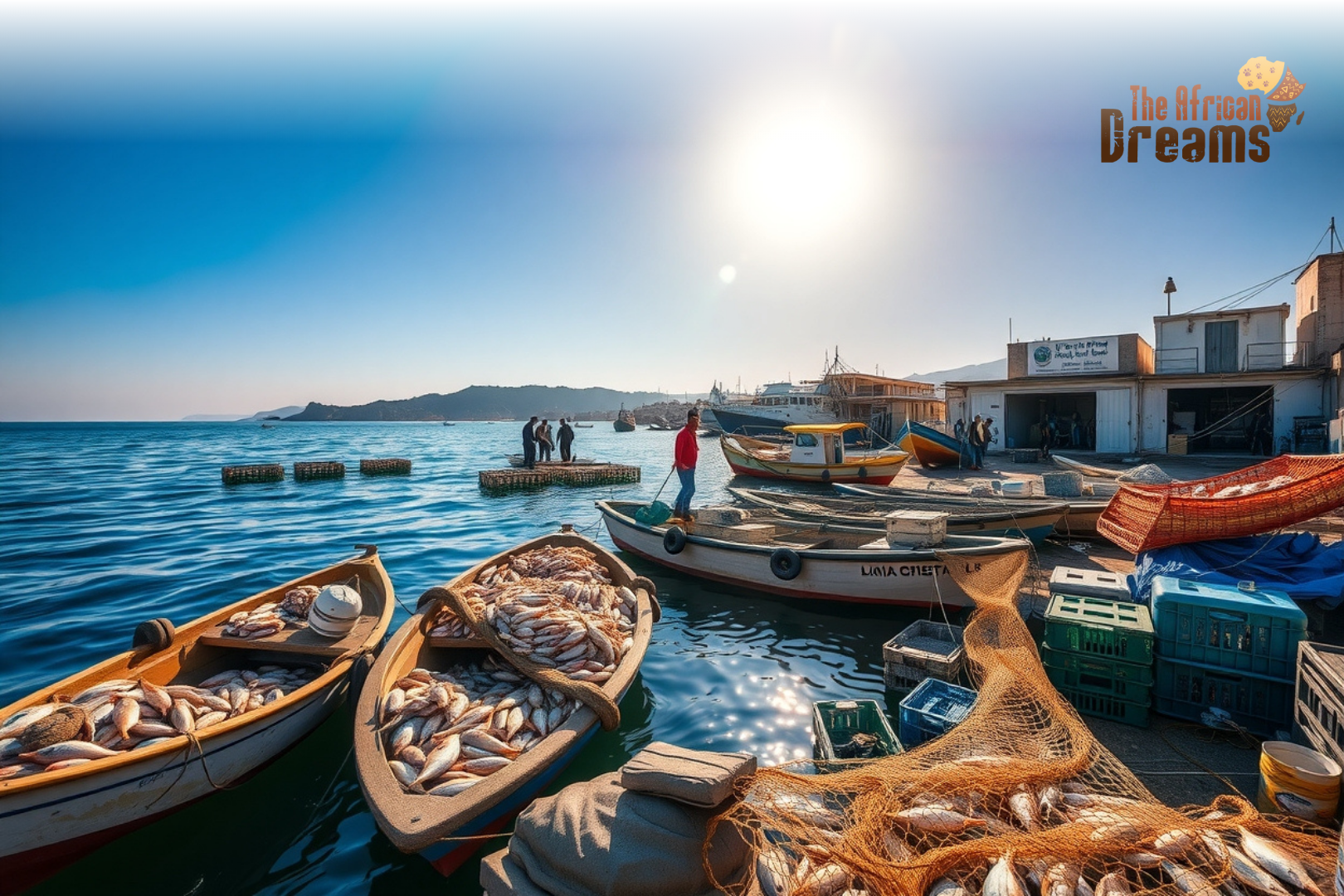
Libya has a very long coastline with rich marine resources. The country’s waterbodies are full of fish, and the fishing sector is slowly growing. Many people in coastal areas work in the Libya fisheries industry, but there is still a lot of space to grow. The government now wants to improve aquaculture in Libya and expand fish farming to produce more seafood for export in the future. This is a great time for investors to look at the fishing business in Libya.
Right now, fishing is done in simple ways. Most boats are small, and tools are old. There are not enough cold storage units, fish factories, or big fish farms. Because of this, a lot of fish go to waste or are sold for low prices.
But things are starting to change. The government is trying to bring new ideas and better systems. The government of Libya is planning to train workers and build more fishing ports. These steps can help the sector grow very fast.
With the North Africa aquaculture market growing each year, Libya can become a strong seafood supplier in the region. The country’s location is also good for exporting fish to Europe, the Middle East, and Africa. For investors, this means there are significant opportunities to grow and earn steady profits in the future.
Current State of Libya’s Fisheries and Aquaculture Industry
A. Fishing Along the Libyan Coastline
Libya has a very long coastline of about 1,800 kilometres along the Mediterranean Sea. This gives the country a lot of space for fishing activities.
B. Types of Fish and Marine Life
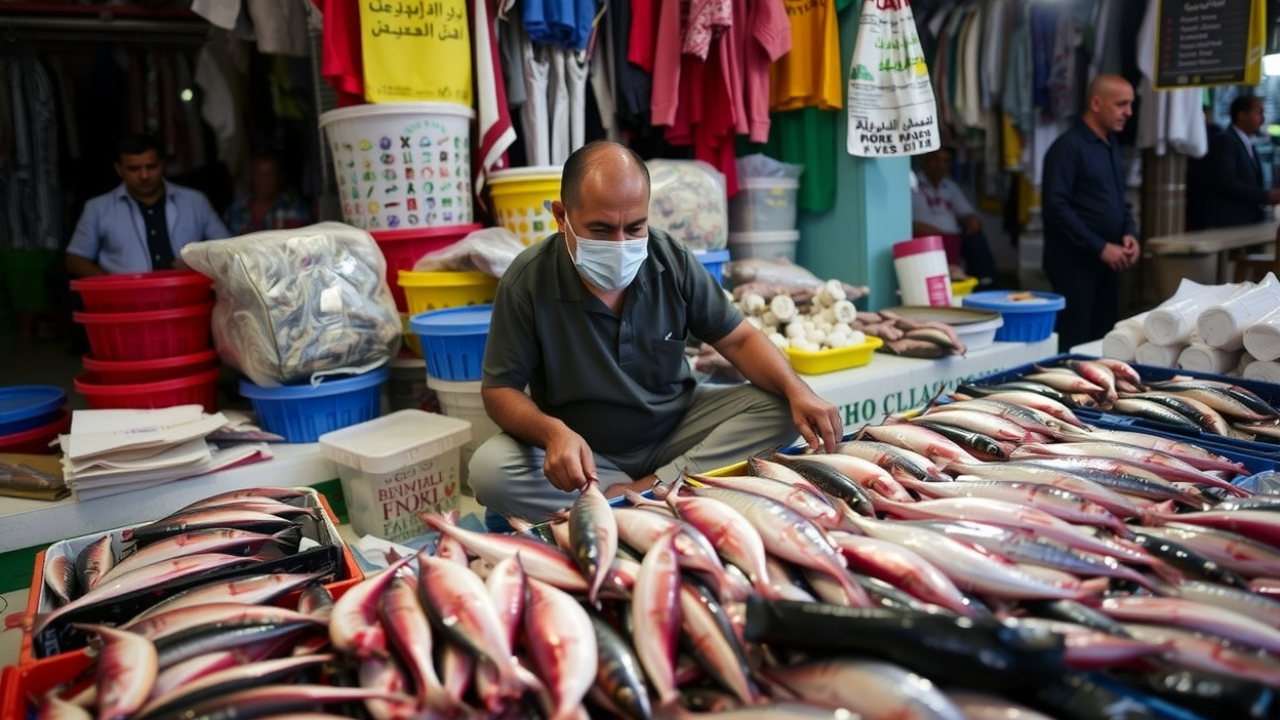
The waters near Libya have many kinds of fish. Sardines, tuna and groupers are the most commonly found fish in Libya. These fish not only support local families in Libya but also its economy. These fish are one of the main export products of Libya.
C.Traditional Fishing Practices
Most fishing in Libya is done using small boats and simple tools. Fishermen often use nets and lines to catch fish near the shore. This way of fishing has been used for many years.
D. Small-Scale Aquaculture Activities
Aquaculture, or fish farming, is still very small in Libya. In 2016, aquaculture production was reported at 10 metric tons. This shows that fish farming is not yet common in the country.
Problems in Libya’s Fisheries and Aquaculture Industry
The fishing industry in Libya faces many challenges:
- Old Boats and Tools: Many fishing boats are very old and need repairs. The equipment used is also outdated, making fishing less effective.
- Lack of Cold Storage: There are not enough facilities to keep fish cold after catching. This leads to fish spoiling quickly and big losses.
- Limited Processing Facilities: There are few factories that process fish into products such as fillets or canned fish. This limits the value that can be added before selling.
- Low Investment: There has been very little investment in the fishing sector. This means less money for improvements and growth.
The fishing industry of Libya has big potential. With the right investments and improvements, it can grow and become very important for Libya’s economy.
Investment Opportunities in Libya’s Fisheries Sector
1. Fish Farming (Aquaculture) Expansion
Libya’s aquaculture production is very low. In 2022, it was reported at 10 metric tons. This is much less than in nearby countries. For example, Egypt produced 1.57 million metric tons of farmed fish in 2023. This shows that Libya has a lot of room to grow in fish farming.
Investors can help start new fish farms to raise fish like tilapia and catfish. This can increase local seafood supply and create jobs.
2. Cold Storage and Ice Plants
There are not enough cold storage and ice plants in Libya. In the 1990s, there were about 20 ice plants and 28 cold storage units along the coast. Many of these are not working well now. Without proper cold storage, fish can spoil quickly.
Investors can build new ice plants and storage facilities. This will help keep fish fresh and reduce waste.
3. Seafood Processing Facilities
Libya has a few seafood processing plants. In the past, there were seven government-owned plants for canning fish. These could handle 85 tons of tuna and 51 tons of small fish each day. Now, many of these plants are not operating well.
Investors can open modern processing plants to make products like canned fish and fish fillets. This can add value to the fish and create more business opportunities.
4. Fishing Equipment and Boat Upgrades
Many Libyan fishermen use old boats and outdated gear. This makes fishing less effective and unsafe.
Investors can supply new boats and modern fishing equipment. This can help fishermen catch more fish safely and efficiently.
5. Export and Trade Infrastructure
Libya’s location is great for exporting fish to Europe and other parts of Africa. But the country lacks strong export facilities.
Investors can develop ports and logistics centers to handle seafood exports. This can open new markets for Libyan fish and increase profits.
By investing in these areas, businesses can help grow Libya’s fishing industry. This will meet local seafood demand and create opportunities for export.
Government Plans and Support for Fisheries
1. New Projects and Training Programs
The Libyan government has started small projects to help people in the fishing sector. In 2023, the Ministry of Marine Wealth launched programs to train young fishermen. These training sessions teach people how to use better tools, catch fish safely, and take care of the sea. This is very helpful for new workers who want to join the fishing industry.
2. Support for Aquaculture Growth
The government is also looking to grow fish farming. It has shared plans to build new fish farms in different parts of the country. These farms will focus on raising fish like tilapia and mullet.
There are also talks to offer land and water support to people who want to start fish farming businesses. These steps can help grow the aquaculture sector in Libya.
3. Plans to Build Fishing Ports and Infrastructure
Right now, many fishing ports in Libya are old and small. The government is planning to upgrade these ports. New buildings, storage spaces, and boat repair areas are part of these plans. With better ports, fishermen can work much more easily. It will also help fish move from boats to markets without delays.
4. Fishery Research and Monitoring Efforts
Libya is now working to better understand its marine resources. Local universities and government teams are doing new research on fish types, fish population, and safe catch limits. This research is very important to stop overfishing and protect the sea. Investors also benefit from this, as it gives a clear idea about the industry’s future.
5. Partnerships with Foreign Experts
The Libyan government is trying to work with experts from other countries. There have been early talks with fishery groups from Turkey and Italy. These partnerships can deliver better machines, smarter fish-farming tools, and expert advice. Foreign support may also help build bigger projects faster.
Success Stories of Investors
1. Kona Tuna’s Sustainable Approach
Kona Tuna is a company that brings sustainably caught tuna to Libya. They use traditional pole-and-line fishing methods in the Maldives. This way of fishing helps protect the ocean and reduces bycatch. Kona Tuna’s products have become very popular in Libya, showing that sustainable fishing can be both good for the environment and profitable.
2. Libya-Italy Fisheries Collaboration
Italy and Libya have started working together to improve the fishing industry. This partnership focuses on sharing knowledge and resources. The goal is to make fishing more sustainable and profitable for both countries. This collaboration shows how international partnerships can help grow the fishing sector.
3. REBUILD Project’s Efforts
The REBUILD project aims to help Libyan municipalities develop their fishing industries. One of the main goals is to meet European standards, so Libyan fish can be sold directly in Europe. This project is working to improve infrastructure and encourage investment in the fishing sector.
Challenges in Libya’s Fisheries Sector
1. Old Equipment and Small Boats
Many fishermen in Libya still use very old boats and gear. These boats are not safe to use and can break down very easily. The tools used for fishing are also pretty outdated. Because of these issues, fishermen in Libya cannot go far into the ocean.
2. Low Investment and Funding Problems
The fishing sector has received very little money over the years. Most people do not have enough funds to fix their boats or buy better tools. Without strong support, it is very hard for the sector to grow.
3. Storage Problems
Keeping fish fresh is a very big problem. There are not enough cold storage facilities. Because of this problem, fish can go very bad, which means sellers lose a lot of money because of this.
4. Limited Aquaculture Knowledge
Fish farming is still very new in Libya. Many people do not know much about it. There are not many trainers or programs. This makes it pretty hard for new farms to do well.
5. Hard Export Process
Exporting fish is still difficult in Libya. The system is slow and has many steps. Also, Libya must meet higher standards to sell fish to big markets like Europe. This is still a challenge for many producers.
Conclusion
Libya has a very long coast, full of fish and marine life. The country’s location is great for fishing. The location is also great for selling seafood to nearby regions like Europe, Africa, and the Middle East. But the fishing sector is still in the development process.
The fishermen of Libya still use outdated and old small boats and very basic fishing gear. Most of the Libyan fishermen do not have access to cold storage and modern fishing gear. The government of Libya is starting to support this sector. New plans are in place to fix ports, train workers, and build many fish farms.
There is also growing interest from international groups and experts. These steps are slow now, but they are moving in the right direction.
Some investors have already started. Companies like Kona Tuna and projects like REBUILD have proved that success is possible in Libya. With the right tools and support, this sector can go a long way. There are also risks. The sector has low investment and hard export rules. But this is also why the opportunity is big. Investors who come early can shape the future of Libya’s fisheries and gain steady long-term returns.
Libya’s fishing and aquaculture industry is not perfect yet, but it is full of life and potential. Now is a very good time for investors to join, grow with the sector, and secure a very healthy return.
FAQs
- Is Libya good for fish farming?
Yes, Libya has a very long coastline and warm water, which are great for fish farming. Right now, fish farming is still small. This gives investors a very big chance to grow this sector from the ground up. - What types of fish are found in Libya?
Libya has many fish, such as tuna, sardines, mullet, and grouper. These are good for both local markets and exports. Some are also great for farming in tanks or ponds. - Can foreign investors join this sector?
Yes, foreign investors are welcome in Libya’s fishing sector. They can build fish farms, open seafood factories, or upgrade boats and tools. The government is also trying to make rules easier for new investors. - What support does the government give?
The government is working on training, improving ports, and providing land for fish farms. Some projects also get help from foreign experts. These small steps can help the sector grow faster. - What are the risks for investors?
There are still some problems, like old tools, low cold storage, and hard export systems. But this also means there is a lot of room to fix and improve things. Investors who come early can grow with the market. - How can investors join this sector?
Investors can talk to local fishing groups or contact the Ministry of Marine Wealth. They can start by building a fish farm, cold storage, or small factory. Working with local partners is also a very good way to enter the market.





0 Comments