
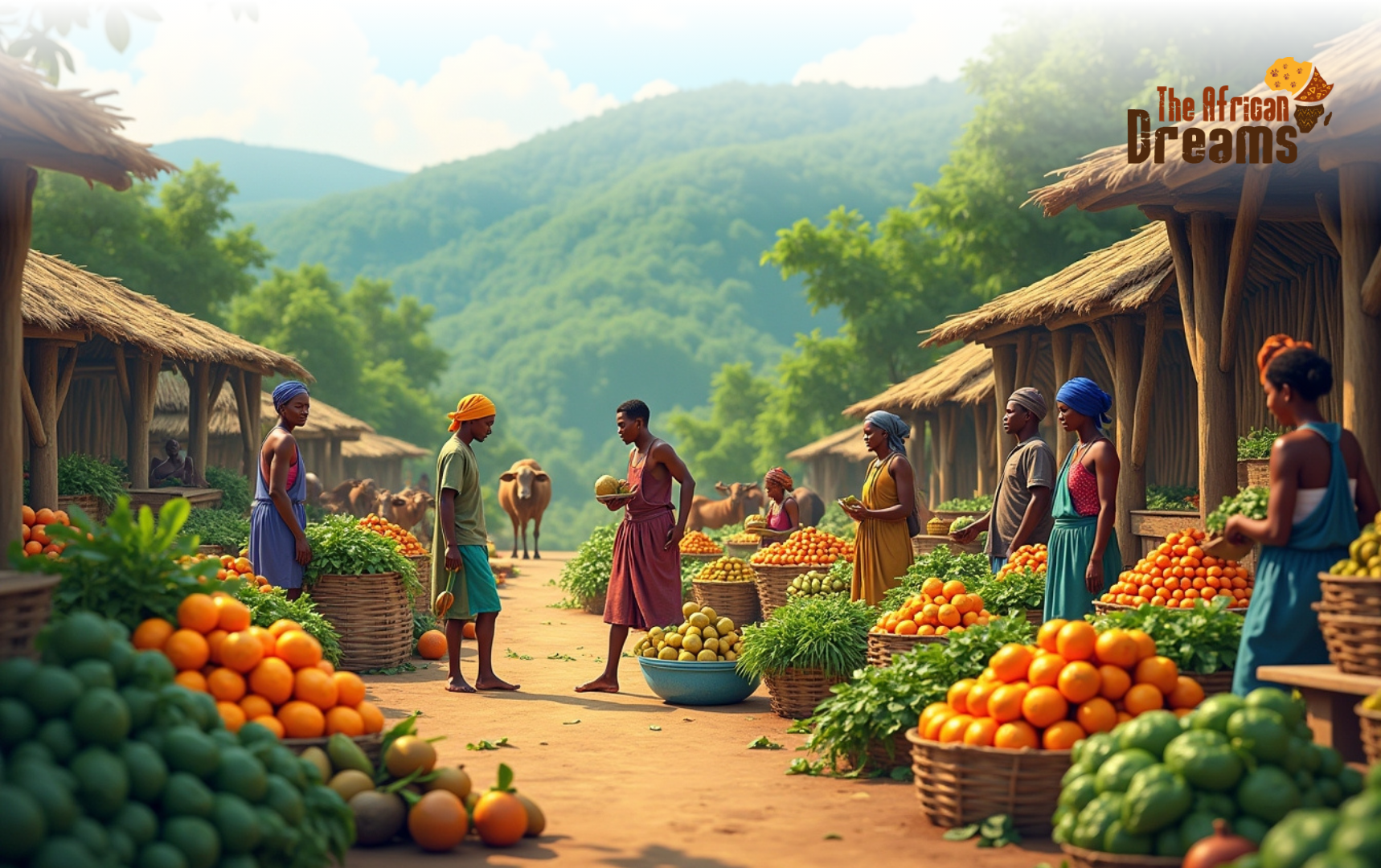
Investing in Sierra Leone’s agriculture presents many opportunities and challenges. This article examines successful agricultural projects in the region, highlighting the accomplishments of various initiatives. It also provides valuable insights into best practices and lessons learned. These real-life success stories can help potential investors and stakeholders contribute to Sierra Leone’s agricultural development.
Koidu Holdings Agricultural Initiatives
Diversifying for Sustainable Development:
Koidu Holdings primarily operated in the diamond mining industry but saw significant improvements in agriculture. The company’s agricultural division aims to promote sustainable development while also creating jobs.
Project Overview:
Koidu Holdings began large-scale farming operations in the Kono District, including cassava and rice. The company ensured that farming techniques were technologically advanced, such as the mechanization of farming implements, the purchase of high-quality seeds, and the provision of detailed farming overviews to farmers. These were intended to improve the efficiency and sustainability of agriculture in the regions.
Impact:
Agricultural projects have significantly increased food availability and income among community members.
Koidu Holdings’ technical support and distribution of farming products have assisted farmers in improving their production while also providing a sustainable farming method.
In addition to reducing food imports in the region, the projects have created several jobs for the local population, serving as a good example of corporate social responsibility in the agricultural sector.
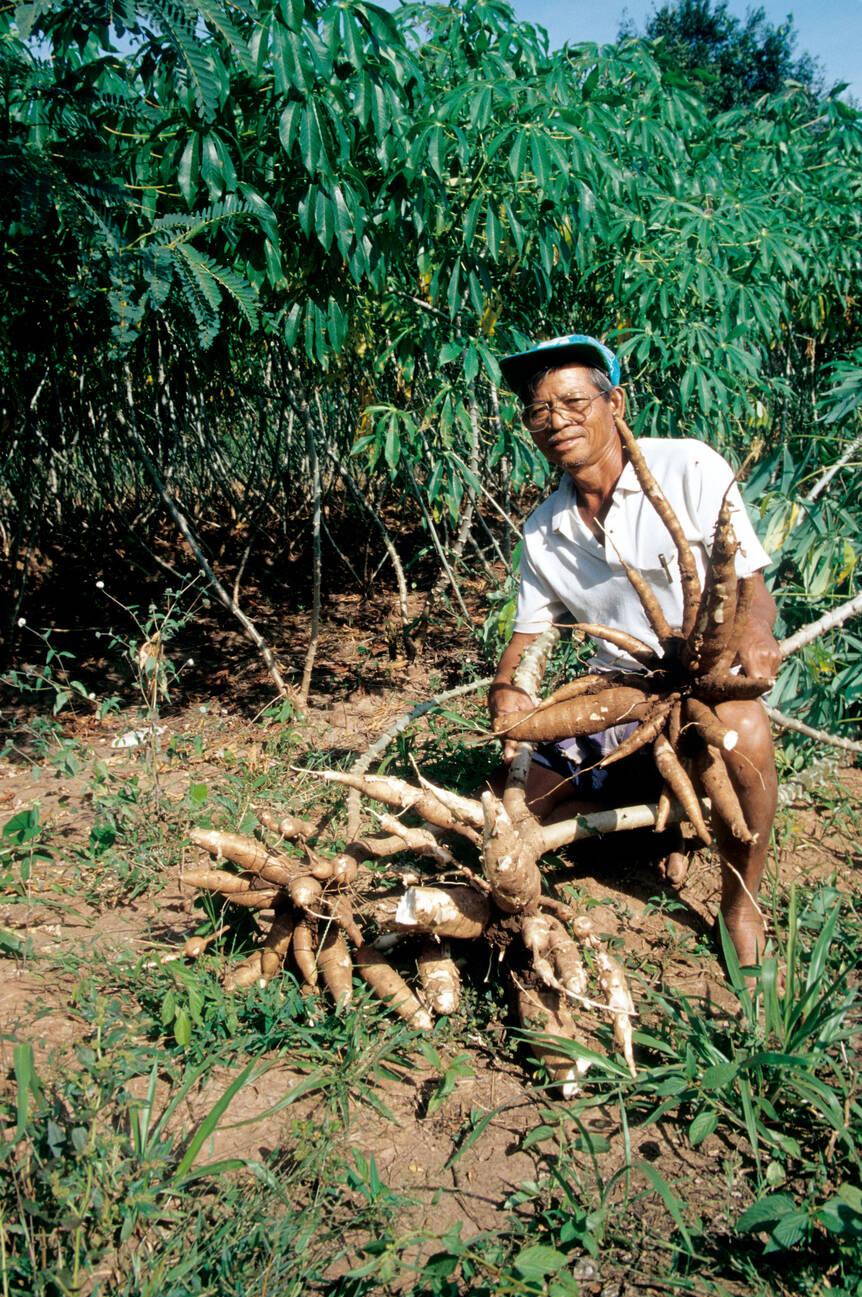
Detailed Case Study: Cassava Farming
Koidu Holdings’ cassava project began with an assessment of soil quality and climate conditions in Kono District. Cassava was seen as a viable crop because of its resilience and high yield potential.
Koidu Holdings collaborated with agronomists and local agricultural experts to develop a comprehensive farmer training program. This program featured workshops on modern farming techniques, pest management, and water conservation.
Mariatu Kamara, a local farmer who participated in the training, described her experience:
“Before the project, our cassava yields were low, and we struggled to make ends meet. Thanks to new techniques and Koidu Holdings’ support, our production has tripled. We now have surplus cassava to sell in the market, and our family’s income has increased significantly.”
Key Benefits:
Diversification Benefits: Integrating agriculture and other business operations can improve community relations, which contributes to long-term development.
Investment in Training and Equipment: Providing modern equipment and training is important in increasing agricultural productivity and sustainability.
Supporting local communities through agricultural projects can have a significant social and economic impact.
AgDevCo's Cassava Project
AgDevCo, a social impact investor, has been instrumental in developing Sierra Leone’s cassava sector. Their strategy combines infrastructure investment with direct support to smallholder farmers.
Project Overview:
AgDevCo set up a large cassava processing facility in Port Loko District. This facility converts cassava into various value-added products, including flour and cornstarch. In addition to infrastructure development, AgDevCo works with local farmers to improve cassava varieties, provide training, and increase market access.
Impact:
The processing facility has given cassava farmers a stable market, ensuring a consistent income stream and lowering post-harvest losses.
The project’s success has increased the availability of cassava products for both domestic consumption and export, helping Sierra Leone’s economy grow.

Detailed Case Study: Farmer Collaboration
AgDevCo’s approach to farmer collaboration entails forming farmer cooperatives. These cooperatives facilitate the distribution of improved cassava varieties and serve as training venues. Farmer Samuel Conteh, a cooperative member, described the impact:
“Being in the cooperative has transformed our farming practices. We receive ongoing training and support, and the processing facility ensures a market for our produce. This stability has encouraged more farmers to participate and benefit from the project.”
Key Benefits:
Value Addition and Farmer Partnerships: Building processing facilities can improve the profitability of agricultural projects by adding value to raw materials. The project’s success depends on collaborating with smallholder farmers and providing them with market access and technical assistance.
Strengthening Agriculture: Investment in infrastructure, such as processing facilities, can help agricultural businesses become more sustainable and scalable.
West Africa Rice Company (WARC) pioneered large-scale commercial farming
The West Africa Rice Company (WARC) is a prime example of large-scale commercial rice farming in Sierra Leone. Their project focuses on the benefits of mechanized farming and advanced agricultural practices.
Project Overview:
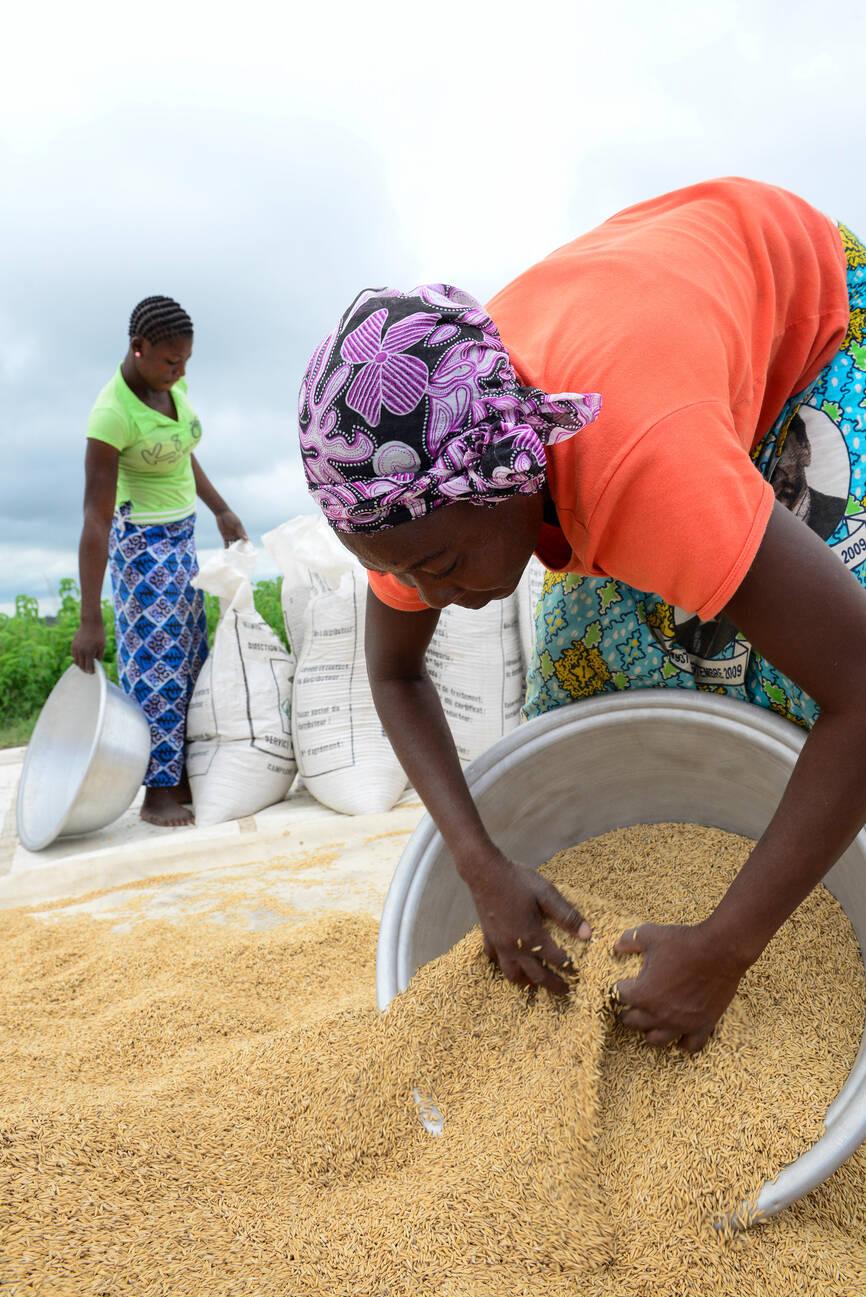
WARC runs a commercial rice farm in Tonkolili District. It uses advanced mechanization, such as tractors and harvesters, to cultivate rice on a large scale. The company also invests in irrigation systems and modern farming techniques to increase yields.
Impact:
WARC’s project has significantly increased rice production in the region, reducing reliance on imports.
The initiative has resulted in numerous job opportunities and boosted local economic development.
WARC also works with smallholder farmers, sharing knowledge and resources to help them increase their productivity.
Detailed Case Study: Mechanized farming:
WARC began its journey by acquiring a large plot of land in Tonkolili. The company conducted extensive research to determine the best rice varieties and farming methods suitable for the local environment. By importing advanced machinery and installing efficient irrigation systems, WARC transformed the landscape into a thriving rice farm.
Smallholder farmer Fatmata Jalloh, who works with WARC, explained the advantages: “WARC’s assistance has been invaluable. They give us high-quality seeds and access to their machinery during the planting and harvesting seasons. This collaboration has not only increased our yields but also decreased the labor intensity of farming.”
Key Benefits:
Enhancing Agricultural Efficiency: Large-scale mechanized farming can significantly boost agricultural output and efficiency.
Agricultural Productivity: Investing in irrigation and modern equipment is critical to achieving high yields.
Supporting Small Farmers: Working with smallholder farmers can spread the benefits of commercial farming throughout the community.
Conclusion
These real-life success stories prove that Sierra Leone is a place where, with the right investment, you can work wonders. These success stories from Koidu Holdings, AgDevCo, and WARC demonstrate the transformative power of investing in Sierra Leone agriculture. Key takeaways from these case studies include the significance of diversification, value addition, infrastructure investment, and collaboration with local farmers.
Potential investors and stakeholders can learn from these examples and contribute to the long-term development of Sierra Leone’s agricultural sector, ultimately improving food security and regional economic prosperity.


0 Comments