
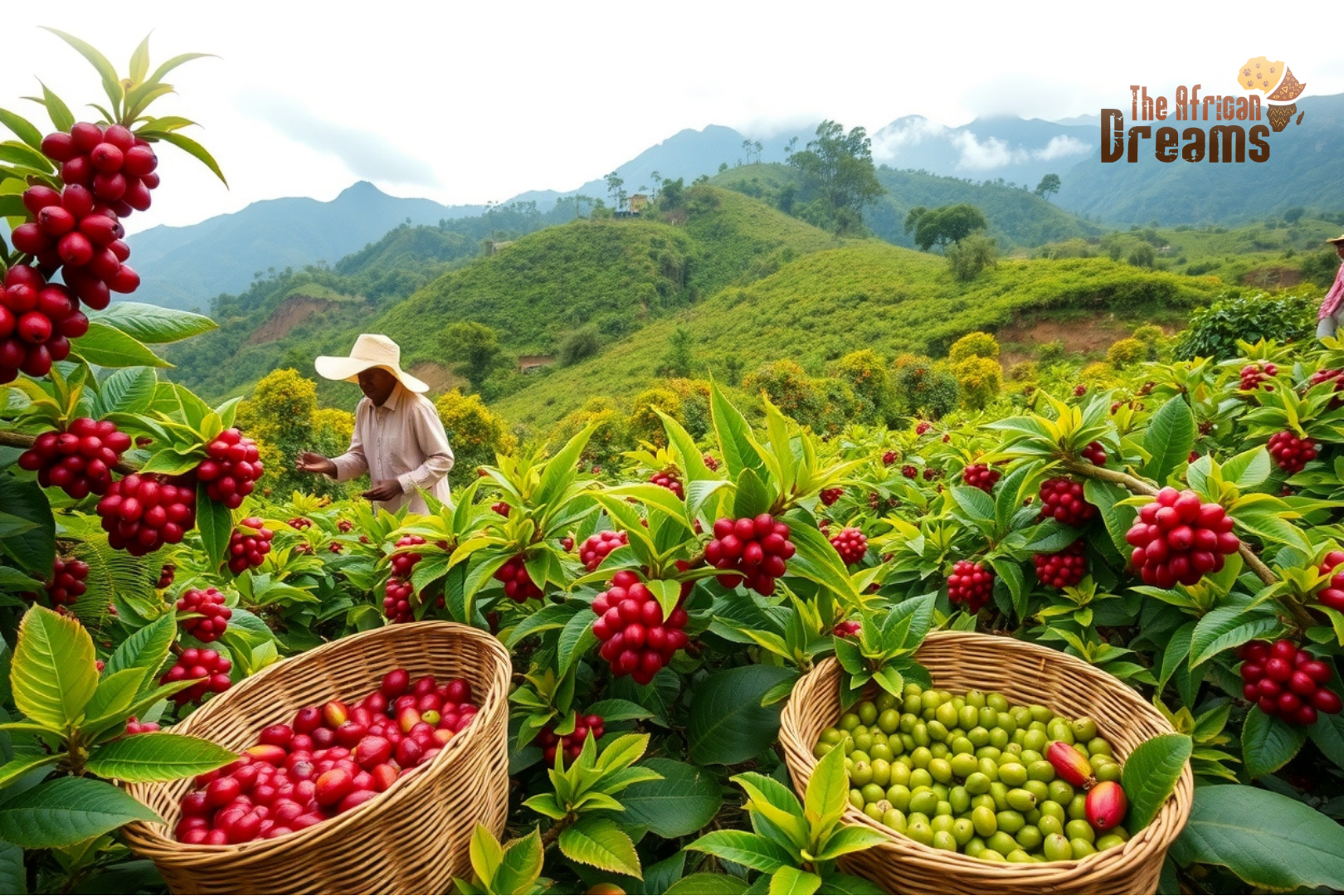
If you want to invest in Africa, Cameroon should be your choice! More specifically, Cameroon’s coffee industry should be your choice. Cameroon’s coffee industry holds a special place in the nation’s agriculture sector and its economy. The country is known for producing both Arabica and Robusta beans. These beans are grown primarily in the fertile volcanic soil.
The history of coffee in Cameroon goes back several decades, and it has been a key export product. However, the industry has faced its share of challenges over the years. Despite these hurdles, coffee remains crucial to Cameroon’s economy and culture.
Today, there’s a growing interest in reviving and expanding the coffee sector. This comes as local and global markets show increased demand for sustainably sourced and high-quality coffee. The government and local businesses are working hard to seize this opportunity. Their goal is to enhance the quality of Cameroon’s coffee and boost its presence in international markets.
This case study will explore the current state of the coffee industry in Cameroon. It will delve into the challenges and highlight the opportunities that lie ahead for investors and local farmers.
The Challenges
The coffee industry in Cameroon faces significant challenges that hinder its growth.
1. Climate change poses a serious threat. Unpredictable weather patterns disrupt coffee cultivation cycles. These environmental challenges result in decreased yields and increased vulnerability to pests and diseases. As a result, both the quality and quantity of coffee production are reduced.
2. Additionally, the global coffee market is experiencing saturation. There is a shift in consumer preferences towards specialty and sustainably sourced coffees. These market dynamics require Cameroonian producers to adapt and innovate to remain competitive. However, the infrastructure and technological support necessary to meet these new demands are often inadequate.
3. The impact of global supply chain disruption has also been profound. Events like the COVID-19 pandemic have also had a severe impact. These disruptions have led to increased costs and delays in coffee distribution. which poses significant challenges for timely market access and affects the profitability of the coffee sector.
Plausible Solutions
Cameroon’s government-led initiatives provide financial and infrastructural support to coffee farmers. Subsidies, low-interest loans, and easier access to credit are part of this support system. These aim to encourage sustainable practices and increase production capacity.
There is a strong push towards ethical sourcing and eco-friendly farming techniques. Organisations are actively training farmers on sustainable agriculture practices. This initiative aims to enhance the quality of coffee and adopt environmentally sustainable farming practices. International partnerships and local NGOs committed to fair trade practices support these programs.
Marketing strategies for Cameroonian coffee have been updated to align with global trends favoring specialty coffees. There is now a push to brand Cameroonian coffee as a premium product internationally, highlighting its unique flavours and high quality. These efforts aim to enhance Cameroonian coffee’s global reputation and improve its market competitiveness.
Together, these strategies seek to rejuvenate Cameroon’s coffee industry. They focus on enhancing sustainability, improving product quality, and expanding market reach. This comprehensive approach addresses both local and global challenges that the industry faces.
Implementations
1. A key implementation has been the enhancement of agricultural infrastructure. This includes developing irrigation systems and constructing roads. These facilitate easier market access for coffee farmers. These infrastructure improvements have reduced the costs and delays of transporting coffee to global markets.
2. Education and training are crucial for enhancing Cameroon’s coffee industry. Farmers attend workshops and seminars that update them on the latest techniques in modern coffee cultivation and pest management. These programs are often sponsored by the government and supported by international coffee organisations. This training is essential for improving coffee yields and quality, which boosts Cameroon’s competitiveness on the international stage.
3. Furthermore, the introduction of new technologies like moisture meters and better coffee processing equipment has modernised Cameroon’s coffee production. These advancements ensure that coffee beans meet the high standards required for entry into premium markets. This modernisation is crucial for maintaining quality and expanding market access.
The Results
The strategic changes in Cameroon’s coffee industry have led to impressive outcomes.
First, there has been a marked increase in both the volume and quality of coffee produced. Coffee production has increased by over 20% in the last year. Quality improvements in flavour and consistency have also made Cameroonian coffee more attractive to international markets.
These improvements have significantly boosted farmer incomes and the local economy. Coffee exports have expanded, helping to create a positive trade balance. This increase in capital has benefited other economic sectors and improved living standards for those in the coffee industry.
Cameroon’s coffee industry has successfully repositioned itself as a high-quality producer. This change has improved its image in the global market. As a result, new markets, especially in Europe and North America, have opened up. These regions highly value sustainably sourced products. Efforts in branding and participating in international coffee fairs have reinforced Cameroon’s status as a premium coffee producer.
The domestic market has also seen growth. Local consumption of Cameroonian coffee has increased as a result of national campaigns and the development of local coffee culture. This has stabilized the market and reduced dependence on exports.
Final Remarks
Cameroon’s coffee industry is booming. This success comes from strong government support, sustainable farming, and effective marketing strategies. These efforts have enhanced coffee quality, boosted production, and opened new markets. Continuous investment in infrastructure, training, and innovation is vital. These steps will help the industry grow and adapt to challenges like climate change and market shifts. This case study not only celebrates Cameroon’s progress but also serves as a guide for other regions looking to improve their agricultural practices and compete globally.
0 Comments