
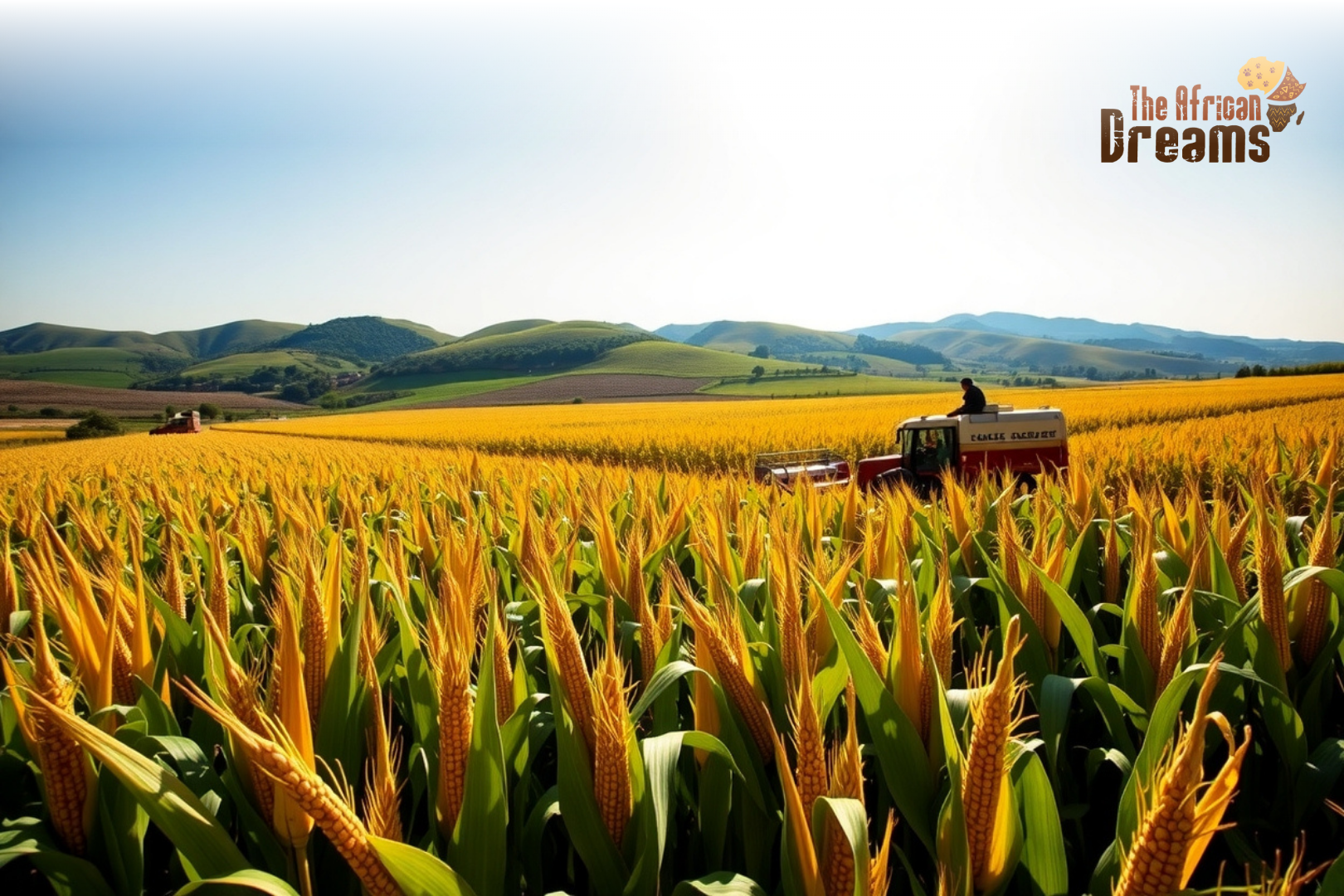
Cameroon is often called “Africa in miniature”. It has all the major climates and vegetation of the continent: coast, desert, mountains, rainforest, and savanna. The agricultural sector is a big part of Cameroon’s economy. It makes up over 20% of the nation’s non-oil GDP and employs about 60% of the workforce. Maize is one of the main crops grown in Cameroon. It is crucial for many reasons. People across the country eat maize every day. It is also key to the agro-industrial sector, where it’s used in many products. However, Cameroon’s maize industry faces many challenges. These include outdated farming methods and limited access to markets and resources.
This case study explores how Cameroon is overcoming these challenges. It looks at the efforts to make maize farming more productive and profitable. By understanding this, we can see the potential for investment in Cameroon’s maize industry.
Existing Challenges in Cameroon’s Maize Industry
Cameroon’s maize industry faces several hurdles. These affect small and large-scale farmers and hinder the sector’s growth and efficiency.
- One significant issue is the outdated farming methods many farmers use. These methods lead to low yields and poor-quality crops. There are also problems with the supply chain. These make it hard for farmers to get their maize to markets where they can sell it. Often, farmers need help with fluctuating prices and sometimes even lose their crops to bad weather because of poor storage.
- Another major challenge is the need for more modern technology. Many farmers in Cameroon lack access to machinery and equipment that could make their work easier and more productive. Financial constraints play a big part in this. Without enough funds, farmers can’t buy better seeds or the fertilizers they need to improve their crops. Farmers can purchase better seeds or the fertilizers necessary to improve their crops with sufficient funds.
- Lastly, the threat of pests like the fall armyworm poses a constant risk to maize production. These pests can destroy large areas of maize before they are even detected, leading to significant losses for farmers.
By tackling these issues, Cameroon can help its maize industry thrive. It can also offer better opportunities for farmers and boost the country’s economy.
Plausible Solution
To address the challenges facing the maize industry in Cameroon, a comprehensive approach has been adopted through the Agricultural Investment and Market Development Project (PIDMA). This project is a partnership between the Cameroonian government and the World Bank. It focuses on transforming maize farming from traditional to commercial methods, making it more productive.
The first step in the solution involves improving the agricultural practices used by maize farmers. PIDMA promotes the use of modern farming techniques and high-yield seed varieties. It helps increase the quantity and quality of maize produced. Farmers are provided with training and resources to help them adopt these new practices effectively.
Financial support is also a crucial part of the solution. PIDMA and its partners offer financial aid and loans to farmers. It allows them to buy better equipment and supplies, like fertilizers and improved seeds. By investing in these resources, farmers can boost their productivity and improve their crop quality.
Lastly, the project focuses on strengthening the maize supply chain. By improving logistics and market access, farmers can sell their maize more easily and at fairer prices. This includes building better storage facilities to reduce crop losses and establishing stronger market connections.
These measures aim to revitalize Cameroon’s maize industry, making it more resilient and competitive. By tackling the root causes of inefficiency and productivity issues, the project sets a foundation for sustainable agricultural growth.
Implementation of the Agricultural Investment and Market Development Project
Implementing the solutions proposed under the PIDMA initiative to revitalize Cameroon’s maize industry is effective. Here are the key steps taken to ensure effective implementation:
Forming Cooperatives
Cooperatives were established to encourage collaborative farming and resource sharing. These cooperatives help distribute resources like high-yield seeds and modern equipment. Cooperatives have successfully formed resources in the Northwest Region to purchase and share costly farming equipment. Before the formation of cooperatives, individual farmers needed help to afford these.
Training and Education
Farmers were trained in modern agricultural practices to improve productivity and sustainability. Training sessions covered soil health and pest management, ensuring farmers are well-equipped to handle challenges. Farmers in Mbalmayo’s village participated in workshops that taught them how to implement integrated pest management techniques to combat the fall armyworm. This ended up significantly reducing crop losses.
Financial Aid
Financial institutions partnered with PIDMA to provide farmers with loans at favorable rates. This enabled them to invest in better-quality seeds and essential farming equipment. A notable success story is the introduction of microloans in the Eastern Region. There, farmers used the funds to transition from traditional to mechanized farming.
With the introduction of micro-loans and financial aid, farmers have been able to invest in quality seeds and fertilizers. It increased the rate of their yield. The increased income of farmers participating in the program reflects this economic boost. Some regions even report doubling their usual earnings.
Supply Chain Enhancement
Enhancing the supply chain from farm to market. This included improving storage facilities to reduce post-harvest losses and establishing connections with agro-industries for stable market access. New grain storage facilities in Maroua have helped farmers store their produce safely. They have reduced losses from spoilage and pests and stabilized prices throughout the year.
This has made maize farming a more reliable source of income for many rural families. Poverty rates in farming communities have decreased.
These steps have been instrumental in increasing maize production and building a resilient agricultural sector in Cameroon. Continued advancements in farming technology and supply chains will keep the maize industry vital for Cameroon’s economy. Implementing these solutions has laid a strong foundation for sustained economic growth within the maize industry.
Final Remark
The progress in Cameroon’s maize industry has been remarkable. There has been significant progress in productivity increases and economic benefits for farmers, and higher maize yields present attractive opportunities for further investment. Overall, Cameroon’s growing maize industry is a solid investment opportunity. Your investment can help this sector reach new heights. In the future, it is set to grow even more. This will open doors for local and global investors to help expand and sustain the sector.
By supporting initiatives like PIDMA, investors can help enhance agricultural practices, increasing productivity and profitability. This involvement promises strong financial returns while improving the lives of Cameroon’s farmers. Investing now would place you at the center of a growing sector with the potential for significant impact and returns. Join us in shaping a sustainable future for Cameroon’s maize industry!

0 Comments