
Introduction: Cotton in Uganda
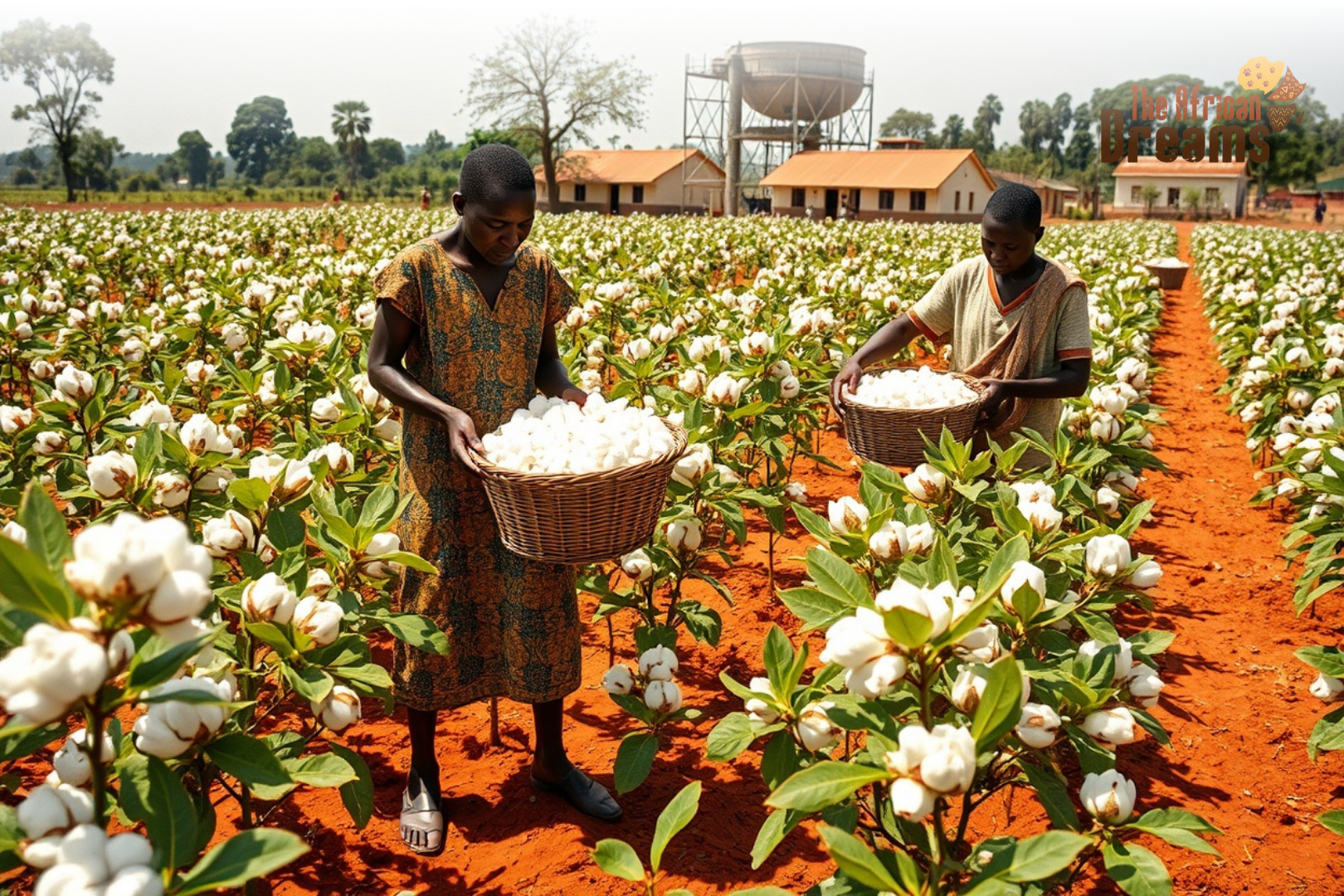
In many parts of Uganda, especially in the north and east, cotton is not just a crop. It’s part of life. Farmers plant it with care, pick it by hand, and rely on it for income. It helps pay school fees. It puts food on the table. It supports entire families. Year after year, they work the fields, hoping for a good harvest.
Cotton has a long history in Uganda, going back to the early 20th century. It used to be one of the largest exported products of the country. It generated revenue and linked Uganda to international markets. People depended on it. Communities were built around it. But then, things changed. Political troubles came. Support for farmers weakened. Prices fell. Some quit growing cotton in favor of other crops. The cotton fields went quiet.
But cotton in Uganda never disappeared. It stayed in the soil. It stayed in people’s memories. And now, it’s coming back. Slowly. Quietly. With support from government programs and private investments, farmers are returning to cotton. They’re getting better seeds. They’re receiving training. Ginneries are reopening. New textile factories are being planned.
This isn’t just about growing cotton in Uganda again. It’s about bringing pride back to farming. It’s about helping small farmers earn more by doing what they already know best. It’s also about keeping value inside the country—turning cotton into fabric, clothes, and products right here in Uganda.
This revival is not loud, but it is steady, it’s real, and it matters. So if you’re considering a smart investment of the future, you should bet on Uganda’s cotton fields. A quiet transformation is underway. And the best part? And it is being driven by the only people who understand cotton – the farmers.
Article Highlights
Uganda’s cotton industry is making a slow but steady comeback after decades of decline, thanks to better seeds, farmer training, and renewed interest in local processing.
Smallholder farmers remain the backbone of the sector, growing cotton in Uganda on tiny plots with limited resources—but with growing access to support and training.
Organic cotton is opening new doors, allowing Ugandan farmers to reach premium international markets while using eco-friendly farming methods.
Value addition within the country is gaining momentum, with new investments in ginneries, textiles, cottonseed oil, and cotton wool production helping to create local jobs.
The future of cotton in Uganda looks promising with strong government policies, improved infrastructure, and growing opportunities for.
A Rich History:Cotton in Uganda
Now, let’s see how cotton developed in Uganda. It was around the early 1900s. The British, who were in control of Uganda at the time, looked at the land and saw one thing: this place was ideal for growing cotton. The ground was fertile, the climate was favorable, and there were enough individuals to cultivate the crop. So they introduced cotton farming, not for local clothes or use, but mainly to export it out of Uganda.
By the time the 1930s came around, cotton in Uganda had become a big deal. Uganda’s name was getting known because of it. But the real turning point came in the 1950s. Back then, cotton made up about 25% of Uganda’s agricultural exports. That’s a lot. It meant cotton was not just growing in fields—it was helping build roads, schools, and businesses. For many people, cotton was life.
People in towns and villages formed communities centered around cotton activities. Households cultivated the crop while harvesting and trading it. Cotton cleaning machines, known as ginneries, created employment opportunities. Farmer cooperatives ensured farmers received reasonable payment and access to loans during challenging times. Things worked well.
However, things shifted in the 1970s and 1980s. People of the country had to undergo a lot of ordeals. There were conflicts, political issues, and even economic troubles. The roles that the cooperatives that assisted farmers have played have vanished. Cotton prices dropped. It is for this reason that many farmers abandoned the crop. They had no choice.
Then slowly, in the 1990s, the comeback started. The government tried to bring cotton back. They repaired ginneries, handed out better seeds, and gave training. It was slow. It was hard. But it mattered.
Now, Uganda is giving cotton another chance. Not just because it worked before—but because it still can. Cotton’s story in Uganda has ups and downs. But it’s not over. Not yet.
The Cotton Development Organization
Let’s talk about one of the key players behind Uganda’s cotton journey, the Cotton Development Organization, or CDO. You may not hear about them often, but they’ve been doing the kind of work that holds the whole cotton system together. The CDO was created back in 1994. That was a time when cotton farming was in bad shape. Farmers didn’t have good seeds, prices were too low, and the old support systems had fallen apart.
So the government stepped in and gave the CDO one big job: fix things. Not by growing cotton themselves, but by helping the people who do—Uganda’s smallholder farmers.
Since then, the CDO has been working closely with farmers across the country. One of their biggest roles is making sure farmers get high-quality seeds every year. These seeds are not ordinary seeds; they are inspected, accredited, and selected for germination even under unfavourable climatic conditions. This, in a way, assists in improving yields and decreasing losses.
Thus, seeds are only the beginning. The CDO also trains farmers. It shows them the basics of farming, such as when to sow, the distances between the plants, and how to protect the plants from pests without having to use chemicals. These small changes can double a farmer’s harvest.
Then comes the quality control. The CDO checks the cotton to make sure it meets international standards. Buyers don’t want dirty or mixed-up cotton. So the CDO teaches farmers how to harvest properly and how to store their cotton the right way. This is what keeps Uganda’s cotton competitive in global markets.
Because of this work, Uganda’s cotton is now being sold to countries like Bangladesh and India. And farmers are earning more than they did before. The CDO may not be famous, but for Uganda’s cotton farmers, their support has made all the difference.
Cotton Production in Uganda
It is now time to discuss what cotton farming in Uganda is like in the present. Life has been a roller coaster. As seen in the data, cotton production reduced in the 2020/21 season. But only 9,300 metric tons of lint were produced. Why? Some crops were destroyed by heavy downpour and floods before farmers could harvest them. Cotton farmers know only too well that it was more than a bad season; it was a setback for many of the families that depended on it.
However, the next year, in the academic year 2021/22, there is hope. Production increased by 36% to almost 12 800 metric tons. This didn’t happen by chance. It came from small improvements—like better seeds being given to farmers, more training, and a bit more awareness about how to take care of the crop. It showed that when farmers get the right kind of help, they can bounce back.
Challenges & Solutions
1. Weather Remains a Constant Threat
The biggest problem farmers talk about is the weather. It’s unpredictable now. Sometimes it rains too much, sometimes not at all. A season that starts off well can end in disaster because of floods. And when the rains don’t come on time, the cotton plants don’t grow properly. Since most farmers don’t have irrigation, they’re at the mercy of the sky.
2. Insect Damage
Then there are pests—tiny bugs that cause huge problems. Insects like bollworms and aphids can destroy an entire crop in a short time. Most farmers can’t afford pesticides, and many don’t know the best ways to protect their fields. So, even when the plants grow well, there’s a risk of losing everything right before harvest.
3. Farming on Tiny Plots
Most cotton farmers in Uganda work on small pieces of land, usually under one hectare. With so little space and limited tools or money, it’s tough to grow more or try new things. They do what they can—but it’s hard to scale up.
4. Still Room to Grow
Even with all these struggles, the future still holds promise. Cotton in Uganda has potential. If farmers get steady support—like weather advice, better pest control, and fairer prices—they can produce more and earn more. Step by step, it can grow into something stronger.
Value Addition: From Lint to Fabric
Raw Cotton Isn’t Enough
Right now in Uganda, cotton farming usually stops at one point—after the cotton is picked, cleaned, and packed as lint. Most of it is then sent out of the country to be processed somewhere else. The farmers do their part. The ginneries do theirs. But the biggest profits? Those are made abroad, where the cotton gets turned into fabric and clothes.
This means Uganda is missing out on the real value. What’s grown here helps other countries make money, while Ugandans are left with just a small share. And that’s a big problem.
The Missed Opportunity
Uganda wears a lot of clothes. But most of them are imported from Asia or come in as second-hand items. Meanwhile, the cotton grown here is good enough to be made into fabric, shirts, trousers, or even medical supplies like cotton wool. But the factories to do that work are still too few.
If more of the cotton in Uganda were processed right, it would mean more jobs, more income, and more power in the hands of local people. It would also save foreign exchange and reduce reliance on imported textiles.
Slow Steps Toward Change
Things are beginning to shift. Some factories are being repaired. New ones are being set up with support from both government and private investors. People are getting trained. There are companies already producing cotton wool for hospitals. Others are thinking about making clothes locally—especially uniforms for schools and businesses.
Why Value Addition Matters
This is where Uganda can win – the step of converting the lint into finished products. The day has gone when the emphasis was laid only on the cultivation of cotton. It is about owning it all. This is how farmers get more income, youths get employment, and Uganda retains the value of what it produces. The path is clear. It just requires more people to take a stroll on it.
Organic and Sustainable Cotton
A Different Kind of Cotton in Uganda
There is something new growing in Uganda’s cotton fields. Even farmers are shifting to organic cotton production. This type of cotton is not the regular cotton that is commonly found in the market today. It has grown organically, that is, without the use of fertilizers that are chemical-based or any pesticides. However, farmers employ various natural practices to manage the health of their soil and pests. Which is less detrimental to the environment, and also safer for those people who work in the fields.
But it’s not easy. Organic cotton requires more time and energy. On the other hand, the farmers have to adhere to certain guidelines. They can’t use shortcuts. However, many farmers are still opting for organic farming. Why? Because it pays better. Consumers in countries such as Germany or France are willing to pay a premium for clean cotton that is safe for the environment.
Helping Farmers Go Organic
Farmers are not making this switch alone. They’re getting help from groups like the Gulu Agricultural Development Company (GADC). This group trains farmers, gives them the right seeds, and teaches them how to follow organic standards. There are also international groups like Cotton made in Africa (CmiA) that connect Ugandan farmers to buyers who care about fair trade and clean farming.
Because of this support, even farmers with very small plots—less than a hectare—are able to sell their cotton in global markets. And by avoiding chemicals, they also keep their land healthy and their families safe.
A Growing Global Demand
Today, more people want to know how their clothes are made. They want to wear things that don’t harm the earth or hurt the workers. That’s why demand for organic cotton is growing fast. Brands are looking for countries like Uganda to supply it.
A Win-Win Future
Organic cotton is a big opportunity for Uganda. It preserves the natural resources, improves the incomes of small farmers, and provides the country with a solid position in the global cotton market. It requires much more attention, but the outcome is worth the trouble—for the farmers, the environment, and the consumers as well.
Government’s Role in the Cotton Revival
The Government Steps For Cotton in Uganda
It is evident that the Ugandan government understands the value of cotton to the country. For most families, it is not just a crop but rather their bread and butter. This is why, from the 1990s, the government began implementing measures to revive the cotton industry.
The first major step taken was the formation of the Cotton Development Organization, also known as CDO. But that was just the beginning. The latter was a fully-fledged policy called the national textile policy, which outlined the course of action.
The policy focuses on:
-
Helping farmers grow better quality cotton
-
Supporting factories that turn cotton into clothes and fabric
-
Encouraging both local and foreign businesses to invest in cotton processing
-
Creating teamwork between the government, private companies, and farming communities
The goal is simple: don’t just grow and sell cotton—process it here and build a full industry that creates jobs and keeps value inside the country.
Less Dependence on Used Clothes
Uganda still imports a lot of second-hand clothes. They’re cheap, and many people buy them. But this has made it hard for local clothing factories to grow. The government wants to slowly change this.
Instead of banning second-hand clothes overnight, the plan is to reduce reliance over time by:
-
Supporting local fashion and garment makers
-
Encouraging people to choose Ugandan-made clothes
-
Giving factories time and resources to grow and compete fairly
This isn’t just about clothes. It’s about building a stronger, self-reliant textile industry.
Better Infrastructure, Better Results
Cotton alone won’t drive industry growth if the roads are bad, power is unstable, and there’s nowhere to set up factories. That’s why the government is working on fixing those issues, too.
-
Right now, efforts are being made to:
-
Improve rural roads so cotton can be transported more easily
-
Build and expand industrial parks for setting up processing plants
-
Make electricity more stable and affordable for businesses
These improvements take time, but they’re key to attracting serious investors who want to build in Uganda and stay long-term.
A Joint Effort
While the government can dictate the policies, it will be up to all parties to make the change. It, therefore, becomes the responsibility of farmers, factory owners, and investors. Uganda is laying the foundation. It is now for the people and the partners to put something concrete into it.
Investment Opportunities in Uganda’s Cotton Sector
A Wealth of Possibilities
Cotton growing in Uganda is about developing a sector that creates employment and value. Looking at the world today, it is possible to point out that there are many opportunities for smart investors to make significant improvements. The country’s resources and people’s passion are leading the way that is all set to increase its value.
Where Investment Can Make a Difference
The cotton value chain is full of gaps that smart investment can fill. Here’s where the biggest opportunities are:
-
Ginning and Processing: Most ginneries in Uganda are old. Investors should put up new ones or renovate the existing ones to enhance the quality of cotton produced and minimize wastage. Better quality cotton, which is cleaner, costs more and is preferred in the market.
-
Textile Manufacturing: The exportation of cotton in Uganda is still in its raw form, most of which is taken to other countries for processing. Purchasing finished fabrics from local spinning mills, weaving units or clothing factories retains the value addition within the country. It also creates jobs for thousands of people.
-
Organic Cotton Projects: More farmers are switching to organic cotton, which sells for better prices globally. Supporting organic certification, training, and export connections is a strong and growing niche.
-
Using Cotton By-Products: Cotton stalks, seeds, and seed cake are often thrown away. But they can be used to make briquettes, cooking oil, and animal feed. This is an untapped space with real money on the table.
-
Research and Technology: Better seeds and low-cost pest control can increase farmer yields. Investing in local research helps the whole system become stronger and more climate-resilient.
Building Together for the Future
Uganda has done well in the area of policies and physical facilities. Now, it needs partners who will envision the future. It would also mean that the simple act of investing in cotton here is not just about making money; it is about contributing to success. This is a story of farmers getting paid more, factories expanding, and a whole industry being created.
Success Story: Mutuma Commercial Agencies Ltd.
Here is a true-life story of one man who took cotton and made it into something much more. In the year 1999, Amos Mugisha, a Ugandan businessman, established a company known as Mutuma Commercial Agencies Ltd. Originally, it was only a cotton and oil business where they bought cotton and milled it to produce oil. Nothing fancy. Just Amos trying to make something out of what was available.
But Amos saw something bigger. To him, cotton was not just a crop to be sold and exported but was something more than that. He understood that if the right approach was applied, then there were possibilities to generate employment opportunities and build factories out of cotton for the betterment of people in the society. And that’s exactly what he set out to do.
In 2005, Amos made a brave decision. He bought an old cotton ginnery in a small town called Kiyunga, in eastern Uganda. The factory had been shut down for years. Most people had given up on it. But Amos didn’t. He fixed it, opened it, and brought it back into operation.
That factory now does much more than just separate cotton lint from seeds. It also makes:
- Cottonseed oil – used for cooking and industrial use
- Seed cake – used as affordable animal feed for local farmers
- Cotton wool – used in health clinics and hospitals across the country
Mutuma also buys cotton straight from farmers—offering them better prices—and trains them to grow cleaner, higher-quality cotton that sells well in the market.
What makes this story special isn’t just the factory or the profits. It’s the ripple effect. Jobs were created. Farmers earned more. Small shops and schools opened nearby. The whole town began to grow—because one man decided to believe in cotton, and in people.
It’s proof that with the right vision, even one
Final Words: Time to Grow Cotton
The journey of Cotton in Uganda has not been a smooth ride, and it has not been a fast one either. It’s not the kind of story where everything changes in a day. It’s the story of a crop that was once very important to the country’s economy, only to be left out for some time. But it never disappeared. Farmers continued to grow cotton in Uganda even during low prices and a lack of support. They didn’t give up.
Today, things are looking better. Farmers are getting improved seeds. More villages are receiving training. Organic cotton is helping Uganda reach international markets. Old cotton ginneries are being fixed. New small factories are starting up. Companies in Uganda are now producing cottonseed oil, cotton wool, and animal feed. This shows that cotton is no longer stopping at the farm.
The government has also contributed to this by failing to offer protection to the victims of domestic violence and child abuse. Roads are being improved. New industrial zones are being created. Policies are becoming clearer. These efforts are contributing to the development of a more solid ground for the future.
But at the heart of all this progress are the people—the farmers, workers, and business owners who stayed with cotton through the hard times. They are the reason this revival is possible.
Finally, this is not just about a plant. It is about employment, security, and identity. Uganda has all it requires for a good agricultural country—fertile land, hardworking people, and increasing market demand. Cotton in Uganda can be used for more than just sacks. It can build industries. It can build futures.



0 Comments