
Introduction
In 2023, Malawi exported $14.9 million worth of gold, making it the 128th largest gold exporter out of 167 countries. Gold was the country’s 9th most exported product, with all of it going to the United Arab Emirates. As demand for gold grows around the world, Malawi’s gold mining industry is starting to show real promise.
In places like Mzimba, Lilongwe, and Kasungu, small groups of local miners dig for gold using basic tools. These places employ many tiny artisan miners. The state encourages mining by revising rules and offering incentives to investors. Large mining firms are exploring potential in the country.
Malawi offers a safe political refuge for the mining sector. New infrastructure and mining methods could unlock more gold. Gold mining has the potential to boost economic growth in Malawi. It can reinvigorate local communities, promote jobs, and boost national revenues.
Malawi has great potential as a gold producer in Africa, but is now fighting to maintain its position. In this article, let’s dive into the Gold mining potential in Malawi.
Article Highlights
Malawi has strong potential for gold mining, especially in areas like Lilongwe, Mzimba, and Mangochi. Most gold mining is done by small-scale and artisanal miners using basic tools.
The government is supporting the sector by offering licenses, buying gold, and improving mining laws.
Gold mining is creating many jobs and helping rural communities earn income and develop.
Environmental damage and illegal mining are significant challenges that need stronger controls. New technologies like drones, AI, and safer mining methods are improving the industry.
Malawi offers investment opportunities in exploration, mining operations, and gold trading. With good planning and sustainable practices, gold mining could become a major part of Malawi’s economy.
Overview of Malawi's Gold Mining Landscape
Gold mining in Malawi is a relatively small-scale activity that is less publicized. In the past, Malawi was most associated with uranium and coal. However, for the country, gold is becoming relatively more important.
a. Main Gold Mining Areas: Gold is primarily found in the center and the south of Malawi. Gold is found in districts like Lilongwe, Mangochi, and Ntcheu. Also, areas such as Makanjira and Nathenje are known for gold.
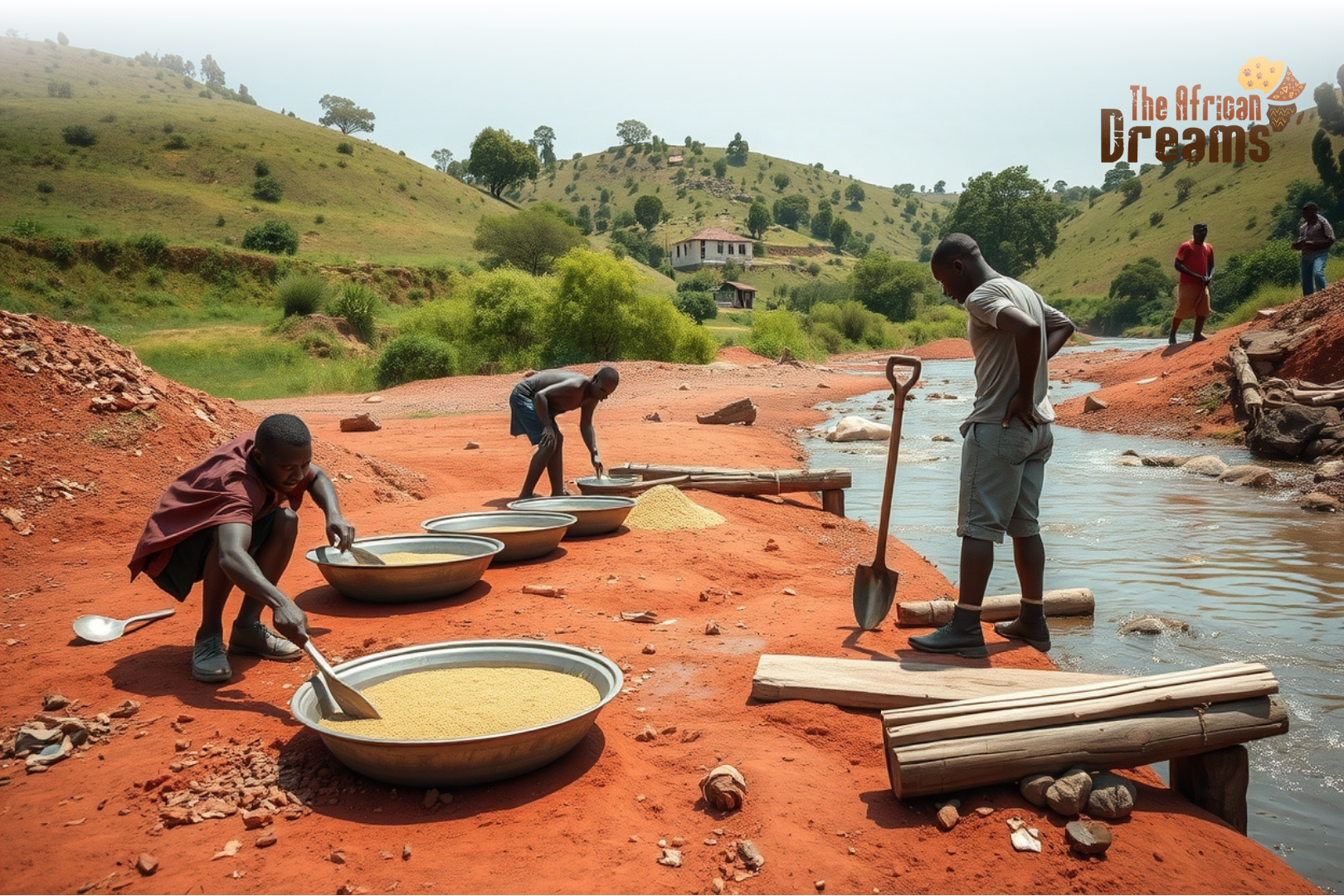
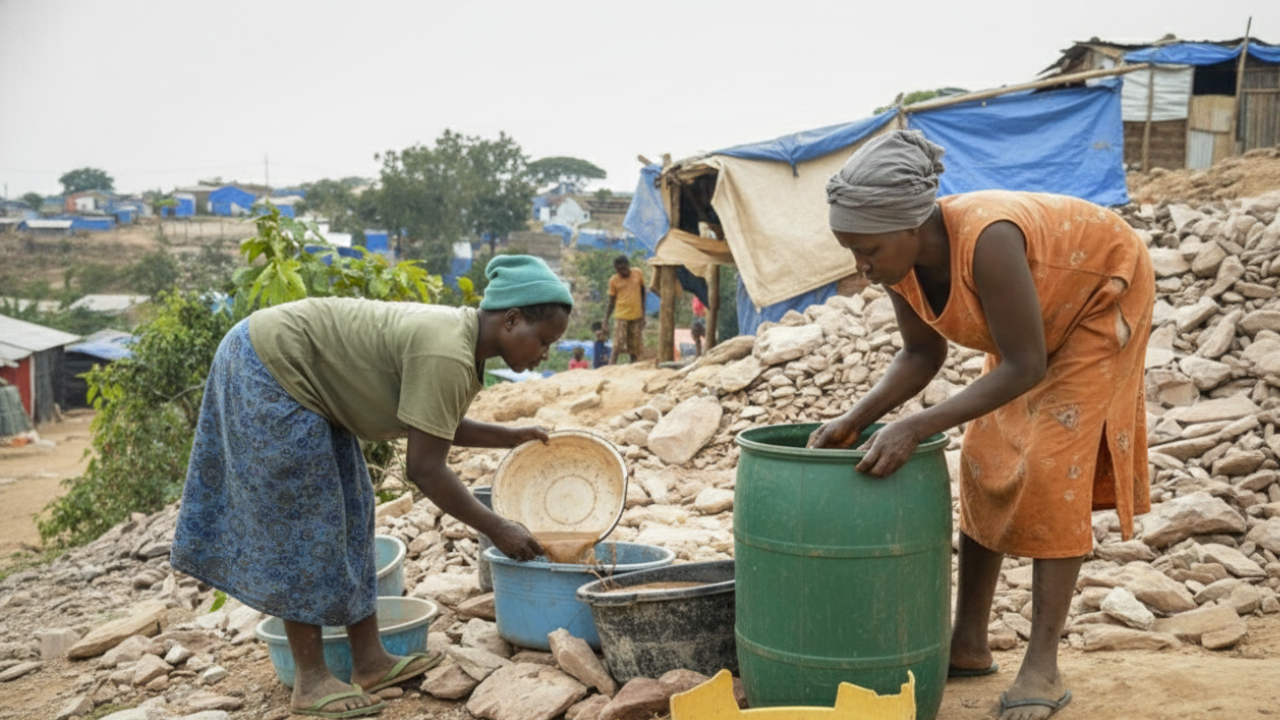
b. Small-Scale and Artisanal Mining: Most of the gold mining is carried out in small-scale and artisanal mines. These miners typically work with simple tools like shovels and pans. Artisanal mining is a source of jobs and income for many rural communities. Yet, as it turns out, it can also create problems, like land damage and unsafe working conditions.
c. Government Efforts: The Malawi government is working to revitalize gold mining. It is attempting to control such activities by issuing licenses to miners. Last year, the government opened a gold-buying center to assist miners in getting fair prices. They are also publicizing more ethical and environmentally friendly mining methods.
d. Interest from Big Companies: There are some foreign firms that are interested in Malawi’s gold potential. A handful of companies are already prospecting for gold. However, commercial mining on a large scale has not yet taken off.
Investment Opportunities in Malawi's Gold Sector
Malawi’s gold mining business is booming. Gold production is largely by small miners. However, the government encourages large investments. The Reserve Bank of Malawi bought gold from local miners in 2020 to help the economy.
Growing Gold Production
Malawi’s gold industry is booming. Gold exports rose from $3.3 million in 2019 to over $36 million in 2022, per the Reserve Bank of Malawi. Gold mining is becoming economically important. The majority of gold comes from ASM. Large companies are now interested.
Untapped Gold Reserves
Malawi has abundant gold at Lilongwe, Kasungu, and Mzimba. Malawi has about $400 million in gold reserves, according to a 2020 Geological Department report. New investors have huge prospects in the underdeveloped country.
Government Policies and Support
The Government of Malawi promotes mining businesses. The 2019 Mining Policy promotes exploration and sustainable mining. Investors can now get mining licenses faster through the Cadastre Portal. The government has introduced a competitive 5% gold royalty compared to other African countries.
Key Investment Areas
There are several ways to invest:
- Exploration Companies: Fund new surveys and drilling projects. Investors can look into this.
- Mining Operations: Partner with local ASM groups or start independent mining.
- Gold Buying and Trading: Gold-buying centres should be set up since the government encourages formal gold trade.
- Processing Facilities: Build gold processing plants to add value locally.
Economic Impact of Gold Mining on Local Communities
Gold mining in Malawi, especially artisanal and small-scale mining (ASM), has boosted local economies and created jobs.
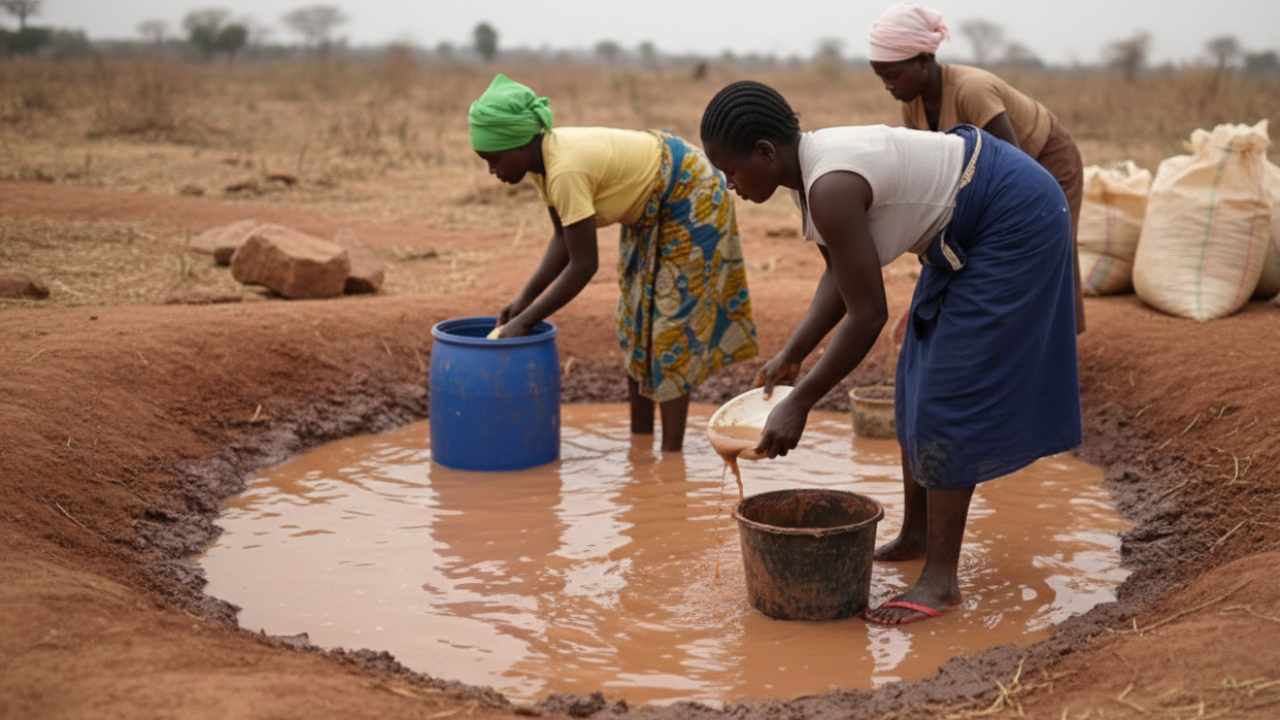
a. Job Creation Through Gold Mining: Gold mining in Malawi has created many local jobs. Many people, including children, work in artisanal and small-scale mining. Approximately 40,000 individuals work as small-scale gold miners in the country. These professions involve excavating, washing soil, transporting supplies, and selling gold to purchasers. Mining is a valuable source of revenue in rural communities with few work opportunities.
Some small towns rely on gold mines for seasonal income during challenging farming months. In times of crop failure, farmers turn to mining for income. Mining also generates additional community jobs. Food traders set up shop. Others transport tools, while others sell them. Mining employs not only miners but also many others.
Additionally, gold mining has reduced rural-urban migration. Young people in the past regularly left rural areas to find work in towns. Mining allows them to work close to and live with their family. It has also strengthened rural communities by retaining families.
b. Economic Development Opportunities: All Malawian gold mining villages have profited. Mining income enables caregivers to build homes, buy animals, and pay for their children’s education. Some mining families have started modest companies with their savings. This has broadened the region’s economy beyond menial mining.
Groups like the Centre for Environmental Policy and Advocacy have set up miners’ cooperatives. These co-ops help miners earn better gold prices and learn money management skills. They train miners to have safer and more ecologically responsible work practices. This aid helps miners earn more and enhance their families’ futures.
Formalizing small-scale gold mining yields even greater benefits. Once miners are registered and identified by the government, they can be taxed and paid royalties. The funds can be used to improve local roads, schools, and hospitals. Improved public services help all community members, not only miners.
Banks and microfinance services also view gold mining. Banks in mining towns provide more chances for saving, borrowing, and investing in various industries. This can create a cycle of progress and opportunity for future generations.
Environmental Considerations in Gold Mining
a. The Impact of Gold Mining on Ecosystems and Biodiversity: Gold mining has a big impact on ecosystems and biodiversity. Mining often requires removing large areas of land. This destroys habitats where animals and plants live. Forests, rivers, and wetlands can be damaged. When habitats are destroyed, animals may lose their food and shelter. This can cause species to decline or even go extinct.
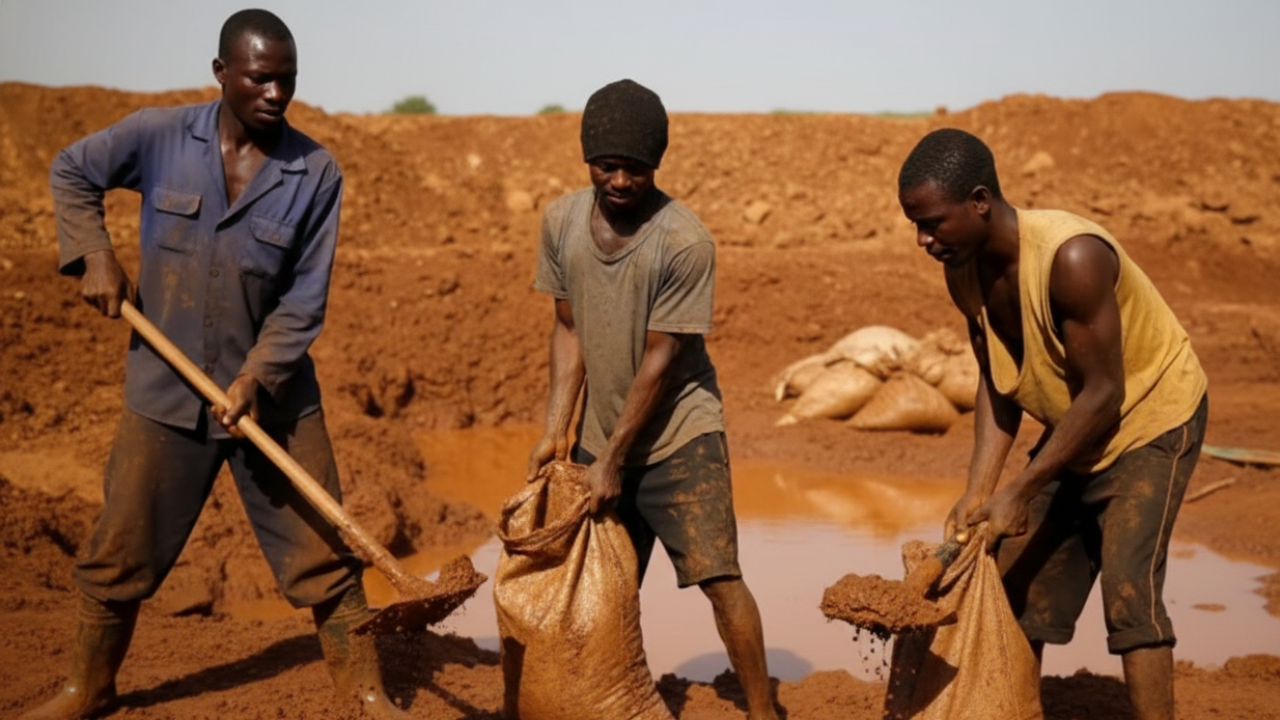
Gold mining can also pollute the air, water, and soil. Chemicals like cyanide and mercury are often used to separate gold from ore. These chemicals can leak into nearby rivers and lakes. This poisons fish and other aquatic animals. It also harms birds and mammals that depend on these water sources.
In addition, mining creates a lot of waste. Waste rock and tailings (leftover materials) can cover the land and make it hard for plants to grow. Dust from mining can pollute the air and harm human health, too.
Mining activities can also change the natural flow of rivers and streams, leading to soil erosion and flooding. Biodiversity suffers when ecosystems are disrupted. Some species are very sensitive to changes in their environment. Even small changes caused by mining can have big effects on them. Loss of biodiversity affects the entire food chain and weakens the health of the ecosystem.
b. Strategies for Minimizing Environmental Damage: There are ways to make gold mining less harmful to nature.
- Use safer mining methods: Companies can use methods that do not need harmful chemicals. For example, gravity separation can replace chemical use.
- Proper waste management: Mining waste should be stored safely. Tailings ponds must be built strong to prevent leaks.
- Revegetation and land restoration: After mining, companies should plant trees and grasses. Restoring land helps animals return and the soil to heal.
- Protect water sources: Mining should not happen near rivers or lakes. Water used in mining should be cleaned before it goes back to nature.
- Environmental Impact Assessments (EIAs): Before mining starts, a full study should be done to see how the project could hurt the environment. Plans should be made to avoid serious damage.
- Create protected areas: Some lands should be kept safe from mining forever. This helps protect rare plants and animals.
- Community involvement: Local people should be part of mining decisions. They often know how to protect their environment best.
- Support for conservation programs: Mining companies can fund projects that protect wildlife and forests.
By following these strategies, gold mining can become less harmful. Protecting ecosystems and biodiversity is important for a healthy planet.
Regulatory Framework Governing Gold Mining in Malawi
Overview of Mining Laws and Regulations in Malawi
Several important laws and regulations guide gold mining in Malawi. These laws aim to manage mining activities and protect the environment.
Mines and Minerals Act, 2019
- The main law governing mining activities.
- Replaced the older Mines and Minerals Act of 1981.
- Sets rules for exploration, mining, processing, and selling minerals.
- Requires companies to apply for licenses and follow set conditions.
- Protects the rights of landowners and communities.
Environmental Management Act, 2017
- Focuses on environmental protection during mining activities.
- Sets standards for waste management and water use.
- Requires companies to restore land after mining is completed.
Mining Policy of 2013
- Promotes responsible and sustainable mining.
- Encourages transparency and accountability.
- Supports fair sharing of mining benefits with communities.
Malawi Revenue Authority (MRA) and Malawi Extractive Industries Transparency Initiative (MWEITI)
- Monitor mining revenues, taxes, and royalties.
- Ensure that mining benefits the country and its people.
Role of the Government in Promoting Sustainable Practices
The government plays a major role in ensuring mining is safe, fair, and sustainable.
Approval of Environmental and Social Impact Assessments (ESIA)
- Before mining starts, companies must submit an ESIA.
- The Department of Mines and the Environmental Affairs Department check and approve these reports.
Monitoring and Inspection of Mining Activities
- Government inspectors visit mines regularly.
- They ensure companies follow health, safety, labor, and environmental laws.
- Companies that break the rules can be fined or have their licenses cancelled.
Promotion of Eco-Friendly Technologies
- The government encourages miners to use modern, safer, and cleaner technology.
- This helps reduce pollution and land damage.
Community Development Requirements
- Mining companies must help build schools, hospitals, and roads.
- This ensures that communities near mining sites benefit from mining activities.
Participation in Global Initiatives
- Malawi is part of the Extractive Industries Transparency Initiative (EITI).
- This promotes transparency and good governance in the mining sector.
Training and Support for Small-Scale Miners
- The government runs training programs for artisanal and small-scale miners.
- These programs teach safer and more sustainable mining practices.
Future Prospects Gold Mining Industry in Malawi
Malawi’s gold mining sector uses new technology. This boosts efficiency, safety, and care for the environment.
- Automation and Robotics: Automated machines and robots increase efficiency. They also reduce human risk in dangerous situations.
- Drones and Aerial Surveying: Drones with advanced sensors are used for high-resolution mapping and monitoring of mining sites. This helps with better planning and real-time oversight.
- Advanced Mineral Processing Techniques: New methods, such as gravity separation and cyanide-free processes, are being developed. They aim to extract gold more efficiently and sustainably.
- Artificial Intelligence and Machine Learning: AI and ML are now part of operations. They help with predictive analytics, exploring options, and improving processes. This integration boosts productivity and cuts costs.
- Blockchain Technology: Using blockchain makes the gold supply chain clear and trackable. This helps fight illegal mining and ensures ethical sourcing.
Community Engagement and Corporate Social Responsibility
Community engagement is about creating connections between a company and local residents. It means hearing local worries, helping community needs, and teaming up for common goals.
a. Benefit of Local Communities Engagement: Gold mining in Malawi relies on community participation in decision-making. Communities near mines are directly influenced by mining. Companies that exclude them risk demonstrations, delays, and confrontations.
The Malawi Extractive Industries Transparency Initiative (MWEITI) found that more than 65% of mining disputes in 2022 were due to poor community consultation. Early community engagement by mining firms increases trust and support. It also helps corporations grasp local customs and environmental issues.
Participation lets communities voice land use, employment, and environmental concerns. It guarantees that mining benefits like jobs and growth are shared properly. Misinformation about mining operations is reduced by community involvement.
Under the Malawi Mines and Minerals Act 2019, mining companies must consult the community before starting major projects.
b. CSR Initiatives by Mining Companies in Malawi: Many gold mining companies in Malawi have begun CSR projects to support local communities.
Tanzania Goldfields Ltd.
1. Built three boreholes in Makanjira, providing clean water to over 2,500 people.
2. Before this project, villagers walked more than 5 kilometers to find water.
Lisungwi Gold Mining Company
1. Started a scholarship program for secondary school students.
2. So far, over 100 students from low-income families have received scholarships.
Rukuru Mining Company
1. Runs mobile health clinics in rural communities.
2. In 2023, they served more than 5,000 people with free medical services.
Nyala Mining Limited
1. Launched an environmental conservation program.
2. In 2023, they planted over 10,000 indigenous trees to fight deforestation and soil erosion.
Conclusion
Malawi has the potential to explore and develop gold. Artisanal and small-scale deposits have been found in Lilongwe, Mzimba, and Mangochi. Gold mining in Malawi still faces challenges include weak infrastructure, regulatory gaps, and environmental concerns. Despite challenges, public-private partnerships, supportive governance, and engagement with local communities help overcome the obstacles the gold mining sector faces in Malawi.
The regulatory framework also keeps the companies in line, so there is minimal threat to the environment and local communities. New technologies like drones, AI, and safer mining methods are improving the industry. The development will continue to grow as the demand grows, and gold mining will greatly contribute to the economy of the country.
It is high time for investors to take advantage of and participate in this sector. By investing wisely and using best practices, Malawi can boost economic value and foreign exchange profits in gold mining. Maximum utilization of the country requires thorough research and codification.
Therefore, by preparing carefully, investors can join and take gold mining to the next level. This way, they can contribute to society and help improve the livelihoods of the local communities as well.





0 Comments