

Introduction
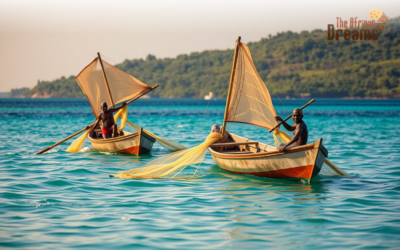
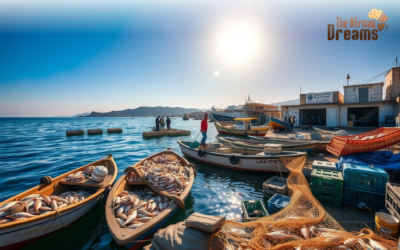
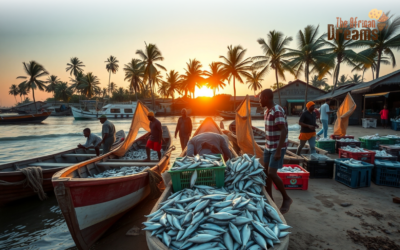
Senegal’s fishing industry is a cornerstone of its economy and culture. With a 718 km coastline on the Atlantic, the country has a rich marine biodiversity. The sector contributes about 3.2% to the GDP. It provides jobs for about 600,000 people, both directly and indirectly. Fish and seafood are vital to the Senegalese diet. They make up over 40% of animal protein intake.
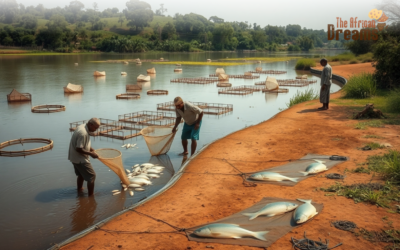
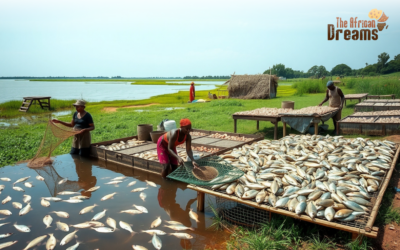
The fishing industry is divided into artisanal and industrial sectors. Artisanal fishing uses traditional methods and small-scale operations. It supplies 95% of the national market and employs over 53,000 people directly. There are an estimated 540,000 indirect jobs, mainly in processing. Industrial fishing for export targets shrimp, crab, lobster, octopus, grouper, and snapper.
The industry is vital but faces challenges. They include overfishing, IUU fishing, and climate change. These issues threaten fish stocks and the livelihoods of those who depend on them. We must address these challenges. They are key to the industry’s role in Senegal’s economy and food security. This blog will discuss the fishing industry in Senegal.
The Challenges
- One of the most severe challenges facing Senegal’s fishing industry is overfishing. A high demand for seafood, both local and global, has led to a sharp decline in fish stocks. The white grouper, vital to local diets, is now scarce. This has disrupted local food security. The depletion of these resources threatens economic stability. Thousands of jobs rely on a steady supply of fish.
- Illegal, unreported, and unregulated (IUU) fishing is another critical issue. IUU fishing, often by foreign fleets, depletes fish stocks. It does not help the local economy. In 2012, IUU fishing cost Senegal an estimated $300 million, or 2% of its GDP. These losses are devastating for the fishing communities that rely heavily on these resources for their livelihoods.
- Climate change worsens the crisis. It raises ocean temperatures and disrupts fish migration. Water temperature changes affect some species’ availability. This makes fish catches more unpredictable. This unpredictability forces fishermen to venture further into the sea. It raises their costs and risks.
- Finally, socio-economic pressures are pushing younger generations away from fishing. With declining fish stocks and earnings, many young Senegalese are seeking stable jobs. This migration trend may break down traditional fishing knowledge and practices passed down for generations.
The Solutions
To tackle problems in Senegal’s fishing industry, the government has launched key strategies. A key step is to register and identify artisanal fishing boats. This aims to better track and regulate fishing activities. This initiative boosts oversight and helps fight IUU fishing.
In collaboration with international partners, Senegal has strengthened its fisheries governance. Programs like the West Africa Regional Fisheries Program (WARFP) aim to improve fisheries management and promote sustainable practices. These efforts aim to rebuild fish stocks and ensure long-term sustainability.
To combat IUU fishing, the government has increased surveillance and enforcement. This includes using patrol vessels and satellites to check fishing in its EEZ. Such measures deter illegal fishing and protect marine resources.
Recognizing the importance of community involvement, Senegal has promoted community-based management approaches. Empowering local communities to manage their resources fosters stewardship. It also encourages sustainable fishing practices.
Also, the government has funded programs to reduce reliance on fishing. These programs aim to ease pressure on fish stocks and boost resilience. They provide training and resources for other income-generating activities.
Implementation
To tackle challenges in Senegal’s fishing industry, a series of actions has been implemented:
1. Registration and Identification of Artisanal Fishing Boats: The government began a campaign to emboss ID plates on 19,009 registered artisanal boats. This initiative improves the monitoring and regulation of fishing activities. It helps in the fight against illegal, unreported, and unregulated (IUU) fishing.
2. Strengthening Fisheries Governance: Senegal has improved fisheries management. It did this via the West Africa Regional Fisheries Program (WARFP). This includes community-led fishery management and efforts to rebuild fish stocks for food security.
3. Enhancing Surveillance and Enforcement: The government is stepping up its fight against IUU fishing. It is increasing patrols and using satellites to track fishing in its EEZ. This has identified foreign vessels operating under local flags, including several Chinese boats.
4. Promoting Community-Based Management: Local communities are empowered to manage fishing resources sustainably. Programs aim to build capacity and adopt best practices in coastal fisheries.
5. Investing in Alternative Livelihood Programs: To reduce fishing dependence, the government has funded new jobs and women entrepreneurs. $1.2 million went to revenue-generating activities, and $1 million went to microcredit for projects to reconvert fishermen.
These measures aim to sustain Senegal’s fishing industry and protect marine resources. They also support those who depend on this vital sector.
The Results
The implementation of strategic measures in Senegal’s fishing industry has yielded notable outcomes. Registering and identifying artisanal fishing boats has improved oversight. It has cut illegal, unreported, and unregulated (IUU) fishing. This initiative has boosted compliance with fishing rules. It has helped sustain fish stocks.
Programs like the West Africa Regional Fisheries Program (WARFP) have improved fisheries governance. They have promoted sustainable fishing and community-led management. These efforts have rebuilt fish stocks. This ensures food and economic stability for fishing communities.
Stricter surveillance and enforcement have sanctioned foreign vessels using local flags. This has curbed illegal fishing. This has protected marine resources and safeguarded the livelihoods of local fishermen.
Community-based management has empowered locals to own their fishing resources. This has fostered a sense of stewardship and responsibility. This has led to sustainable fishing and the preservation of marine ecosystems.
Alternative livelihood programs have given fishermen new income sources. This reduces pressure on fish stocks and boosts community resilience. These programs have boosted fishing communities and reduced poverty.
These efforts have made Senegal’s fishing industry more sustainable and resilient. It now better supports the economy and food security.
Final Remarks
Senegal’s fishing industry has made significant strides toward sustainability and resilience. Better monitoring, stronger governance, and community engagement have improved fish stock management and reduced illegal fishing. These efforts have boosted the sector’s economic contributions. They have also safeguarded the livelihoods of those who depend on it.
Looking ahead, continued commitment to these initiatives is essential. Ongoing investment in alternative livelihoods will further reduce pressure on marine resources. Also, Senegal must adapt to climate change. Research and policy changes are key. By keeping to this path, Senegal can save its fishing industry, protecting its culture and economy for future generations.
0 Comments