
Introduction: Growth of Uganda's Flower Industry
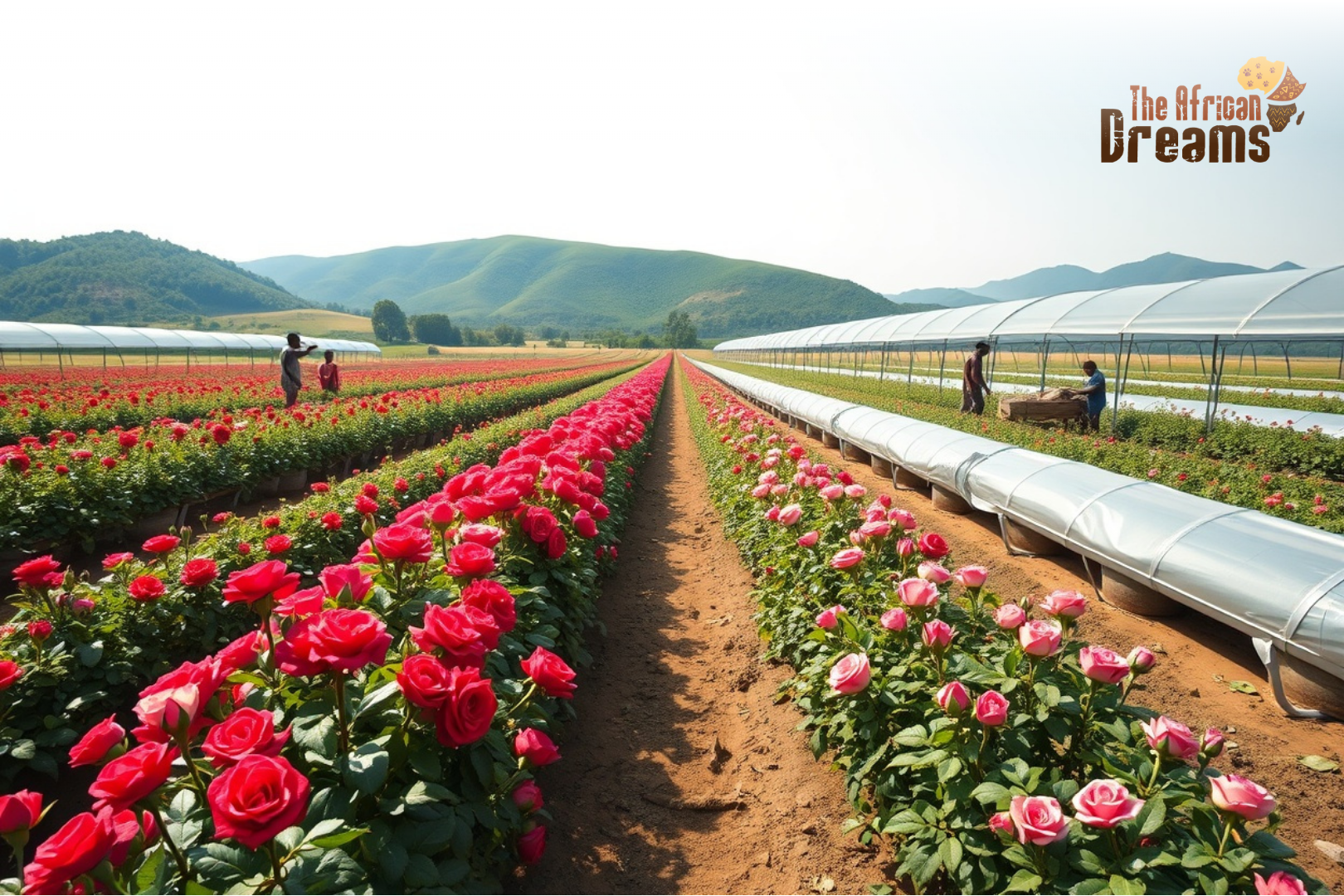
Let me take you through a part of Uganda that doesn’t always make the headlines—but it’s quietly blooming with promise. You may know Uganda for its wildlife, its coffee, or its lakes. Across the gentle hills near Lake Victoria and the cooler highlands, farms are busy growing roses, chrysanthemums, and other vibrant flowers. These fields aren’t just pretty to look at. They are among the many who are contributing to the growth of the Ugandan economy in terms of revenue, employment, and international relations.
Why flowers? Uganda is the perfect place for them because of the weather conditions that prevail in this country. It is always warm, does not experience excessive rainfall, and has a good type of soil. Unlike other countries where growers need artificial lights and expensive greenhouses, Ugandan flowers grow naturally—saving money and energy.
It all started in the early 1990s. Back then, just a few farms were testing the waters. Today, Uganda exports millions of flowers every year. Most of them go to Europe, especially the Netherlands, where they end up in markets, weddings, and flower shops. Every stem that leaves Uganda carries a piece of someone’s hard work.
On these farms, it’s not just about plants. It’s about people. You’ll find women leading packing teams, youth getting trained in modern farming, and entire communities that depend on the steady income from this work. The farms operate efficiently—trimming, sifting, and packing the flowers in a manner that meets the exportation requirements.
Uganda’s Flower Industry is not just an economic venture. It’s a quiet revolution. One that is converting soil, sun, and talent into opportunity. And it’s just getting started.
Article Highlights
Uganda’s flower industry has grown from a small sector in the 1990s to a $64 million export market, with roses leading the way and exports primarily heading to Europe.
Over 10,000 people are directly employed in floriculture, with thousands more benefiting from training programs, women-led teams, and community support services on flower farms.
Farms are adopting eco-friendly practices, such as drip irrigation, solar energy, and organic pest control, to meet growing global demand for sustainable flowers.
Key investment opportunities lie in cold storage, logistics, value-added products, and access to new markets in Asia and the Middle East.
Success stories like Wagagai Ltd highlight the sector’s social impact, where Fairtrade bonus funds have helped workers pay school fees, improve homes, and support their families.
Historical Roots
Uganda’s flower journey didn’t begin with fanfare. It started quietly in the early 1990s, when most people were focused on traditional crops like coffee and tea. Flowers weren’t on the radar. They were seen as something fancy, not something to grow and sell.
But a few growers had a different idea. They looked at Uganda’s weather—warm sunshine, cool nights, and steady rainfall—and thought: this could work for flowers. The soil was rich. The location was close to Entebbe Airport, which meant easy access to export routes. So, they gave it a shot.
They started with roses. Roses are loved around the world, especially in Europe. Uganda’s roses turned out to be strong, colorful, and beautiful. Even better, they could grow well without artificial heating or lighting. These early farms didn’t start big. They exported in small batches. But those small exports made a big impression in Europe.
By the early 2000s, Uganda had built a name in places like the Netherlands, where flower auctions are a big deal. More farms opened. More flowers were added—like carnations and chrysanthemums. The industry was growing.
However, the growth was not without its challenges. The roads weren’t great. Cold storage was limited. Some of the flower products had to be exported by air, which was costly. Still, the farmers pushed through. They realized what the international markets demanded. They improved their farming practices.
To do this, they joined a group to ensure that they were together: The Uganda Flower Exporters Association (UFEA). The Uganda Flower Exporters Association is an organization that comprises different flower exporters in Uganda. This enabled them to exchange ideas and set the pace for the next phase, as well as develop a standard that would be followed.
Those first steps in the 90s laid the foundation. What began as a small risk turned into a full industry. And it all happened because a few people believed that flowers could be more than just beautiful—they could be a way to build something lasting.
Cultivating Success: Uganda’s Floriculture Landscape
For instance, if you proceed towards Lake Victoria from Kampala, there is something that will capture your attention. Daisy fields and acres of flowers that are used for commercial purposes are visible all over the country. It is calm and serene, but at the same time, it has a mission. The people are going about their business silently—watering, pruning, packing. This is where the flower industry in Uganda has really put its roots down.
Currently, there are about twenty large-scale flower farms in the country, and the majority of them are situated in central Uganda and the highlands. The areas that are cooler are more preferable, especially the areas close to the lake and in Wakiso and Mukono districts. There’s enough sunlight, gentle rainfall, and cool temperatures—just right for growing flowers that need care and balance.
Most of these farms are focused on one thing: quality. They grow roses that are rich in color, firm in stem, and long-lasting. But Uganda doesn’t stop at roses anymore. You’ll also find carnations, chrysanthemums, and even potted plants. Some farms are experimenting with new flower varieties to reach more markets.
The interesting thing that can be noted here is just how effective these farms have become. It was established that many use drip irrigation systems with a view of conserving water. Some have installed solar panels in order to reduce the usage of electricity. And most of them depend on employees who are conversant with the intricate process of cultivating, harvesting, and handling flowers for export.
These farms aren’t just fields. They are workplaces, schools, and communities. Some even provide on-site healthcare and daycare for workers’ children. The connection between the flowers and the people growing them is strong.
Uganda’s floriculture isn’t flashy. It’s thoughtful. It’s growing steadily, farm by farm, person by person. With the right conditions and people behind it, this green and colorful landscape is turning into one of Uganda’s most dependable exports—and a real source of pride.
Economic Impact of Uganda's Flower Industry
Of course, the flower industry in Uganda is not as loud as coffee or tourism, but it is doing something huge. It is benefiting the country in so many ways, be it in economic development or in the development of the social fabric of the society. This sector started as an export company and has grown to be among the most successful non-traditional exports in Uganda. Each stem that has been harvested and packed is contributing to a cause that is bigger than the act of harvesting itself.
Here’s what these flowers are really doing for Uganda:
1. Bringing in Export Income:
In 2023, Uganda earned over $64 million from exporting flowers and live plants. Roses brought in the biggest share—more than $25 million. Most of these flowers go to Europe, especially the Netherlands, where they’re sold in big flower markets and shops.
2. Creating Jobs Across the Country:
Flower farms now give full-time work to more than 10,000 people. Many of them are women and young people. Another 40,000 earn money indirectly through transport, supply chains, or packaging jobs.
3. Teaching New Skills:
Working on a flower farm isn’t just about picking stems. It’s also about learning. Workers get trained in handling flowers for export, using safe farming methods, and protecting the environment. These skills stay with them and open more doors.
4. Bringing in Foreign Currency:
Flowers are sold in the international market and are paid in US dollars or euros; hence, they result in the inflow of foreign exchange in the country. This assists Uganda in maintaining the value of its currency and, in turn support its economy.
5. Helping Local Communities:
Other flower farms go further still. The following are some of the activities some flower farms engage in; Some of them contribute to the construction of schools, running of health facilities, or provision of clean water for the neighboring villages. It is not only about the flowers-it is about the people.
Challenges in Uganda’s Flower Industry
The Road Isn’t Always Smooth for Uganda’s Flower Farms
Every successful flower shipment that one gets to see comes from Uganda has gone through many a process. But it’s not always easy. However, there are still some challenges that flower farmers and exporters encounter in the industry despite the industry being on the rise. These challenges can slow things down, raise costs, or even stop farmers from reaching global markets.
Here are some of the main issues they deal with:
1. Unpredictable Weather and Climate Change:
Uganda’s climate is usually ideal for floriculture, but things are changing. Droughts, heavy rains, and rising temperatures are making flower growing harder. Some farms lose entire batches during extreme weather spells.
2. Pests and Plant Diseases:
Flowers are delicate, and even a small pest problem can ruin an entire harvest. Some farms struggle to afford the right pest control methods or lack access to training in sustainable ways to protect crops.
3. High Transport and Logistics Costs:
Transportation of flowers from the farm to the airport is costly. Some of the major challenges affecting the distribution of perishable goods include: The roads in rural areas are poorly developed, and there are few cold storage trucks available. Flowers are perishable products, and thus any hitches or a breakdown in the supply chain can lead to significant losses.
4. Strict International Standards:
Exporting flowers to countries like the Netherlands or Japan means meeting very high quality and safety standards. Farms must use approved chemicals, follow traceability rules, and pass inspections. Meeting these requirements takes time, money, and training.
5. Access to Finance and Investment:
Modern tools, irrigation systems, or cooling facilities are too expensive for many small flower growers. The agriculture businesses, especially those in floriculture, often do not get the loan from banks.
But despite these problems, Uganda’s flower sector keeps going. Farmers, exporters, and government agencies are collaborating to find solutions because they believe in what this industry can provide today and, most importantly, for the future.
Uganda’s Flowers Have to Offer
Uganda’s flower industry has come a long way, but it isn’t finished yet. It’s really exciting about what’s next. There are many people in the business who believe the best days are still to come. And they see opportunities to grow, to make more money, to reach new buyers all around the world. But if we give these flowers the right support, they could do so much more.
These are what’s driving the industry forward:
More than Just Roses:
Roses are grown on most farms, but that is beginning to change. Carnations, chrysanthemums, and even tropical flowers are being added by some farmers now. It helps them to sell to more customers and save themselves from losses if one type doesn’t sell.
Smarter, Greener Farming:
Farms are using methods that protect the land and save money. They’re switching to drip irrigation to use less water. Some use natural pest control instead of chemicals. Others have added solar power. These steps are good for the planet and good for business—especially with buyers who care about sustainability.
New Tools, Better Results:
Technology is making things easier. Farms now use simple tools to check soil quality, track plant health, and control temperature. This means fewer damaged flowers and more successful harvests.
Training People, Growing Skills:
More programs are teaching workers how to do things better—from growing to packing for export. Young people and women especially benefit from these trainings. They gain skills, earn more, and feel more confident.
Bigger Markets Ahead: Uganda’s Flower Industry
Most Ugandan flowers go to Europe, but now countries in Asia and the Middle East are also interested. That means new buyers and more chances to sell.
Flowers Commonly Grown in Uganda
Uganda’s climate supports a wide variety of export-grade flowers. These include:
- Roses (especially hybrid tea and spray roses)
- Chrysanthemums
- Carnations
- Alstroemeria
- Gypsophila (baby’s breath)
- Limonium
- Hypericum berries
- Potted plants like kalanchoe and anthurium
- Tropical flowers such as heliconia and bird of paradise (Strelitzia)
Investment Opportunities in Uganda’s Flower Industry
Why Now Is the Right Time to Invest in Ugandan Flowers
Uganda’s flower industry is growing quietly, but steadily. And with the global demand for fresh-cut flowers rising, investors are starting to take a closer look. Along with good weather and fertile land, the country boasts a young, trainable workforce and government support for agriculture, which is on the rise.
If you are thinking of investment opportunities, Uganda’s Flower Industry is worth a thought. Here’s why:
1. Ideal Climate, Year-Round Production:
Uganda’s consistent temperatures, sunshine, and rainfall allow farmers to grow flowers all year without expensive climate control systems. That means lower costs and higher profits.
2. Land and Room to Expand:
There are many fertile regions that are still underutilized. Through proper planning, new farms can be set up that are close to water, labor, and roads.
3. High Demand in Global Markets:
Europe is still the main buyer, but there is increasing interest in Asia and the Middle East. Uganda is strategically located between Western and Eastern markets.
4. Gaps in Infrastructure:
There’s a clear need for better cold storage, packaging centers, and refrigerated transport. These are perfect spaces for private investment that can support both large and small farms.
5. Opportunities in Value Addition:
Beyond exporting fresh flowers, investors can look into dried flowers, essential oils, and ornamental plant nurseries—offering higher margins and product diversity.
6. Favorable Government Policies:
The government of Uganda provides tax incentives, low-cost land leases, and efforts to promote exports to support agribusiness. The national export strategy considers floriculture as a priority area.
This isn’t just about making money for investors. It is about creating something that grows—literally and economically. However, with a little bit of vision, the flower industry in Uganda can be a profitable and sustainable business for years to come.
Stories from the Field:
Where Every Flower Has a Human Story Behind It
When you walk into a flower farm in Uganda, it’s not the flowers that speak first—it’s the people. It’s a quiet but powerful industry, and behind every blooming stem is a worker, a family, a small community that depends on this.
For example, take the story of Wagagai Ltd. Based near Entebbe, this is one of the largest flower farms in Uganda. In 2023, the company sold over 1.6 million Fairtrade-certified poinsettia cuttings. But it’s what they did with the extra earnings that tells the real story.
Through the Fairtrade Cents Bonus Fund, they distributed €73,173 among their workers. For 1,551 employees, this meant an extra month’s salary—enough to pay school fees, buy medicine, or fix a roof.
Then there’s Rosemary, a mother of three, who started as a packer on a flower farm in Mukono. With the training she received through a local farming initiative, she learned how to manage export-quality packaging, understand post-harvest handling, and even take part in logistics planning. Today, she leads a team of ten. Her story reflects the quiet empowerment happening every day in this sector.
And many farms are now adding benefits to the mix—on-site health clinics, free meals, and childcare. Some even team up with NGOs to provide financial literacy training or small business grants to help the workers plan for the future.
These are not just jobs. They’re stepping stones. People are getting real skills, real income, and pride in their work through the flower industry. Floriculture is more than just flowers to many Ugandans; it’s a way to build a better life, one bloom at a time.
Conclusion
Uganda’s Flower Industry began with a very simple start. It took time to grow, and people hardly paid much attention to it in the early stages. But over time, it became something strong. It has become a symbol of the potential that can be achieved once the environment is conducive for the effort to be put in. From the slopes of the green hills of Mukono and Entebbe to the hands of many workers, this industry has created more than farms; it has created living.
The flowers aren’t just about color or beauty. They represent income for families, jobs for young people, and chances for women to lead. They bring money into the country and open doors to the world.
Of course, there are still problems. Farmers deal with changing weather, poor roads, and strict export rules. But even with these challenges, one thing is clear—Uganda’s flower industry wants to grow. And with the right support—like good training, better tools, and fresh investment—it can go even further.
There are big opportunities ahead: new markets to penetrate, improved methods of farming, and how to increase the value of produce that is grown. For investors, it is an opportunity to invest in something that will make money and also make the world a better place.
This story is not finished. Uganda’s flower industry is, however, still expanding –flower by flower, job by job. And like a garden that is well tended, it has many more good years to come.
FAQs
- What types of flowers are grown in Uganda for export?
Uganda grows a variety of flowers, including roses (hybrid tea and spray), chrysanthemums, carnations, alstroemeria, gypsophila, limonium, hypericum berries, and tropical species like heliconia and bird of paradise. - How important is Uganda’s Flower Industry to Uganda’s economy?
Floriculture is one of Uganda’s top non-traditional exports. In 2023, the country earned over $64 million from exporting flowers, with the industry creating jobs for over 10,000 people and supporting thousands more indirectly. - Where are Uganda’s flowers exported?
Uganda exports most of its flowers to Europe, especially the Netherlands. However, demand is also growing in the Middle East and Asia, opening new markets for Ugandan growers. - What are the main challenges facing Uganda’s flower industry?
Major challenges include climate change, pests, limited cold-chain infrastructure, high transport costs, and the need to comply with strict international standards. - Is Uganda’s flower industry a good sector for investment?
Yes. Investors can explore opportunities in cold storage logistics, flower processing, export packaging, eco-friendly farming, and training facilities—areas with high demand and strong growth potential.


0 Comments