
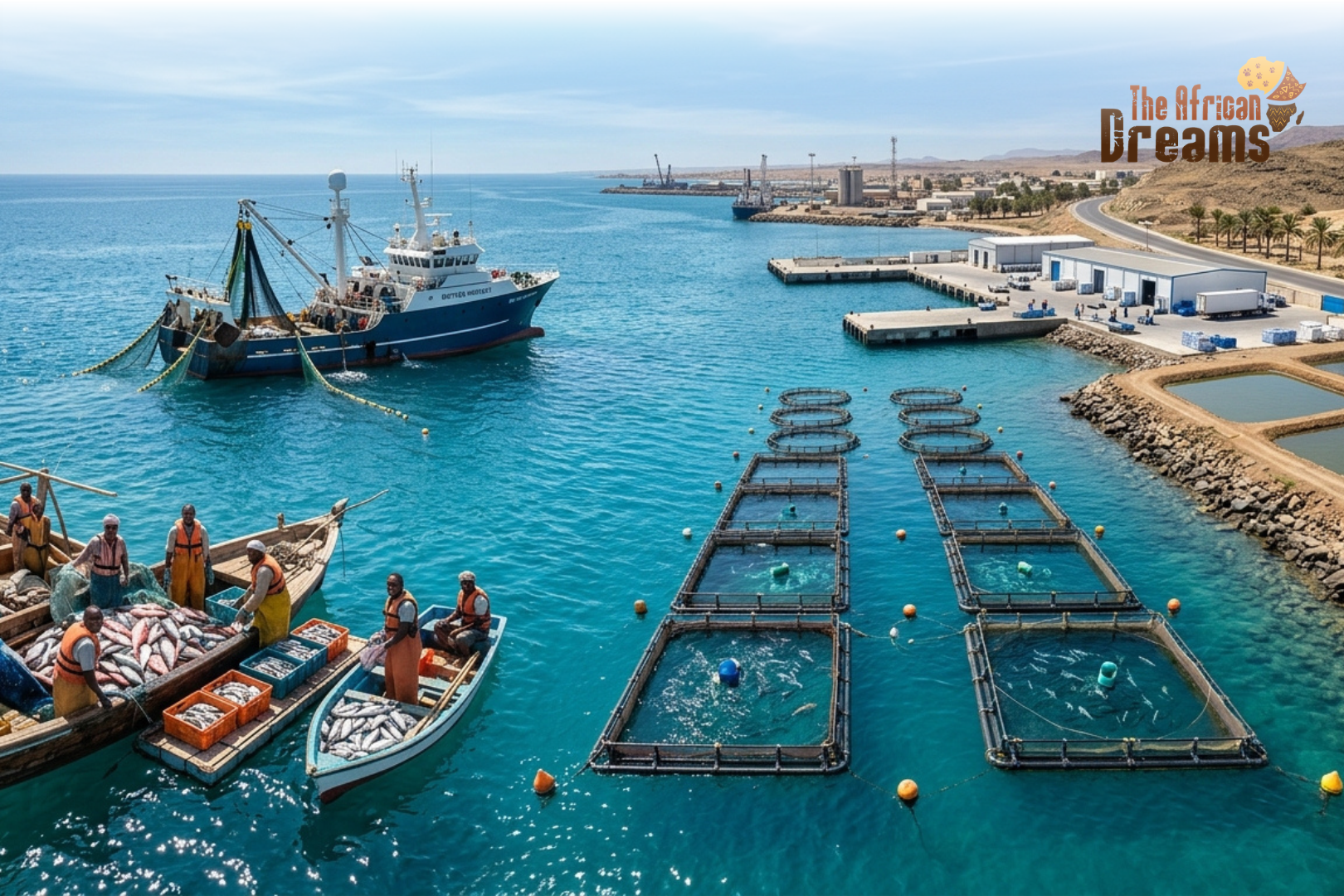
Introduction: Eritrea's Fisheries
Eritrea, located on the Red Sea, has a viable marine ecosystem and a coastline of more than 2,234 kilometers. This makes the nation a potential center for fishing and aquaculture activities. The industry has huge potential for economic development, food safety, and job creation.
This article discusses the state of Eritrea’s fisheries and aquaculture industries, investment potential, industry challenges, and future prospects, and how strategic investments can overcome challenges and enhance the nation’s economic development.
Article Highlights
Overview of Eritrea’s Fisheries and Aquaculture Industry
Major Investment Areas of Eritrea’s Fisheries: Commercial fishing, fish processing, aquaculture farms, and export enterprises.
Challenges: Underexploitation of marine resources, insufficient infrastructure, climate change, and technical limitations.
Strategic Strategies to Address the Challenges: Investment in infrastructure, capacity building, research and development, and supportive policy.
Investment Opportunities: Building sustainable, eco-friendly aquaculture, improved fishing practices, and value-added processing projects.
Overview of Eritrea's Fisheries: Aquaculture and Fishing
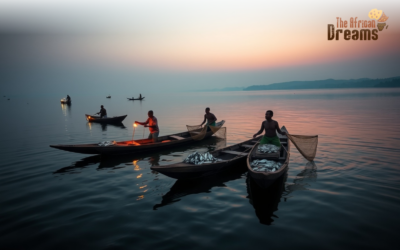
Eritrea’s fisheries have been one of the country’s leading sectors in the past. The sector is a major source of food, employment, and foreign exchange. The country’s marine resources are rich and abundant, with several species of fish and seafood, and great potential for development. Although the marine ecosystem of the country is highly fertile, the nation’s fisheries industry has not been able to utilize resources efficiently and lacks modern facilities to operate at its full capacity.
Eritrea’s fisheries output for 2016 was approximately 4,300 metric tons. Traditional fishing, which has been practiced for decades, has experienced an increase in output, rising from approximately 300 metric tons per year in 1993 to 1,400 metric tons per year in 2000. However, the contribution of fishing to the country’s economy remains small. Fishery products accounted for only 0.6% of Eritrea’s agricultural and food exports in 2003.
Eritrean waters are home to over 1,000 fish species and 220 coral species. The per capita fish consumption stands at 2.95 kg/year and is quite low compared to global averages. Eritrea’s Exclusive Economic Zone (EEZ) covers 121,000 km², while its continental shelf covers 56,000 km².
Eritrean fish production from dams has grown consistently, increasing by 2.5 tonnes annually between 2018 and 2023. In the first 10 months of 2023, fish production from dams amounted to 19 tonnes, representing 77% of production between 2019 and 2022. The Red Sea and Eritrean waters have potential for increased fish production, with estimated maximum sustainable yields ranging from 36,000 to 79,500 tons per year.
Eritrea's Aquaculture Development
Aquaculture in Eritrea is an industry with immense development potential. The government has recognized aquaculture as one of the economy’s growth sectors. With a long coastline, reservoirs of water inshore, and a suitable climate, Eritrea presents a good opportunity for freshwater aquaculture as well as seawater aquaculture.
The Seawater Farms Eritrea (SFE) project, which is capable of farming Salicornia (a plant species best adapted to salty conditions) and other salt-resistant plants, highlights the potential for aquaculture in Eritrea. SFE yielded 14.32 tonnes of shrimp annually from 2001 to 2003 and sold 71% of its yield to the Middle East and Europe.
There has been an effort from the Ministry of Marine Resources in recent years to promote sustainable aquaculture. The government has been working on implementing capacity-building projects aimed at training fishermen and aquaculture farmers, as well as establishing a regulatory regime that promotes sustainable aquaculture. There needs to be greater effort towards sector development and integration of improved aquaculture practices.
Export Landscape: Eritrean fish and seafood items have good export potential, yet certain fish products remain import-reliant. In 2023, Eritrea imported $6.13K of fish fillets from the Netherlands. This implies that there is a domestic gap that can be filled if commercial fishing and aquaculture are developed. There is also huge export potential, and fishery products can serve to supply the foreign market, in addition to the European and Middle Eastern markets
Eritrean exports have held a marginal percentage share in the sector of fishery products. Crustaceans, fish, mollusks, and aquatic invertebrates to the tune of $1.54 million were exported in 2003, which indicates the potential of the sector for the country’s economic contribution. As a result of better infrastructure and more focus on value-added products, Eritrea’s fisheries can prove to be an important source of national income.
Employment Opportunities: Eritrea’s fisheries and aquaculture are major sources of livelihood support for a major portion of the population of Eritreans. It employs directly around 3,000 individuals in various capacities such as fishermen, processing factory workers, etc.
Another statistics report states that the fisheries sector offers direct employment to nearly 3,500 people and part-time employment to nearly 10,000 people. Indirect employment could be created in related sectors such as transportation, warehousing, and sales as well. Employment can increase appreciably as the industry develops, and opportunities are being given to coastal and rural communities.
Challenges Facing Eritrea's Fisheries
1. Underutilization of Marine Resources: The output of Eritrea’s fisheries has been less than its sustainable capacity during all periods, taking into account the richness of marine resources. The primary reason for underutilization is the lack of sophisticated fishery technology and gear. Eritrea’s fisheries industry relies heavily on traditional fishing, and the absence of mechanized boats, sophisticated processing facilities, and cold storage chains lowers the scope of production.
2. Inadequate Infrastructure: Eritrea’s fisheries and aquaculture industries face infrastructure issues. There are few modern processing plants, cold storage, and reliable transport systems. This leads to post-harvest losses, inadequate control over the quality of the product, and a loss of competitiveness for Eritrean fish products in export markets.
Furthermore, the kind of infrastructure needed to support large-scale aquaculture production, such as water quality management facilities and feed supply chains, does not exist.
3. Restricted Technical Competence: The aquaculture sector in Eritrea is still in its primary stage. Consequently, there are inadequate numbers of knowledgeable people who possess the ability to run aquaculture companies efficiently, such as fish health, breeding procedures, and adopting sustainable aquaculture practices. Effective aquaculture training facilities do not exist, and thus the limited knowledge once more becomes a constraint to the development of the sector.
4. Climate Change: Climate change presents one of the greatest risks facing Eritrea’s fisheries and aquaculture industry. Water temperature, salinity, and disease prevalence can affect aquaculture and fish stocks. Climate-related disturbances could increase production losses, particularly in aquaculture, because many species are highly sensitive to climate variability. Therefore, the sector must invest in climate-proofing measures and research sustainable aquaculture species.
Strategic Strategies to Overcome the Challenges
1. Development of Infrastructure: Investment in new processing units, cold storage, and cost-effective transportation infrastructure will be vital in reducing post-harvest losses, sustaining product quality, and enhancing the competitiveness of Eritrean fish products. Development of cold chain infrastructure will facilitate longer shelf life and facilitate the exportation of fish to overseas markets in better condition.
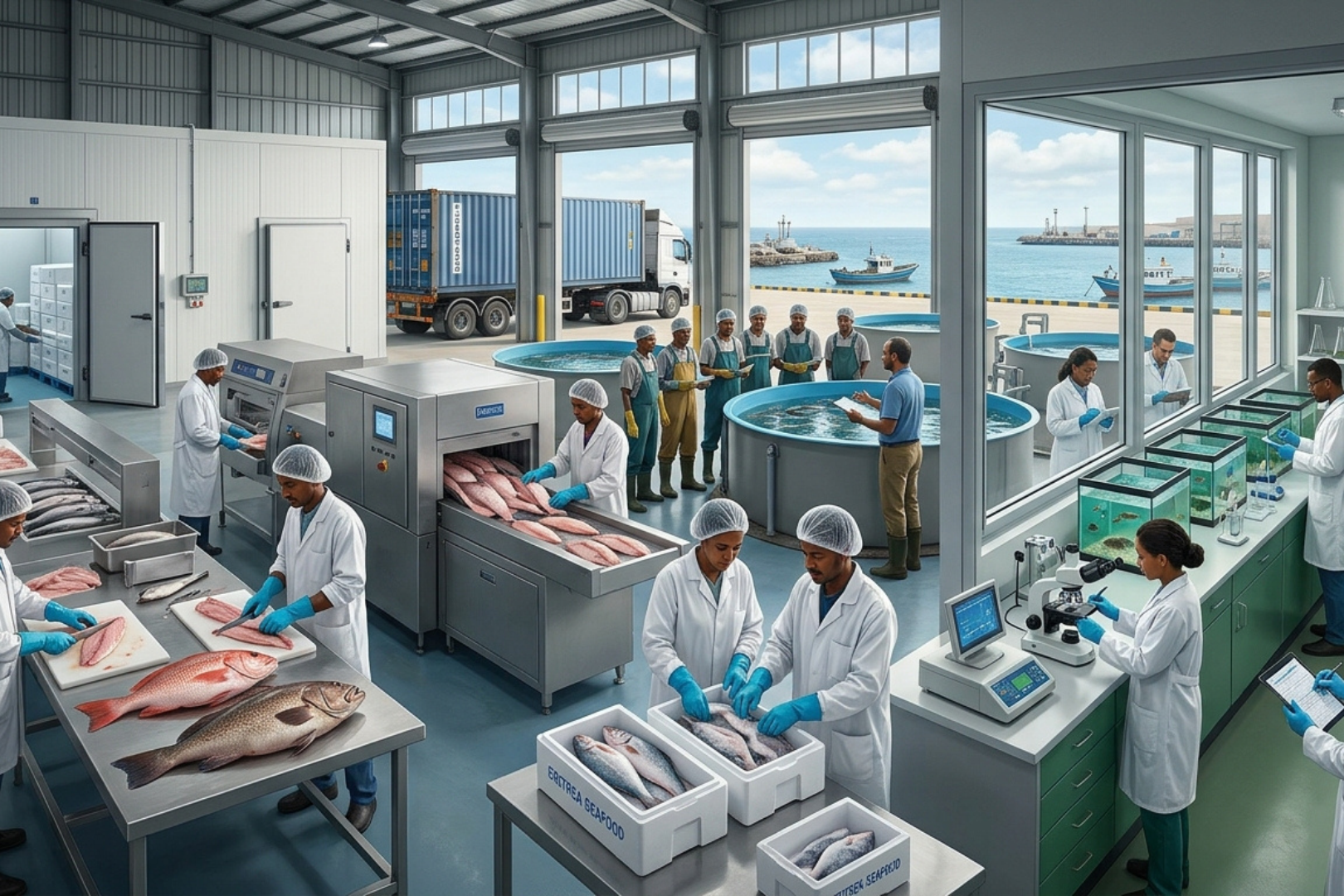
Secondly, the government should look for public-private partnerships to establish internationally acceptable processing and export facilities. These facilities are to focus on value addition of raw fish through freezing, filleting, and packaging in order to earn more revenue and provide employment.
2. Capacity Building: One of the most effective remedies to the industry’s skills gap is providing extensive training programs. They need to acquire the knowledge of modern fishing practices, fish care, aquaculture in ecologically sustainable ways, and the construction and maintenance of aquaculture facilities.
The government and international organizations can establish vocational schools and institutions devoted to fisheries and aquaculture. By investing in human capital, Eritrea can develop a highly skilled workforce that would be capable of running and developing the aquaculture and fishing industries.
3. Research and Development: Climate-resilient aquaculture stock, sustainable feed sources, and disease management need to be addressed through research by Eritrea’s aquaculture sector. Collaborative research initiatives with international partners can help develop innovative solutions to climate change challenges and improve productivity. Besides, research and development investment will enable aquaculture production to become long-term economically and environmentally sustainable. It encompasses conducting research into new farming methods and enhancing the use of natural resources to attain maximum production.
Investment Opportunities in Eritrea's Fisheries & Aquaculture
Investors can consider a wide range of investment opportunities in Eritrea’s fisheries and aquaculture sector by-
1. Commercial Fishing Enterprises: Investment in setting up modern fishing businesses with advanced technology has the capacity to increase the catch rate and quality of products. This can involve constructing mechanized fleets, cold stores, and new processing factories to meet both domestic and export markets.
2. Aquaculture Farms: Setting up coastal and land-based aquaculture farms with a focus on species such as shrimp, tilapia, and catfish will meet domestic requirements and provide opportunities for exports. Investment in aquaculture farms on sustainable land can also include the integration of green practices and producing eco-friendly products that easily gain acceptance in international markets.
3. Processing and Export Businesses: Creating fish processing factories that meet international food quality and safety standards can add value to raw seafood and fish. The factories can operate specialized production such as freezing, filleting, and packaging fish for export, reducing wastage and maximizing returns.
4. Support Services: Supporting investment in value-added operations like feed production, sale of equipment, and logistics can underpin the aquaculture value chain. This initiative can offer opportunities for another enterprise, such as employment creation and generation of revenue. These services will be beneficial to the development of a sustainable aquaculture industry and enhance job creation.
Final Words: Development of Eritrea's Fisheries & Aquaculture
Eritrea’s fisheries and aquaculture sector is a highly potential investment destination. The country’s abundant marine resources, geopolitical location, and growing domestic market for aquatic commodities provide an excellent investment site for foreign and local investors. Despite the potential, the sector faces many challenges such as underutilization of resources, poor infrastructure, technical inadequacy, and climate change effects.
By overcoming these obstacles through strategic investment in infrastructure, capacity building, R&D, and policy, Eritrea’s fisheries and aquaculture sector can realize its full potential.
Investors will have a great opportunity to be part of making history for Eritrea’s fisheries and aquaculture sector, expanding the country’s economy and enjoying enormous returns. The future of Eritrea’s fisheries and aquaculture sector industries is promising, with the right investments and planning paving the way for long-term success.
Frequently Asked Questions (FAQs):
- What are the main challenges of Eritrea’s fisheries and aquaculture industry?
The industry faces challenges such as under-exploitation of marine resources, poor infrastructure, a shortage of technical skills, and the impacts of climate change.
- What investment prospects are there in Eritrea’s fisheries industry?
Investment opportunities include commercial fishing, aquaculture farm development (shrimp, tilapia, etc.), establishment of fish product processing plants, and supporting ancillary services like feed manufacturing and logistics.
- How can investors help solve the problems in Eritrea’s aquaculture sector?
Investors can help by focusing on developing new infrastructure (cold storage, processing plants, etc.), promoting capacity-building projects, investing in research on climate-resilient aquaculture species, and also on policy framework strengthening.
- What are the export opportunities for Eritrean seafood?
There is huge export potential in Middle Eastern and European markets for Eritrea. With enhanced infrastructure and value-added processing, the country could increase its share of world fish and seafood exports.
- How does climate change affect Eritrea’s fisheries and aquaculture sectors?
Climate change affects water temperature, salinity, and the incidence of disease, which can reduce fish stocks and aquaculture production. Investing in climate-resilient species and farming practices is critical to buffer such risks.


0 Comments