
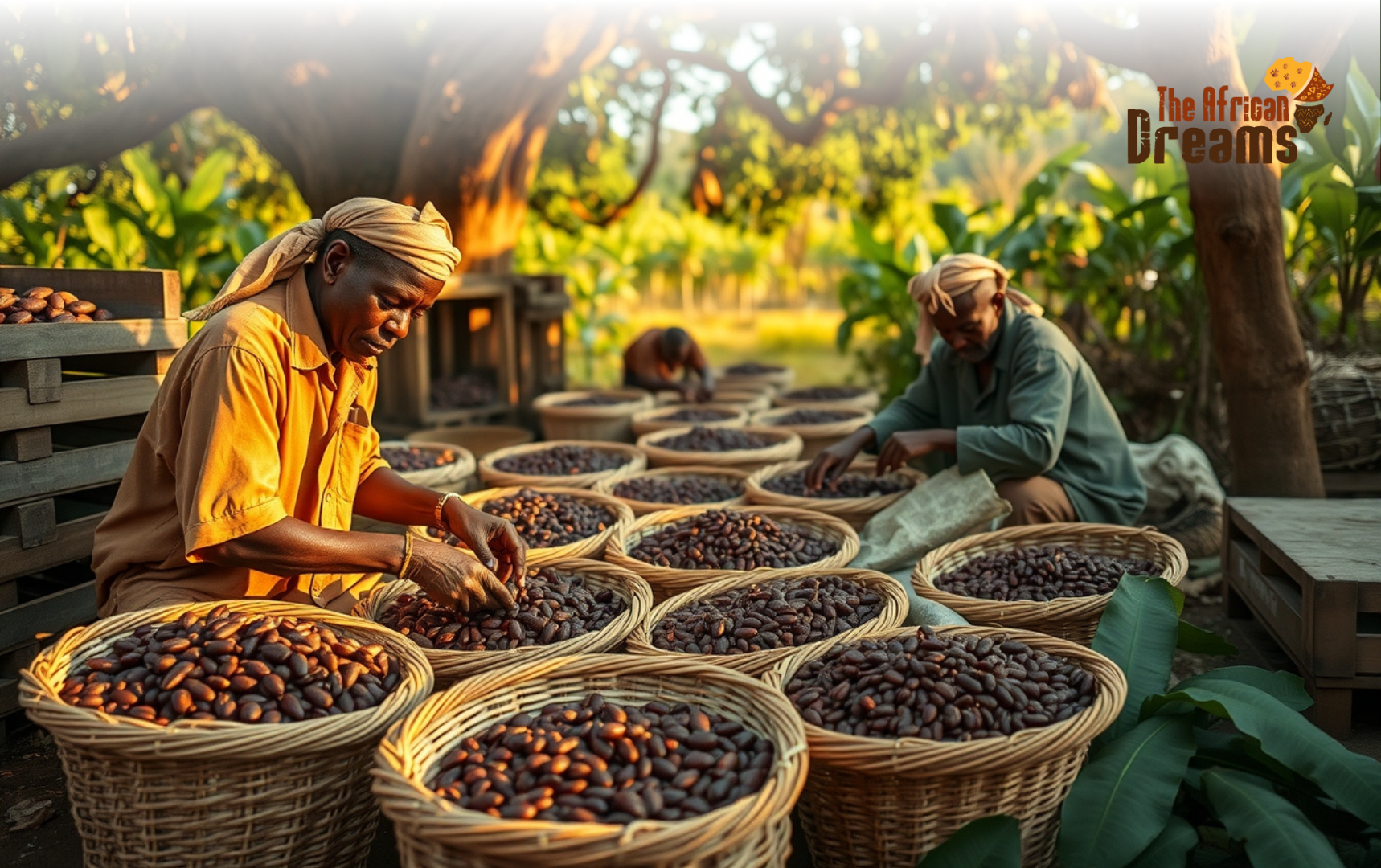
Cocoa production is considered to be one of the most profitable businesses in Cameroon. If you’re looking to invest and do not know where to put your money, then this is the place for you. Discover why investing in Cameroon’s booming cocoa industry could be your next smart financial move!
Current Conditions
The Republic of Cameroon is known for its diverse climate and arable land. Here, agricultural products such as cotton, coffee, and cocoa flourish. Agriculture is a major contributor to the country’s GDP and employs 70% of the workforce.
Cocoa is the key ingredient in chocolate. Cocoa is a cash crop grown throughout the humid tropics, with about 6.5 million hectares planted with the crop in 57 countries. Cameroon has an apt climate for growing crops like cocoa, coffee, and timber. There is abundant rainfall all around to support the growth of crops. Cocoa plantations are inherited from generation to generation. They are valued as significant cultural resources by farmers. Hence, farmers preserve their old trees.
The cocoa sector in Cameroon is a cornerstone of the national economy. It provides livelihoods for over 500,000 people. This sector accounts for a significant portion of the country’s export revenues. The country is recognized for its high-quality cocoa beans, which are sought after in international markets. Recent trends have shown an increase in cocoa production, reinforcing its role as a key economic driver. 70% of the world’s cocoa beans come from four West African countries: Ivory Coast, Ghana, Nigeria, and Cameroon.
There has also been a rise in the price of cocoa in recent times. This has improved the incomes of the farmers in Cameroon. Cameroon’s target is to produce around 300,000 metric tons of cocoa annually. Cameroon is the 5th largest cocoa-producing country in the world. Almost 50–60% of all export earnings came from the sale of cocoa.
A Brief History
The introduction of cocoa to Cameroon dates back to the German colonial period in the early 20th century. The Germans initiated the cultivation of cocoa as a cash crop. They recognized the favorable climatic conditions of the country and took advantage of its opportunities.
After Cameroon’s independence in 1960, the new government continued to support the cocoa sector. They realised that cocoa is an important component of the country’s economy. In the 1970s and 1980s, there was a significant expansion of cocoa cultivation areas. This was due to government policies that encouraged rural development and agricultural diversification. During this period, Cameroon rapidly grew to become one of the top cocoa producers in Africa.
Growing Cocoa in Cameroon
Cocoa production in Cameroon is predominantly concentrated in the Centre, South West, and West regions. These areas benefit from favorable climatic conditions. These have historically been the hubs of cocoa cultivation in the country. Cameroon has soils that are fertile due to volcanic remains in regions of high, medium, and low altitude. The Cameroonian cocoa belt represents about 37% of the total cultivated soil of the country. The Southwest Region is considered to be Cameroon’s most productive cocoa-growing zone. It produces almost 50% of the Central African nation’s 230,000 tonnes a year output.
The cocoa industry of Cameroon has seen growth over the years, with contributions from many types of growers. Cocoa production is carried out by producers who are both smallholder farmers to large corporations. Companies include multinational corporations like Nestlé and Barry Callebaut are key players. Other companies like Socapalm and Telcar Cocoa Ltd are also important. These producers often collaborate with NGOs and government programs to enhance productivity and sustainability. Then again, a significant portion of Cameroon’s cocoa comes from smallholder farmers. These farmers are often supported by organizations and NGOs. Those who are working to improve their livelihoods and the quality of their cocoa beans.
Future Potential and Existing Challenges
The future of Cameroon’s cocoa sector looks promising due to the growing global demand for chocolate. Moreover, in Cameroon, there are ongoing efforts to enhance production quality and sustainability. There are initiatives aimed at boosting yield and ensuring environmentally friendly practices. Cameroon aims to strengthen its position in the global cocoa market further.
There are certain challenges with cocoa farming, such as vulnerability to several pests and diseases. One main challenge is the black pod disease, which significantly reduces yield. To prevent this, farmers need to go for constant sanitation. There is also climate change, which results in more dry seasons, drought, and irregular rainfall. These adversely affect cocoa production, impacting productivity and quality of the cocoa beans. Many cocoa farms in Cameroon use outdated practices that lead to lower productivity. There’s a need for modernization in farming techniques to improve the quality of yields. Poor infrastructure in rural areas, where most cocoa farming leads to poor market access. Your investment can improve these areas and help Cameroon reach its full potential.
In recent years, Cameroon has addressed modern challenges. These include aging plantations, environmental sustainability, and the social impacts of cocoa farming. Efforts are being made to reinvent the sector by introducing disease-resistant cocoa varieties. There are also talks about introducing sustainable farming practices. Programs and partnerships with international organizations aim to improve the livelihoods of smallholder farmers. This will ensure the long-term viability of the cocoa sector in Cameroon.
Why Should You Invest in Cameroon's Cocoa?
Investing in Cameroon’s cocoa production is attractive due to the sector’s promising growth potential. Cameroon has the availability of fertile land and the government’s supportive policies. Additionally, there is a global shift towards sustainably sourced cocoa. Cameroon has become Africa’s fourth-biggest grower of quality cocoa. This offers investors a chance to partake in socially responsible cocoa production measures. By investing, you can not only get high returns but also improve the livelihood of the farmers in Cameroon. A big portion of the cocoa is produced by smallholder farms, and your investment can help improve their growing conditions and the beans.
Conclusion
Cameroon’s cocoa industry offers great potential for growth. By investing in this sector, you can gain significantly and support sustainable farming practices that help the local community. As the demand for cocoa grows, Cameroon focuses on improving production quality and sustainability. This makes it an attractive investment opportunity. Your investment can help enhance infrastructure and farming methods. This, in turn, benefits smallholder farmers and strengthens Cameroon’s role in the global cocoa market. Investing here promotes economic growth and a sustainable future for the cocoa industry in Cameroon. So, wait no further and invest now!

0 Comments