
Agriculture is one of the most profitable sectors to invest in. So if you want to invest in agribusiness, the Republic of Cameroon is the place for you! Situated in the center of sub-Saharan Africa, Cameroon is a diverse country that is often called ‘Africa in miniature”. Cameroon has the perfect climate and land for farming agriculture. In Cameroon, agriculture is not just a way of life; it’s the heartbeat of the nation. Here, agriculture employs almost 80% of the workforce. According to the provisional calculation of BBS, the contribution of agriculture to the GDP in FY 2021-22 is about 11.50%. The main subsistence crops include plantains, beans, potatoes, yams, cassava, maize, and palm oil. Among these crops, maize is playing a vital role in the lives of many Cameroonians.
The Golden Crop of Cameroon: Maize
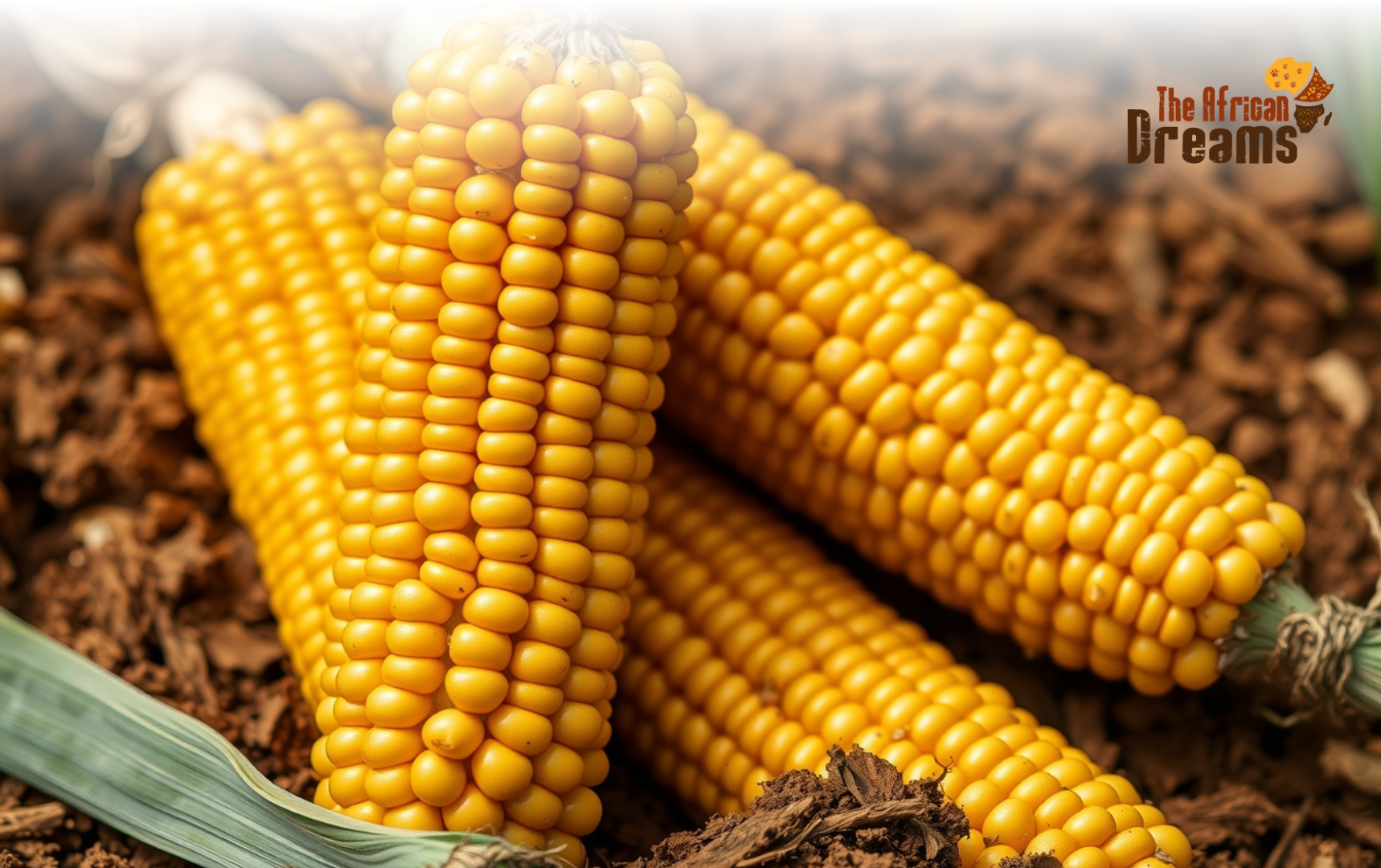
Maize, also known as corn, is a staple food in Cameroon. In Cameroon, maize is cultivated in both the south and the north of the country. It’s a versatile crop and can be made from various dishes. It forms a crucial part of the diet for millions of people. It is a component in family meals and ranks second in consumed starch after cassava. It is also used to make animal feed and is a major feedstock in breweries. In well-managed farms in Cameroon, maize productivity is about 11 tons per hectare.
Figure: Maize, The Golden Crop of Cameroon
This golden grain is not only vital for food security but also for the economic well-being of the country. According to a report by the International Institute of Tropical Agriculture (IITA), maize is cultivated on about 1.8 million hectares in Cameroon. Around 1.6 million tons of maize are produced annually.
In 2023, maize production in Cameroon is projected to be 2,318,238 metric tons. This shows a 10% increase from 2022 production levels. The Northern provinces are expected to produce the most significant volumes of maize. Mainly in Bénoué, Mayo Rey, Mayo Louti, Mayo Kani, and Diamaré. (Source: AAgWa Crop Production Forecasts Brief Series Cameroon – Maize, N0. 12, March 2023)
Historical Roots and Cultural Importance of Maize
Maize was introduced to Cameroon during the colonial period. It quickly became a staple due to its adaptability to various climatic conditions and soil types. Maize is a key ingredient in many traditional dishes such as “corn chaff” and “nkumen,”. These dishes are enjoyed across different regions of the country. These dishes not only provide sustenance but also carry cultural significance. This helps in bringing communities together during festivals and family gatherings.
Maize farming is a major economic activity in Cameroon, providing livelihoods for millions of people. Smallholder farmers, who make up most of the agricultural workforce, rely heavily on maize production for their income. Maize is one of the main sources of income for rural households in Cameroon.
Challenges Facing Maize Production in Cameroon
Despite its importance, maize production in Cameroon faces several challenges.
One of the main issues is the reliance on rain-fed agriculture. This makes maize crops vulnerable to climate change and unpredictable weather patterns.
Additionally, farmers often lack access to modern farming tools and techniques, which can lower the productivity.
Pest infestations and diseases such as the fall armyworm also pose significant threats to maize yields. Investment in such sectors can help improve the whole outlook of the sector.
Farmers face several challenges, like limited access to improved seed varieties, difficulties in post-harvest handling, weed infestations, poor soil fertility, and high fertilizer costs. To address these issues and boost maize yields, it’s crucial to find and use high-yielding maize varieties that are tolerant to these conditions. Implementing appropriate agricultural practices alongside these improved varieties can significantly enhance crop yields.
The Cameroonian government, along with various NGOs, has initiated programs to support maize farmers. These initiatives include providing improved seed varieties, promoting sustainable farming practices, and offering training and resources to help farmers increase yields. Increasing yields can be very beneficial, as maize is the means of earning livelihoods for many farmers in Cameroon. For instance, the Ministry of Agriculture and Rural Development (MINADER) has been actively involved in distributing high-yield maize seeds and fertilizers to farmers across the country.
The Future of Maize in Cameroon’s Agriculture
The future of maize in Cameroon’s agriculture appears promising. With ongoing support from the government and international organizations, there is potential for significant improvements in maize production. Efforts to address climate change, improve agricultural practices, and provide farmers with the necessary tools and resources are crucial. By overcoming the challenges and exploring the opportunities, Cameroon can ensure that maize continues to play a vital role in the country’s economy.
The SISCA project conducted a training workshop in Yaoundé, Cameroon. This aimed to improve the skills and capabilities of small and medium seed producers in the maize and cassava sectors. The workshop brought together participants from various regions. They were then provided with the latest techniques and technologies in seed production. Post-training, participants like Deri Clément, Michelle Mvondo, and Léopold Essoumbou were able to apply what they learned. This helped to significantly enhance their seed production capabilities. This initiative is expected to enhance the quality and availability of local seed production. Thus, this project helps in improving agricultural productivity in the region.
Conclusion
Cameroon’s agriculture is evolving, with maize as a key focus. Its adaptability and cultural significance make it an attractive investment. Government and NGO efforts are improving farming techniques and sustainability. Investing in Cameroon’s maize industry offers economic benefits. It will also give investors high returns and help improve the lives of farmers in Cameroon. This helps enhance food security and provides livelihoods for many. Investors in maize contribute to a sustainable agricultural model that benefits everyone involved. So, wait no further, invest now and reap your rewards!
0 Comments