
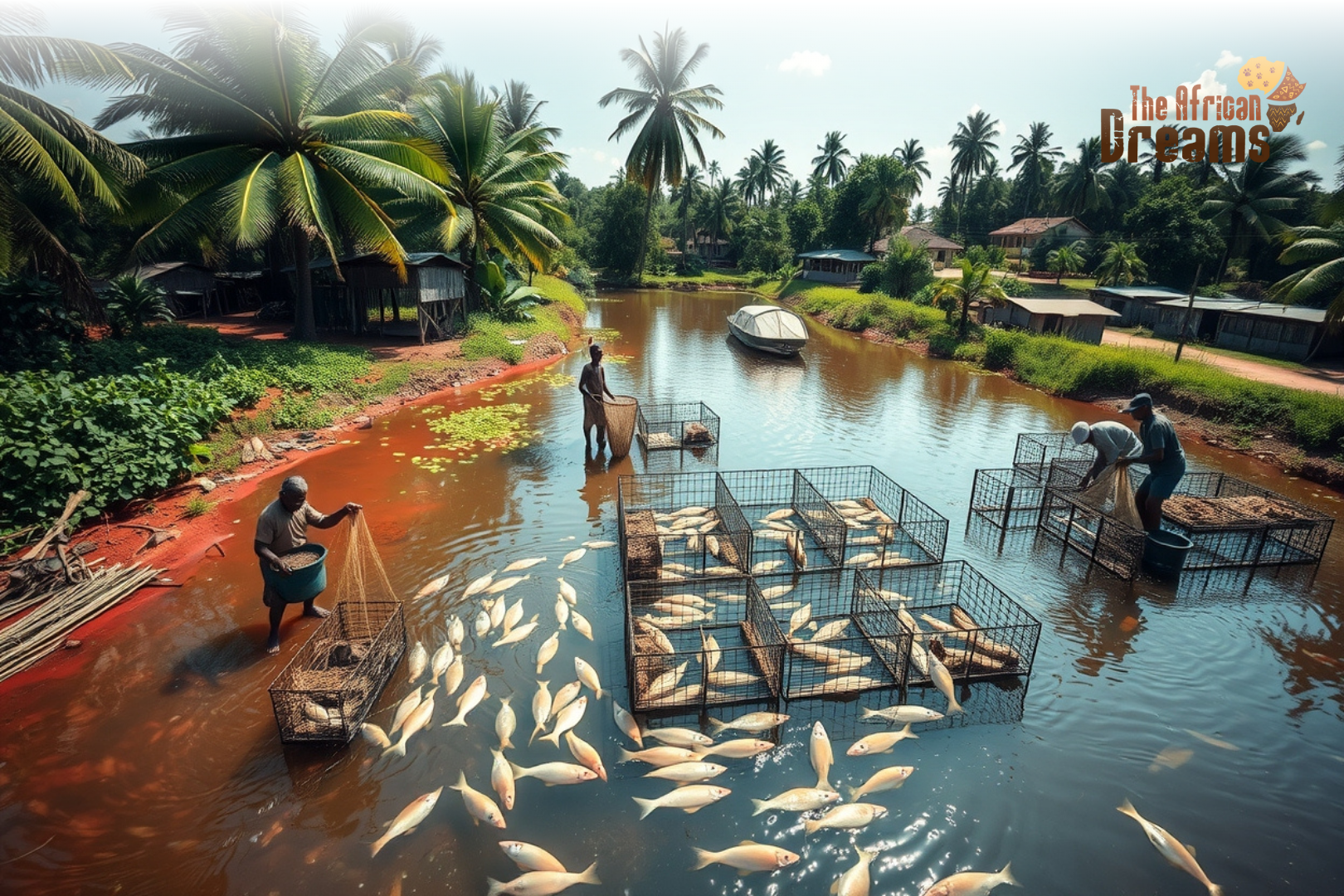
Despite Liberia’s vast natural wealth, the country continues to face challenges like food insecurity, high unemployment, and malnutrition. So, how can Liberia unlock the full potential of its natural resources? The answer may lie in a sector, fish farming in Liberia, that has long been overlooked, or aquaculture.
Imagine harnessing Liberia’s rivers and lakes to not only feed the population but also create jobs and build a more resilient economy. With the potential to improve food security, boost employment, and elevate livelihoods, aquaculture could be the transformative solution Liberia needs to redefine its future.
Let’s explore how this growing industry could be the key to addressing some of the nation’s most pressing challenges.
The State of Fisheries in Liberia
Liberia’s coastal waters are abundant with species like finfish, mollusks, and crustaceans, but the local fishing industry has faced significant setbacks in recent years. The marine artisanal fisheries account for nearly 80% of locally landed marine fish, yet these operations lack effective control measures, leading to reduced fish stocks. Per capita fish consumption has decreased dramatically, dropping from 14 kg in 1980 to 4.3 kg in 2002, far below the global average of 16 kg.
Despite this decline, fish remains a critical source of animal protein, especially for rural populations. With 65% of animal protein consumed coming from fish, the demand for a reliable source of fish is ever-increasing. Herein lies the opportunity for aquaculture to bridge the gap between supply and demand.
Why Aquaculture?
Aquaculture offers a sustainable alternative to overfishing and the depleting marine resources that have driven Liberia’s fishing industry to its current state. Fish farming can provide consistent, renewable fish stocks while reducing pressure on natural marine ecosystems.
By adopting aquaculture practices, Liberia can ensure a steady supply of fish, create jobs, and provide an affordable source of protein. For a country where 81% of the rural population is vulnerable to food insecurity, the introduction of a thriving aquaculture sector could be transformative.
Challenges and Opportunities for Aquaculture in Liberia
Liberia faces several challenges that have slowed the growth of its aquaculture sector. These include
- Poor infrastructure,
- Limited investment,
- Low-quality management practices,
- Inadequate marketing, and
- Restricted access to credit.
However, these challenges also present opportunities for growth and development.
Liberians currently rely heavily on imported fish from neighboring countries like Sierra Leone and Guinea. In 2013, fish imports reached 35,000 metric tons, compared to just 8,000 metric tons produced locally through artisanal fishing. This gap, combined with an increasing population, offers a significant opportunity for aquaculture to fill the shortfall in fish supply.
Liberia’s natural resources, such as abundant rivers, high rainfall, and favorable climate conditions, make it an ideal environment for fish farming. The country has six major rivers and numerous smaller water bodies that are perfect for commercial aquaculture. With an average temperature of 25.8°C and rainfall averaging 4,624 mm per year, Liberia’s climate is well-suited for year-round production of tilapia and catfish.
Current Status of Aquaculture in Liberia
Liberia’s aquaculture sector is still small, with an estimated 50 tons of fish produced annually by smallholder farmers.
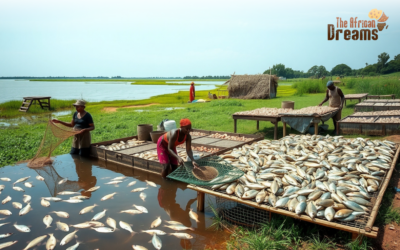
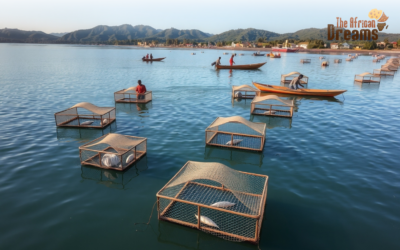
According to a 2021 national aquaculture survey, 1,327 ponds cover 187 hectares, with 944 of these ponds currently active. Farmers primarily cultivate tilapia and catfish, with most practicing extensive fish farming, although a few have started experimenting with tanks and cages.
Despite its modest size, Liberia’s aquaculture sector holds enormous potential. Out of 7.5 million hectares of freshwater in the country, only 0.7 percent is currently utilized for aquaculture. The lack of quality fish feed, seeds, advisory services, and access to credit has hampered the growth of the sector, but with the right investment and policy support, these issues can be addressed.
Strategies to Overcome Challenges
To overcome the barriers facing aquaculture in Liberia, the implementation of the 2021 Fisheries and Aquaculture Policy and Strategy (FAPS) is crucial. This strategy emphasizes increased government support, expanded technical assistance, and the promotion of private investment in aquaculture through Public-Private Partnerships (PPP).
Key strategies include:
- Government Support: Promoting aquaculture as a sustainable practice through policy frameworks and increasing investment in research and development.
- Technical Assistance: Providing training, demonstration programs, and extension services to farmers.
- Private Investment: Offering incentives for private investors to collaborate with local farmers and invest in aquaculture infrastructure.
Infrastructure development is also essential. Liberia lacks the necessary facilities, such as hatcheries, feed mills, and laboratories, that are critical for sustainable aquaculture production. Recent efforts by the government and donor agencies have made progress, including the establishment of the Klay Fish Hatchery and Farmer’s Resource Center, which will provide farmers with quality fish seeds, feeds, and technical support.
Economic Impact of Aquaculture in Liberia
Aquaculture could significantly impact Liberia’s economy by providing both domestic and export opportunities. With optimal management, aquaculture production in Liberia could reach 30,000 tons per year.
The country could earn up to $21 million annually from fish exports, reducing unemployment and offsetting fish imports. By increasing fish production, aquaculture could also boost domestic food security and stabilize local markets.
The Role of Education and Infrastructure
One of the greatest barriers to aquaculture development in Liberia is the lack of education and technical knowledge. Many fish farmers are subsistence farmers with limited access to modern aquaculture practices. This gap in knowledge leads to low yields and inefficient use of resources. Educational programs aimed at teaching modern farming techniques could drastically improve fish farming productivity and profitability in the region.
Furthermore, the infrastructure needed for aquaculture, such as hatcheries, ponds, and water management systems, needs significant investment. In the past, donor-funded programs have shown promise, but many failed due to poor site selection and lack of ongoing support. A more comprehensive approach, involving detailed feasibility studies and long-term planning, could prevent these issues from recurring.
Moving Forward: The Future of Aquaculture in Liberia
For aquaculture to truly redefine Liberia, a coordinated effort is needed.
The government must play a crucial role by providing financial support, creating policy frameworks, and ensuring proper site selection for fish farming. Additionally, partnerships with international NGOs and private investors can help bring modern technologies and best practices to local farmers.
Educational programs focusing on sustainable fish farming practices and the establishment of hatcheries for species like tilapia and catfish will lay the foundation for a successful aquaculture industry. As more communities engage in fish farming, aquaculture could become a major contributor to Liberia’s food security and economic stability.
Conclusion
Fish farming in Liberia has the potential to transform its future by addressing some of its most pressing challenges—food insecurity, unemployment, and malnutrition. With the right investment in education, infrastructure, and planning, aquaculture could emerge as a vital industry, providing a sustainable, renewable source of food and employment for Liberians. By embracing aquaculture, Liberia can redefine its path toward a more prosperous and secure future.

0 Comments