

Introduction: Explore AI in Zimbabwe
Zimbabwe follows the AI-based industry trend worldwide. AI in Zimbabwe is now growing more than ever. Zimbabwean organizations and startups are using AI to improve services and productivity.
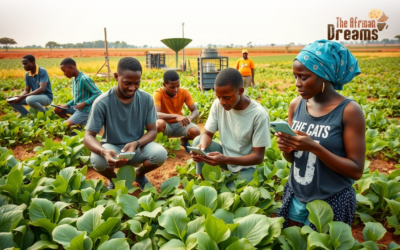
In the Zimbabwean business industry, AI can optimize efficiency, costs, and customer perception decisions for enterprises. AI aids Zimbabwe’s agriculture, finance, retail, health, and power industries. Top operating cases: bots, data processing apps, smart trend prediction systems, user requests, and more. AI in Zimbabwe is also being used in agriculture. Farmers in Zimbabwe use AI apps for weather and crop advice, and banks use AI for security and customer service.
AI in Zimbabwe is young. It might increase efficiency, innovation, and jobs. But it also builds walls: It requires more internet and digital literacy. Look at how AI in Zimbabwe and its technologies are helping Zimbabwe’s corporate environment, their benefits, and the incentives for their use. For digital competition, Zimbabwe must develop an emphasis on AI.
Overview of AI: Definition and Key Concepts
Artificial Intelligence (AI) is a technology that allows machines, especially computers, to think and learn as humans. AI is the discipline that teaches machines how to tackle problems, make decisions, and perceive language, images, or speech. It tries to mimic the human brain’s behavior to solve problems needing a human mind.
Key Concepts of AI:
1. Machine Learning (ML): Machine Learning falls under AI. The aim is to train a computer to learn from data and improve over time without explicit programming. A computer learns to recognize cats by viewing many photos of them.
2. Deep Learning: Deep learning uses layers of artificial “neurons,” roughly analogous to the human brain. Both are powerful in face recognition, speech comprehension, and language translation.
3. Natural Language Processing (NLP): NLP is about teaching computers to recognize and respond to human language. This is what chatbots, Siri, and language translation software rely on.
4. Computer Vision: This enables machines to “see” and understand how images and videos are used. AI can apply computer vision for things like face recognition, self-driving cars, or checking products on a factory line.
5. Robotics: Robots rely on A.I. to sense, move, and make decisions. Some serve homes and hospitals, others the industry.
6. Data and Algorithms: AI works best when there is plenty of data. It follows step-by-step instructions, or algorithms, to use data to answer specific questions or make predictions. The more data AI is fed, the better it learns.
AI in Zimbabwe: Industry-specific Applications
AI in Zimbabwe is gradually anchoring itself in Zimbabwean development. Other industries are beginning to deploy AI to solve problems, enhance services, and reduce costs. Below are some examples of how businesses in Zimbabwe are utilizing AI across different sectors.
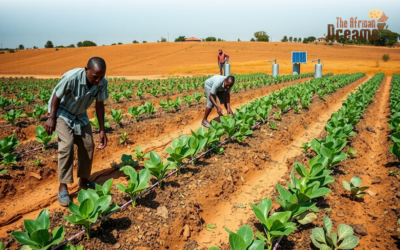
1. Agriculture: Zimbabwe is an agri-based economy. AI in Zimbabwe is aiding farmers in several ways:
A. Crop monitoring: AI-enabled drones and sensors enable farmers to monitor crop health, soil conditions, and pests.
B. Weather prediction: AI tools track weather changes, helping to make weather patterns more predictable so that farmers can better plan for planting and harvesting.
C. Smart irrigation: AI-powered systems manage the water supply, ensuring plants receive exactly the water they need, minimizing waste in the process.
2. Healthcare: The Zimbabwean health system is confronted with numerous challenges. AI in Zimbabwe is helping improve services:
A. Disease Diagnosis: AI can assist doctors in identifying diseases, such as tuberculosis or cancer, by analyzing X-rays or test results more quickly and accurately.
B. Telemedicine: AI chatbots and virtual doctors are enabling people in rural regions to seek medical advice remotely via their phones.
C. Health Data Analysis: AI can analyze health data to track trends and respond to public health challenges (as in the case of COVID-19).
3. Education: AI in Zimbabwe is also affecting how students learn and teachers teach:
A. Personalized Learning: With AI on board, lessons are individually tailored to a student’s level and pace of learning.
B. Virtual Tutors: Many AI tools, such as chatbots and apps, help with schoolwork, including revision and homework.
C. Exam Marking: AI can assist teachers by grading multiple-choice tests and tracking student progress.
4. Finance and Banking: Banks and financial services companies are using AI in Zimbabwe to enhance services and combat fraud:
A. Fraud Detection: AI identifies abnormal behavior in bank accounts and helps prevent fraud.
B. Credit Scoring: AI helps determine if someone will be eligible to receive a loan by comparing various pieces of data (even if a formal credit history hasn’t been established).
C. Customer Service: Chatbots can respond to customers’ questions promptly and at any time, providing a convenient and efficient service.
5. Transport and Logistics: AI in Zimbabwe in planning transport and delivery routes:
A. Traffic Management: AI systems can monitor traffic and decrease jams.
B. Fleet Tracking: AI is being utilized to track vehicles and plan more efficient routes for delivery companies.
C. Public Safety: AI cameras can help identify accidents or unsafe driving.
6. Mining: Zimbabwe has a vibrant mining industry. AI in Zimbabwe is making it safer and more efficient:
A. Predictive Maintenance: AI tools can forecast when machines will need fixing before they break down.
B. Resource Mapping: AI helps us find what’s underground more closely.
Current State of the Business Landscape in Zimbabwe
A. Economic Growth & Key Sectors
Zimbabwe’s economy is recovering fast. The government projects a 6 percent GDP growth in 2025, up from a 2 percent expansion in 2024, driven by a 12.8 percent rebound in agriculture and a 5.6 percent increase in mining.
The leading engines are agriculture, mining, and tourism. Mining capacity is approaching 90%, and tourism already accounts for approximately 12% of the country’s GDP.
B. Currency & Inflation Challenges
Zimbabwe adopted its gold-backed ZiG in April 2024. The percentage of ZiG transactions increased from 26% to 43%. Still, inflation, exchange-rate volatility, and a 20% gap with the black market rate persist.
The undeclared reserves of USD 701 million are only sufficient for 0.8 months of imports, far below the IMF’s recommended three-month buffer.
C. Retail & Informal Trade
Retail was expected to grow 5.1% in 2025, but rising finance, taxes, and energy prices were driving companies to the informal sector. Since official shops cannot handle the instability of ZiG, over 80% of the workforce works in informal businesses, often in night bazaars.
D. Manufacturing & Construction
Manufacturing is recovering, with agro-processing leading the way, projected to grow at 3.1% in 2025. Construction accounts for roughly 10% of GDP and is rising due to diaspora remittances.
How is AI in Zimbabwe Transforming Businesses?
AI in Zimbabwe is changing the game. Many organizations are leveraging AI to enhance services, reduce costs, and accelerate growth. Zimbabwean companies benefit from the efficiency and ease of use of AI. Key ways AI in Zimbabwe is changing Zimbabwean businesses:
1. Improved Customer Service: AI chatbots help businesses respond to customers quickly, 24/7.
2. Better Decision Making: AI analyzes data to help managers make informed, data-driven business decisions.
3. Cost Reduction: Automation with AI reduces the need for manual work, saving time and money.
4. Increased Productivity: AI tools enable employees to work more efficiently and concentrate on key tasks.
5. Enhanced Marketing: AI enables businesses to understand customer preferences, which helps them target ads more effectively.
6. Financial Services Growth: Banks and fintech companies utilize AI for enhanced fraud detection and improved loan processing.
7. Agriculture Improvement: AI supports farmers with weather predictions and crop monitoring.
AI in Zimbabwe is becoming increasingly popular across the retail, banking, agriculture, and telecom sectors. This innovation helps Zimbabwe grow and compete internationally. Overall, AI in Zimbabwe helps Zimbabwean businesses innovate and succeed.
Benefits of Adopting AI in Zimbabwe
Artificial Intelligence (AI) can revolutionize the Zimbabwean economy, public services, and everyday living. Zimbabwe can leverage AI technologies to address myriad local issues and boost growth across various sectors. Here are some key advantages for businesses embracing AI in Zimbabwe:
1. Boosting Agricultural Productivity: Zimbabwe’s economy depends on agriculture. AI applications, including intelligent sensors, drones, and machine learning, can help farmers forecast the weather, identify crop diseases, and manage irrigation systems. This helps to result in more prosperous harvests, less waste, and greater food security.
2. Improving Healthcare Services: AI can analyze patient data, anticipate diseases, and offer therapies to doctors and nurses. In remote locations with limited access to medical professionals, AI chatbots and diagnostic technologies can facilitate faster diagnosis.
3. Enhancing Education and Learning: AI-based learning technologies tailor student learning. AI-enabled online platforms can tailor content to individual learners, providing a more personalized learning experience. This helps close Zimbabwe’s urban-rural schooling gap.
4. Creating Job Opportunities and Innovation: Some worry AI will replace employment, but it can also create new ones in tech, data science, and AI development. Zimbabwean youth can learn digital skills to construct local AI systems.
5. Smart Governance and Public Services: The government can use AI to better serve its people. Whether it’s traffic management in Harare or parsing publicly available data for more informed decisions, AI can also make governance smarter and quicker.
6. Financial Inclusion and Digital Banking: AI is enabling Zimbabweans to use mobile banking, take out loans, and get financial advice. AI chatbots can provide local language support, making it easy and safe to do digital banking.
Final Words: Rise of AI in Zimbabwe
Today, many Zimbabwean companies are using AI in their businesses. AI in Zimbabwe is improving customer service, efficiency, and decision-making. It helps businesses in agriculture, banking, healthcare, and retail. Technologically savvy Zim enterprises are using AI to compete domestically and internationally.
AI in Zimbabwe can boost IT entrepreneurship, innovation, and employment. Zimbabwe must invest in digital infrastructure, education, and training to reap these benefits.
Governments and corporations should collaborate on AI safety and responsible use policies. With assistance and preparation, AI in Zimbabwe can power Zimbabwe’s economy. Zimbabwe’s AI business and growth are young, but the future looks bright.
AI in Zimbabwe will help Zimbabwean companies scale, boost productivity, and become more resilient in the fast-paced digital age. To maximize Zimbabwe’s future potential, Zimbabwe must invest in AI now.

0 Comments