
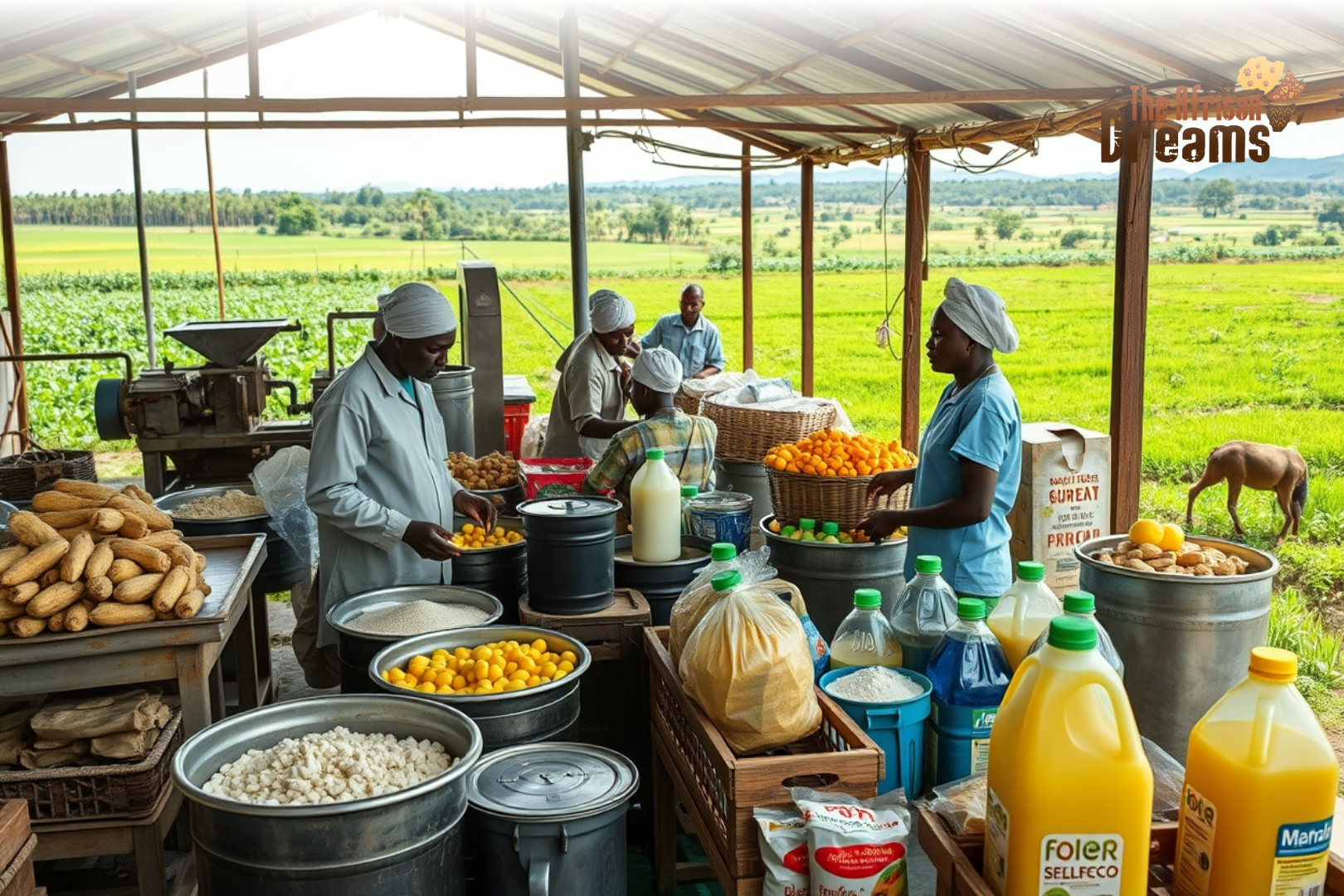
Introduction: Discover Agro-processing in Uganda
Imagine transforming your agricultural produce into high-value products that fetch premium prices both domestically and globally. That’s the power of agro-processing – turning raw crops into processed goods like flour, juices, and preserves. This booming industry is already generating millions in revenue for savvy Ugandan entrepreneurs thanks to growing domestic and export demand. Agro-processing in Uganda, therefore, holds significant importance in developing the agricultural sector of the country.
Agro-processing in Uganda is a sub-sector of manufacturing that uses agricultural products as raw materials and processes them into finished products. The agro-processing industry, therefore, adds value to raw agricultural products by transforming them into other usable products. In this article, we will talk about it.
Article Highlights
Agro-processing in Uganda is a sub-sector of manufacturing that transforms agricultural produce into high-value products.
The agricultural sector is a significant contributor to Uganda’s economy, generating 24% of GDP and accounting for over half of export earnings.
Agro-processing is slowly becoming the backbone of the manufacturing sector, accounting for approximately 60% of its total output.
Rise of Agro-processing in Uganda
The agricultural sector plays a central role in Uganda’s economy, generating 24 percent of Gross Domestic Product (GDP) and accounting for 54 percent of the country’s export earnings (EMF World Bank, 2019).
Almost 70 percent of the working population is engaged in agriculture, which also provides the first job for three-quarters of those aged 15 to 24. 78% of the Ugandan population lives in “rural” areas where farming is the predominant economic activity (UBoS, 2016). At the same time, agro-processing in Uganda is slowly and steadily becoming the backbone of the manufacturing sector, accounting for approximately 60 percent of its total output.
It’s clear that agriculture has always played a central role in Uganda’s economy. However, recent trends show a significant decline in the export of this industry. This sector’s contribution to GDP has decreased from about 50% of total exports in 1995 to 24% in 2020.
This industry reached this position due to the rapid growth of the service sector, while manufacturing has maintained its contribution of around 8%. One of the main catalysts of this change is the sector of agro-processing in Uganda. It forms a substantial part of Uganda’s manufacturing output.
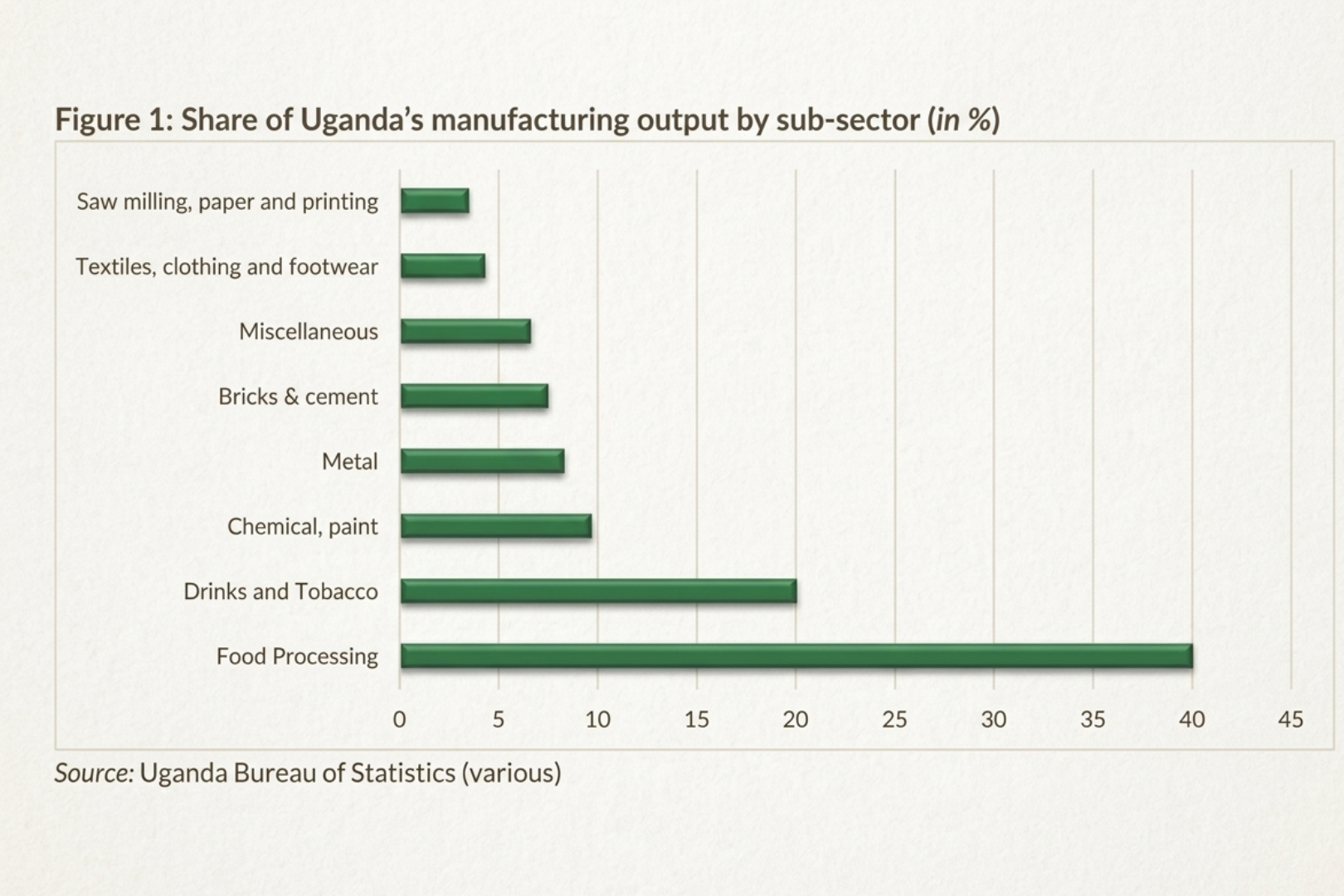
As per the graph, food processing alone holds the majority among other contributors with a whopping 40% share. Adding the tobacco and beverages adds up to 57%. In the last five years, the manufacturing sector has grown at an average of almost 6%, with food processing growing at an annual rate of 8%.
The growth in this sector is fastest in the processing of meat and fish, followed by milk, edible oils, and bakery products, which indicates that dietary habits are changing within the country.
Why is Agro-processing in Uganda Growing?
Agro-processing is encouraged by both internal and regional demand. Uganda’s fast-growing population—3.2 percent per annum—with its rapid urbanization at 5.4 percent annual growth in urban population, has accelerated the demand for processed foods. This is further supported by rising incomes and shifting eating preferences towards higher-value and more convenient food options.
As a result, agro-processing in Uganda has enormous future growth potential based on the establishment of small and medium-sized businesses to address local and regional demands.
Uganda is well-positioned to benefit from many regional and global trade connections, making agro-processing one of the key drivers of inclusive economic growth and job creation.
Overview of Agro-processing in Uganda
Uganda’s agro-processing industry has shown significant growth and potential in recent years. The dairy sector, in particular, has transformed from a USD 2 million industry in 2008 to USD 150 million in 2017, making Uganda a major dairy exporter in Africa.
However, challenges persist for agro-processing Micro, Small, and Medium Enterprises (MSMEs), including low technology adoption, high capital costs, and input supply issues
Generating agro-processing is a promising solution for efficient and sustainable food production, as it reduces post-harvest losses and enhances food security. The Food and Agriculture Organization estimates that 14% of production is wasted due to poor handling and storage methods.
With agro-processing, countries in sub-Saharan Africa can prevent up to 40% of post-harvest losses. It also increases food availability by up to 15% in developing countries, contributing to world food security.
Agro-processing also supports environmental sustainability by reducing resource-intensive food production, reducing greenhouse gas emissions, and conserving natural resources. The United Nations Environment Programme predicts that, with large-scale adoption, agro-processing can reduce agricultural emissions globally by 10% by 2030. This innovative approach will transform the agricultural sector into a more secure, sustainable, and green sector for the next generation.
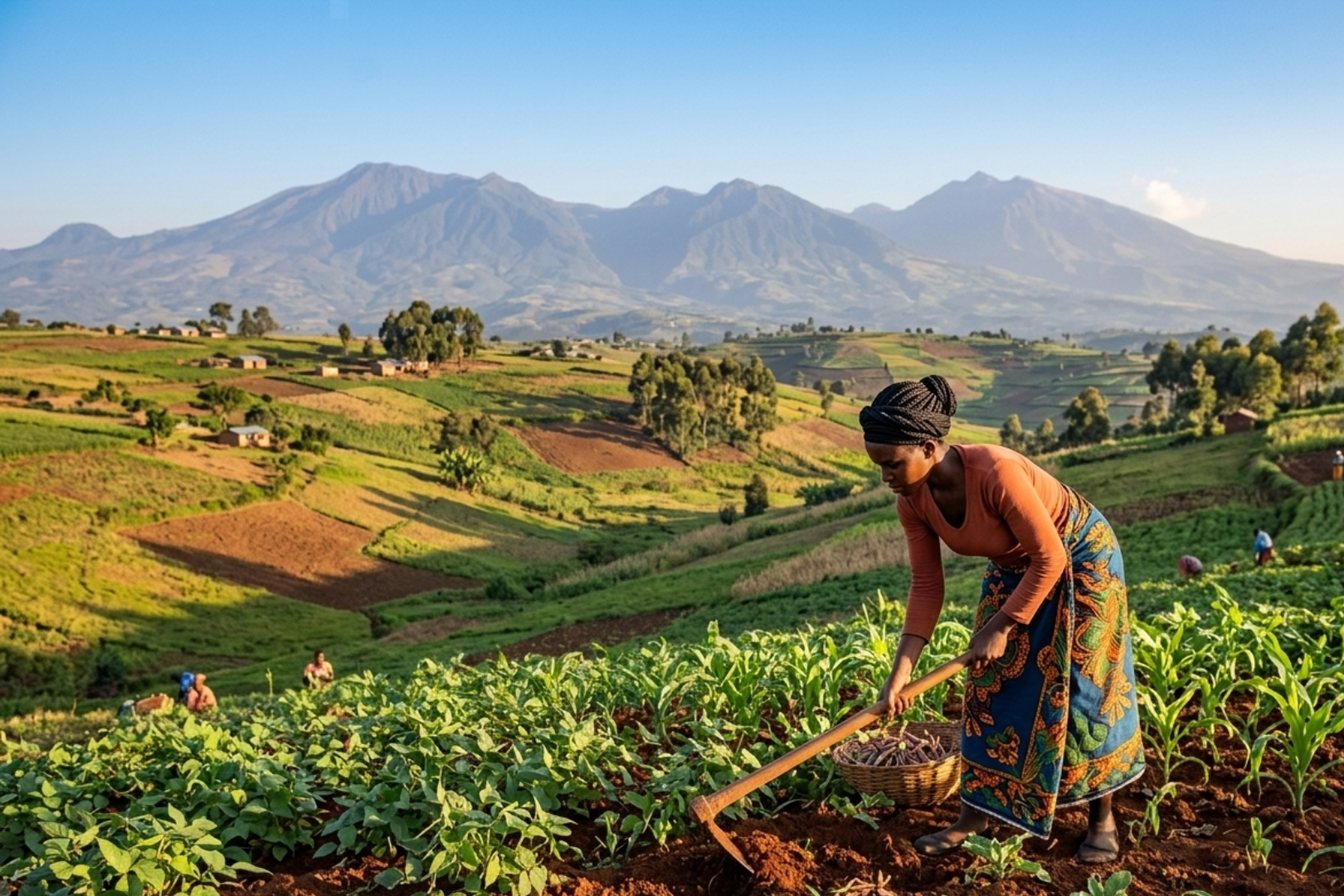
Agro-processing Market: Local & Global Perspective
The agro-processing industry is expanding relentlessly. As the population grows rapidly, demand for processed agricultural products is rising.
One of the main drivers happens to be the changing of people’s habits towards ready-to-eat mass-produced foods. Consumers, especially in developed countries, are keen on this trend. Developed economies import a higher proportion of processed food, comprising about 48% of their total food imports, compared to around 35% for developing economies. This has spurred the expansion of the frozen food, canned goods, and packaged snack industries, all part of the agro-processing ecosystem.
Consumers are becoming health-conscious as the days go by. This has led to a rise in demand for organic, natural, and minimally processed agricultural products, presenting new avenues for agro-processing companies to differentiate their offerings and cater to this evolving consumer preference.
The international agro-processing market is divided into North America, Europe, Asia-Pacific, and Latin America, each with unique consumer preferences, regulatory frameworks, and competitive scenarios. Asia-Pacific’s growing urbanization and middle-class demand for on-the-go food, while Europe prioritizes sustainability and traceability.
Let’s look at some numbers. In 1995, the overall export value of processed food was 289,310 million dollars. In ’96, ’97, and ‘98, it was lingering around 350 million dollars. In 2022, it increased to 1752 million dollars. Demand for agro-processed products is on the rise.
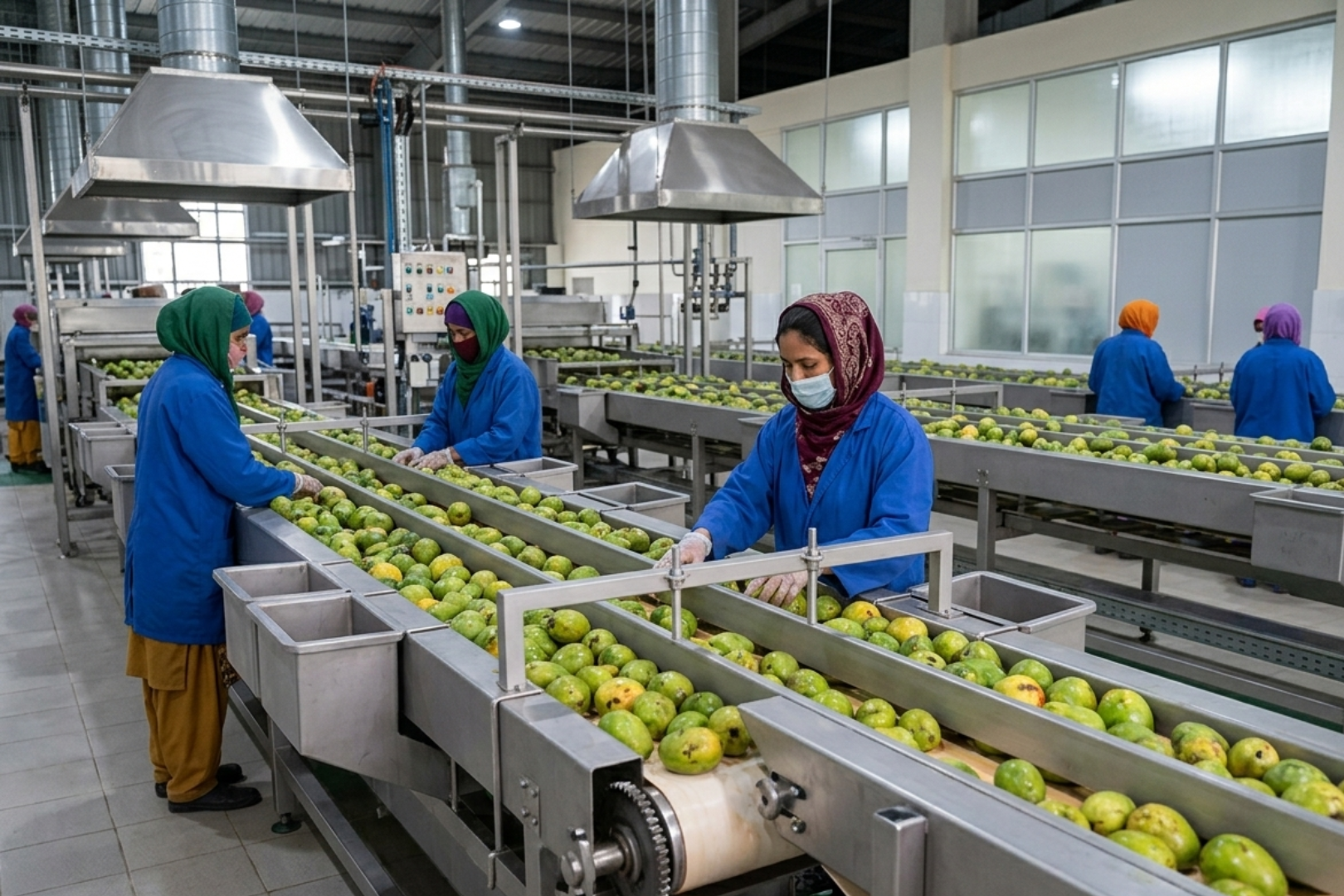
Impact of the Agro-processing in Uganda
According to Samuel Kabbera, Triple Bottom Line Practices, which include social, economic, and environmental sustainability, significantly boost the growth of the agro-processing in Uganda. There is also a great extent of the untouched market that can be easily targeted for better profit.
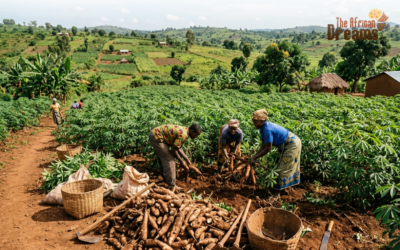
Avocado bioprocessing in Uganda has a lot of potential to produce high-value products and stimulate industrial development. Avocado seed oil can be used to produce biodiesel through transesterification, and is a better alternative to waste cooking oil as it requires no further conversion processes. Cassava processing is a field of greater interest for agro-processing.
Case Study
Charles is a successful businessman and entrepreneur based in Uganda. He returned to Uganda and set up his own food processing company. He served at Save Company (SESACO) with his wife, Juliet Babirye. In 217 charles got funding of 10 million euros. The company employs 44 people and plans to expand to 180 employees by 2023.
Final Words
Agro-processing in Uganda has a great impact on the country’s food security and its economy. With the right strategies and technology, Uganda can capitalize on agro-processing by leveraging its abundant agricultural resources to skyrocket profits.
By investing in agro-processing, you’ll not only maximize your earnings but also create jobs and drive economic development in your community. Become a trailblazer in this lucrative field and enjoy the respect and rewards that come with being a successful agro-processing mogul.
To learn more about the agricultural opportunities in Uganda and why it is considered a land of potential, you can read Uganda’s Agriculture & its Opportunities.
0 Comments