
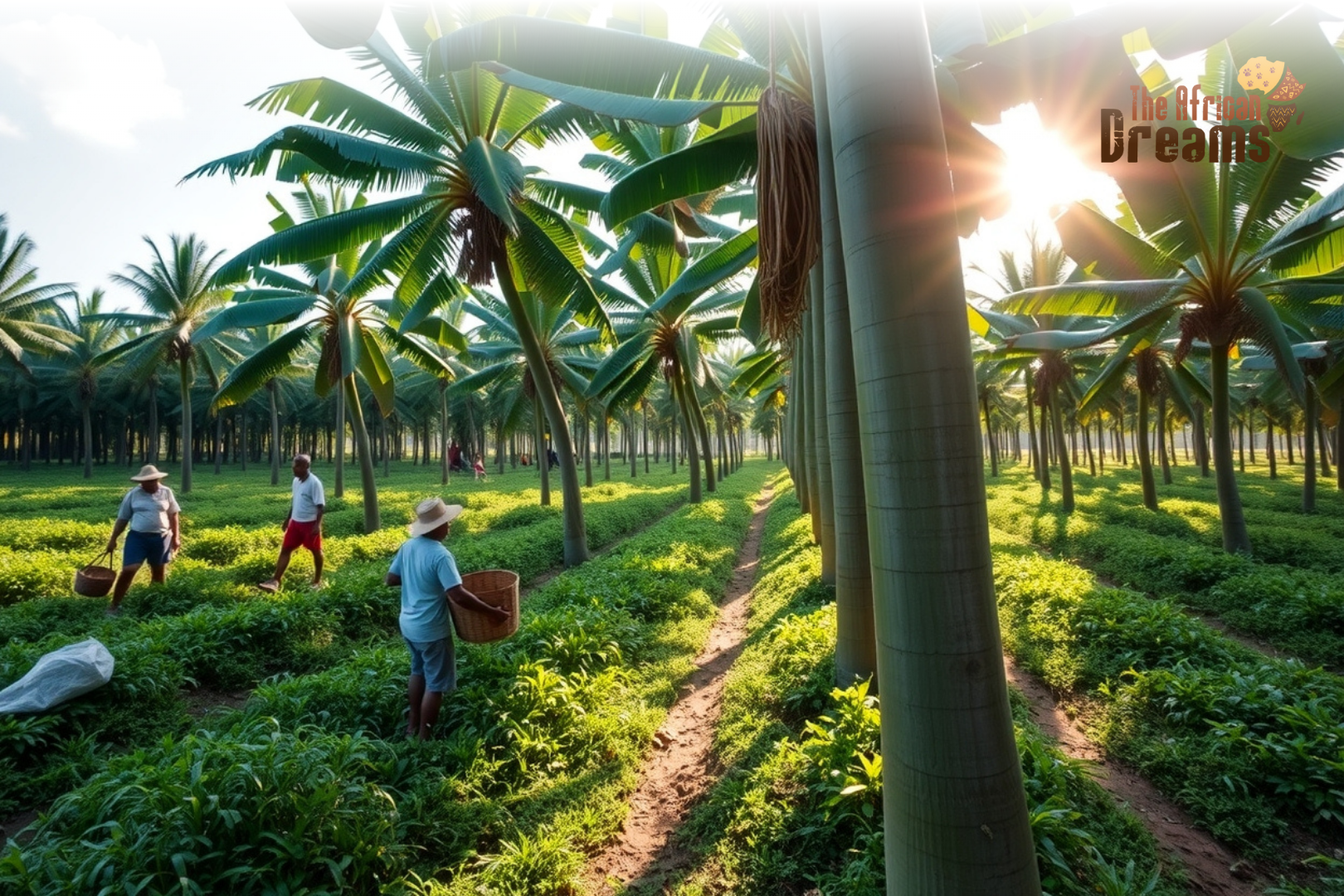
Want to invest but are clueless about where to put your money? We have got you covered. We have researched and found the perfect location for you. Liberia, a small West African nation, has a rich natural resource base, with rubber being one of its most valuable exports.
Since the early 20th century, rubber production has significantly shaped Liberia’s economy. It has significantly contributed to Liberia’s GDP and provided employment to thousands of Liberians. The country’s journey in rubber production began with the establishment of the Firestone Plantation in the 1920s. This marked the start of large-scale rubber production in the region. Today, Liberia stands as Africa’s largest producer of natural rubber! A position it has maintained despite various challenges over the years. This article explores the rubber industry in Liberia and the opportunities it offers. Without further ado, let’s dig in!
Rubber Production Process in Liberia
Rubber production in Liberia involves several stages, starting from the cultivation of rubber trees to the processing of latex into usable forms. The process begins with the planting of rubber trees, which thrive in Liberia’s tropical climate. These trees are typically planted in rows and take about seven years to mature before they can be tapped for latex.
Tapping is a delicate process where skilled workers make incisions into the bark of the rubber tree to collect the milky latex sap. This sap is then collected in cups attached to the tree trunks. The latex is typically collected in the early morning hours to prevent it from drying out in the heat. Once collected, the latex undergoes coagulation, where it is treated with acids to separate the rubber from the water.
The rubber is then processed into various forms. In Liberia, the most common forms include Technically Specified Rubber (TSR) and Ribbed Smoked Sheets (RSS). TSR is a standardized form of natural rubber that is used in a variety of products, including tires and industrial goods. RSS, on the other hand, involves smoking the coagulated rubber sheets to preserve and strengthen them, making them ideal for use in manufacturing.
Rubber Production Regions in Liberia
Rubber production in Liberia is concentrated in several key regions. The most notable are the counties of Margibi, Bong, and Nimba. These areas have the ideal climate and soil conditions for rubber cultivation, making them the heart of Liberia’s rubber industry.
The most famous plantation in Liberia is the Firestone Rubber Plantation, located in Margibi County. Established in 1926, this plantation is the largest in the world and has been a cornerstone of Liberia’s rubber industry for nearly a century. Firestone remains a significant player in the global rubber market, producing substantial quantities of rubber that are exported worldwide.
In addition to Firestone, there are several other important rubber plantations in Liberia. These include the Salala Rubber Corporation and the Cavalla Rubber Corporation. These plantations and numerous smallholder farms contribute to Liberia’s status as a leading rubber producer in Africa.
Current State of Rubber Production
Liberia’s rubber industry remains a critical component of its economy. It contributes to export revenues and provides employment to a large segment of the population. However, the industry has faced several challenges in recent years, including fluctuating global rubber prices and competition from other countries that produce rubber. In 2022, Liberia exported natural rubber worth $ 112.7 million.
Liberia remains a leading producer of natural rubber in Africa. The industry has shown resilience, with efforts to modernize production processes and improve the quality of rubber to meet international standards. Liberia produces approximately 75,000 metric tons of rubber annually. This makes it a key player in the African rubber market. This production is significant when compared to other African nations like Nigeria, which produces around 65,000 metric tons annually. The majority of it is being exported to Europe, Asia, and the United States.
The rubber supply chain in Liberia is well-established. It has a network of plantations, processing facilities, and export channels. This network helps in facilitating the movement of rubber from the farm to the global market. However, ongoing efforts are being made to address inefficiencies in the supply chain, particularly in transportation and processing, to enhance the competitiveness of Liberian rubber on the global stage.
Challenges
The rubber industry in Liberia faces several key challenges that hinder its growth.
- Poor infrastructure, particularly inadequate road networks, makes transporting rubber from plantations to processing facilities difficult. This ends up increasing costs and delaying processing.
- The rubber industry is labor-intensive. Concerns about working conditions, wages, and child labor need to be addressed.
- Additionally, Liberia faces intense global competition from countries such as Thailand, Indonesia, and Malaysia. These countries have more advanced technologies and better infrastructure. This allows them to produce rubber at lower costs.
- Environmental concerns are also significant. Rubber plantations contribute to deforestation and biodiversity loss, prompting pressure for more sustainable practices.
Despite these challenges, there are promising investment opportunities in Liberia’s rubber industry.
Opportunities
Infrastructure development, including improved roads and modern processing facilities, can significantly enhance efficiency and competitiveness. Your investment can significantly support the growth of this sector in various ways.
- There is also potential for value addition. Such as producing finished rubber products locally, which would retain more value within the country.
- Sustainable rubber production, driven by global demand for eco-friendly products, presents another opportunity.
- Finally, expanding rubber plantations could boost production, create jobs, and stimulate economic growth in rural areas. Strategic investment can help achieve all of these goals and provide you with high returns.
By investing in Liberia’s rubber industry, you can tap into one of Africa’s most lucrative markets and benefit from tax incentives. This can enhance your profit margins, making your investment even more rewarding!
Conclusion
Liberia’s rubber industry has a rich history, abundant natural resources, and great potential. Although there are challenges, such as limited infrastructure and global competition, the industry has room to grow with the right investments. Improving infrastructure, adding value to products, and adopting sustainable practices can bring high returns for investors. These investments will also help Liberia’s economic and social development. It can help improve employment and improve the lives of those working in rubber plantations. Liberia’s strategic location, favorable climate, and strong industry make it a promising place for investment in Africa’s agricultural sector. Now is the perfect time to invest in Liberia’s rubber industry. Your contributions can foster growth, create jobs, and improve the overall rubber sector of Liberia. Don’t miss this opportunity to be part of Liberia’s success story and invest now!
0 Comments