
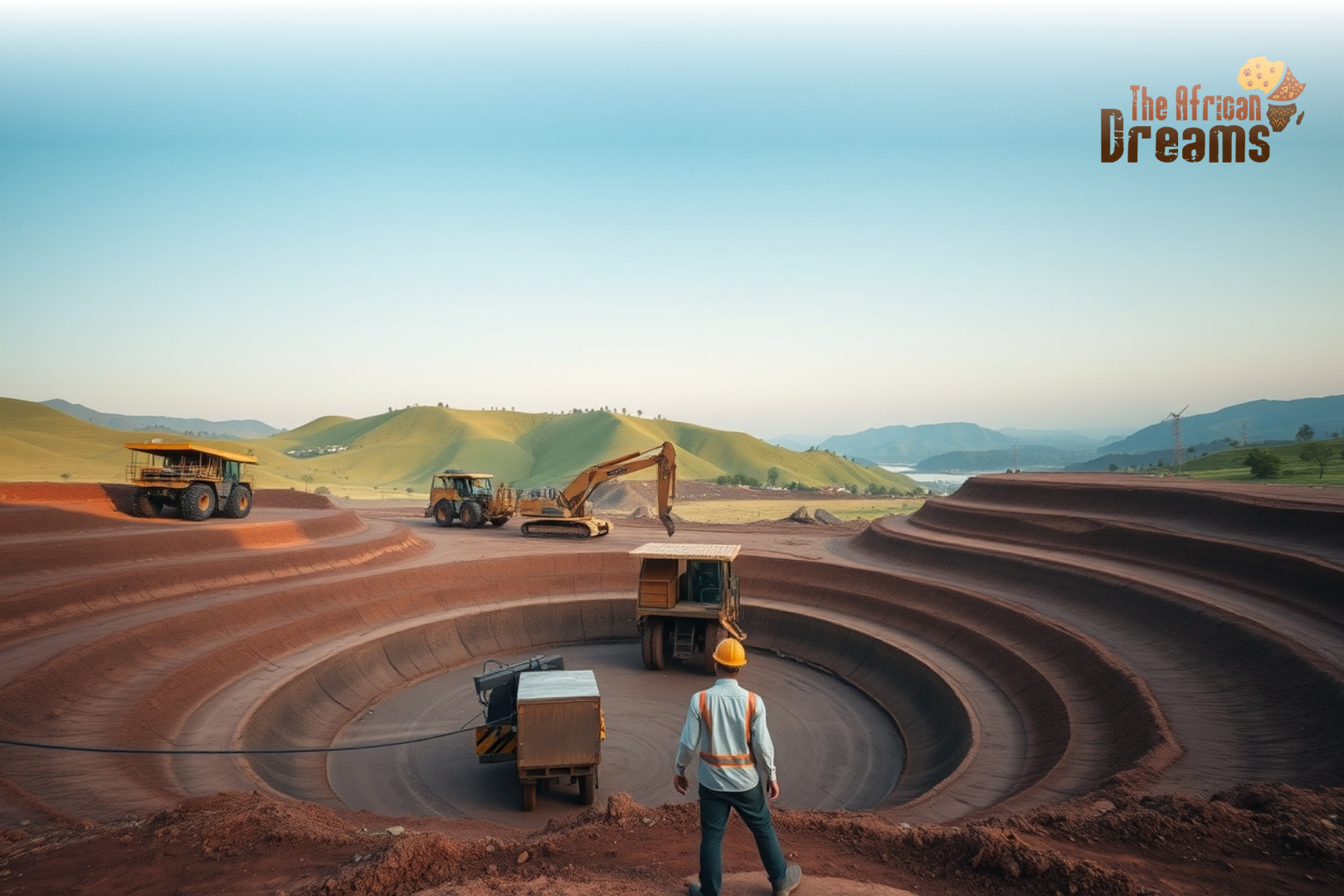
Uranium mining in Africa has long been dominated by countries like Namibia and Niger. However, Malawi is quietly growing in this sector. With significant uranium reserves, a government encouraging mining investment, and global demand for uranium increasing, Malawi’s uranium sector offers opportunities worth exploring.
A Brief History of Malawi’s Uranium Industry
Mining in Malawi has historically been overshadowed by agriculture of the country. But uranium has long been recognized as a key resource. The discovery of uranium deposits in the 1980s laid the foundation for what would become one of the country’s most valuable mineral assets. The opening of the Kayelekera Mine in the early 2000s marked a turning point, briefly making Malawi a notable uranium producer. However, due to falling uranium prices in 2014, operations were suspended.
With uranium prices rebounding and global demand increasing, Kayelekera is now set to restart operations by 2025. This signals a new era for Malawi’s uranium sector, with potential beyond just one mine.
Several regions, including the Livingstonia Basin, have shown signs of uranium deposits, but they remain largely unexplored. If properly developed, Malawi could establish itself as a steady supplier of uranium to the global market.
Importance of Uranium
The global energy landscape is shifting. Countries worldwide are moving away from fossil fuels, increasing the demand for nuclear power as a low-carbon energy source. This shift has caused uranium prices to rise significantly since 2020.
Nuclear Expansion: Countries such as China, India, and the United States are aggressively expanding their nuclear reactor programs. China alone plans to build 150 new reactors within the next 15 years.
Supply Chain Issues: Kazakhstan, the world’s largest uranium producer, has faced production challenges, and geopolitical tensions have affected uranium exports from Russia.
Technological Advancements: Small Modular Reactors (SMRs) are expected to play a major role in energy production, increasing the demand for uranium in the coming years.
Malawi’s uranium is considered high-grade, meaning it contains more uranium per ton of ore compared to many global mines. This gives it a cost advantage in production, making it more attractive to investors.
Why Malawi is a Good Place to Invest in Mining
Malawi has some advantages over other countries when it comes to mining investment. These include:
1. Political Stability
Compared to some nearby countries, Malawi has remained politically stable. While no country is without challenges, Malawi has avoided serious conflicts and government takeovers, making it a safer place for long-term investments.
2. Government Support for Mining
The Malawian government is working to attract mining investors by making laws more business-friendly. Some key benefits include:
-
Easier Licensing: The government has simplified the process of getting mining licenses.
-
Lower Taxes: The uranium royalty tax is 5%, lower than in many neighboring countries.
-
Tax Breaks: Mining companies don’t have to pay VAT on imported equipment, reducing costs.
-
Stable Business Agreements: The government is open to long-term deals that give investors security.
3. Affordable and Growing Workforce
Malawi’s labor costs are lower than in many other mining regions, which helps keep expenses down. The country is also working to improve technical education so more local workers can join the mining industry. While skilled foreign workers are still needed for some jobs, the local workforce is growing.
Investment Opportunities in Malawi’s Uranium Industry
Malawi has a lot of uranium, a key material used in nuclear energy. As demand for clean energy grows, uranium mining in Malawi could become an important industry. Investors have different ways to get involved.
1. Investing in Mining Companies
One of the simplest ways to invest is by buying shares in mining companies already working in Malawi. Lotus Resources is currently working to restart the Kayelekera uranium mine, one of the country’s main uranium sites. Their progress will show how strong the uranium sector is in Malawi. This could be a good option for investors looking for direct exposure to the uranium industry.
2. Exploring New Uranium Sites
Malawi has other areas with uranium that have not yet been fully explored. Investors who have experience in mining exploration can fund small companies that are searching for new uranium deposits. This type of investment carries more risk, but if a new uranium source is found, the returns could be high.
Some key areas of interest include:
-
Regions with uranium deposits that have not been fully studied.
-
Partnerships with the government or private companies to explore new areas.
3. Supporting Mining Operations
Not everyone wants to invest directly in mining. There are also opportunities to support the industry by providing services to mining companies. Some business ideas include:
- Drilling and Exploration: Helping miners find and extract uranium.
- Equipment Supply and Repair: Selling and maintaining mining tools and machines.
- Transport and Logistics: Moving uranium, machinery, and workers to and from mining sites.
- Environmental Services: Helping companies follow environmental rules and operate safely.
Investing in these areas allows businesses to benefit from mining without being affected by uranium price changes.
Confronting the Challenges
Investing in Malawi’s uranium industry comes with challenges. One major issue is infrastructure. Reliable electricity and good transportation networks are lacking. Since Malawi is landlocked, it depends on Mozambique for access to the sea.
However, these problems also create opportunities. There is a need for better roads, railways, and power supplies, especially renewable energy. Investors who think ahead can help develop both mining and infrastructure at the same time.
Another key factor is working well with local communities. In Malawi, land is often owned by the community, so mining companies must show clear benefits for the local people. This is not just about being socially responsible. It helps the mining projects run smoothly. Companies that support local development usually face fewer obstacles.
The Future of Malawi's Uranium Industry
Malawi’s uranium sector is at an important moment. If the Kayelekera mine successfully restarts, it will attract more investment. It will be able to supply steadily in the global market.
For investors, success will require patience and strong partnerships. Understanding Malawi’s challenges and working within its system will be key. With global uranium demand rising and supplies tightening, smaller producers like Malawi will become more important.
For those willing to take a long-term approach, Malawi’s uranium industry offers great opportunities. In a world full of speculative investments, this is an opportunity worth considering.
Conclusion
Malawi’s uranium sector is entering its transformative phase. The restart of the Kayelekera Mine and growing global demand for nuclear energy put the country on track to become a reliable uranium supplier.
While challenges such as infrastructure limitations and community engagement must be navigated thoughtfully, these challenges also present strategic investment openings. For forward-thinking investors seeking long-term returns in a high-demand resource market, the Malawi uranium sector offers a unique and socially impactful opportunity.





0 Comments