

Introduction
Malawi is often called the “Warm Heart of Africa”. The country is home to one of Africa’s most biodiverse freshwater ecosystems, Lake Malawi. This vast lake, along with other water bodies, sustains a thriving fisheries sector that plays a crucial role in food security, employment, and economic growth. With rising demand for fish both locally and internationally, Malawi’s fisheries sector presents a great investment opportunity.
In this blog, we explore the top five reasons why investing in Malawi’s fisheries sector is a smart decision. We will also highlight success stories that showcase the sector’s potential.
Article Highlights
Overview of Malawi’s fisheries sector
Five compelling reasons to invest
Success stories showcasing industry potential
Conclusion summarizing investment opportunities
Frequently Asked Questions (FAQs)
Overview of Malawi’s Fisheries Sector
Malawi’s fisheries sector is an important part of the country’s economy and food supply. With over 20% of the population relying on fish as their main source of protein, this sector plays an important role in food security, employment, and economic growth.
Malawi is blessed with rich water resources, including Lake Malawi, Lake Malombe, the Shire River, and several smaller rivers and wetlands. These water bodies support a diverse range of fish species, making fishing a key industry for many local communities.
The fisheries sector in Malawi is divided into two main categories:
- Capture Fisheries (Wild Fishing)
- Aquaculture (Fish Farming)
To know more about Malawi’s fisheries sector, you can read, Malawi’s Fisheries Sector: A Quick Look.
Capture Fisheries (Wild Fishing)
Capture fisheries refers to the traditional method of catching fish from natural water bodies like lakes, rivers, and wetlands. This is the most common way people in Malawi get their fish.
Key Facts About Capture Fisheries in Malawi:
- Lake Malawi is home to over 1,000 fish species, many of which are found nowhere else in the world.
- The most commonly caught fish include Tilapia (locally called Chambo), Catfish, and Usipa (a small sardine-like fish).
- Fishing is a source of income for over 70,000 people in Malawi, with even more benefiting indirectly through fish processing, transportation, and selling.
- Traditional fishing methods include using nets, canoes, and dugout boats, while some larger operations use motorboats.
Challenges in Capture Fisheries:
- Overfishing: More fish are being caught than the lakes can naturally replace, leading to a decline in fish stocks.
- Climate Change: Changing weather patterns and rising temperatures are affecting fish habitats.
- Illegal Fishing Practices: Some fishermen use small nets to catch young fish before they can reproduce, further reducing fish populations.
To address these challenges, the government and local organizations are working together already. They are promoting sustainable fishing practices, such as limiting fishing during certain seasons. Boht are also encouraging responsible fishing methods.
Aquaculture (Fish Farming)
Aquaculture is the practice of farming fish in ponds, cages, or tanks instead of catching them from lakes and rivers. In recent years, aquaculture has grown rapidly in Malawi as a way to meet the increasing demand for fish.
Key Facts About Aquaculture in Malawi:
- Fish farming has increased from 800 tonnes in 2005 to over 7,600 tonnes in 2016.
- Over 15,000 farmers are involved in fish farming, with women making up 38.5% of fish farmers.
- The government is supporting fish farming as a way to reduce pressure on wild fish stocks and increase local fish production.
- The most commonly farmed fish is Tilapia (Chambo), followed by Catfish.
Types of Fish Farming in Malawi:
- Pond Farming: Farmers dig small ponds where they raise fish. This method is popular among small-scale farmers in rural areas.
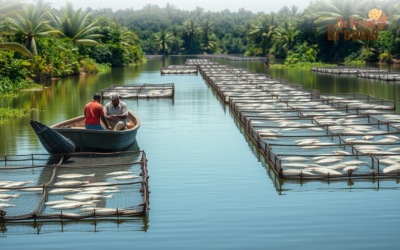
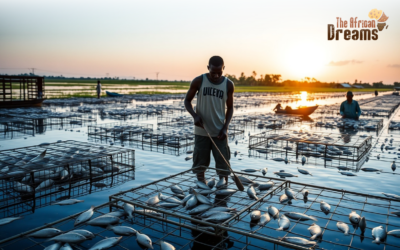
- Cage Farming: Large floating cages are placed in lakes, allowing farmers to raise fish while still using the natural water. This method is used in Lake Malawi and is becoming more common.
- Tank and Raceway Farming: Some commercial fish farms use concrete tanks or raceways where water flows continuously, helping the fish grow faster.
Challenges in Aquaculture:
- High Cost of Fish Feed: Most farmers rely on imported feed, which is expensive. Researchers are looking for cheaper, locally made fish feed to solve this issue.
- Limited Access to Capital: Many small farmers cannot afford to buy equipment or expand their fish farms. Some banks and NGOs are now offering loans to support fish farming.
- Lack of Knowledge: Some farmers do not have enough training on best fish farming practices, which affects their productivity. The government and organizations like the African Development Bank are providing training programs.
Despite these challenges, aquaculture has great potential to grow and provide jobs while helping Malawi meet its increasing demand for fish.
Why the Fisheries Sector is Important to Malawi
The fisheries sector is crucial for Malawi’s economy and food security. Here’s why:
- Employment: Over 70,000 people work directly in fishing, while 600,000 others benefit indirectly from fish-related jobs like processing and selling.
- Food Security: Fish provides up to 20% of the animal protein consumed in Malawi. As the population grows, fish will become even more important.
- Export Potential: Malawi’s fish, especially Tilapia from Lake Malawi, is highly valued in regional markets like Zambia, Tanzania, and Mozambique.
- Sustainable Growth Opportunity: With better management and investments in aquaculture, Malawi can increase fish production and reduce dependence on wild fish stocks.
Five Reasons to Invest in Malawi’s Fisheries Sector
Malawi’s fisheries sector is one of the most important industries in the country. It provides food, jobs, and income for thousands of people. With a growing population and increasing demand for fish, the sector has great potential for investment.
Here are five key reasons why investing in Malawi’s fisheries sector is a smart decision.
1. Abundant Natural Resources:
Malawi has one of the largest freshwater lakes in Africa, Lake Malawi, along with other lakes, rivers, and wetlands. These water bodies provide a perfect environment for fish to grow, both in the wild and through fish farming.
Why This is an Investment Opportunity:
- Lake Malawi has over 1,000 fish species, many of which are found nowhere else in the world. This creates a unique opportunity for investors to promote and sell rare fish species.
- The country has plenty of water resources, making it ideal for aquaculture (fish farming). Fish farms can be set up in ponds, cages, or tanks.
- Malawi’s climate is warm and favorable for fish growth, meaning farmers can harvest fish all year round.
As the demand for fish increases, investors can take advantage of these natural resources to develop profitable fish farming businesses.
2. Government Support and Favorable Policies:
The Malawian government recognizes that the fisheries sector is important for food security and economic growth. Because of this, it has put in place policies and programs to support investors.
Key Government Initiatives:
- National Aquaculture Strategic Plan (NASP II 2021-2031): A 10-year plan to increase fish production through better fish farming practices, funding, and training programs.
- Investment Incentives: The government offers tax exemptions and business-friendly policies to attract investors.
- Public-Private Partnerships: The government is working with private investors to expand aquaculture and improve fishing infrastructure.
Investors who work with the government can benefit from financial support, training programs, and reduced business costs.
3. Growing Domestic and Regional Demand:
The demand for fish in Malawi and neighboring countries is increasing. People rely on fish as an affordable and nutritious source of protein, and as the population grows, so does the need for more fish.
Why This is an Investment Opportunity:
1. Malawi’s population is growing, which means more people are eating fish.
2. Many people in Zambia, Tanzania, and Mozambique buy fish from Malawi, creating export opportunities for investors.
3. Fish imports into Malawi are high because local production does not meet demand. Investors can fill this gap by producing more fish through aquaculture.
By investing in fish farming, processing, or distribution, investors can tap into both local and international markets and generate high profits.
4. Socio-Economic Benefits
The fisheries sector provides jobs for thousands of people in Malawi. Investing in this sector can help reduce poverty, create employment, and improve the livelihoods of local communities. This way, investors can earn profits while contributing to society and improving the livelihoods of thousands.
How Investment Can Help Communities:
1. Job Creation: Fisheries investments create jobs in fish farming, processing, transportation, and sales. This helps many families earn a stable income.
2. Empowering Women and Youth: Many women and young people in Malawi depend on fishing for their income. Investing in this sector helps support these groups and create economic opportunities.
3. Improving Nutrition and Food Security: Fish is rich in protein and essential nutrients, helping to improve the health of Malawians. By increasing fish production, investors contribute to better nutrition and food availability.
When investors support the fisheries sector, they not only make profits but also help improve the lives of local communities.
5. Proven Business Models and Success Stories
Many successful projects in Malawi show that investing in the fisheries sector is profitable and sustainable. Some local and international investors have already benefited from this growing industry.
Examples of Success in Malawi’s Fisheries Sector:
1. The Malawi Aquaculture Development Project: This initiative has helped over 500 fish farmers transition to modern aquaculture techniques. Many participants have seen a 200% increase in production after adopting improved pond management and fish feed practices.
2. Mumba Aquaculture Cooperative: This cooperative of 100+ fish farmers has successfully increased tilapia and catfish production by using sustainable aquaculture techniques and accessing financing for expansion.
3. Lake Malawi Cage Fish Farming: A pilot project in Lake Malawi introduced cage fish farming, allowing local farmers to harvest 10 times more fish per year than traditional fishing. This innovation is now being expanded nationwide.
4. Women-Led Smallholder Aquaculture Projects: A recent UN-supported initiative has helped women entrepreneurs establish fish farms, enabling them to achieve financial independence and improve family nutrition.
These success stories prove that Malawi’s fisheries sector is a profitable and sustainable business opportunity. Investors can learn from these models and expand their businesses.
Conclusion: Why You Should Invest Now
Malawi’s fisheries sector is full of opportunities for investors. With rich water resources, supportive government, investing in this industry is beneficial for both investors and business. The growing demand for fish, and proven success stories, also proves that by stepping into this growing sector, you’re not only building a profitable business but also contributing to the society by creating jobs, improving food security, and making a real impact on people’s lives. Imagine being part of an industry that feeds millions, supports families, and drives economic growth, all while giving you great financial returns.
The best part? You don’t have to start big.
Whether you’re a local entrepreneur or an international investor, there are plenty of ways to get involved, from fish farming and processing to exports and technology.
The time to invest is NOW. As demand for fish continues to rise, those who take action early will reap the biggest rewards. So, are you ready to dive into one of Malawi’s most promising industries?
Frequently Asked Questions (FAQs)
- What are the main challenges facing Malawi’s fisheries sector?
Some challenges include overfishing, climate change, and lack of advanced aquaculture infrastructure. However, new policies and investments are addressing these issues.
- How can I invest in Malawi’s fisheries sector?
Investors can start fish farms, invest in processing plants, or partner with local farmers. Government incentives and international development funds are also available to support businesses.
- What is the future outlook for the fisheries sector?
The sector is projected to grow, driven by rising demand, improved farming technologies, and regional export opportunities. Sustainable practices will be key to long-term success.
- What types of fish are most profitable in Malawi?
Tilapia (Chambo) is the most widely farmed fish due to high demand, fast growth, and adaptability to aquaculture. Catfish is also gaining popularity.
- Are there technological innovations improving fish farming in Malawi?
Yes! Innovations such as cage farming, advanced fish feed, and water quality monitoring are helping farmers increase yields and profitability.



0 Comments