
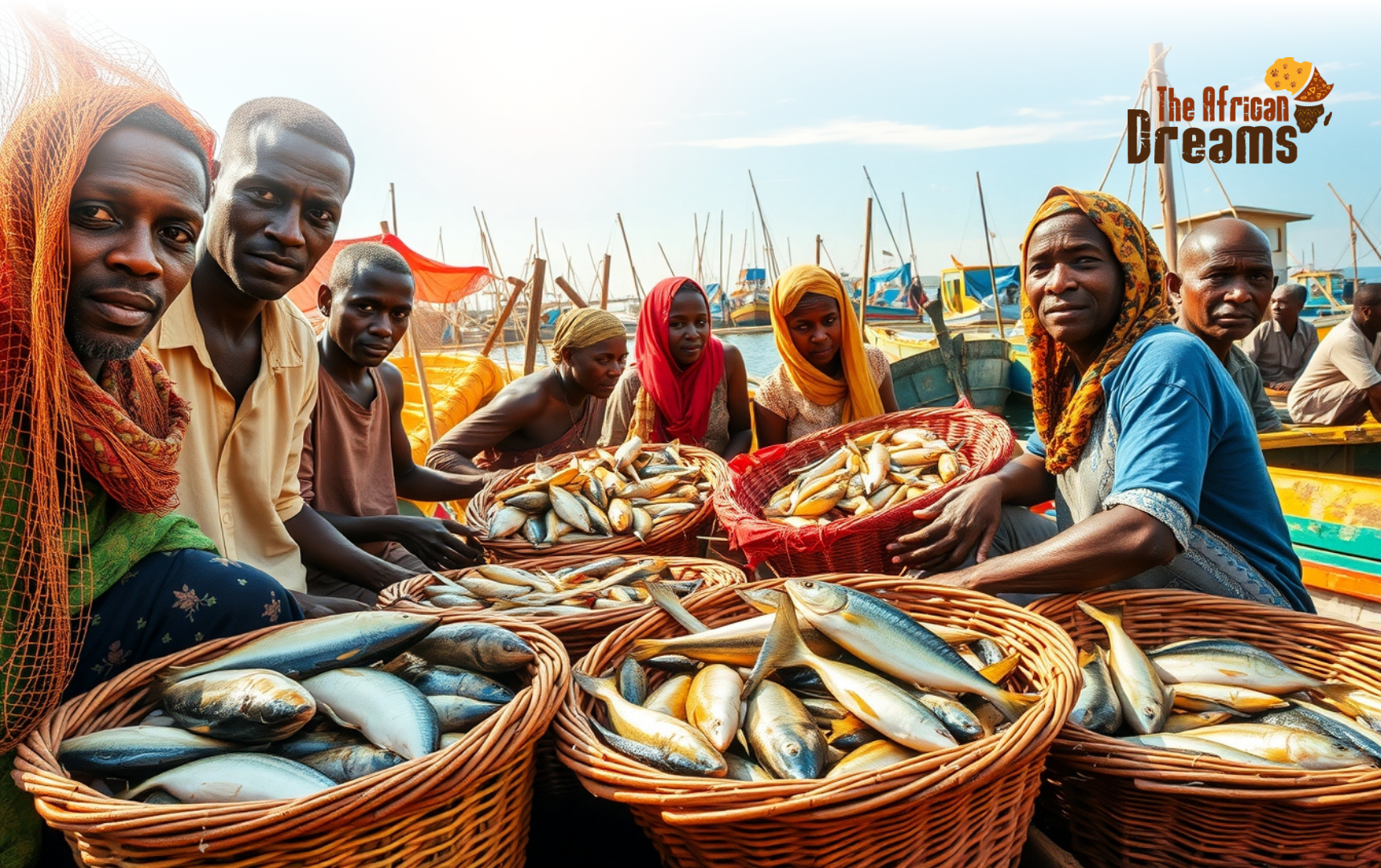
Did you know the fisheries sector is important to the economies of many Southeastern African countries? With 20% covered in water, Malawi is no different. Lake Malawi is the largest and most important lake for fishing in the country. The fisheries sector of Malawi plays a crucial role in the country’s food security, employment, and economic growth. With rising demand for fish both locally and internationally, Malawi’s fisheries sector offers many investment opportunities.
This blog will provide an overview of Malawi’s fisheries sector and the challenges it currently faces. We will discuss the investment opportunities of the fisheries sector and how the sector can benefit both the economy and potential investors. So, without further ado, let’s start!
Article Highlights
Overview of the Fisheries Landscape
Brief Historical Context and Development
The current challenges and opportunities of this sector for investors.
Key investment areas in fisheries, such as aquaculture, etc.
Explains the market Dynamics and demand analysis.
Overview of Malawi’s Fisheries Sector
Malawi is a country in southeastern Africa, known for its great freshwater resources, particularly Lake Malawi. This lake accounts for over 50% of the country’s fish production. As of the latest reports:
- Over 1 million people rely on fishing for their livelihoods.
- The fisheries sector contributes nearly 4% to Malawi’s GDP, underscoring its significant role in the country’s economy.
There are two main types of fisheries: capture fisheries, which mostly revolve around fishing in natural waters, and aquaculture, which involves fish farming in controlled environments.
Historical Context and Development
The evolution of Malawi’s fisheries sector has been closely tied to its cultural and economic history. Traditional fishing practices have been around for centuries, but the sector has seen many changes over the decades due to:
- Government policies promoting sustainable fishing.
- Community-based management initiatives that empower local fishers.
- Increased interest from local and international investors working to improve food security.
Current Challenges and Opportunities
Malawi’s fisheries sector faces many challenges, particularly with
- Overfishing: More fish are being caught than the lakes can naturally replace, leading to a decline in fish stocks.
- Climate Change: Changing weather patterns and rising temperatures are affecting fish habitats.
- Illegal Fishing Practices: Some fishermen use small-sized nets that catch young fish before they can reproduce, which further reduces fish populations.
To address these challenges, the government and local organizations are working to promote sustainable fishing practices, such as limiting fishing in certain seasons and encouraging responsible fishing methods. However, these challenges also bring opportunities:
- Innovations in sustainable fishing practices offer vast potential.
- Technological advancements in monitoring and breeding can enhance yields and many more.
- Investment from local and global investors for the sector’s growth and building communities.
Now, let’s take a look at the key investment areas in the fisheries sector.
Key Investment Areas in Fisheries
Malawi’s fisheries sector is divided into two groups, capture fisheries and aquaculture. Some key investment areas in Fisheries include;
1. Aquaculture: The Future of Fish Farming: Aquaculture is emerging as the cornerstone of Malawi’s fisheries future. Current practices include:
- Cultivation of tilapia and catfish is popular due to their fast growth and adaptability.
- There’s room for investments in the production of fish feed, an essential component of fish farming.
However, infrastructure improvements are crucial for scaling these operations to meet rising demands.
Fig: Boosting Malawi’s aquaculture production for food security
2. Value Addition through Processing: Investing in fish processing is vital for market growth. Here’s why:
- Local processing can significantly enhance fish value, ensuring better prices for farmers.
- Establishing fish processing plants can create jobs and stimulate local economies. For instance, success stories in nearby countries can serve as models.
3. Eco-tourism and Recreational Fishing: Malawi’s natural beauty makes it important for:
- Fish tourism, which can draw anglers and nature lovers alike.
- Development of fishing lodges that provide unique experiences while promoting sustainability.
Partnerships with local communities can ensure that these ventures grow responsibly. Government support, public-private partnerships, and a suitable framework certainly play a great role in this.
Policy Environment and Regulatory Framework
1. Government Initiatives Supporting Fisheries Investment: The Malawian government has initiated several supportive measures, including:
- Policies aimed at attracting both local and foreign investments.
- Incentives that focus on sustainability and community welfare.
These initiatives encourage collaborative efforts between government bodies and private investors to bolster the sector.
2. Regulatory Challenges and Compliance: Investors must navigate a complex set of regulations, including:
- Guidelines addressing fishing quotas and seasons.
- Enforcement mechanisms to ensure sustainability, in which local governments play a vital role.
3. Aligning Investments with Sustainable Development Goals: Investors can align their strategies with the Sustainable Development Goals (SDGs), focusing on:
- Fisheries sustainability.
- Best practices that promote responsible investments, ensuring positive social and environmental impacts.
Market Dynamics and Demand Analysis
1. Local vs. Export Market Opportunities: Malawi has a rich local fish consumption culture, but there’s also a growing demand in international markets. Considerations include:
- Understanding local consumption patterns.
- Overcoming logistical challenges for export logistics to reach international buyers.
2. Consumer Trends and Preferences: With an increasing trend toward health-conscious eating, the demand for fish products is on the rise. This shift provides opportunities for:
- Organic and sustainably sourced fish products that cater to discerning consumers.
Tips for Investors
The evolution of Malawi’s fisheries sector has been closely tied to its cultural and economic history. Traditional fishing practices have been around for centuries, but the sector has seen many changes over the decades due to:
- Government policies promoting sustainable fishing.
- Community-based management initiatives that empower local fishers.
- Increased interest from local and international investors working to improve food security.
Successful Aquaculture Ventures
Many aquaculture projects have successfully thrived, showcasing profitable systems such as small-scale fish farms that provide income while promoting local biodiversity. The lessons learned from these projects can offer insights into best practices and potential challenges.
Impact of Value-Added Fishing Initiatives: For example, a successful fish processing company demonstrated how:
- Investing in local processing not only boosted their business but also transformed local economies through job creation and improved incomes.
- Innovations in product offerings often lead to better market positioning.
Community-Level Empowerment through Fisheries: Successful community-managed projects have shown that:
- Empowering local communities leads to better resource management and increased livelihoods.
- Women and youth play pivotal roles in these initiatives, fostering inclusivity and empowerment.
Conclusion
Malawi’s fisheries sector is crucial to its economy, livelihoods, food security, and biodiversity. The fisheries sector offers many investment opportunities to both local and global investors. Before investing, they can look into market analysis and adopt proven business practices to maximise profit. With the implementation of proper strategies and the support of government and public-private partnerships, Malawi’s fisheries sector will continue to grow. With the stepping into this growing sector, investors are not only building a profitable business but also creating jobs, improving food security, and making a real impact on people’s lives. By investing wisely, investors contribute to the fisheries sector, support the economy, and promote environmental health. And, now is the perfect time to dig deeper into this sector for more business opportunities.


0 Comments