
Introduction
Millet, Sorghum, and Finger Millet are all cereal crops widely grown and harvested in Uganda. These crops are nutritious, and Finger Millet in particular has gained popularity for its resilience. Despite their popularity, cereal crop farmers face several challenges in producing them. What are the challenges to producing them in Uganda, then? Let’s talk about it.
Article Highlights
Assessing Millet, Sorghum, and Finger Millet production challenges in Uganda.
Discussing different solutions to the production difficulties of these crops.
Providing adaptation strategies to increase climate resilience.
Millet, Sorghum, and Finger Millet Production in Uganda
Sorghum is the second most important cereal in Uganda, and Finger Millet is the third. Ugandan farmers have been growing these cereal crops for some time now. Local variants are dominant in this sector because they are used to the climate and harsh conditions. However, this is nothing compared to how much they could produce given the time and the changes they could bring to farming practices.
1. Farming Practices
Both traditional and modern farming techniques are practiced in Uganda. However, the farmers mostly lean towards what they know and have been taught since they started farming. Small-scale farmers with limited land dominate cereal production even without access to technology, better seeds, fertilizers, and pesticides.
In traditional systems, farmers prepare the land during the dry season and plant millet and sorghum when the first rains arrive. They also do weddings manually, which is inefficient and time-consuming.
2. Crop Rotation
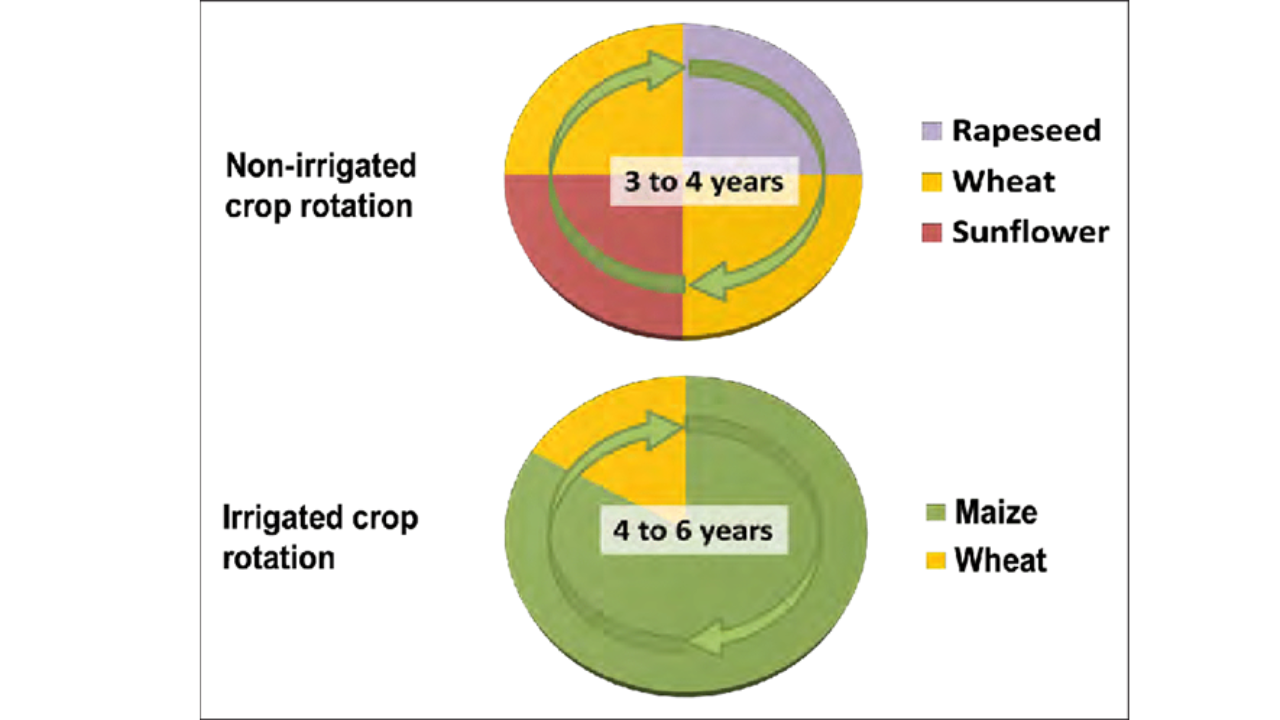
Intercropping is a common practice for cereal farmers. They rotate between Finger millet, Sorghum, maize, and other cereal crops to maximize their production. This helps safeguard their food security and increases land use. Since these farmers produce for their own consumption, they have multiple food options for their households.
Challenges to Producing Cereal Crops in Uganda
Cereal crops, despite their resilience, face several challenges during cultivation in Uganda. These obstacles affect the total crop production and ultimately hinder the income of farmers and businesses that deal with these crops. Some of these challenges are human, and some are byproducts of the climate situation. Below, we will discuss the challenges in detail.
1. Adoption of Researched Varieties
There has always been a seed shortage in Uganda. However, in recent times, shortages have been mitigated as large agribusinesses have begun taking over. But it still poses a problem to this day.
Many farmers rely on recycling their seeds every season. The crops that emerge struggle to adapt to climate change, and yields gradually decrease each year. Several improved varieties of Millet and Sorghum seeds are available following extensive research. However, the farmers in Uganda have a deep-seated neglect for these improved seeds.
SEREMI 1 and 3 are high-yield varieties but not widely adopted in Uganda because they have lower brewing quality. The only seed commonly used in Uganda is Finger Millet, a traditional food here. The SEREMI 2 and PESE 1 varieties are, overall, the best utility crops produced in the region.
2. Poor Farming Practices
Finger millet cultivation in Uganda is primarily dependent on rainfall. This is because they produce this crop on a subsistence scale, which means producing to meet the basic needs of the family or community.
The lack of vision to commercialize a crop this resilient is mind-boggling. The farmers don’t even think to produce surplus amounts to sell in the market. They use whatever they make to meet their needs for food, brewing, and animal feed.
3. Climate Change and Diseases
Another big issue with the mass production of cereal crops is drought and unusually heavy rainfall. Apart from natural causes, blast disease is also a threat to millet, sorghum, and finger millet.
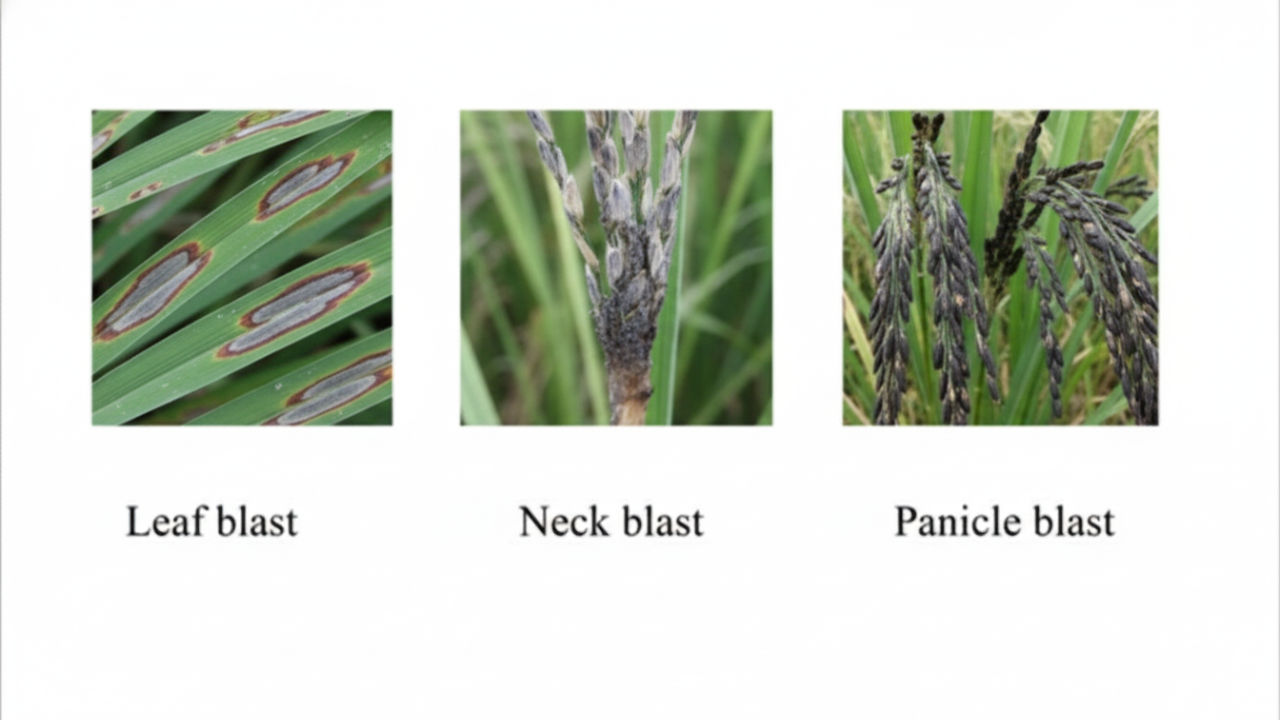
Finger Millet crops need around 750mm of rainfall over their growing period to mature properly. There has been extensive research to develop Blast-resistant varieties to minimize the damage from the disease.
The SEREMI 2 and PESE 1 gained popularity because of their early maturity and larger grain size. These varieties are less susceptible to Blast disease and other types of infections.
4. Demand for Different Cereals
Market access is a major concern across sectors in Uganda. Farmers with better access are more inclined to produce varieties in high demand. And this creates a vacuum, pushing the lower-demand cereal off the shelf. When they can’t sell, farmers switch to a specific variety or lose interest in the crop and start growing other crops, like vegetables or fruits. This also aligns with the challenge of adopting improved seeds, as local varieties are better suited for consumption in Uganda.
5. Patrilineal System of Land Ownership
One of the main reasons for these challenges is the stereotyping of male figures deciding what to do with their family land. A survey published by Cornell University reveals that gender plays a significant role in determining trait preferences for these crops.
Women tend to focus on food security, while men are immersed in market-value assumptions. This is reflected in their farming techniques. The size of available land for women is far less than that of a man.
Climate Resilience and Adaptation Strategies
Cereal crops like Millet and Finger Millet are highly resilient to climate change. These crucial crops, specifically Finger millet, can withstand temperatures of up to 44°C. This makes it outperform other cereal crops like maize and rice. But to keep these crops intact even in the harshest environments, farmers need improved seeds.
Back in 2021, Alliance Bioversity launched climate-smart and nutrition-sensitive beans and Finger millet in Uganda. For this to work, the whole region needs to exchange genetic research materials. The development of climate-smart seeds is a focus area in Uganda, Kenya, and Tanzania. They conduct participatory varietal selection among farmers to identify the best seed and crop varieties, ensuring maximum production and the best taste. SEREMI 1 fell short when introduced because the bread made from it lacked quality and taste.
Final Remarks
Uganda faces many challenges, yet it cannot deny the existence of cereal crops and their nutritional value. Farmers in Uganda are stuck in a web of issues, even for an agricultural country. These challenges impact productivity, food safety, and security, farmers’ income, and the overall economy. However, farmers in Uganda can boost production to sustain their own needs and increase their income by properly utilizing this core crop category. With proper management and strategy, public private partnership and investment, this sector will improve and continue to grow.





0 Comments