
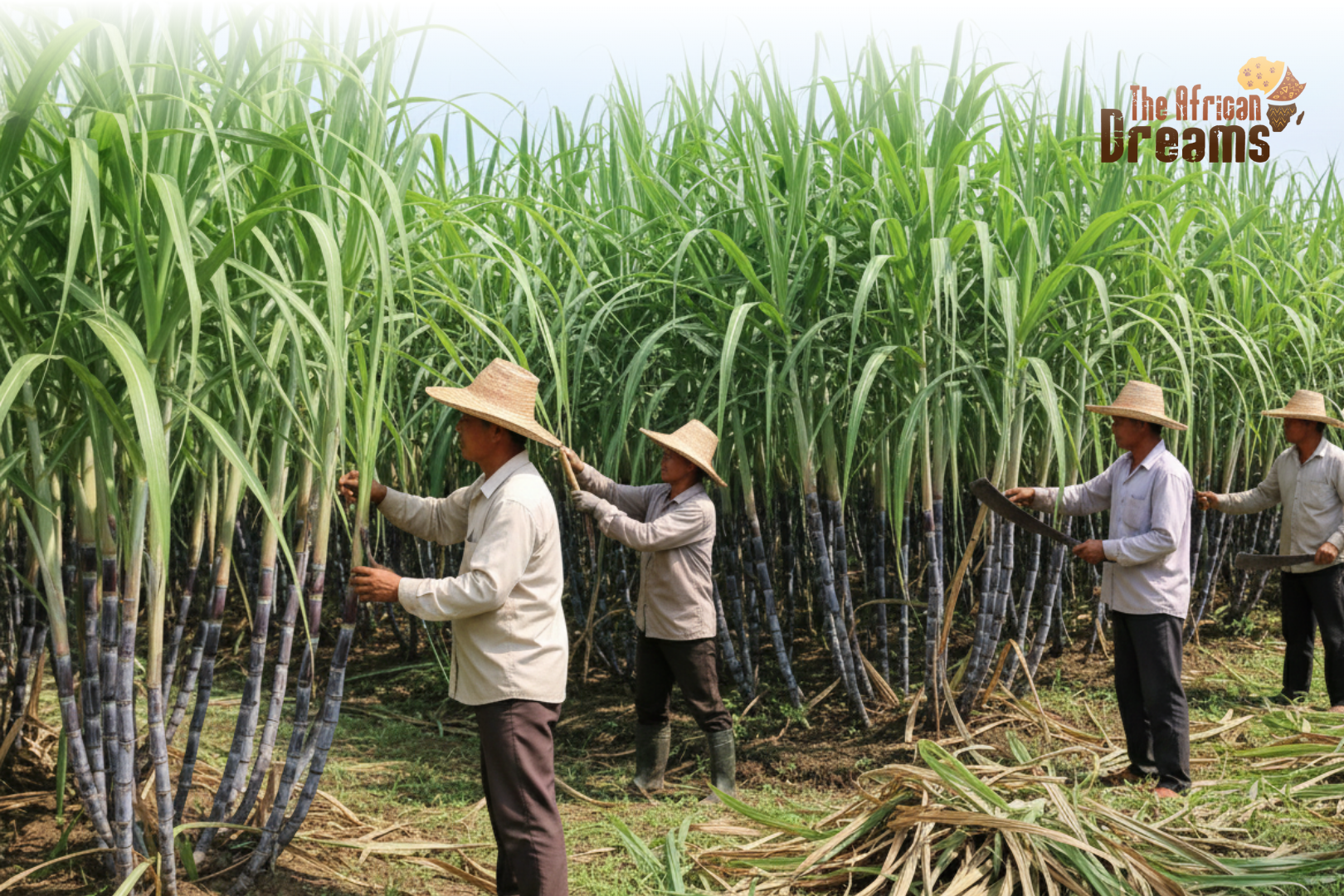
Want to invest but have no idea where to start? Don’t worry—we have you covered! Senegal, a country in West Africa, has immense potential in its sugarcane industry. Sugarcane is a key crop in Senegal, especially in the northern regions. It supports local economies and has potential in international markets.
Senegal produced over 1.22 billion kilograms of sugarcane in 2022. The northern region, particularly Richard Toll, is ideal for growing sugarcane because of its climate and soil. The Compagnie Sucrière Sénégalaise (CSS) is very important in this area. It helps the local economy by also supporting rice farming with irrigation.
Leading players in Senegal's sugarcane market
Compagnie Sucrière Sénégalaise (CSS) dominates the sugarcane industry in Senegal. It is the largest employer in the northern regions where sugarcane is prevalent. CSS influences agricultural practices and impacts the local economies significantly. They’re not just about farming; they integrate community development into their business model. This means they invest in local infrastructure and provide essential services that benefit both their operations and the community at large.
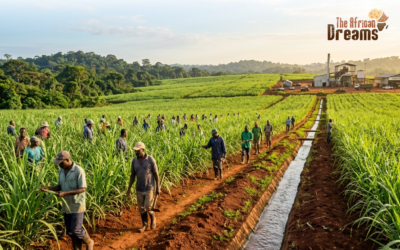
CSS’s approach to agriculture combines traditional methods with modern technology. They have implemented state-of-the-art irrigation systems and use advanced machinery that increases the efficiency and output of their sugarcane fields. This technology adoption has set a high standard in the region, showcasing what is possible in agricultural production in Africa.
Technological Advancements and Innovations
Technology plays a critical role in the advancement of the sugarcane sector in Senegal. CSS, in particular, has embraced innovative solutions to enhance productivity and sustainability. They use precision agriculture technologies, which involve GPS and data analytics to optimize the amount of water, fertilizers, and pesticides used, minimizing waste and environmental impact.
CSS introduced drip irrigation systems, which deliver water directly to the plant roots. This system dramatically reduces the amount of water wasted and ensures that plants get exactly what they need to grow effectively. Such technologies conserve resources and ensure that farming can continue sustainably in changing climate conditions.
Investment Opportunities
The investment opportunities in Senegal’s sugarcane industry appear promising. The industry is growing and has a stable agricultural environment. The Senegal Sugarcane Industry Outlook 2022 – 2026 report forecasts steady growth in sugarcane production. It projects an increase to 1.2 million metric tons by 2026, which marks a consistent rise in production year over year.
Significant local companies, such as CSS, boost the industry. CSS plays a vital role in sugar and alcohol production. Recently, CSS has focused on achieving self-sufficiency in sugar production for Senegal and expanded its product line to include alcohol. This was a strategic move, particularly during the pandemic. Additionally, CSS supports local agriculture by assisting rice farmers and contributing to local infrastructure, such as water access.
The business environment in Senegal is also supportive of investors. The strong government backing for agriculture and infrastructure development creates a stable platform for investment, making Senegal an attractive destination for both local and international investors.
Challenges and Risks
Senegal has been dealing with liquidity issues due to its heavy reliance on imports. This puts pressure on sectors like agriculture, including sugarcane. The country’s economy is small compared to its ambitious hydrocarbon projects. Overall, liquidity constraints and the potential for political instability can impact foreign investments and the business environment.
One big challenge that they face nowadays is land issues. There is plenty of farmable land, but most of it is being used for real estate programs. This is driving investors away from this industry to the real estate industry. Overall, it is hampering Senegal’s plan to achieve self-sufficiency in sugar.
Effective supply chain management is crucial for maintaining the quality of the sugarcane during its journey from the field to the processing facilities. This involves careful timing and logistics coordination to ensure that sugarcane is harvested at its peak and quickly transported to mills. Seasonal variations and unpredictable weather can complicate these operations, potentially leading to delays or disruptions.
Improving supply chain efficiency might involve investing in better infrastructure, adopting more sophisticated logistics solutions, or implementing technologies that can help in tracking and managing the sugarcane more effectively from farm to mill. Addressing these issues can lead to more stable production outputs and potentially higher profitability within the industry.
Future potential of Senegal's sugarcane industry
Increased Demand and Export Potential:
Senegal is projected to become a major sugar exporter within the ECOWAS region, which has a significant sugar deficit. This presents an opportunity for expansion and the establishment of additional sugar companies, leveraging the expertise developed by existing players like Compagnie Sucrière Sénégalaise (CSS).
Expansion and Production Increases:
Compagnie Sucrière Sénégalaise (CSS) has expanded its sugarcane cultivation area to 10,500 hectares, significantly increasing its sugar production capacity. This expansion also shows the government’s support for achieving self-sufficiency in sugar production.
Technological Advancements:
CSS is also using technological innovations to enhance productivity and sustainability. One example is using biomass from sugarcane fiber to generate energy, reducing reliance on fossil fuels. These innovations boost production efficiency and align with global sustainability goals.
Overall, investing in Senegal’s Sugarcane industry is a great choice with proper management and strategy.

0 Comments