
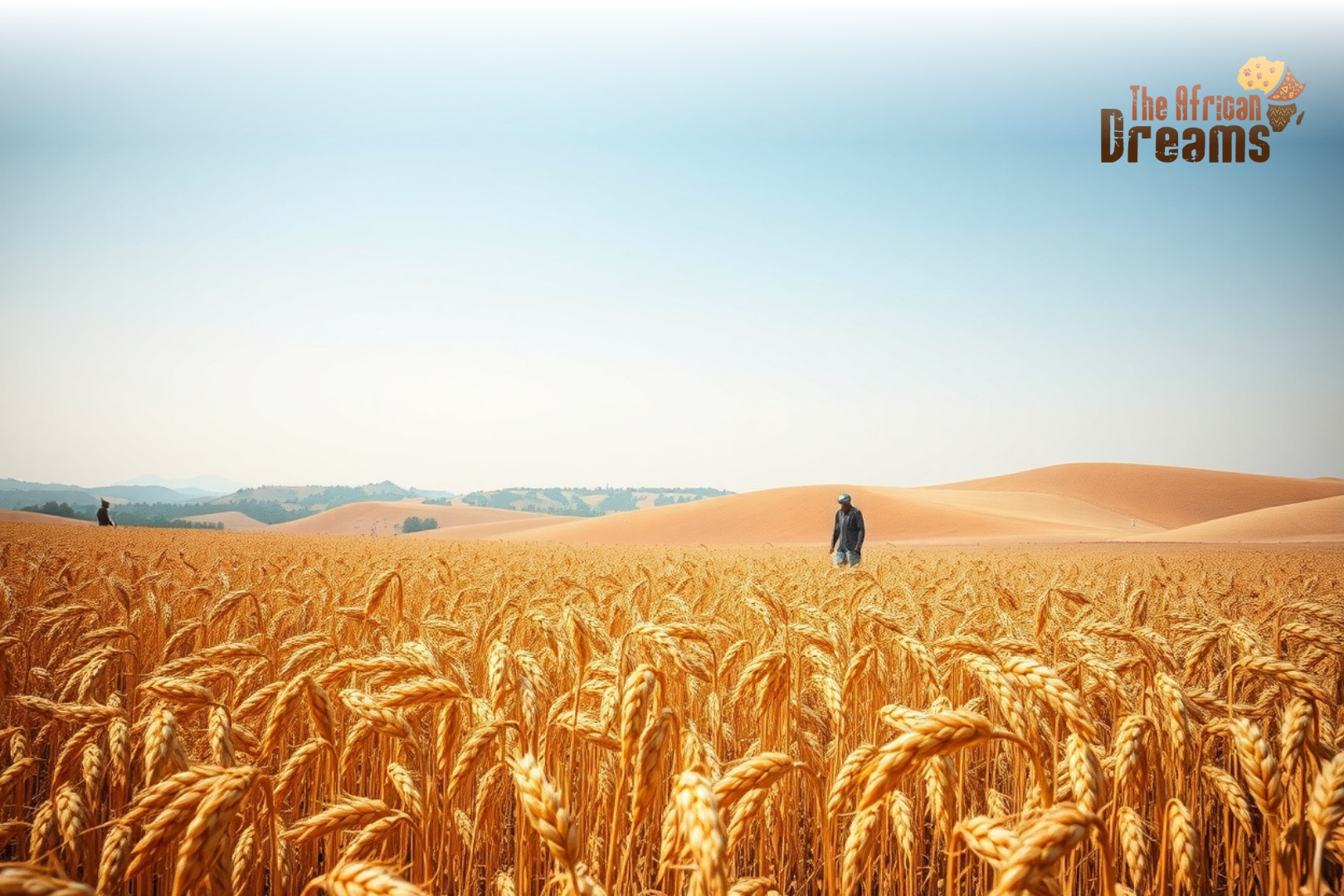
Imagine yourself in the busy markets of Ethiopia’s capital, Addis Ababa. One small but remarkable grain stands out among the stalls filled with spices, vegetables, and grains, teff. Not just food this tiny grain is deeply connected to Ethiopia’s culture and agriculture. It’s also becoming popular worldwide as a healthy, gluten-free superfood.
For generations, teff has been the key ingredient in injera, the spongy flatbread that Ethiopians eat with almost every meal. But teff is more than just food. It’s part of the country’s identity, grown for thousands of years by farmers who depend on its ability to grow even in tough conditions. It has provided both sustenance and income for countless families.
Teff has recently become a matter of global interest. Because of its nutritional value and its gluten-free qualities, it is highly sought after in international markets. It leads to new opportunities for Ethiopia, as it turns this ancient grain into a symbol of progress. Teff is not just a crop — it is a story of resilience and tradition and a story of economic potential yet to be realized from smallholder farms to global tables
Teff's Economic Significance in Ethiopia
Ethiopia’s agriculture and economy are reliant on teff. Teff is the most important cereal by land use and production value, accounting for about 24 percent of the country’s grain-cultivated land in 2017. Farmers grow teff as a main source of income. It’s also the daily food staple for over 50 million Ethiopians, with urban residents consuming around 61 kg per person yearly.
About 1.57 million kilograms of teff was exported from Ethiopia and earned USD 2.58 million in 2023. These exports went to Canada at 54.83% and the U.S. at 18%. Although average teff yields are low at 1.8 tonnes per hectare, the potential is for 3.2 tonnes per hectare. New farming methods are being introduced to improve productivity using better seeds.
Export Potential of Teff
Rising Global Demand:
The global market for teff is growing rapidly, with a projected annual growth rate of 15.63% from 2023 to 2030. This growth is fueled by increasing interest in gluten-free and nutrient-packed grains.
Ethiopia’s Export Performance:
In 2023, Ethiopia exported about 1.57 million kilograms of teff, earning USD 2.58 million. This marked a 54.84% rise in export value compared to the previous year, showing Ethiopia’s expanding footprint in the international teff market.
Top Importing Countries:
- Canada: Accounted for 54.83% of Ethiopia’s teff exports, reflecting strong North American demand.
- United States: Made up 18% of the exports, showing increasing popularity among U.S. consumers.
- Netherlands: Comprised 9.68%, indicating significant interest in teff within the European food market.
Opportunities for Expansion: With teff gaining global popularity, Ethiopia has the chance to enter new markets and boost its export revenues.
Challenges Facing the Teff Sector
Low Productivity:
In Ethiopia, teff yields are only 1.8 tonnes per hectare, well below the 3.2 tonnes potential. This is largely down to out of date farming practices and lack of access to improved seeds.
Lodging Issues:
Lodging is a common problem of teff plants, whereby stems bend or break before harvest resulting in high yield losses. Breeding of lodging-resistant varieties is ongoing but is a difficult effort.
Labor-Intensive Cultivation:
Teff’s tiny seeds make sowing and harvesting very labour-intensive. Grain is large, and mechanization is difficult because of this, and traditional planting methods tend to result in uneven growth.
Post-Harvest Losses:
High post-harvest losses resulting from poor threshing and storage techniques reduce both the quantity and quality of teff.
Market Barriers:
It creates exploitation by middlemen and smaller profits because farmers face infrastructure challenges and don’t have organized markets.
Insufficient Research:
While other cereals have received more research focus, teff has received less, and progress in developing higher-yielding, disease-resistant varieties has been slow.
Climate Risks:
Risks to teff production include unpredictable weather, rising temperatures and erratic rainfall patterns, which cause yields and food security to be at risk.
Investment Opportunities in Teff Production in Ethiopia
Teff offers diverse opportunities for investors due to its economic importance and growing demand globally. Here’s how you can invest:
Large-Scale Farming
- Modern Farming: Using mechanized farming and irrigation systems can boost teff yields from 1.8 tonnes per hectare to 3.2 tonnes. Modern techniques make farming more efficient.
- Available Land: Ethiopia has vast farmland, especially in Oromia and Amhara, ideal for large-scale teff cultivation.
Value-Added Products
- Processing Teff: Turning teff into flour, packaged injera, snacks, and gluten-free products has strong demand locally and globally.
- Export Opportunities: Processed teff products can target health-conscious international markets.
Infrastructure Development
- Storage and Transport: Better storage facilities and transportation systems can reduce post-harvest losses and increase market efficiency.
Research and Innovation
- Improved Seeds: Increasing yields can be accomplished by developing drought-resistant and lodging-tolerant seeds.
- New Equipment: By introducing specialized seeders and threshers for example, we can ease farming as well as make it less labour-intensive.
Export Growth
- Global Market: In the U.S., Canada, and the Netherlands, demand for teff is increasing. The opportunities are to go into export-oriented farming and partner with global buyers.
Sustainable Farming
- Eco-Friendly Practices: Organic and climate-resilient farming can be promoted to attract eco-conscious buyers as well as to maintain sustainability.
Government and Global Partnerships
- Incentives: Under its Agricultural Transformation Agenda, Ethiopia has tax breaks and land leases for agribusiness investors.
- Collaborations: Scaling up production and capacity-building efforts can be done through partnerships with organizations such as USAID and FAO.
Why Teff?
Teff is Ethiopia’s second most important cash crop, ansecond-mostl market is growing . Itswith a projected 15.63% annual growth rate (2023–2030). Investing in production, processing, or export can earn significant returns while contributing to Ethiopia’s agricultural growth.
Conclusion
Picture an Ethiopian farmer carefully working in a teff field, each grain carrying a legacy of tradition and hope. This small but mighty crop has fed millions for generations and is now gaining recognition globally for its health benefits and versatility.
Teff’s journey—from Ethiopian farms to dining tables worldwide—shows its immense value. As the demand for gluten-free and nutritious foods rises, teff presents exciting growth opportunities. Investments in modern farming techniques, processing, and international markets can uplift farmers and drive Ethiopia’s agricultural economy forward.
The future of teff looks promising. It’s more than just a crop; it connects Ethiopia’s heritage and the global appetite for sustainable, healthy food. With the right focus and effort, teff can continue to feed families and fuel progress for years to come.
0 Comments