
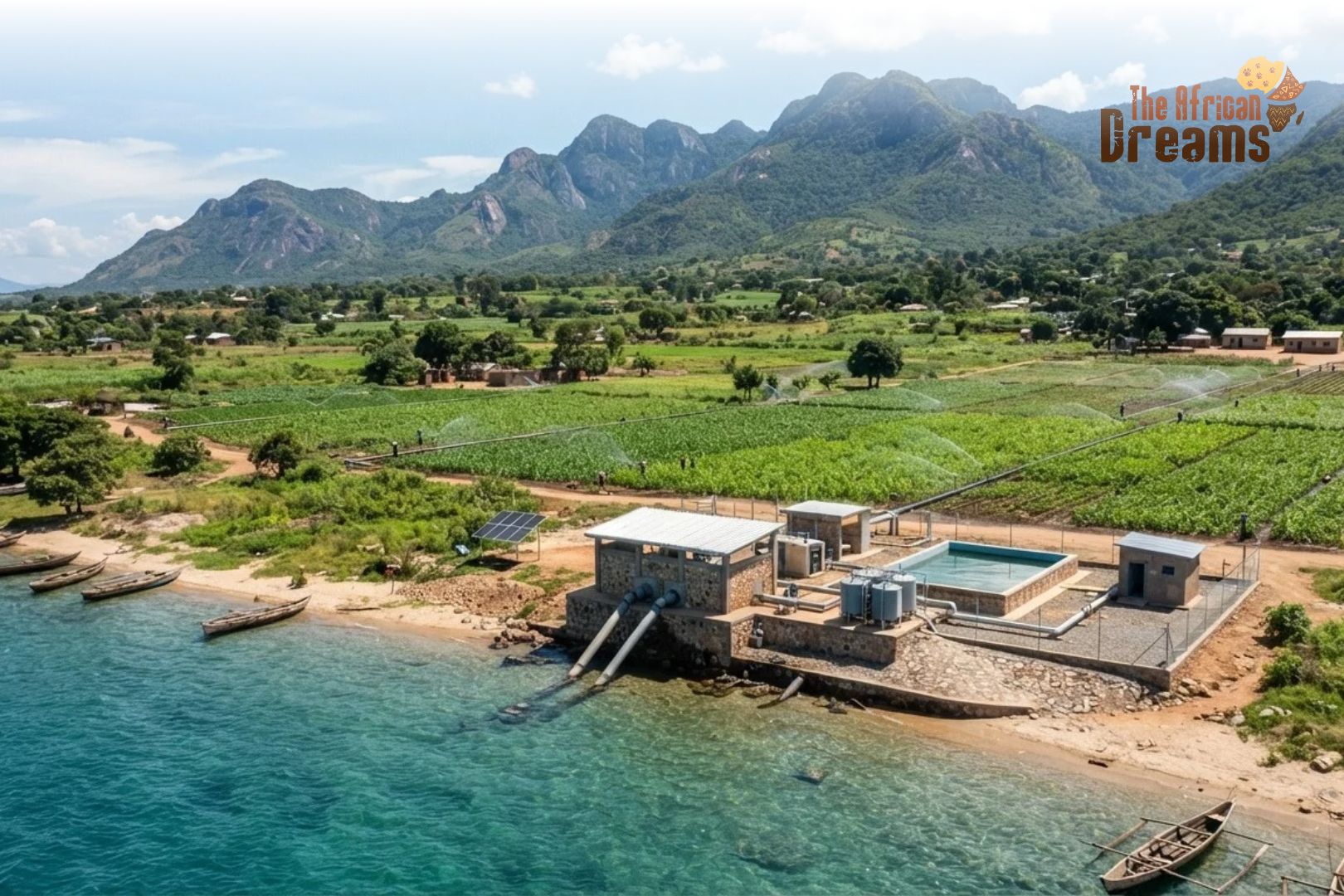
Introduction: Malawi’s Water-Related Projects
With over 20% of the country’s surface area covered by water, including the massive Lake Malawi, Malawi is about to become a water-powered success story.
Water is not just a natural resource in Malawi, it is a lifeline. However, like many developing nations, Malawi faces numerous challenges: outdated infrastructure, limited access to clean water in rural communities, and climate variability that puts strain on water availability. But where challenges exist, so do opportunities, and this is where investments in Malawi’s water-related projects come in.
Over the last decade, the government of Malawi has made clear strides to transform the water sector through increased private sector participation and public-private partnerships (PPPs). Recognizing that public funding alone cannot meet the country’s growing demand, Malawi has opened its doors to local and international investors willing to bring innovation, capital, and technical expertise to help bridge the gap.
What makes Malawi’s water-related projects an exciting place to invest in is not just its need, but also its readiness. In this article, we will explore how the private sector is tapping into various Malawi’s water-related projects and opportunities, and how public-private partnerships are driving growth across different industries.
We’ll highlight key areas like agriculture, manufacturing, tourism, mining, and energy, and show how water serves as the backbone for success. We’ll also dive into emerging PPP projects in the transport, housing, and energy sectors, and show how collaborative investments in Malawi’s water-related projects are changing lives and creating a more resilient economy. This article offers a fresh perspective on why Malawi’s water-related projects are not just vital, but investable.
Article Highlights
Malawi’s water-related projects are great for private investment and public-private partnership (PPP) initiatives.
Water is a key enabler for agriculture, tourism, mining, manufacturing, and energy in Malawi.
The government is reforming policies to attract investors and streamline Malawi’s water-related projects’ implementation.
Private and PPP investments are actively contributing to rural development, job creation, and climate resilience.
Sustainable water management is at the center of Malawi’s Vision 2063 development blueprint.
Why Invest in Malawi’s Water-Related Projects: Guide for Prospective Investors
Malawi is emerging as one of Africa’s most promising destinations for investment. While it’s a small, landlocked country, its geographical position makes it a strategic gateway to the Southern African Development Community (SADC), offering access to a market of over 300 million people. With political stability, a young and trainable workforce, investment-friendly policies, and an abundance of natural resources, especially water, Malawi offers exciting opportunities in multiple sectors.
Key Investor Highlights:
1. Stable Macroeconomic Environment: Inflation has declined in recent years, and government reforms are promoting fiscal discipline.
2. Favorable Investment Climate: 100% foreign ownership is allowed in most sectors. Tax incentives include up to 10-year tax holidays in priority sectors.
3. Open Market Access: Malawi has trade agreements with COMESA, SADC, the EU (Everything But Arms), and AGOA for the U.S. market.
4. Ease of Doing Business: The Malawi Investment and Trade Centre (MITC) acts as a one-stop service centre for investors.
5. Abundant Water Resources: Lake Malawi, the Shire River, and a dense network of rivers give Malawi a comparative edge in water-related industries.
Enhanced Private Sector: Malawi’s Water-Related Projects
Agriculture Sector: Irrigation-Led Transformation
Malawi’s dependency on rain-fed farming has historically limited productivity. However, private investment is changing this through:
1. Commercial Irrigation Projects: Large estates are installing center pivot and drip irrigation systems (e.g., the Phata Sugarcane Outgrowers Cooperative, with support from Illovo Sugar and EU grants).
2. Water-Efficient Agribusiness Ventures: Startups are using satellite data to optimize water use and reduce waste. One example is Precision Irrigation Ltd, which uses AI-based systems to automate irrigation.
3. Agro-processing Zones: Linked to irrigation schemes, these zones attract investments in food processing where clean water is a key input.
Manufacturing Sector: Industrial Water Systems
Industries like bottling plants, breweries, and textiles are investing in:
1. Onsite Water Treatment Plants: Nestlé Malawi, for example, uses treated borehole water and has invested in recycling 30% of its wastewater.
2. Water Stewardship Certification: Companies seeking global credibility are adopting ISO water stewardship standards.
3. Industrial Parks and EPZs: In areas like Kanengo, industrial clusters are being established with centralized water and waste infrastructure, supported by private developers and financiers.
Tourism Sector: Eco-Friendly Innovations
Private developers of lakeside and riverfront resorts are introducing:
1. Rainwater Harvesting Systems: Many resorts on Lake Malawi now use solar-powered pumps and rooftop collection tanks.
2. Eco-lodges with Greywater Recycling: Examples include the Blue Zebra Island Lodge, which has won awards for sustainable tourism.
3. Water-Based Adventure Tourism: Local entrepreneurs are offering boat cruises, kayaking, and snorkeling tours—all creating revenue through water access.
Mining Sector: Responsible Water Usage
Modern mining operations must be water-conscious:
1. Closed-Loop Systems: Mines like Mkango Resources’ Songwe Hill Rare Earths Project use closed-loop systems that minimize water consumption.
2. Private Pipelines: Companies are investing in dedicated pipelines for transporting water to remote mining zones.
3. Water Safety Planning: Ensuring community and environmental protection through real-time monitoring of water quality and usage.
Energy Sector: Water-Powered Innovation
1. Micro-Hydropower Projects: Companies like Mulanje Renewable Energy Ltd. have created small-scale plants benefiting nearby tea estates and villages.
2. Hybrid Projects: Solar-hydro hybrids are becoming popular in rural electrification. These projects reduce reliance on variable river flows.
3. Water for Cooling and Efficiency: Solar farms use evaporative cooling systems that enhance photovoltaic performance.
Public-Private Partnership (PPP) Projects
Malawi has adopted PPPs to fill infrastructure gaps, especially in water-intensive sectors.
Energy Sector (PPP)
1. Salima–Lilongwe Water Supply Project: One of the largest PPPs in Malawi, this $400 million project transports water from Lake Malawi to the capital city, Lilongwe. Led by Khato Civils in partnership with the government, it includes a pumping station, a 120 km pipeline, and a treatment plant.
2. Golomoti Solar + Storage PPP: A 20 MW solar power station with battery storage includes community water infrastructure as part of the agreement with the government.
Transport Sector (PPP)
1. Shire-Zambezi Waterway Project: A $6 billion tri-national initiative with Malawi, Mozambique, and Zambia. Private operators are being contracted to build river ports and cargo handling systems to reduce dependency on road transport.
2. Likoma Ferry Project: A tourism-water transport hybrid, this PPP project involves private shipping companies operating water taxis and ferries between lakeshore towns.
Agriculture Sector (PPP)
1. Nchalo Irrigation Scheme: Under the Greenbelt Initiative, this 5,000-hectare project brings together government land, private sugar processors, and local cooperatives. The private sector builds and operates irrigation and water distribution systems, sharing profits with landowners.
2. Mpatsa Irrigation Scheme: A public-private-community model where donors fund infrastructure and the private sector manages inputs and markets.
Housing Sector (PPP)
1. Lilongwe West City Expansion: Water boards are working with private developers to ensure each new housing unit has access to piped water and sanitation. Some estates incorporate decentralized wastewater treatment plants (DEWATS).
2. Blantyre New City Project: This smart city initiative includes integrated water management designed in collaboration with private water engineers and planners.
Mining Sector (PPP)
1. Malingunde Graphite Mine: A PPP between Sovereign Metals and the Government of Malawi includes construction of water supply infrastructure benefiting both the mine and surrounding communities.
2. PPP Environmental Safeguard Agreements: These include cost-sharing on water impact assessments and water remediation strategies.
Tourism Sector (PPP)
1. Likoma Island Eco-Tourism Development Plan: Under PPP terms, private resort developers are allowed long leases in exchange for investing in desalination, rain harvesting, and waste treatment facilities that also serve local communities.
2. Lake Malawi National Park Revitalization: Joint investments in water-accessible trails, floating lodges, and heritage conservation—with shared revenue models between government and investors.
Opportunities in Banking Sector for Malawi’s Water-Related Projects
Malawi’s banking sector is ripe for growth and innovation. With only about 25% of the population formally banked, opportunities are massive.
Key Opportunities:
1. Digital Banking and Mobile Money: While mobile platforms like TNM Mpamba and Airtel Money dominate, commercial banks are expanding digital financial services. Investors can fund fintech solutions to enhance reach.
2. Green Financing: The need for climate-resilient infrastructure, including water management systems, creates a market for green bonds and ESG-compliant investments.
3. SME Financing: Water-based enterprises (e.g., irrigation equipment suppliers) need working capital. Investment in microfinance and SME banking is in high demand.
4. Diaspora Banking: Malawians abroad are increasingly sending remittances. There’s a demand for diaspora-targeted financial products like water investment bonds and housing finance tied to water-secure estates.
5. Rural Banking Expansion: Partnering with cooperatives and agro-dealers to deliver water-saving agricultural loans, insurance, and leasing services.
Major Banks Supporting Investment in Malawi’s Water-Related Projects:
1. FDH Bank: Offers agricultural and green energy financing.
2. National Bank of Malawi (NBM): A key player in infrastructure financing, including PPPs.
3. Standard Bank Malawi: Active in investment banking, providing support for large infrastructure and energy projects.
Malawi’s Water-Related Projects: Investment Opportunity & Sustainable Development
Malawi’s water-related projects and overall water sector stand at a crucial intersection of necessity and opportunity. As global pressures on freshwater systems mount, countries with abundant, underutilized water resources, like Malawi, are about to turn water into wealth. The country’s lakes, rivers, and underground aquifers are not just sources of life; they are potential engines of economic transformation.
Why Malawi’s Water-Related Projects Are Worth Your Investment
Malawi’s water-related projects are foundational to nearly every industry in the country. Water powers hydropower stations, irrigates crops, processes raw materials, supplies growing cities, and enhances the country’s thriving tourism potential. Strategic investment in this sector has a powerful multiplier effect, improving productivity, livelihoods, health outcomes, and national resilience to climate change.
This sector is also deeply intertwined with Malawi’s Vision 2063, which calls for inclusive wealth creation through sustainable industrialization, smart urbanization, and a resilient agricultural economy. Water is central to all three of these pillars.
1. Water as a Cross-Cutting Enabler
Water isn’t just a utility in Malawi; it’s a competitive advantage. From agriculture to mining, energy to housing, industries rely on stable and clean water sources. Investments that support the extraction, storage, treatment, and delivery of water are critical and highly profitable.
2. Private Sector-Led Growth
Malawi is actively promoting private investment in water infrastructure through tax holidays, import waivers, and favorable repatriation terms. Enterprises in irrigation, beverage manufacturing, hospitality, and water purification are already generating strong returns.
3. Robust PPP Framework
Public-private partnerships offer long-term revenue security. Whether through Build-Operate-Transfer (BOT) or joint ventures with communities and government, PPPs reduce risk and enhance scalability. Major projects like the Salima–Lilongwe Water Supply Project demonstrate that Malawi is serious about co-investing with private players.
4. High Demand, Low Competition
Water demand is growing fast, particularly in agriculture, energy, urban housing, and tourism. Yet the market remains underdeveloped, offering first-mover advantages to both domestic and international investors.
5. Environmental and Social Impact
Investing in Malawi’s water-related projects delivers measurable social returns. Clean water access reduces disease, empowers women, and drives school attendance. Green water technologies help mitigate climate change while creating jobs. In this way, every dollar invested in the water sector creates a ripple effect of shared prosperity.
6. Banking and Financial Opportunities
Financial institutions and fintech providers can tap into unmet demand for Malawi’s water-related projects, from smallholder irrigation loans to green bonds and diaspora-backed water funds. Investors in digital banking platforms, insurance for water infrastructure, and SME finance can grow alongside the sector.
Strategic Positioning for Regional Leadership
As part of SADC and COMESA, Malawi offers preferential trade and investment conditions to 300+ million consumers. The country’s improved infrastructure, including efforts like the Shire-Zambezi Waterway, positions it as a regional logistics and trade hub, powered by water transport and inland ports.
Malawi is also a trusted partner in international development. Major donors and global institutions are already aligned with the water agenda. Investors entering this sector can often leverage blended finance, risk guarantees, and co-funding from multilaterals like the World Bank, IFC, AfDB, and the Green Climate Fund.
Call to Action: Invest Where It Matters
Whether you’re a private entrepreneur, institutional investor, diaspora member, development financier, or corporate leader, Malawi’s water-related projects are offering more than just returns. It offers relevance. In a world of water scarcity, Malawi’s abundance is an invitation to do well by doing good.
By investing in Malawi’s water-related projects, you can
1. Generate strong, sustainable returns
2. Drive inclusive economic growth
3. Build resilient systems for climate adaptation
4. Create employment opportunities for Malawians
5. Support environmental conservation
6. Accelerate Malawi’s journey toward middle-income status
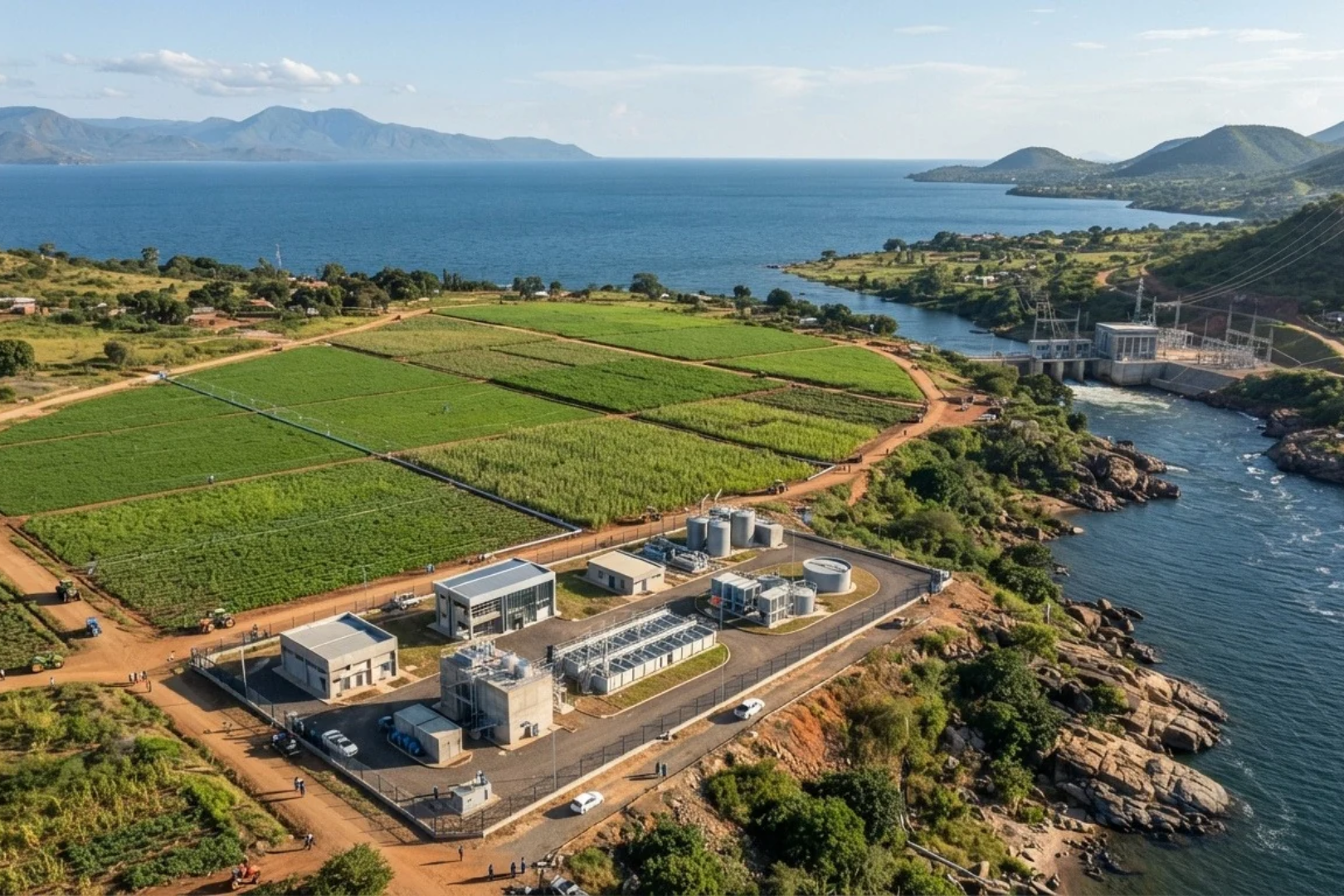
Final Thoughts: Investing in Malawi’s Water-Related Projects
Malawi’s water-related projects are not a gamble; they are a grounded investment in the future of Africa. It blends necessity with opportunity, local need with global sustainability, and risk with reliable governance structures.
The time to act is now. Policies have been reformed, incentives have been offered, and partnerships have been forged to support both private and PPP initiatives. These efforts are already bearing fruit. Major infrastructure projects, including dam construction, irrigation schemes, solar-powered water stations, and wastewater treatment facilities, are either underway or in the planning phase.
Foreign investors, development partners, and local innovators can seize this moment to lead the transformation. With clear regulatory frameworks, a reform-minded government, and a growing ecosystem of stakeholders, Malawi’s water-related projects are more than ready.
Malawi’s water-related projects are not just a resource. It’s a strategy. It’s security. And for the wise investor, it’s success waiting to happen.





0 Comments