
Introduction: Benin’s Sesame
Sesame is often called the queen of oilseeds, and for good reason. It’s packed with oil, nutrients, and value. But in Benin, it’s more than just a crop. It’s a way for farmers to earn a living, support their families, and build better lives.
Most farmers grow sesame on small plots. They use simple tools, and their families often help. Even with limited land, the money they earn from selling sesame can cover their food, school, and daily expenses.
Benin has the right land, good soil, and enough sunshine for sesame. The crop grows well without needing expensive chemicals or big machines. That makes it a wise choice for farmers with limited resources.
At the same time, global demand is rising fast. Countries such as China, India, and many in Europe are seeking more sesame, particularly organic varieties. But the supply is not nearly enough. Quality varies. There’s a gap in the market.
This is where Benin fits in. It has what the world needs. With better seeds, training, and investment, it can grow even more. And that’s the real opportunity for both farmers and investors. Without further ado, let’s dig into the endless opportunities of Benin’s sesame sector.
Historical Roots: Benin’s Sesame
Let’s take a moment to look back at how sesame farming began in Benin. In 1961, farmers produced about 400 tons of sesame. Benin’s sesame was mainly grown for local use; families used it in cooking, and any extra was sold in nearby markets. The crop was favored because it could grow in harsh conditions, needing little water and minimal care.
By 2002, production had increased to around 13,662 tons, marking a significant rise. This showed a growing interest in Benin in sesame production. However, this growth wasn’t steady. In 2005, Benin’s sesame production reached 13,026 tons, but then it dipped before stabilizing around 10,000 tons in 2012. These fluctuations were due to various challenges, including limited access to quality seeds and changing weather patterns.
Despite these ups and downs, Benin’s sesame remained important for many small-scale farmers. It provided a source of income, especially during dry seasons when other crops struggled. The farming methods, however, stayed largely traditional. Most farmers continued to plant and harvest by hand, without modern tools or machinery.
Today, sesame farming in Benin stands at a crossroads. The foundation is strong, built on years of experience and adaptation. With the proper support, like better seeds, training, and access to markets, there’s an opportunity to boost production. Investing in this sector means building on a rich history and helping it grow into a brighter future.
Benin’s Sesame Cultivation: From Seed to Harvest
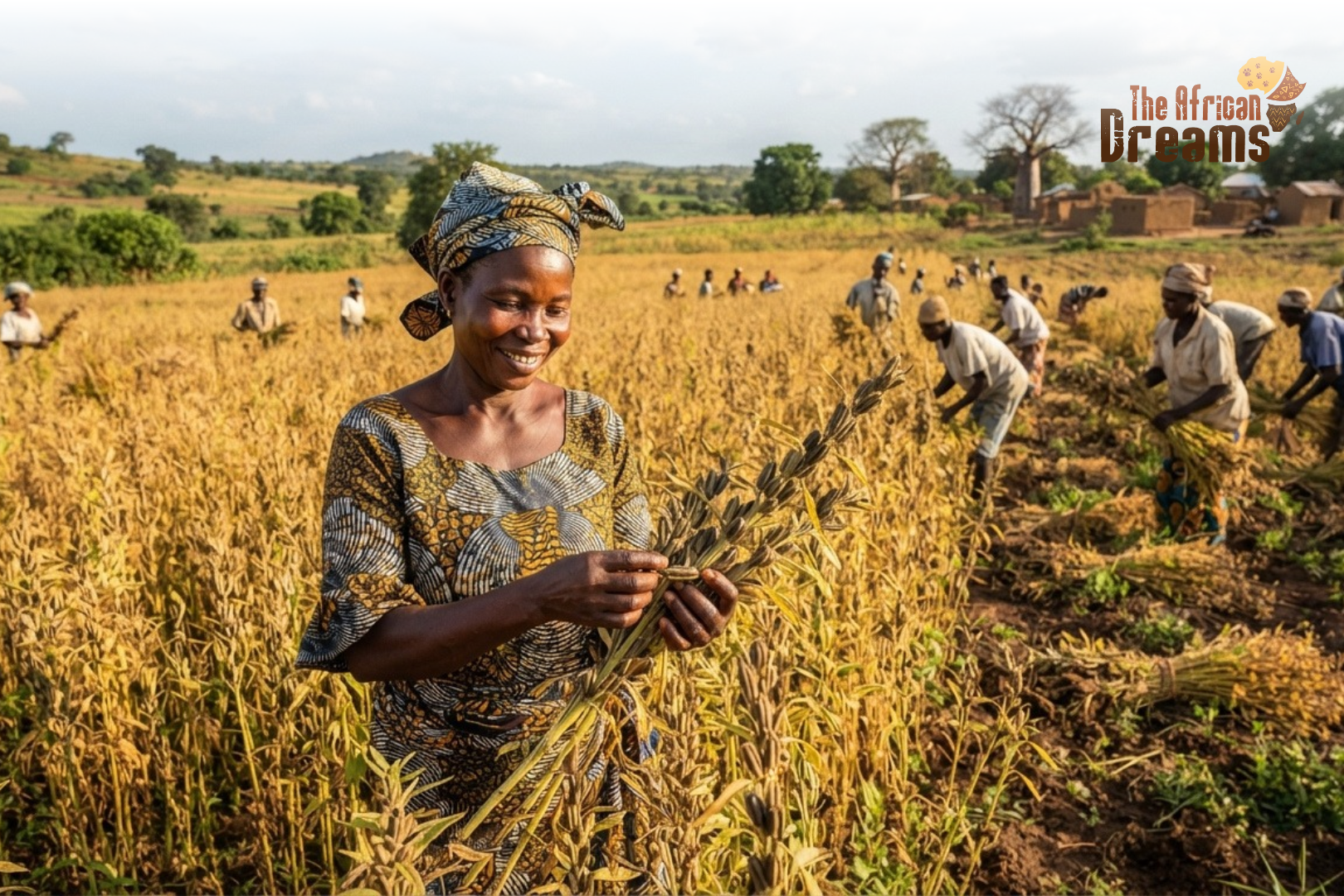
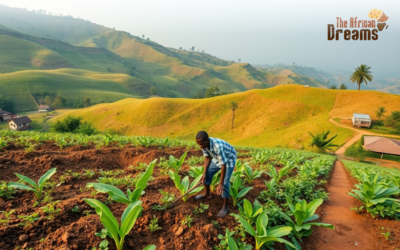
In Benin, sesame farming is rooted in tradition, especially in the northwestern regions like Atacora, Alibori, and Donga. Here, smallholder farmers rely on age-old methods, using basic tools and family labor to cultivate their plots. Sesame is often grown in rotation with crops like maize or sorghum, helping to maintain soil fertility.
The planting process of Benin’s sesame is meticulous. Farmers sow seeds by hand, ensuring proper spacing for optimal growth. Timing is crucial; planting too early or too late can affect germination and yield. Once the plants emerge, they require regular care. Despite their efforts, many farmers face challenges that limit their harvests.
Key challenges in Benin’s sesame sector include:
1. Limited Access to Improved Seeds: Most farmers use traditional seed varieties, which may not offer the best yields or resistance to pests and diseases.
2. Lack of Training: Many rely on inherited knowledge, lacking exposure to modern agricultural practices that could enhance productivity.
3. Manual Labor: Without access to mechanized tools, tasks like planting and harvesting are labor-intensive and time-consuming.
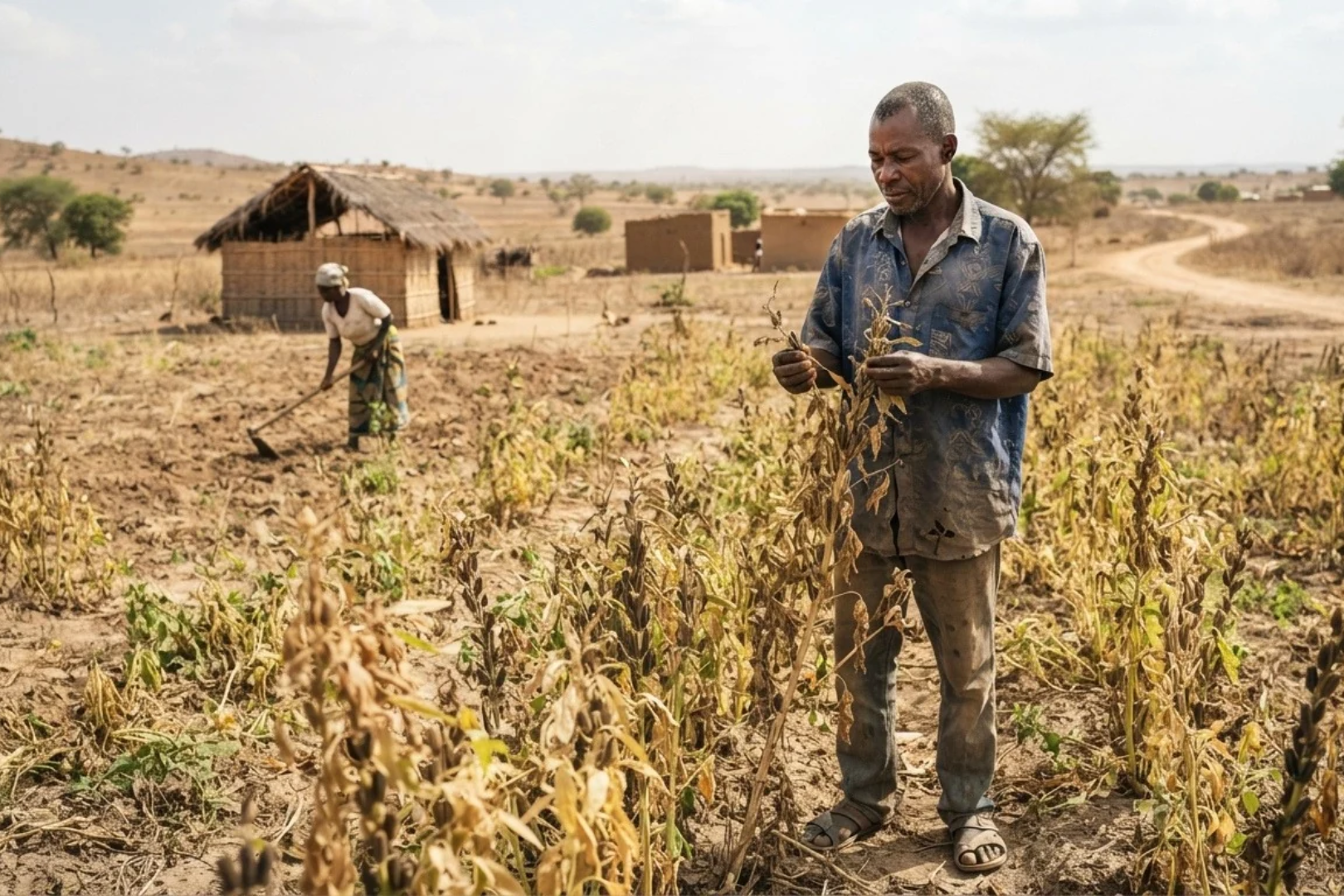
4. Climate Variability: Unpredictable rainfall and droughts can severely impact crop growth and yields.
But the situation is changing rapidly. A few researchers and NGOs are testing improved sesame seeds, sourced from countries like China, which grow faster and are more resistant to harsh weather conditions. In one study from ScienceDirect, researchers found that if farmers use simple changes like row planting and composting, they can increase their harvest by almost 30%.
However, for widespread adoption, farmers need support. They need access to quality seeds, training programs, and resources. For investors, this is a real chance to make a difference by backing small farmers who need a boost to move forward. Sesame farming in Benin has a strong base. What it needs now is a little help to grow stronger.
Economic Impact of Benin’s Sesame
In Benin, sesame farming plays a crucial role in the livelihoods of many smallholder farmers. According to a study published in Frontiers in Sustainable Food Systems, the average yield of sesame in the northern regions of Benin is approximately 674.64 kg per hectare. The gross farm income is estimated at $242.40 per hectare, with a net farm income of $138.54 per hectare. This results in a profitability index of 1.33, indicating that for every dollar invested, there’s a return of $1.33.
Several factors influence the profitability of sesame farming:
1. Farmer’s Age: Older farmers often have more experience and may achieve better yields.
2. Household Size: Larger families can provide more labor, reducing the need for hired workers.
3. Crop Rotation: While rotating crops can benefit soil health, it may sometimes lead to lower immediate profits compared to continuous sesame cultivation.
4. Capital Input: Access to funds allows farmers to invest in better seeds and tools, enhancing productivity.
Despite its potential, sesame farming in Benin faces challenges. Labor costs are significant, often constituting a large portion of production expenses. Additionally, farmers may lack access to quality seeds, modern farming techniques, and reliable markets. Addressing these issues through training, improved infrastructure, and financial support can enhance the profitability and sustainability of sesame farming in the region.
Market Dynamics: Trade and Export Trends
Benin’s sesame industry has experienced a shift in recent years. In 2023, the country exported approximately 698,072 kilograms of sesame seeds, generating a revenue of $261,160. This marks a significant decline of 84.77% from the $1.71 million recorded in 2019.
Key Export Destinations in 2023:
1. China: Received 465,020 kg, valued at $135,740.
2. Burkina Faso: Imported 150,800 kg, worth $98,120.
3. Togo: Acquired 41,040 kg, totaling $14,040.
4. India: Purchased 38,700 kg, amounting to $12,760.
5. France: Imported 500 kg, valued at $410.
This decrease in export value can be attributed to several factors:
1. Global Market Competition: Countries like India, Nigeria, and Pakistan have intensified their sesame production and export activities, offering competitive prices and larger volumes.
2. Quality and Certification Challenges: Benin’s sesame often lacks the certifications required by premium markets, limiting access to higher-paying buyers.
3. Infrastructure Limitations: Inadequate storage and processing facilities can lead to post-harvest losses and reduced product quality.
Despite these challenges, there’s a silver lining. The global demand for sesame remains robust, especially in health-conscious markets where sesame is prized for its nutritional benefits. By investing in quality improvements, certification processes, and infrastructure development, Benin can reclaim and expand its position in the global sesame market.
Challenges in Benin’s Sesame Value Chain
Sesame farming in Benin holds significant potential, yet farmers encounter several obstacles that hinder productivity and profitability:
1. Limited Access to Improved Seeds: Many farmers rely on traditional seed varieties, which often result in lower yields and are more susceptible to pests and diseases. The absence of a robust formal seed sector exacerbates this issue, limiting the availability of high-quality seeds.
2. Inadequate Extension Services: Only about 19% of farmers in Benin have access to agricultural extension services, with some regions experiencing even lower rates. This lack of support means that many farmers miss out on vital training and information about modern farming techniques.
3. Infrastructure Deficiencies: Poor road networks and limited storage facilities lead to significant post-harvest losses and restrict farmers’ access to markets. Without proper infrastructure, transporting goods becomes challenging, and the quality of sesame seeds can deteriorate before reaching buyers.
4. Climate Variability: Unpredictable rainfall patterns and increasing instances of drought adversely affect sesame cultivation. These climatic challenges disrupt planting schedules and can lead to reduced yields.
5. Financial Constraints: Access to credit remains a significant hurdle for smallholder farmers. Without adequate financing options, investing in improved seeds, fertilizers, or farming equipment becomes difficult, limiting the potential for increased productivity.
Addressing these challenges requires a multifaceted approach, including the development of a formal seed sector, expansion of extension services, investment in infrastructure, implementation of climate-resilient farming practices, and the provision of accessible financial services tailored to the needs of smallholder farmers.
Innovations and Opportunities: Seeds of Change
Benin’s sesame industry is going through significant transformations. Let’s have a look at some of the opportunities these transformations are bringing.
1. Introduction of Improved Varieties
Some researchers have tested sesame seeds from outside Benin, especially from China, to see how they grow here. They found that these new seed types grow well and give bigger harvests. That means farmers could earn more using seeds that are better suited to the soil and weather.
2. Capacity Building
Organizations like Eco-Benin are working to empower local farmers through training and resource provision. Their initiatives focus on promoting sustainable agricultural practices, including agroecology and organic farming. Many women farmers have joined these programs, and it’s already improving the livelihoods of the community.
3. Organic Certification
Securing organic certification opens doors to premium markets, enhancing profitability for sesame producers. Companies like Soycain have obtained certifications in line with European and USDA organic standards. This enables them to offer certified organic sesame products. Certifications help meet international quality standards and cater to the growing global demand for organic produce.
4. Value Addition
Instead of just selling raw sesame, some producers are making things like sesame oil. By transforming raw sesame seeds into processed goods, producers can tap into new markets. This presents opportunities for value addition. It will also create new jobs, increase income streams, and boost the economy. Investing to
These changes may seem small on their own. But together, they’re helping sesame farming in Benin grow stronger, smarter, and more rewarding.
Success Story: Empowering Farmers
Eco-Benin, a non-governmental organization dedicated to the sustainable development of Benin’s sesame, has initiated programs to enhance sesame production among smallholder farmers. It includes the following:
1. Seed Distribution: Providing high-quality sesame seeds to local farmers, ensuring better germination rates and resilience against pests and diseases.
2. Training and Capacity Building: Offering training on agricultural practices, including planting techniques, soil fertility management, and post-harvest handling.
3. Market Access Facilitation: Assisting farmers in connecting with local and international markets, ensuring fair prices for their produce.
The impact of these initiatives has been significant. Farmers reported increased yields and improved incomes, resulting in better livelihoods. Moreover, sustainable farming practices contributed to environmental conservation. By addressing the core challenges faced by Benin’s sesame farmers, Eco-Benin’s initiatives serve as a model for empowering rural communities.
Future Outlook: A Sustainable Sesame Sector
Let’s explore what comes next for Benin’s sesame. Current trends show agriculture accounts for about 36% of Benin’s GDP and up to 90% of its exports. In that context, sesame has room to grow, and it can, with the right moves:
1. Policy Reforms: The IFC–World Bank’s 2023 Private Sector Diagnostic highlights plans for Special Economic Zones and investment incentives. Supportive policies like these could attract agro-processing and seed enterprises to Benin.
2. Market Development: Regional and global demand for sesame is growing. In West Africa alone, sesame export volume increased by 10% in 2024 to 1.3 million tonnes, with exports at $2.3 billion. Benin can better capitalise on market access and marketing support.
3. Sustainable Practices: A proposed climate adaptation fund for Benin includes $2.9 million to help small farmers adopt practices like soil-conserving methods. This will greatly help sesame growers working in degraded areas.
Final Words: Growing Benin’s Sesame Sector
Benin’s sesame sector is a high-potential sector with a growing global demand and immense opportunities. Despite challenges, with a multifaceted approach, including the development of a formal seed sector, expansion of extension services, investment in infrastructure, implementation of climate-resilient farming practices, and the provision of accessible financial services tailored to the needs of smallholder farmers, Benin’s sesame sector can improve and grow.
With the right investment in seeds, training, and infrastructure, it can generate solid returns while empowering rural communities. For investors, it’s a chance to fuel both profit and impact in one of Africa’s most promising agricultural markets. Investing in this sector means building on a rich history and helping it grow into a brighter future. Therefore, invest in Benin’s sesame sector now and reap your returns.
0 Comments