
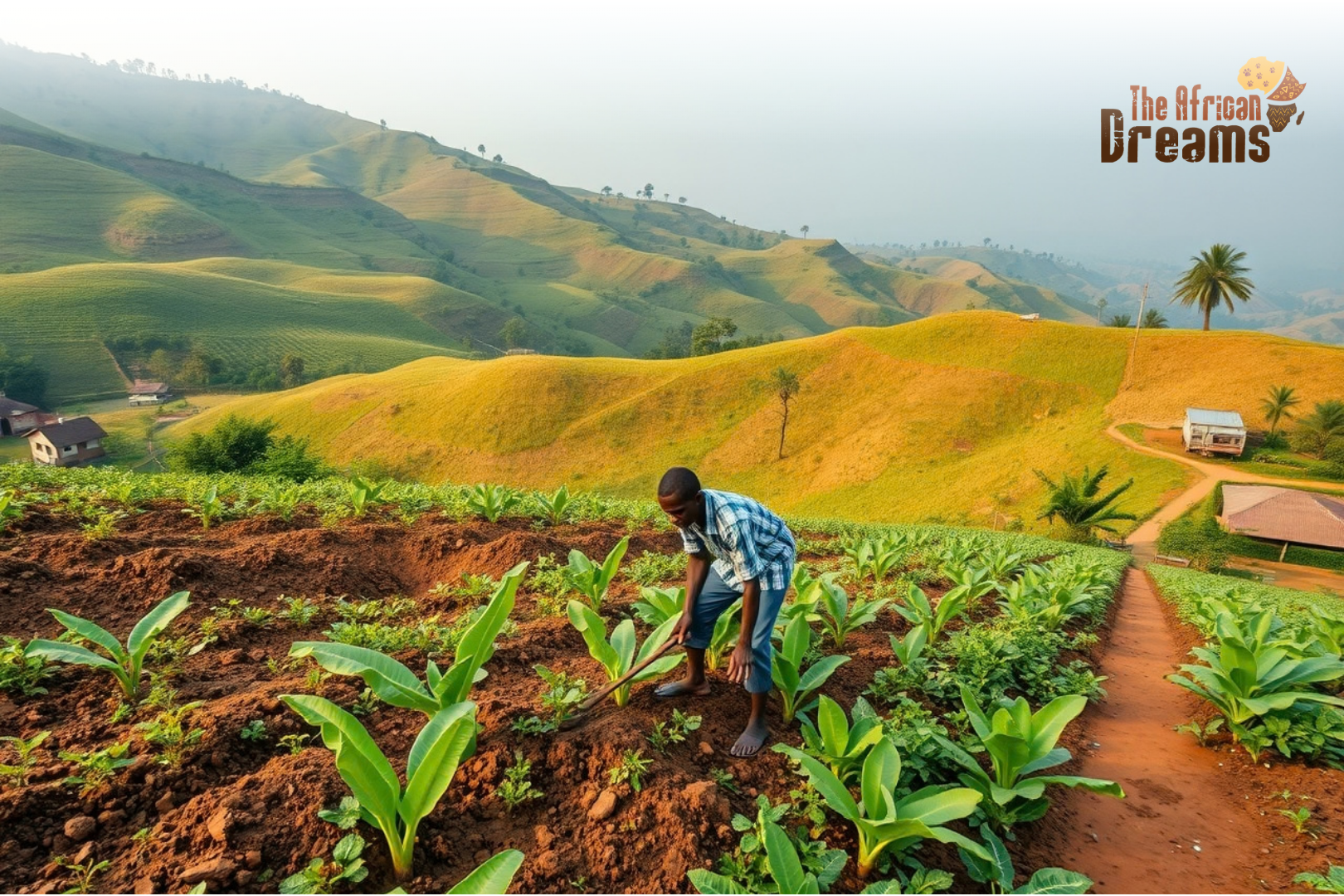
Introduction: Agriculture in Burundi
Burundi is a promising country located in East Africa. It heavily relies on agriculture, making it the cornerstone of Burundi’s economy. Over 80% of its workforce is engaged in farming, the only sector providing the country with food security. Agriculture in Burundi has a huge impact and contributes about a quarter of the country’s total GDP.
Smallholders are the backbone of its economy, contributing the major portion. However, they face several challenges, including limited use of technology, vulnerable seeds, and climate change effects. Despite these challenges, Burundi remains one of the high-potential agricultural economies in Africa.
In this article, we will cover the role of agriculture in Burundi’s economy. It will also explain the challenges faced by its farmers and exporters, along with investment opportunities. Without further ado, let’s begin!
Article Highlights
Agriculture is the only source of income for four in five people in Burundi.
Coffee and tea are the major export products, while staple crops are produced for local consumption.
Most of the total employed workforce is engaged in agriculture, making it the sole contributor to its overall economy.
Agricultural Sector's Contribution to GDP
Burundi is known for its high-quality Arabica coffee and premium tea. Both these products are leading the export market, followed by cotton and skins. Thus, earning the country a formidable position in the global market. Burundi grows other crops such as bananas, cassava, and sweet potato.
Agriculture is the lifeline of Burundi’s economy. Like most African countries, Burundi also suffers from the challenges of poverty, food insecurity, economic crisis, and more. The absence of industries and commercial production of agricultural products has made the country suffer the curses of a fallen economy. But like the mysterious bird Phoenix, Burundi has a great chance of turning back!
Utilizing agriculture in Burundi can make the country rise from the ashes again. As it heavily depends on agriculture, this is the key chain for Burundi to wake up again. Agriculture, again, provides great value in this country. In 2022, it contributed 27.57% to the GDP, the second highest after the services sector. With a huge 40% arable land, agriculture and the associated sectors are driving the economy up.
As the sector has a huge impact on Burundi’s GDP, it can redirect growth and accelerate towards a more sophisticated way of development.
Agricultural Employment and Rural Development
Agriculture in Burundi employs almost the whole working force of the country. The country’s 70% of the labor force is dependent on it. It supports millions of smallholders by providing daily food. Burundi has approximately 14.2 million people, with an annual growth rate of around 2.35%. A typical family in Burundi is composed of 5 members. Though people are connected with agriculture, pure agricultural employment is absent here.
Rural development is equally important for Burundi. With over 85% of people living in rural areas, they’re responsible for most agricultural activities and provide the food that they need. Burundi is one of the most rural countries worldwide. To improve the overall condition, rural development is a must in Burundi.
Burundi has gone through nearly two decades of conflict, a major reason for its poverty. In 2022, it was ranked 7th in UNDP’s Human Development Index with a value of 0.42. To fight these challenges, various initiatives are working.
One of the organizations is Twitezimbere. It supports income-generating activities, infrastructure improvements, and entrepreneurship training in rural areas. It also took on an exclusive project called PAGRIS, for focused on responsible and integrated soil management.
On the other hand, the Network of Microfinance Institutions (RIM) is another contributing organization in Burundi. It comprises various microfinance institutions and aims to improve access to financial services in rural regions.
Key Agricultural Products and Export Potential
Burundi offers several agricultural products, thanks to its fertile land and favorable climate. Coffee dominates the export market with a contribution of 69%, followed by tea with 26%.
Switzerland and Pakistan are the major export markets of Burundi. The former country dominates the export market with a contribution of 26%. On the other hand, Pakistan has grabbed 11% of the total exports.
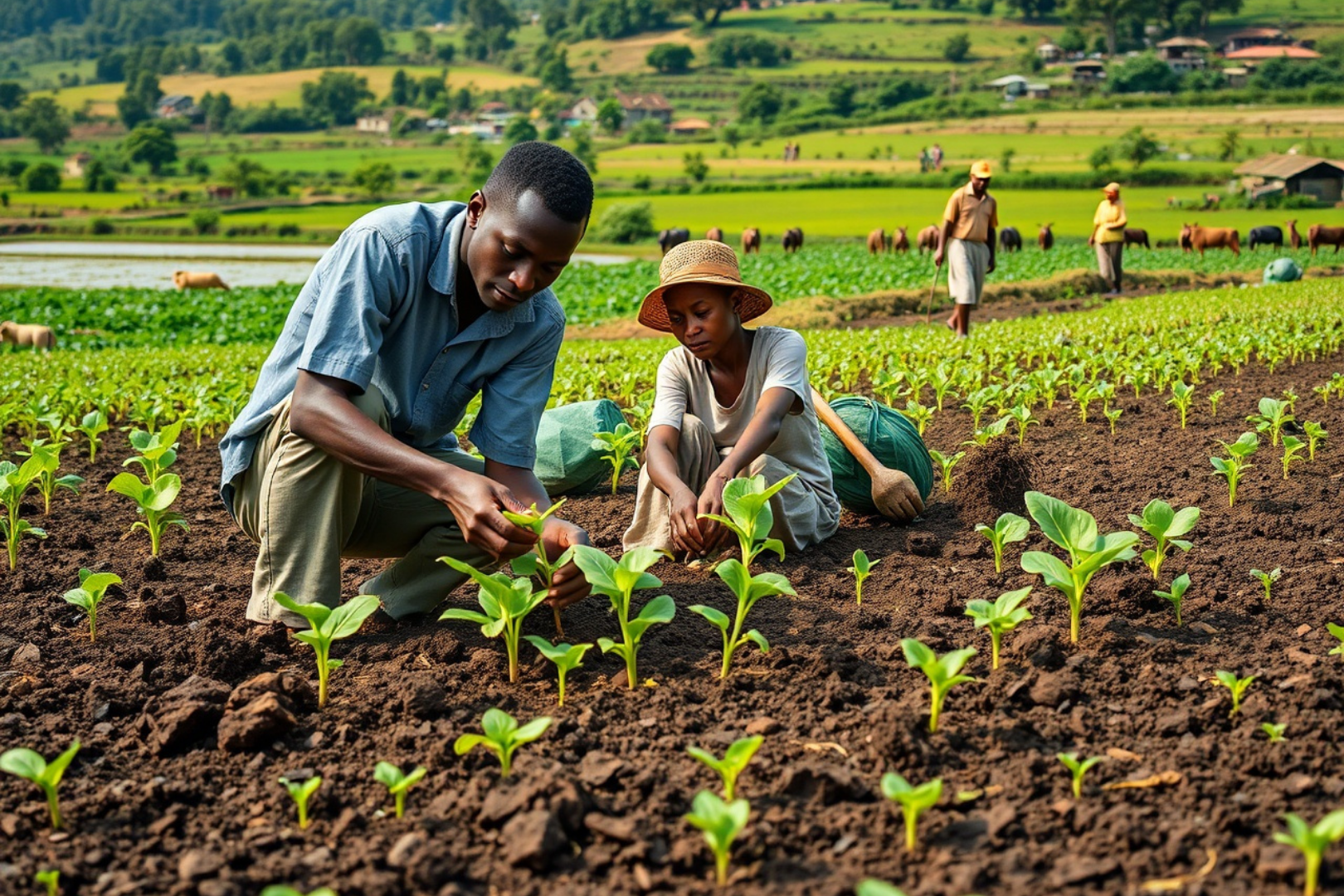
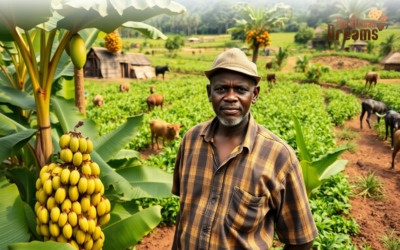
However, the country produces staple crops such as bananas, cassava, and sweet potatoes. With subsistence farming being the only source of food security, the smallholders are the backbone of Burundi’s agricultural industry.
Here are the key agricultural products in Burundi:
- Cassava
- Bananas
- Sweet Potatoes
- Beans
- Coffee
- Tea
Barriers to the Growth of Agriculture in Burundi
Burundi needs to use its agricultural potential. To secure food security and get out of poverty, the sector can be the sole contributor. Despite having such potential, the country has several setbacks and barriers to agricultural growth.
1. Land Scarcity: Being a densely populated country, he average size of a farm in Burundi is small. This makes it difficult to carry out farming operations.
2. Limited Access to Agricultural Commodities: Farmers here lack agricultural resources like high-quality seeds, fertilizers, and modern farming tools, a barrier to improvement.
3. Climate Variability: Burundi’s agriculture relies on rainwater, but the impact of climate change has affected the sector.
4. Inadequate Infrastructure: Transportation is poor here, and the country lacks market access.
5. Others: There are other problems, such as financing agricultural activities and labor market constraints.
However, the country is quickly recovering from these barriers and entering a new era.
Policy Support and Future Potential
Agriculture in Burundi has a bright future. The upcoming days will clear the clouds from its fate if the nation can utilize what it has. Burundi can heavily rely on its workforce, arable land, and climate.
Besides, it can also welcome international aid from organizations like FAO and USAID. The good news is that these organizations are already working closely to remove the problems in its agriculture. Thus, strong policy support is needed to realize Burundi’s future potential.
Burundi is a low-income country with no seaports. But the future is promising, as forecasted by the African Development Bank. The organization projects a 5.9% growth in GDP in 2025. If this growth remains for the upcoming decade, the country won’t have to look back again. It will become a rising powerhouse in the African economy.
However, policy support requires a two-sided approach. The government has to play a strong role here, while on the other side, the international organizations must work together to merge their goals.
USAID provides development-oriented food assistance. This support from the organization focuses on the following:
- Soil conservation
- Improved seed varieties
- Better crop and livestock production
- Rehabilitation of precious marshlands
- Increased dietary diversity for the most vulnerable households
With all this help from international bodies, Burundi is bound to reach the desired aim.
Final Words: Growing Agriculture in Burundi
Located in the Great Lakes region, Burundi is filled with opportunities and beyond. As agriculture in Burundi supports its economy, policy support and government backing, along with international aid, can take the country to the next level.
And for individual support, investors can also play a key role. Anyone who wants a good return by making use of the agriculture sector can indulge in the opportunities in Burundi. It will soon be able to be one of the top countries for both agricultural activities and investment.
Burundi’s agricultural industry can draw a lot of investment by proper pitching and spreading the opportunities. While Burundi is looking for ways to develop, its agricultural industry can be the game-changer for its bright future.
0 Comments