
Libya, a North African country rich in oil and gas reserves, is gradually moving towards political stability after years of turmoil and conflict. This progress has opened up new opportunities for foreign investors to explore the country’s business environment.
While Libya has faced political instability, ongoing efforts to bring about stability can create a favorable environment for investments to thrive. Investors should conduct thorough due diligence and monitor the geopolitical situation for a comprehensive understanding of the risks and potential returns associated with investing in Libya.
Here are the some reasons to invest in Libya
- Market Economy
The Libyan economy is market and production based. It produces and exports oil, petroleum products, natural gas, and petrochemicals. Through regional partnerships and agreements, investing in Libya can offer access to broader African markets, facilitating cross-border trade and business expansion.
As Libya continues to rebuild and develop, it presents an emerging market with the potential for high returns on investments. Efforts to liberalize the economy and attract foreign investment have been ongoing, creating a more business-friendly environment.
- Rich Natural Resources
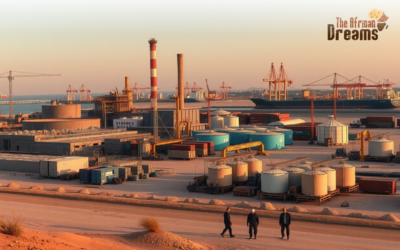
Libya possesses vast untapped natural resources, making it a potentially lucrative investment opportunity. Libya is abundant in natural resources, particularly oil and natural gas. The country possesses some of the largest proven oil reserves in Africa, making it an attractive destination for investors in the energy sector.
- Strategic Location
Libya’s strategic location in North Africa provides a gateway to both Europe and the Middle East, making it an attractive location for businesses seeking to establish a foothold in the region. Its strategic location makes it a potential hub for trade and investment, offering access to both continents. Libya boasts historical sites, ancient ruins, and a picturesque Mediterranean coastline, offering substantial potential for the tourism industry once stability is achieved.
- Young and Educated Workforce
Libya has a young and relatively well-educated workforce, offering a likeliness of skilled labor for various industries. Libya has the potential for a robust labor force, which can be advantageous for various industries, fostering economic growth.
- Reconstruction Opportunities
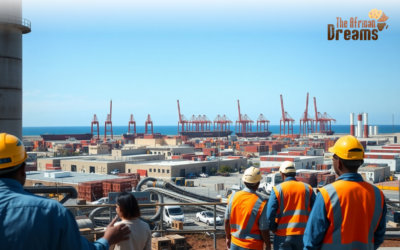
With the country stabilizing after periods of unrest, there are considerable opportunities for investment in the reconstruction and development of infrastructure, including roads, ports, and utilities. Investment in the improvement of infrastructure can open up new opportunities and facilitate smoother business operations.
- Economic Reforms
Libya has been undertaking economic and regulatory reforms to improve the business environment. This includes streamlining bureaucratic processes and making it easier for investors to operate within the country.
The government has been considering privatization in various sectors, providing investment opportunities as state-owned enterprises transition to private ownership. Exemptions from customs duties on equipment, a five-year moratorium on income tax, and tax relief on reinvested profits.
- Libyan Stock Market
The development of the Libyan Stock Market provides a platform for investors to engage in equity trading and further supports the growth of the financial sector. The Libyan Investment Authority (LIA) plays a significant role in managing and investing the country’s wealth, offering opportunities for collaboration with international investors.
- Infrastructure Development
The government is investing in infrastructure projects, including transportation, telecommunications, and energy, creating opportunities for private investors to participate in these essential developments. Beyond traditional energy sources, Libya has great potential for renewable energy projects, such as solar and wind power, aligning with global trends towards sustainable investments.
- Diversification Initiative
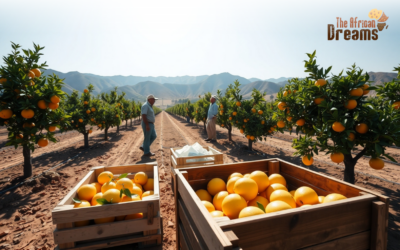
The Libyan government has been actively working on economic diversification initiatives to reduce dependence on oil revenues. This includes sectors like tourism, agriculture, telecommunications, infrastructure and human resources, providing diverse investment opportunities.
- Land lease
While foreign investors can’t own land, they can lease real estate temporarily. However, certain strategic industries, especially the upstream oil and gas sector, mandate a partnership with a Libyan entity that retains the majority stake. The communications sector in Libya is experiencing significant growth, presenting opportunities for land affiliated investment in expanding and modernizing communication infrastructure.
Conclusion
Libya’s vast oil and gas reserves and strategic location make it an attractive destination for foreign investors. Despite challenges in the country’s business environment, with the right investment and partnerships, Libya can unlock its full potential and become a significant player in the global economy. Investing in educational and training programs can tap into the potential of the young population, enhancing human capital and contributing to economic development.



0 Comments