
Introduction
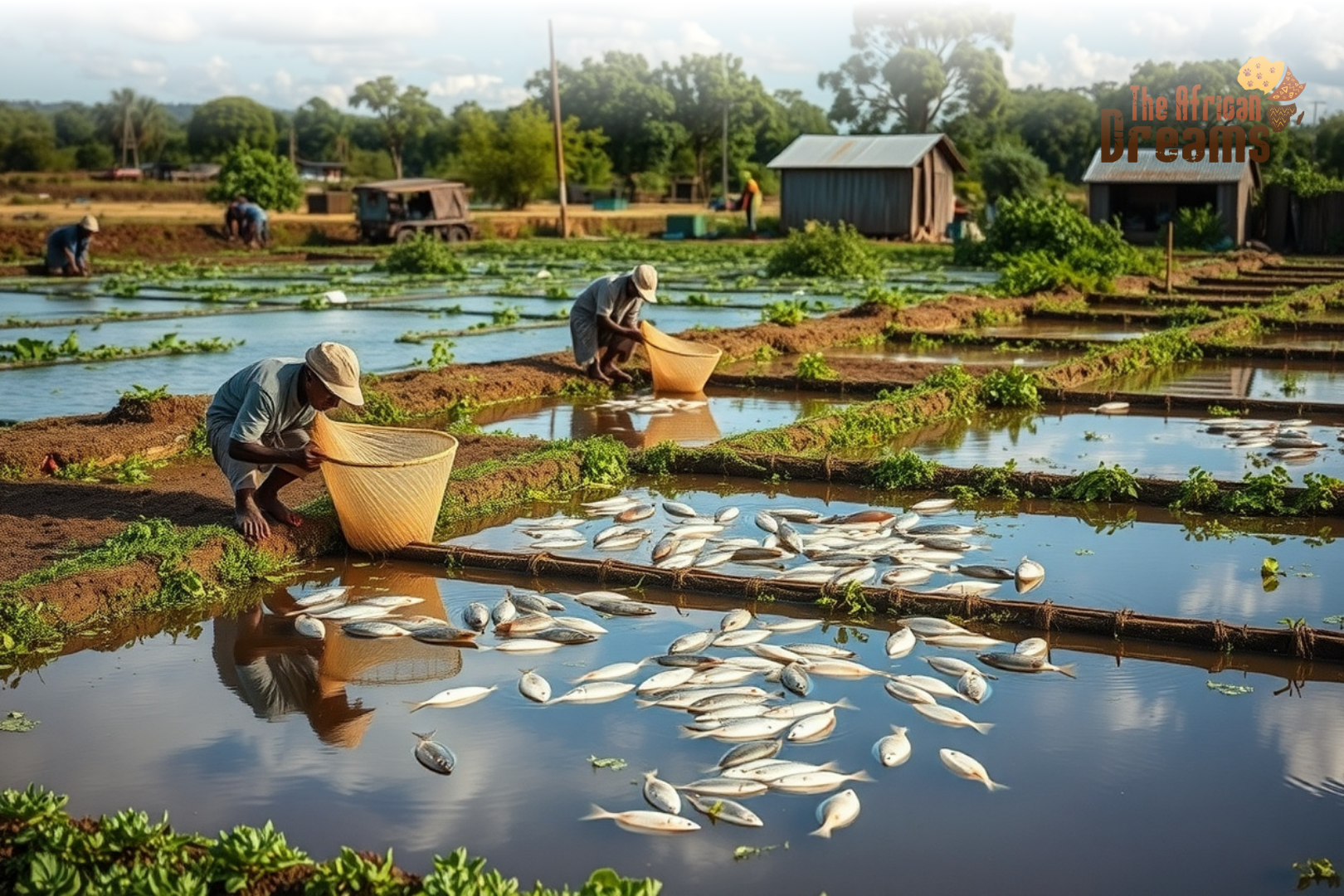
Zimbabwe is a country in Southern Africa, renowned for its ecological heritage, ethnic diversity, and the magnificent Victoria Falls. The country has many lakes and rivers that support a growing fishing industry. Zimbabwe’s Fisheries Sector is important in employment, food security, and rural livelihoods. Also, it plays a vital role in its socio-economic development. According to the World Bank (2023), the fisheries sector contributes 4.1% to GDP. As the fish demand is rising, it will be a great initiative to contribute to the fisheries sector that will ensure a better future for the national people. This article explores the current condition of the fisheries sector, highlights its main obstacles, and looks at potential investment prospects.
Importance of Fisheries in Zimbabwe
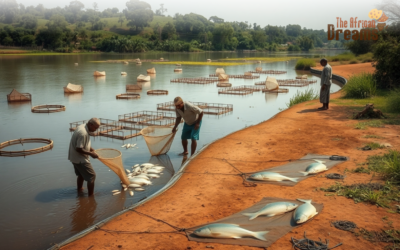
Fisheries are important for food security and livelihoods. As the fish demand is rising, the fisheries sector will play a vital role in the economic sector of Zimbabwe. They contributed to nutrition and employment, and fish is a source of income for those involved in fisheries, aquaculture, and the fish trade. Fisheries in Zimbabwe include catching fish from lakes and small rivers, as well as fish farming. Many people depend on fishing to make sure their livelihoods. Approximately 40.3 million people depend on fishing.
Fish play an important role in providing essential nutrients, especially protein, fat, vitamins, and minerals. Fish contains a good amount of protein, about 18-20%. Also, fish contains all eight essential amino acids, like lysine, tryptophan, histidine, phenylalanine, leucine, isoleucine, threonine, methionine-cysteine, and valine.
Fisheries contribute to the national economy through exports. According to 2024 statistics, Zimbabwe exported US$1.72 billion between January and March, which is 25 percent more than US$1.38 billion in the same period in 2023. This sector will help to increase the country’s economic and national well-being.
The government of Zimbabwe is trying to increase investment in the fishing sector as demand and exports are rising, which will have a significant impact on its economic status. Fisheries are important for Zimbabwe because they provide food and jobs for rural people.
By investing more in fishing and fish farming, Zimbabwe’s economic condition will improve, they will be able to provide a secure life for rural people, and they can also ensure the food safety of the national people. Considering all of this, the agricultural ministry can create a sustainable environment in the fisheries sector.
The Lands, Agriculture, Fisheries, Water, and Rural Development Ministry recently announced a spike in fish production.
Why Investment in Zimbabwe’s Fisheries Sector
- The new Fisheries and Aquaculture Bill will provide a simple and cheap process for farmers and investors to succeed.
- The government reduced the extra fees and taxes to make fish farming more profitable and accessible.
- The government wants to reduce the unemployment rate and improve the economy.
- FISH4ACP is supporting Zimbabwe’s fish industry by providing funding, additional training, and market opportunities for fishers.
- The Zimbabwe population can increase food supply and earnings for the rural people.
- Poor people can easily afford fish for their meal, which will help them consume a larger amount of protein.
- Fish harvesting takes a short period, such as six or nine months.
- With adequate, clean water, the farmer can farm, build a large pond to increase productivity, and help grow Zimbabwe’s Fisheries sector.
- The Zimbabwe Parks and Wildlife Management Authority (ZPWMA) is providing free advice to fishers, which helps them succeed in their fishing areas and increases the rate of fish harvesting.
- Farmers can use hormones to separate fish species, which will help fishers increase fish production and make fish farming more profitable.
Challenges & Opportunities of the fisheries Sector
- Due to religious and cultural beliefs, people used to avoid catfish. But with proper marketing and consumer awareness campaigns, demand for these fish will grow over time.
- Tilapia is the most common fish in the fisheries sector, but it has a negative impact because it takes up space and food resources from native fish. This is declining the production of local fish. There is also a lack of transportation and distribution systems. Investing in transportation and distribution networks can help farmers grow their businesses.
- Due to water pollution in urban areas, some farmers have failed to complete their farming projects. So, some environmental policies should be strictly followed, and waste management should be implemented to improve water quality for fish farming.
- Due to poor water quality in Lake Manyame, the common farmer failed to produce common carp between 1997 and 2008. So the water quality should improve before introducing new fish species.
- Many farmers are depending on donors to build small fish farms rather than operate them as sustainable businesses. So, private sector investment should be encouraged to help fish farms become more self-sufficient.
- The production and transportation processes require specialized knowledge and equipment, such as oxygen transport systems. To reduce these challenges, training programs can be arranged, and technology should be improved.
- The Department of Fisheries and Aquatic Resources shows that the government is focusing on developing the fisheries sector. With more government support, fish farming growth will increase, benefiting farmers financially and the country economically. Considering this, the government can invest more to improve the fisheries sector.
Conclusion
Zimbabwe’s fisheries sector is contributing to boosting the economy, creating jobs, and improving food security. The government is helping the fishers by enacting policies such as the Fisheries and Aquaculture Bill, reducing additional charges and taxes, and organizing advisory programs. Besides that, the FISH4ACP Organization also provides funding and training to fish farmers to improve their livelihoods and strengthen the country’s economy.
Despite challenges such as poor infrastructure, increased water pollution in urban areas, religious and cultural beliefs, and limited market demand for certain fish species, the government of Zimbabwe is actively focusing more on this sector. Tilapia is a popular fish, but it is an obstacle to native fish. To reduce this problem, better management is needed. Besides that, improving transport facilities that strictly adhere to environmental policies and promoting the harvest of specific fish species within a particular area can help address these issues.
Overall, with the right initiatives and government investments, Zimbabwe can create significant change in its fisheries sector, benefiting farmers and the national economy.

0 Comments