
Agriculture stands as the backbone of Uganda’s economy, contributing significantly to its GDP and employing the majority of its workforce. Blessed with fertile soils, diverse climate conditions, and abundant water resources, Uganda possesses immense potential for agricultural development. This sector not only sustains livelihoods but also drives economic growth, exports, and food security initiatives. Understanding the pivotal role of agriculture in Uganda is paramount to grasping the nation’s socio-economic landscape and its journey towards sustainable development.
Agriculture is considered one of the most profitable businesses in Uganda due to several factors:
- Climate and Soil Conditions
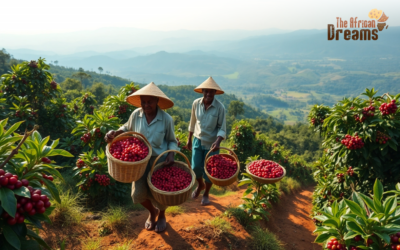
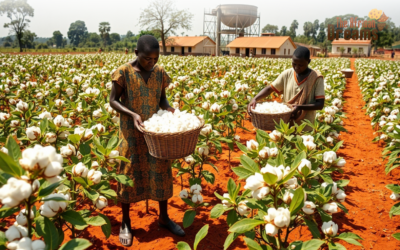
Uganda’s favorable climate and diverse soil types support the cultivation of a wide range of crops throughout the year. With abundant rainfall and fertile land, farmers can grow crops such as coffee, tea, maize, bananas, cassava, and various fruits and vegetables.
- Export Opportunities
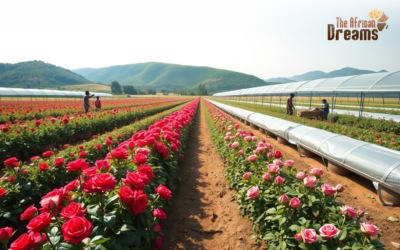
Uganda is a major exporter of agricultural products such as coffee, tea, and flowers. These commodities have a steady demand in international markets, providing farmers with opportunities to earn foreign exchange and higher profits.
- Government Support
The Ugandan government has implemented various policies and programs to support the agricultural sector, including subsidies, extension services, and infrastructure development. These initiatives aim to improve productivity, enhance market access, and increase farmers’ income.
- Rising Demand
With a growing population and changing dietary preferences, there is an increasing demand for agricultural products in Uganda. This creates opportunities for farmers to capitalize on market trends and expand their production to meet consumer needs.
- Value Addition
Value addition activities such as processing, packaging, and marketing of agricultural products can significantly increase their profitability. Entrepreneurs in Uganda are increasingly investing in agro-processing ventures to add value to raw agricultural commodities and tap into domestic and international markets.
- Job Creation
Agriculture remains the primary source of livelihood for the majority of Ugandans, providing employment opportunities for rural communities. By engaging in agricultural activities, individuals can generate income, alleviate poverty, and improve their standard of living.
- Adaptation to Climate Change
Uganda’s agricultural sector is resilient to climate change, with farmers adopting sustainable practices and resilient crop varieties to mitigate risks associated with extreme weather events. This adaptability enhances the profitability and sustainability of agricultural enterprises in the long run.
- Access to Finance
Initiatives such as agricultural credit schemes and microfinance institutions enable farmers to access financial resources for investment in inputs, equipment, and technology. By leveraging these financial services, farmers can improve their productivity and profitability.
Conclusion
Uganda’s agriculture sector is not only a source of sustenance but also a beacon of opportunity and growth. Its resilience in the face of challenges, coupled with government support and technological advancements, positions it as a key player in the country’s development trajectory. By investing in agricultural research, infrastructure, and market access, Uganda can unlock even greater potential, ensuring food security, poverty alleviation, and economic prosperity for generations to come. Embracing a holistic approach that integrates traditional wisdom with modern innovations will be instrumental in realizing the full potential of agriculture as Uganda’s most valuable asset. Agriculture continues to play a crucial role in Uganda’s economy, offering significant opportunities for income generation, employment creation, and food security. With the right support, infrastructure, and investment, the agricultural sector is poised to remain profitable and contribute to Uganda’s socio-economic development.



0 Comments