
Introduction: Explore Vegetable Production in Uganda
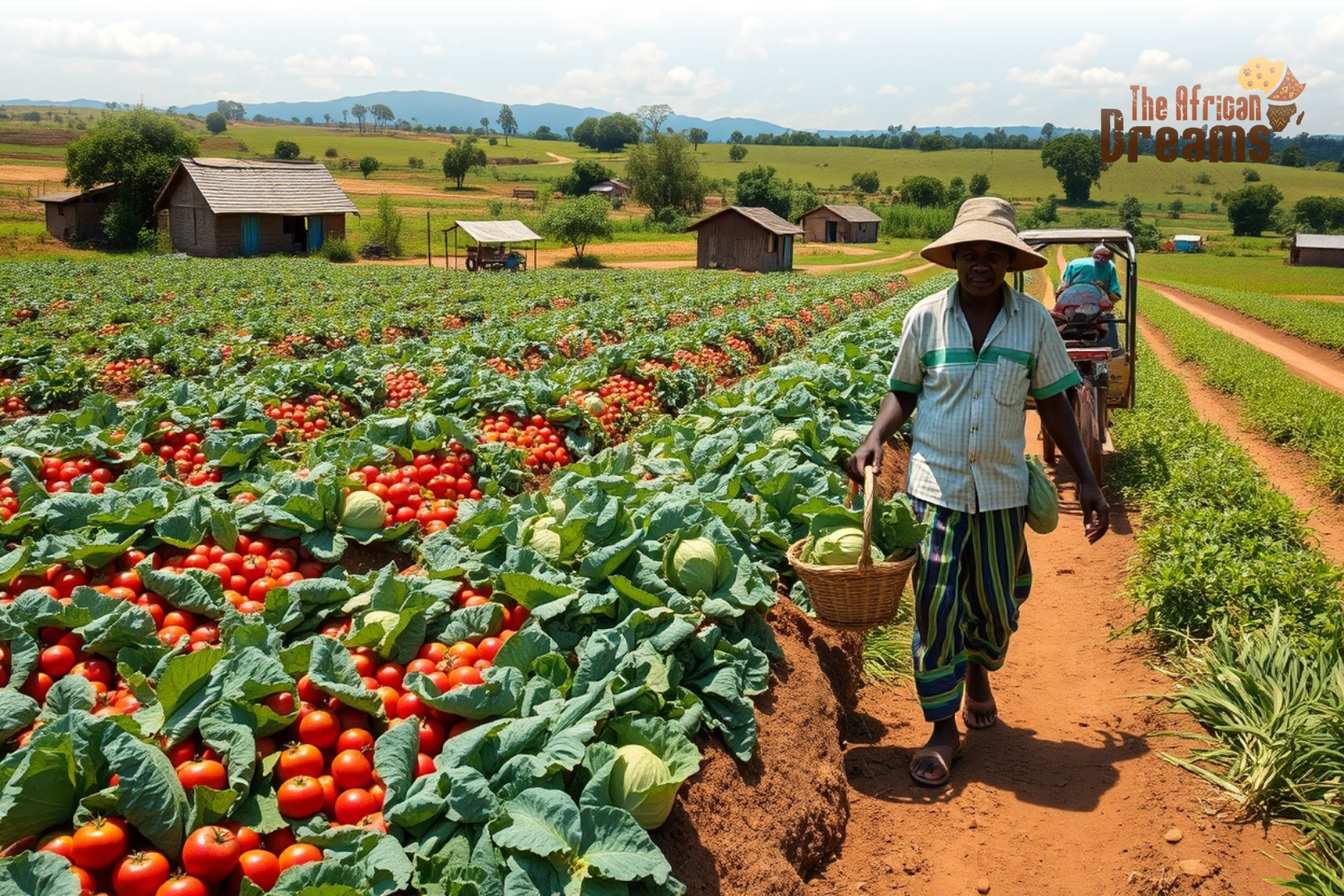
Vegetable production in Uganda has received a significant boost over the years. This comes naturally because of the vast farming land inside the country. The soil is fertile, and the environment is favorable not just for vegetables but for farming in general. In the last few years, Uganda has seen many small vegetable farms emerging and creating livelihoods for the people. These backyard gardens and farms are important to sustain the rural development of the country.
However, vegetable farming does not come without its fair share of problems and challenges. There’s been a massive influx of FDI promoting sustainable agribusiness in the region for a while now. The prospects of vegetable farming in Uganda look promising indeed, more so from a business perspective.
Let’s take a look at the profitability potential of vegetable production in Uganda and how to overcome the challenges it faces.
Article Highlights
Exploring the potential and future expectations of vegetable production in Uganda.
Discussing the current state of the vegetable market and farming practices.
Providing likely solutions to the challenges of vegetable production.
Learning about the most profitable vegetable crops in Uganda.
Overview of the Current State of Vegetable Production in Uganda
Vegetables are staple items in dishes and salads around the world. Kale, Spinach, Nakati, and Lettuce are some of the most profitable vegetables to grow because of their widespread acceptance. The overall agricultural sector benefits from the two rainy seasons and favorable conditions for harvest.
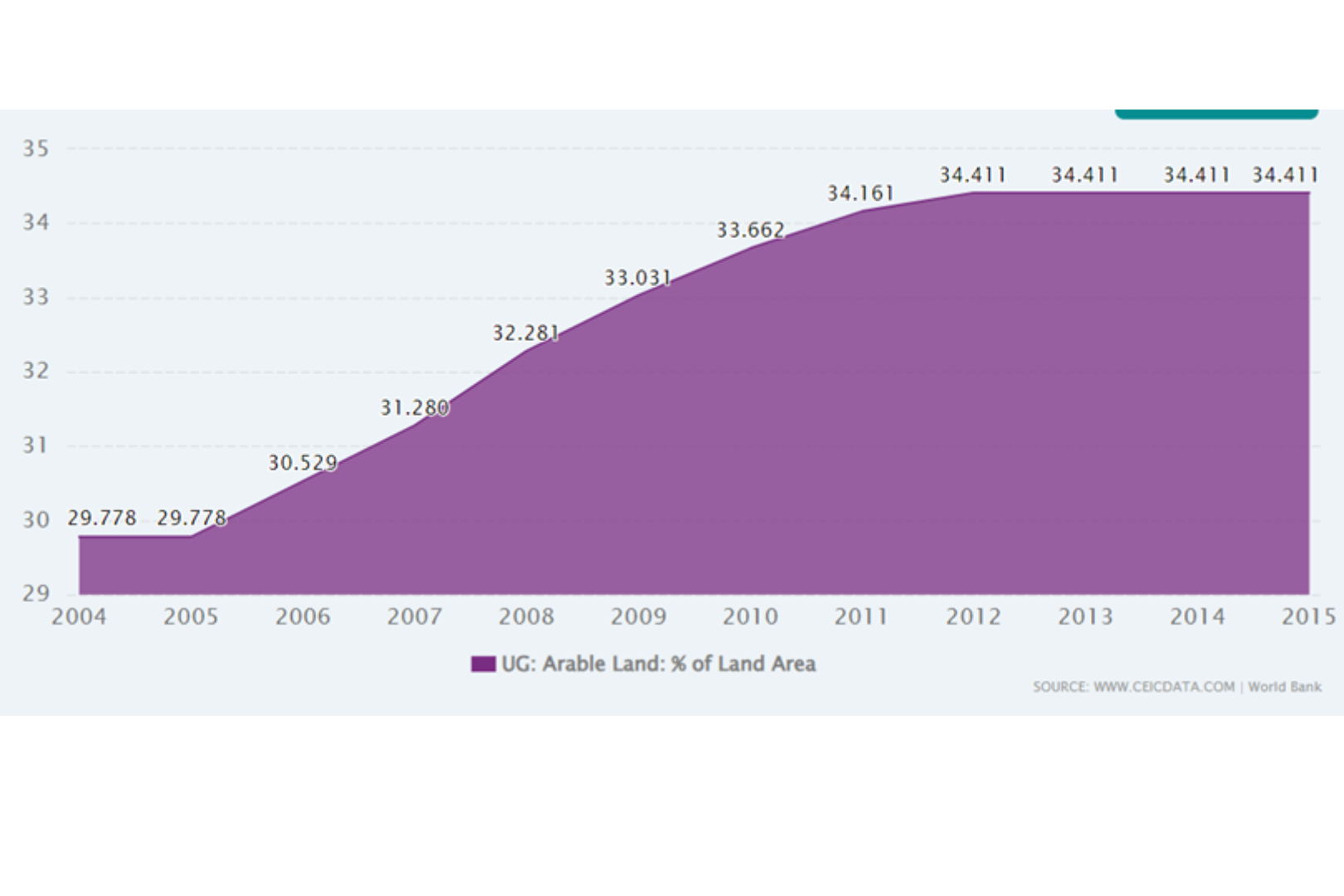
80% of the land in Uganda is considered arable, but only around 35% has been actively used since 2012, with no increase.
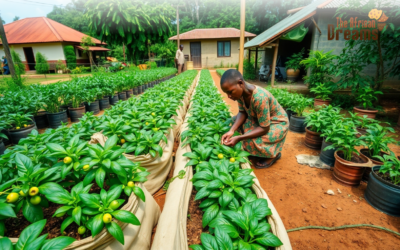
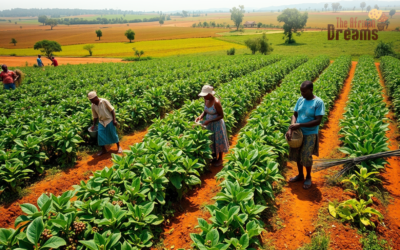
Vegetable production in Uganda is done in small backyards and large commercial operations. Many homes in Uganda grow vegetables for their consumption because it is easy to produce them there. It also creates a ready market for all the different types of vegetables.
Uganda produces around 30 different types of vegetables, all for food security and income generation. The most popular vegetables among others are Kale, Nakati, Spinach, Lettuce, Tomatoes, Onions, and Sukuma (Collard Greens).Vegetable farming plays a key role in the country’s economy. Vegetable production in Uganda contributes to around 24% of its GDP and 35% of its export earnings. Since more than half of the country’s people’s main income source is farming, vegetable production becomes crucial in sustaining the employment situation within the country.
Challenges and Solutions: Vegetable Production in Uganda
Even with all the favorable natural conditions for agricultural development, vegetable farming faces some regular issues. But with the right knowledge, farmers can easily address most issues on their own.
The red-tape pipeline of audits for export-permission audits is also faulty in some instances. There are some inspections associated with the export of vegetables, mostly for quarantine purposes. The pipeline takes quite some time to declare the vegetable produced to be labeled export-worthy and free of harmful antigens. Albeit necessary, the whole process takes a toll on the farmer’s livelihood, which is a big issue to consider.Another major concern for vegetable production is market access and transportation. An article published by the Greater North News Agency reports that up to 40% of the vegetables produced in northern Uganda are lost before they can reach the market.
Accessibility challenges are roadblocks to maximizing profit from farming vegetables and other crops in Uganda. Farmers used to hire bicycle riders to deliver their produce to markets, or ride themselves. This was time-consuming and a hindrance to delivery. TechnoServe took the initiative to introduce tricycle motorbikes to farmers to improve delivery efficiency.

Profitability Situation of Vegetable Production in Uganda
Uganda’s vegetable sector has vast potential to make significant profit. Several crops show promise if produced on a large scale. The agricultural landscape also gives the farmers opportunities to grow different types of vegetables.
A. Profitable Vegetables in Uganda
Some vegetable crops run at a higher price because of their massive demand in the local market. Tomatoes, cabbage, onions, and peppers are the most attractive choices right now to make a profit. The demand is consistent throughout the year for these crops.
Quick-maturity crops like Sukuma and dodo (amaranth) are also in high demand because these crops get ready for harvest within 30 days, creating the way for multiple harvests. Some indigenous vegetables, like the Nakati and African eggplant, are also good options for mass production.
B. Market Opportunities
Vegetables can be sold in both domestic and international markets. As a healthy option for food, people around the world enjoy vegetable dishes. The local market for vegetables is strong. Farmers can meet the local market demand and still have heaps of produce to export.
Uganda has become a major producer of fresh vegetables in its region. There are export opportunities to neighboring countries, increasing the producers’ profit.
The biggest market for vegetables in the world is the European region. A big chunk of the total export of vegetables goes to the European markets. The UK and the Netherlands are the top two importers of fresh vegetables from Uganda.
Future Prospects
As technology advances, so do cultivation methods and other farming practices. It is a good thing that many agencies are creating a learning environment for farmers who have been stuck doing their work in inefficient traditional ways. The current growth of vegetable production in Uganda is not much different.
1. Following the emerging health situation, people have taken swift turns towards vegetable main dishes. There’s an increasing market demand for organic produce, especially vegetables. Specialization of a certain portion of the vegetable farmers to organic produce will make profit-making even easier in the current day and age.
2. Integration of new agricultural technologies is improving the sector’s efficiency. Solar-powered irrigation during drought season, drying, cooling, and other storage methods are making it easy for farmers and business owners to sustain food security and incomes.
3. The CEHA in Uganda works with farmers who grow fruits and vegetables. They provide insight into policy-making, create value chains, and do R&D within the industry. They are also working on newer projects to make farming more efficient on this front.

Transforming Lives Through Vegetable Farming: Case Studies
This is the story of Christopher Nakuta in Imvepi, who got a cash grant of 600000 shillings from Save the Children. He used it to farm vegetables as a business, with a main focus on cabbage, eggplant, and tomatoes.
When the vegetable farm starts making enough profit, he intends to expand his business into growing watermelons and pumpkins. He earned around 1.8 million shillings from his first harvest alone. He thinks he will have a steady income of 3 million shillings in the following years.
Final Words: Profitable Vegetable Production in Uganda
Vegetable farming inside Uganda’s vast arable land will indeed bring profit. There are opportunities for business both inside the country and around the world. Vegetable plantations will boost Uganda’s economy soon.
Getting a slice of that cake early would be wise. By mitigating the challenges of vegetable production and infrastructure gaps, the potential seems almost limitless. So investors should try to invest in vegetable production in Uganda and contribute to the country’s agricultural improvement.To learn more about the agricultural opportunities in Uganda and why it is considered a land of potential, you can read Uganda’s Agriculture & its Opportunities.
0 Comments