
Introduction: Exploring Uganda's Horticulture
Can you believe that the history of horticulture dates back around 10,000-20,000 years ago! The process started by providing only food, but the concept has changed a lot. And guess where it stands now? Horticulture can be your source of income and a daily need provider at the same time.
Uganda, the Pearl of Africa, like many countries, found a new vision in its agriculture. The country’s potential to utilize the sector as the primary source of economic growth is already well known. Now, the sub-sectors are also worth paying attention to. With favorable climates, fertile soil, and abundant water resources, the country is ideal for growing horticultural crops. From smallholder farmers to urban landowners, people can make a difference in both their lives by producing self-sufficient foods as well as contributing to the economy by selling them.
So, let us guide you through the diverse sector of Uganda’s horticulture and explore it as a profitable industry.
Article Highlights
Most of the smallholder farmers are behind the sector of Uganda’s horticulture.
The Horticulture sector differs from commercial farming but can positively impact the economy. The current plan aims to reach USD 1 billion from horticultural product exports.
Investors can utilize the vast sector with support for the farmers and receive a great return on investment.
Overview of Uganda's Horticulture
Uganda exports about 18 million kgs of fruits and fresh vegetables annually, bringing about USD 35-48 million each year. But after the pandemic, the sector has been hit hard and couldn’t reach what it needs to produce to meet the export demand.
The field is open, and Uganda has the capacity, but it only needs a push in investment. The government has dropped the annual allocation to 1.45 trillion Ugandan Shillings from 1.67 trillion.
However, the concerning factor is that the post-harvesting loss is high in Uganda. It loses almost 70% of its production, while the FAO says the annual loss averages 45% globally. This is a seatback that needs to be overcome soon. And to do so, the country needs investment to build infrastructure and facilities to provide support. Investors can make more money if they can address it.
Role of Smallholders in Uganda's Horticulture
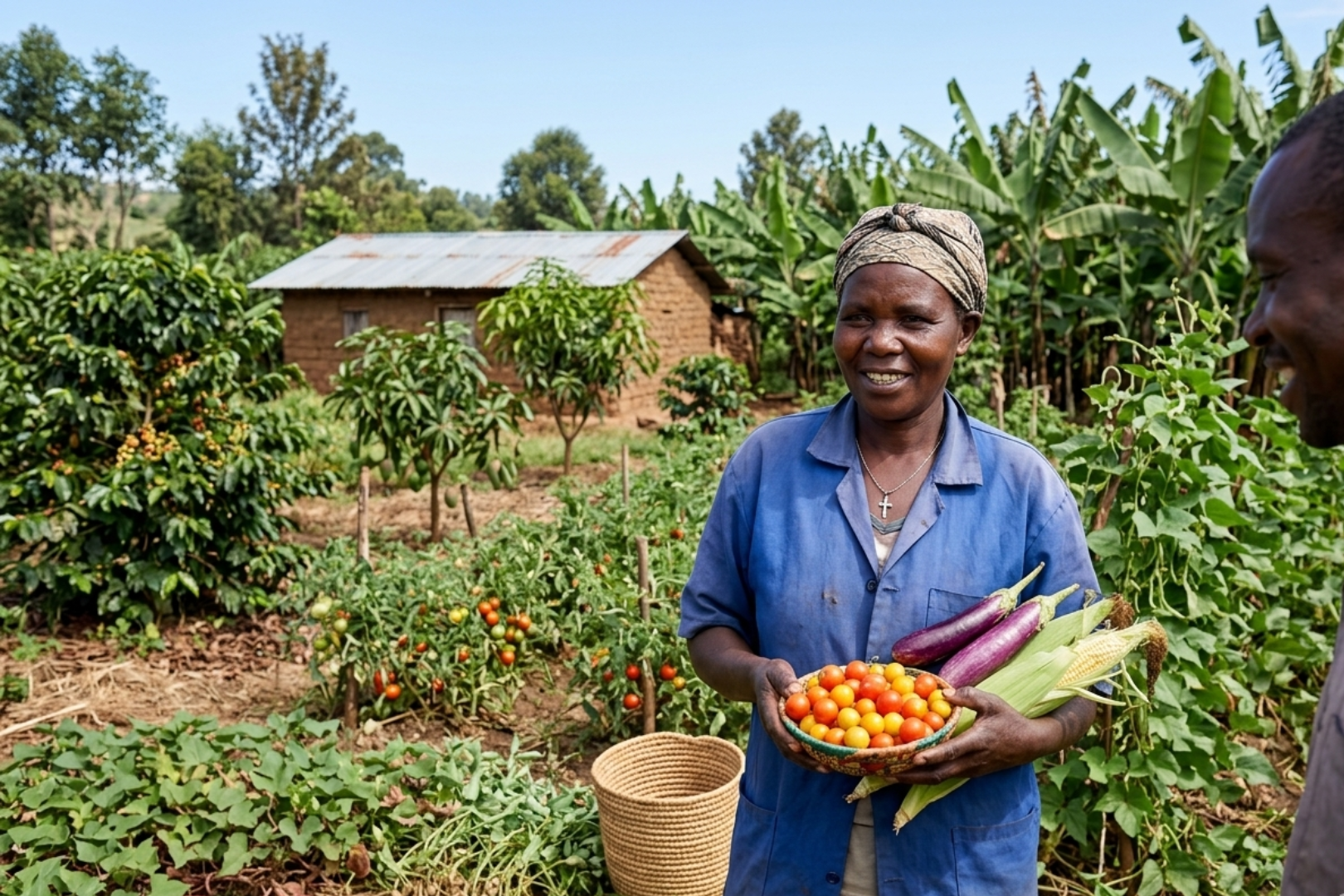
Smallholders are the backbone of Uganda’s agriculture. Unlike commercial farming or large-scale farming, horticulture operates in a small area. It is about using the abandoned places that people generally overlook. Uganda’s horticulture has a big impact on the GDP as well, amounting to nearly 14.4% of the total in the 2021-22 fiscal year. Almost 85% of the total exports come from this sector.
The government is also providing adequate support for everyone to encourage them into small-scale farming. KCCA Kyanja Demonstration Farm is one of the country’s agricultural training facilities. Mr. Kato Godfre, an officer from the center, said that the training puts focus on small-scale farming and demonstrates the effectiveness, efficiency, and monetary benefits of horticulture.
Beyond Profits: Manyfold Benefits of Uganda's Horticulture
Not only can horticulture be regarded as profitable in monetary value, but it also includes other opportunities. In addition to generating income, Uganda’s horticulture can provide food security and create new employment. A 2005 report on Uganda’s horticulture sector found that the sector had 20 floriculture farms that directly employed over 4,000 people. Besides, the supply, transport, marketing, packaging, and handling operations are associated sectors that create more jobs.
All of these are very crucial for Uganda because the country is still pretty underdeveloped compared to the others. Uganda needs to utilize each profitable sector that can play a vital role in shaping a sustainable economy.
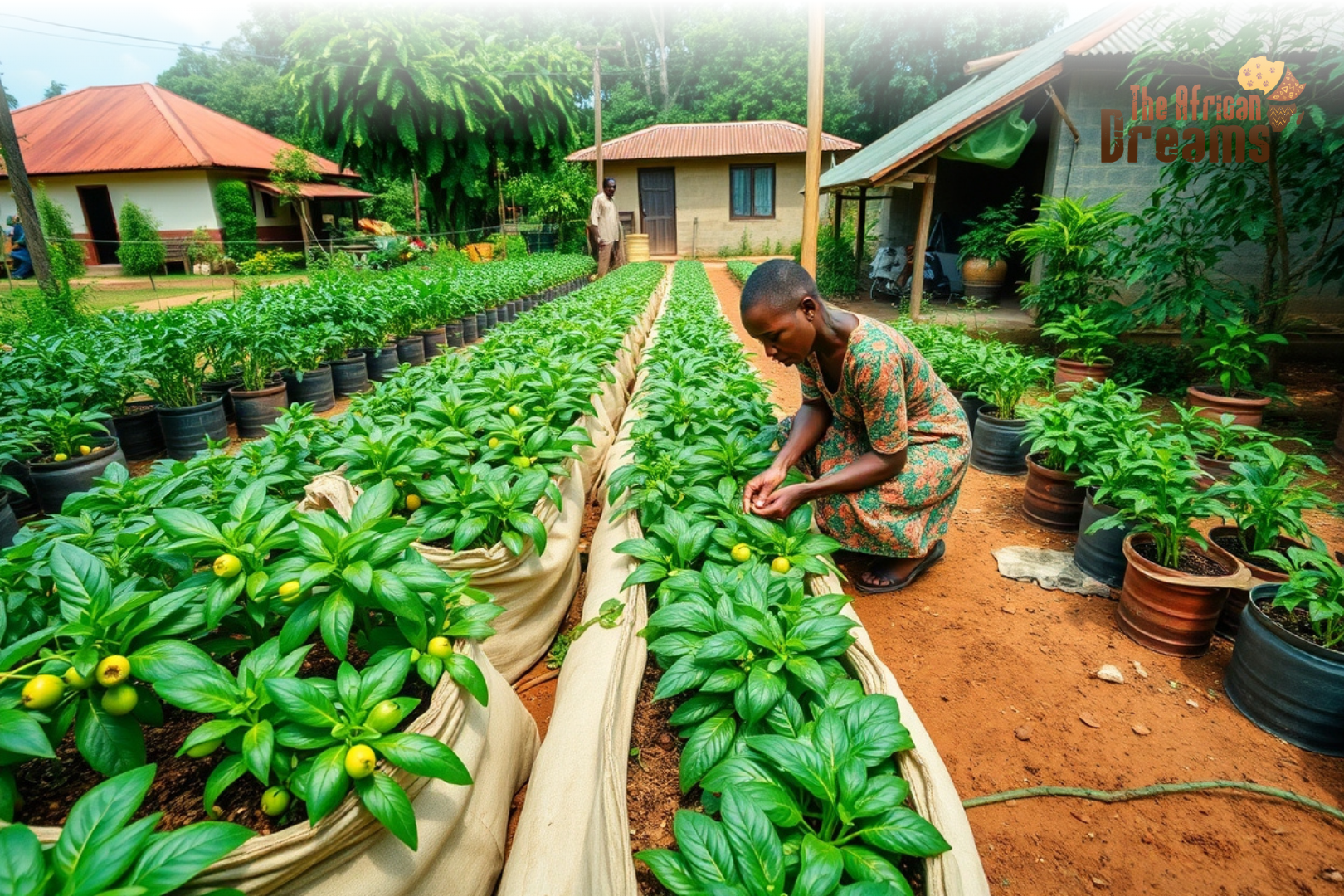
While the rural areas have vast farmlands, the urban people don’t have access to open spaces. Thus, they have to utilize the small, confined areas. Mr. Kato gave an example, saying that an 8*15-meter space can house nearly 500 sweet pepper trees.
After three months, about 50 kilograms of sweet pepper can be collected per week, which goes on for the next six to eight months. When the demand is high, the average sale is closed at 7000 shillings. Given the amount of pepper, it is possible to earn a large amount from a small space.
From Backyard to Kitchen: Inspiring Woman
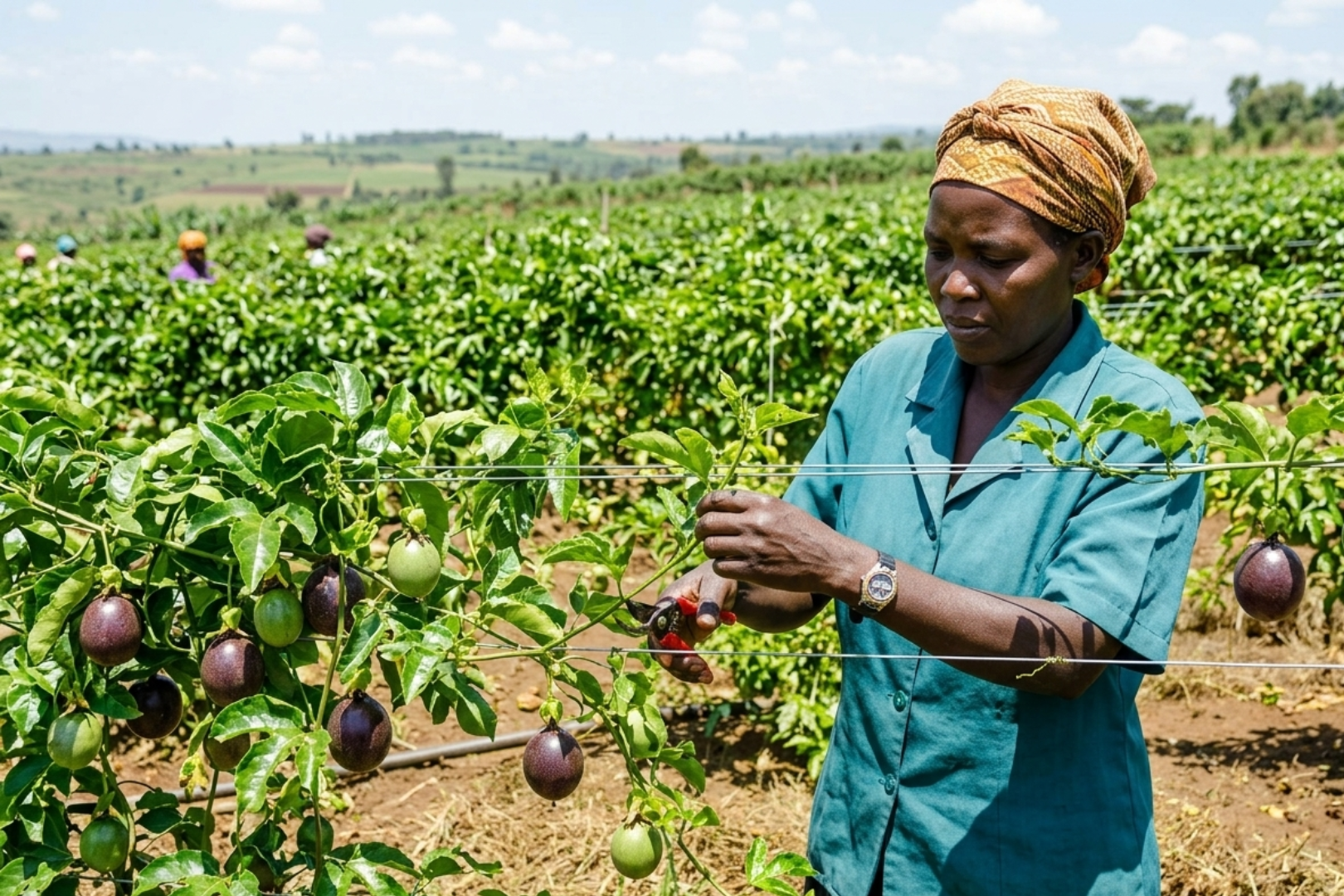
From the KCCA center, let’s follow another successful small farm owner named Sarah Pedun. Inherited her mom’s passion, she followed the steps closely and even surpassed her. She turned her small backyard into a food hub for her family. She put plants in containers, sacks, and raised beds, and also raised chickens, turkeys, and rabbits.
Now, the small place in her backyard not only provides her food security but also makes her an inspiration in the whole of Uganda.
Factors that favor Uganda's Horticulture
1. The strategic location of Uganda is also vital here. The country enjoys easy access to regional and international markets, being situated in the eastern part of Africa.
2. Besides, the demand for organic foods and vegetables is high. As Uganda relies heavily on natural fertilizers, these products provide higher food value.
3. Horticulture can undoubtedly be the way out of poverty for Ugandans. It can not only improve their quality of life and raise their economic prospects, but also help build the community in a developed country.
4. With proper support and investment, the sector is a potential trump card for Uganda. The market is ready to welcome organic foods from Ugandan soil; the country just needs to push itself towards it.
The sector can generate more profit, estimated at USD 75-100 million FOB. The EU market imports more than a billion and it is increasing at 2-4% annually. But Uganda only possesses a 2% share of it. It is high time Uganda’s horticulture sector flourishes as one of the key drivers of generating foreign exchange.
Final Words: Invest in Uganda's Horticulture
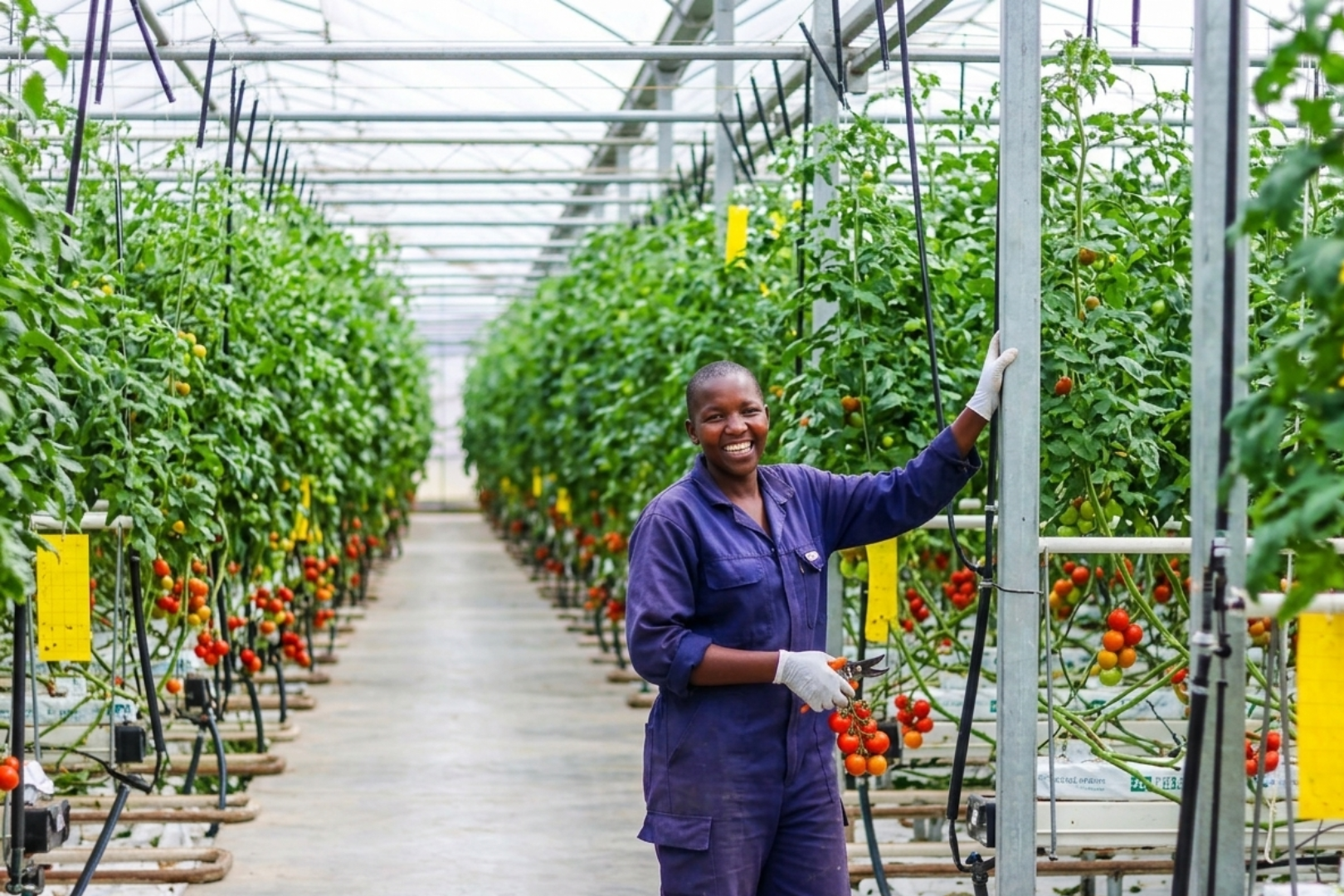
Uganda’s horticulture plays an important role in building the economy and alleviating poverty. It can uplift the economic condition of the country’s economic conditions and contribute significantly to GDP. The sector is undoubtedly a profitable one.
The regional export is also opportunistic. Neighbors like Kenya, Sudan, DRC, Tanzania, and Rwanda are in good cooperation to build a chain for imports. Current qualitative and quantitative market indications suggest that there is no real need to find “new products and new markets.”
Considering the recent export performance, the industry can skyrocket its exports. Uganda just needs to keep the pace on and push it a bit. Overall, Uganda’s horticulture sector is highly profitable, creating a future for both the local communities and the investors. So now is your time to invest in it.To learn more about the agricultural opportunities in Uganda and why it is considered a land of potential, you can read Uganda’s Agriculture & its Opportunities.


0 Comments