
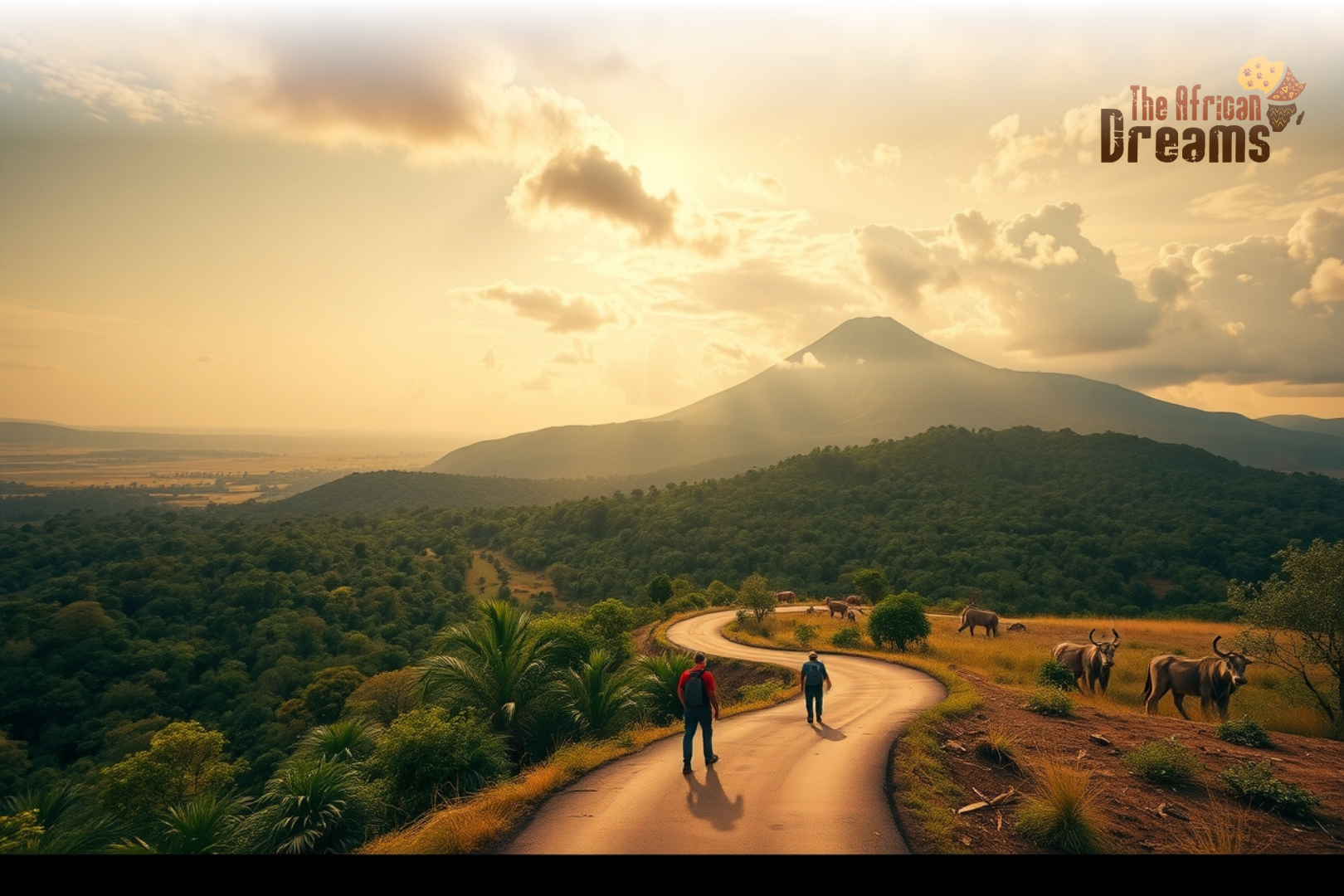
Cameroon, often referred to as “Africa in Miniature,” is a nation with unparalleled diversity. It mirrors the continent’s natural and cultural richness with its rainforests, savannas, mountains, and vibrant cities. The country offers diverse experiences for travelers. From the 4,100-meter Mount Cameroon, West Africa’s highest peak, to Douala’s bustling markets.
Tourism plays a vital role in Cameroon’s economy. Despite challenges, Cameroon is trying to boost tourism. It is developing infrastructure, digitizing tourist visas, and promoting its unique destinations worldwide. The country has a rich history and untapped natural beauty, a hidden gem for adventurers and culture lovers.
Overview of Tourism in Cameroon
Tourism contributes significantly to Cameroon’s economy, accounting for around 1.7% of GDP in 2019, with revenues peaking at $681 million before the COVID-19 pandemic caused a steep decline. The country welcomes about 1 million visitors each year. They are drawn by its wildlife reserves, UNESCO sites, and cultural festivals.
However, like many nations, Cameroon’s tourism industry was hit hard by COVID-19. Revenues dropped to $437 million in 2020, a 36% decline.
In addition, poor transport and security issues in some areas limit growth. Cameroon is investing in infrastructure, digitizing tourist visas, and promoting sustainable tourism. This will help the country preserve its cultural and environmental assets.
Top 10 Places to Visit in Cameroon
Cameroon’s diverse culture and ecology offer many destinations. They cater to adventurers, nature lovers, and history buffs. From majestic mountains and dense rainforests to lively cities and serene lakes, the country is a microcosm of Africa’s beauty. Each region provides unique experiences: wildlife safaris, cultural immersion, or tranquil retreats.
These destinations are not only breathtaking but also vital to the local economy. Tourism in Cameroon, despite poor infrastructure, is growing. Efforts are being made to improve access and promote its treasures worldwide.
Here, we explore the top 10 destinations in Cameroon, each offering a glimpse into the country’s extraordinary charm:
10. Douala
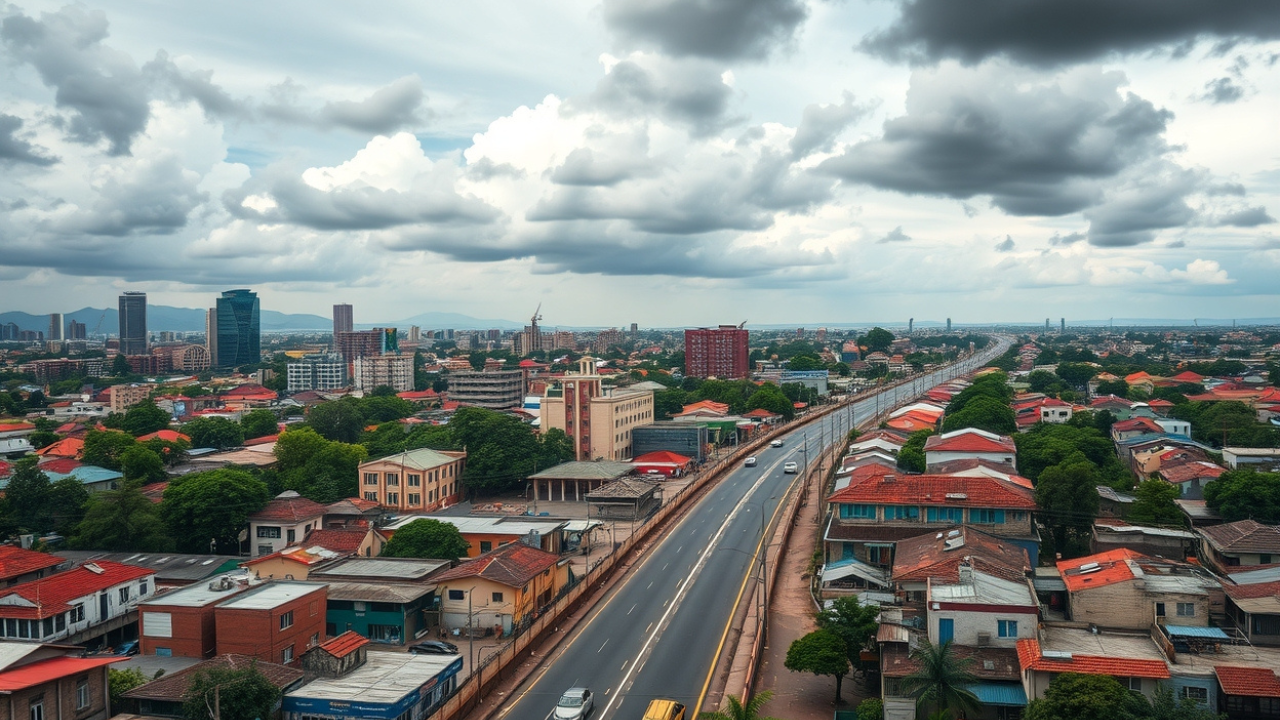
Douala, Cameroon’s largest city, is the economic heartbeat of the country. Its port is one of the busiest in Central Africa, supporting trade and connecting the nation to global markets. While not traditionally known as a tourist hotspot, Douala offers a rich cultural experience. Visitors can explore the lively Marché des Fleurs market or the Doual’Art gallery, which showcases contemporary African art.
However, Douala’s bustling nature and traffic congestion can be overwhelming for some. Despite this, the city remains a great starting point for trips to nearby destinations, such as Limbe or Mount Cameroon. There are efforts to modernize the city. New roads and hotels are making it more tourist-friendly.
9. Lake Nyos
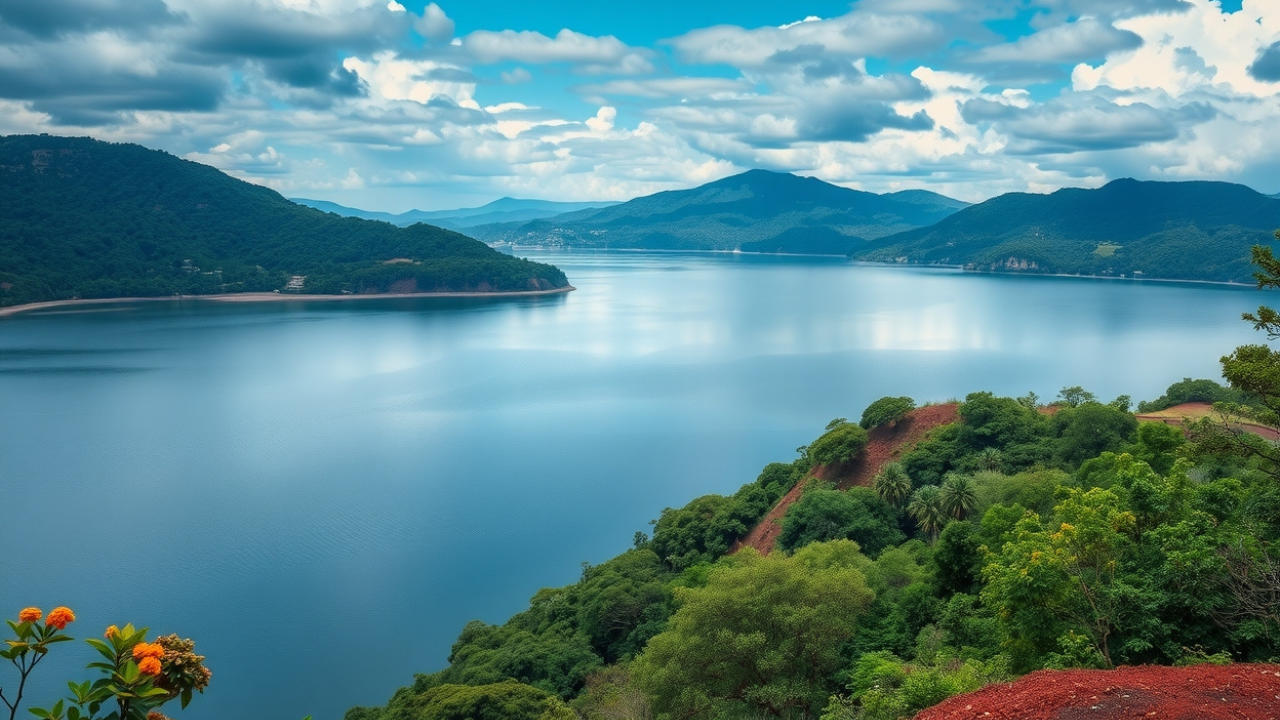
Lake Nyos is a unique natural attraction with a haunting history. In 1986, a deadly limnic eruption released a cloud of carbon dioxide, killing over 1,700 people and livestock in nearby villages. Today, scientists’ degassing mechanisms have made the lake safer. It now attracts geology and history enthusiasts.
The surrounding area is serene, with lush vegetation offering picturesque views. Local communities are using the lake as an educational and historical site. It’s helping visitors learn about its past and safety measures. Tourism facilities are minimal. But adventurous travelers find the journey worthwhile for the lake’s eerie beauty and story.
8. Limbe
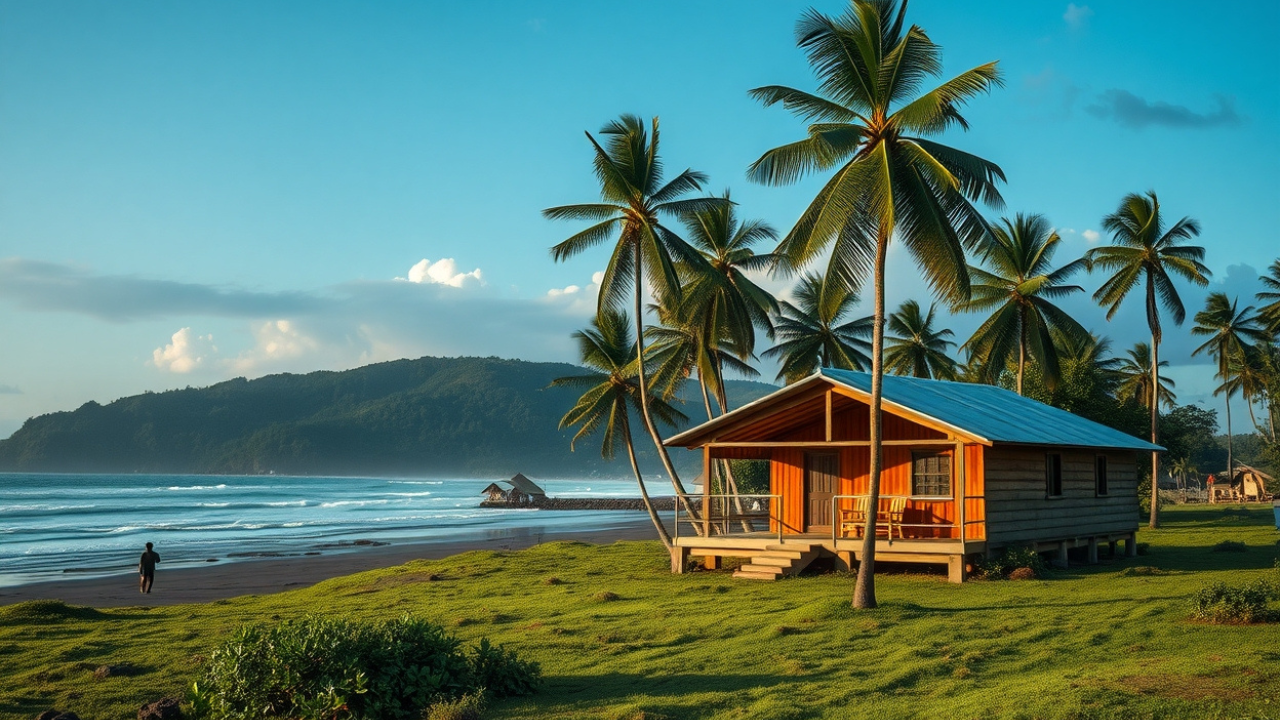
Limbe, located along the Gulf of Guinea, is a coastal gem with its black sand beaches and eco-tourism appeal. The Limbe Wildlife Centre, a sanctuary for primates and other species, is a highlight. Managed collaboratively by local authorities and NGOs, it focuses on rehabilitation and conservation.
Tourists enjoy the peaceful Botanic Garden. It has exotic plants and educational programs. The city’s laid-back vibe contrasts with Douala’s hustle, making it a popular retreat. Limbe is also home to vibrant fishing communities, offering fresh seafood and a glimpse into local life. Recent efforts to enhance infrastructure, such as better roads, aim to support tourism growth in this area.
7. Bafoussam
Bafoussam, located in the western highlands, is a city rich in cultural heritage. Visitors can explore royal palaces with intricate carvings. They can also visit sacred sites that reveal local traditions. The area is known for its traditional Bamileke architecture. The Chefferie of Bafoussam, a traditional chief’s palace, stands out as a cultural landmark.
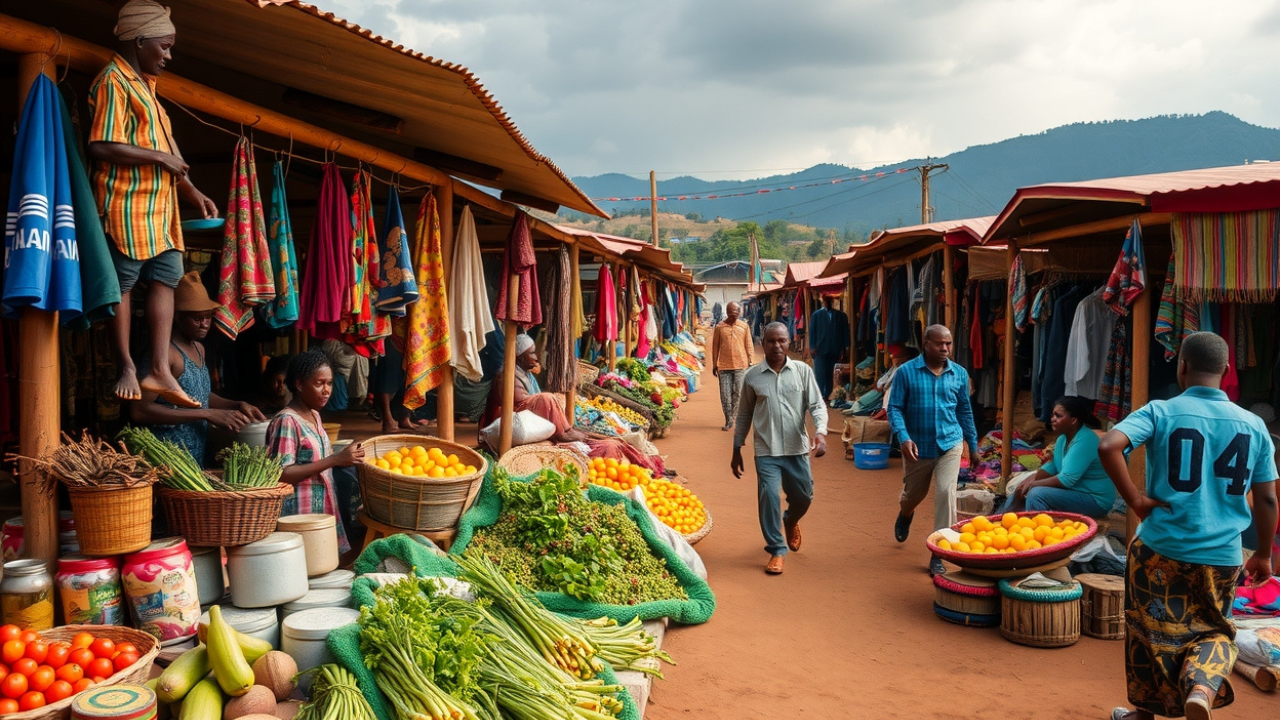
Bafoussam has lively local markets. They showcase the region’s artistry with vibrant textiles, handmade crafts, and fresh produce. Tourists come to see the vibrant festivals celebrating Bamileke culture. They include traditional dances and ceremonies. The city lacks tourist infrastructure. But efforts are underway to improve facilities and attract more visitors. Its cultural significance makes Bafoussam a must-visit destination.
6. Mount Manengouba
Mount Manengouba offers breathtaking landscapes for adventure seekers and nature enthusiasts. This volcanic mountain is famous for its twin crater lakes, the Male and Female Lakes. Each has its own folklore and vivid colors. The area is home to diverse flora and fauna, making it ideal for birdwatchers and hikers.
The trails are moderately challenging. They attract hikers who enjoy scenic treks through lush vegetation. Local guides often share stories of the mountain’s cultural and spiritual importance during tours. Eco-tourism efforts have improved access, but site facilities are basic. Mount Manengouba’s beauty is a hidden gem for adventure seekers.

5. Ebolowa
Ebolowa, the capital of the South Region, is an emerging eco-tourism destination. Amid lush cocoa farms, it offers a rare view of Cameroon’s rural life. Guided tours allow visitors to experience the cocoa production process, from farm to finished product. Campo Ma’an National Park, nearby, is great for spotting wildlife such as gorillas, elephants, and leopards.
The town itself has a peaceful charm, with friendly locals and scenic landscapes perfect for relaxation. Ebolowa lacks tourism infrastructure. But investments aim to improve access to its attractions. Visitors often appreciate the authenticity and tranquility of this lesser-known destination.
4. Dja Faunal Reserve
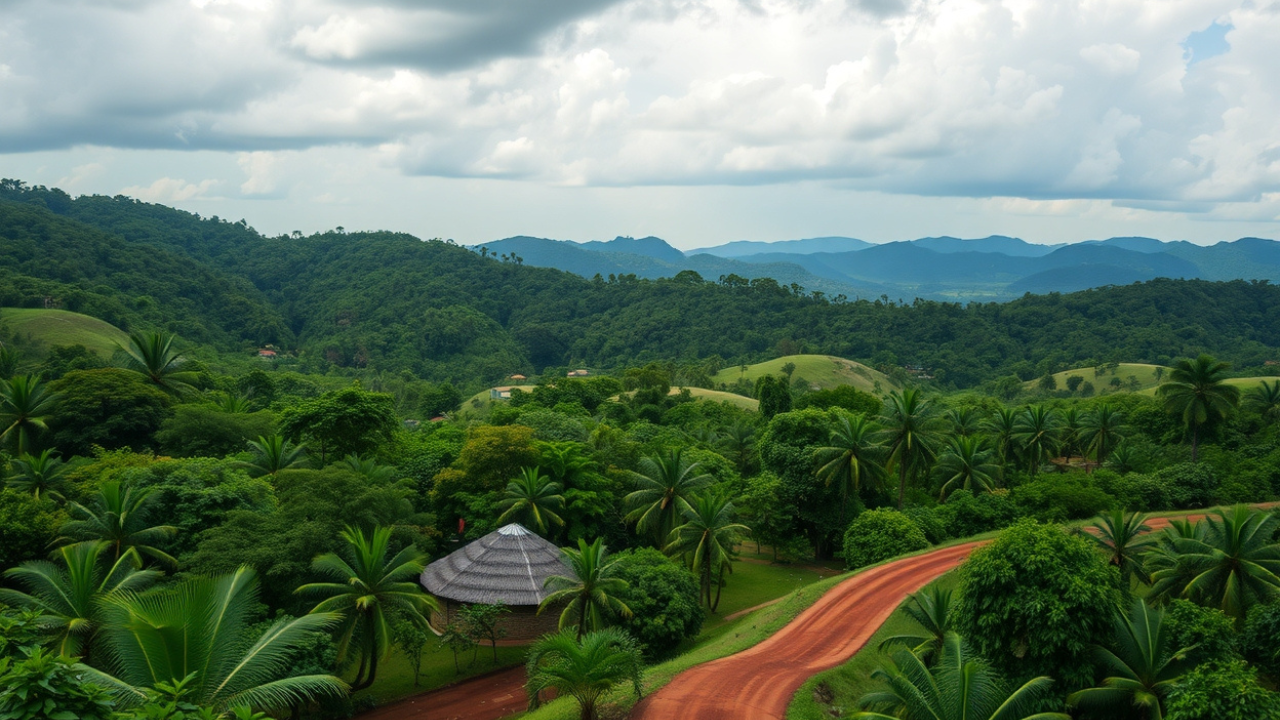
The Dja Faunal Reserve, a UNESCO World Heritage Site, is one of Africa’s largest and most biologically diverse rainforests. It covers over 5,000 square kilometres. It is home to endangered species, like gorillas, chimpanzees, and African forest elephants. The reserve is a paradise for researchers and eco-tourists.
The dense forest is hard to access. However, conservation efforts have improved visitors’ experiences. They now enjoy guided eco-tours and educational programs. The local Baka communities help preserve the area’s biodiversity. They also offer cultural insights to tourists. As global awareness of the reserve grows, it continues to attract nature enthusiasts from around the world.
3. Bamenda
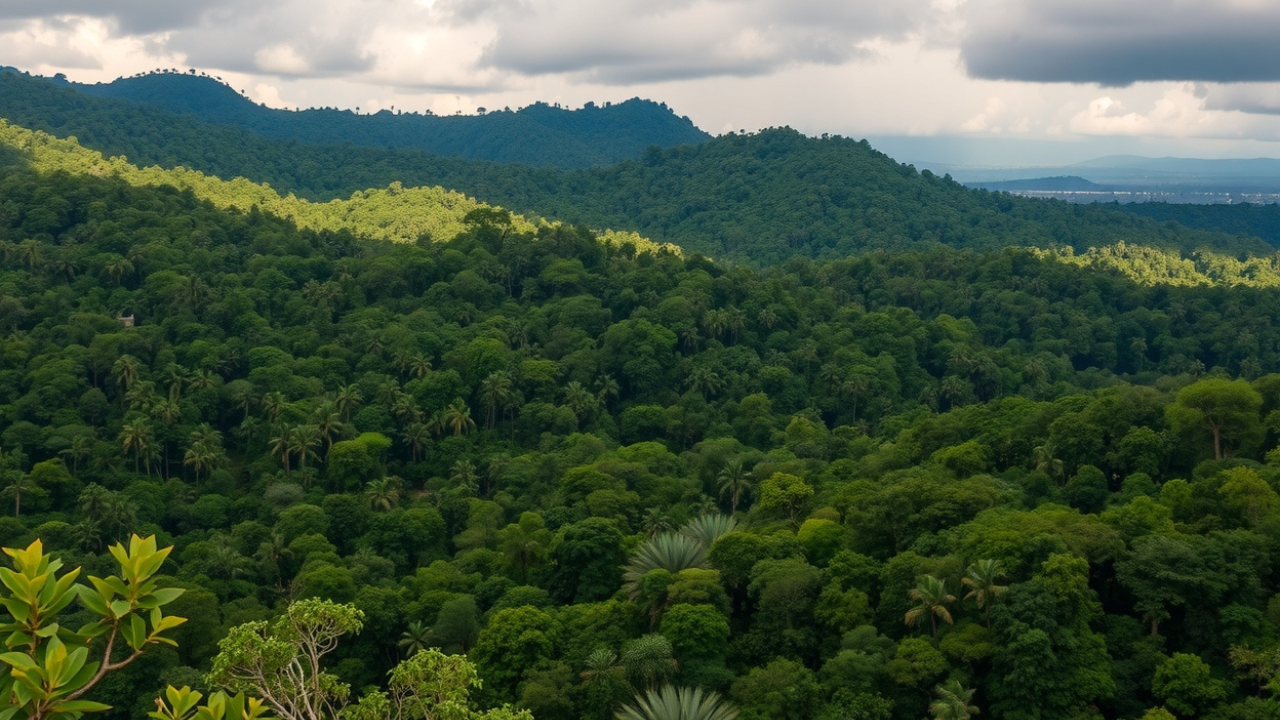
Nestled in the lush highlands of northwest Cameroon, Bamenda is a cultural and natural haven. The city is known for its cool climate and stunning landscapes. It has a mix of traditional villages, craft markets, and scenic trails. The Fon’s Palace in Bafut, near Bamenda, provides a deep dive into the region’s royal history and traditions.
Bamenda is a gateway to the Ring Road. It is a scenic loop and connects picturesque towns and attractions, including waterfalls and tea plantations. However, ongoing political tensions in the northwest region have impacted tourism. Despite this, the city’s cultural richness and natural beauty continue to draw resilient travelers.
2. Waza National Park
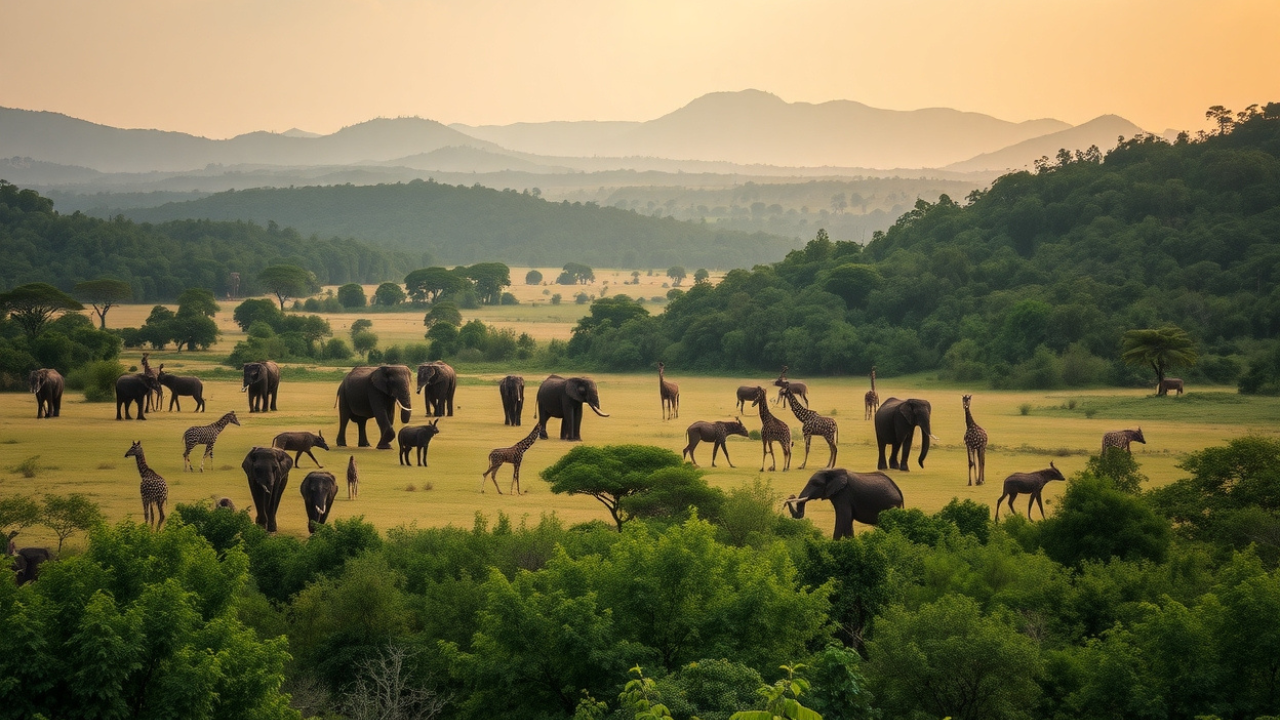
Waza National Park is one of Cameroon’s premier safari destinations. In the Far North Region, it spans over 1,700 square kilometers. It hosts diverse wildlife, including lions, elephants, giraffes, and many birds. The park is particularly popular among birdwatchers, as it hosts over 300 avian species.
The park has unmatched wildlife. But it faces challenges like poaching and climate change. Conservation efforts have stabilized some wildlife populations. Ranger-led safaris provide a safe way for visitors to explore. Waza National Park remains a must-visit for those seeking an authentic African wildlife adventure.
1. Mount Cameroon
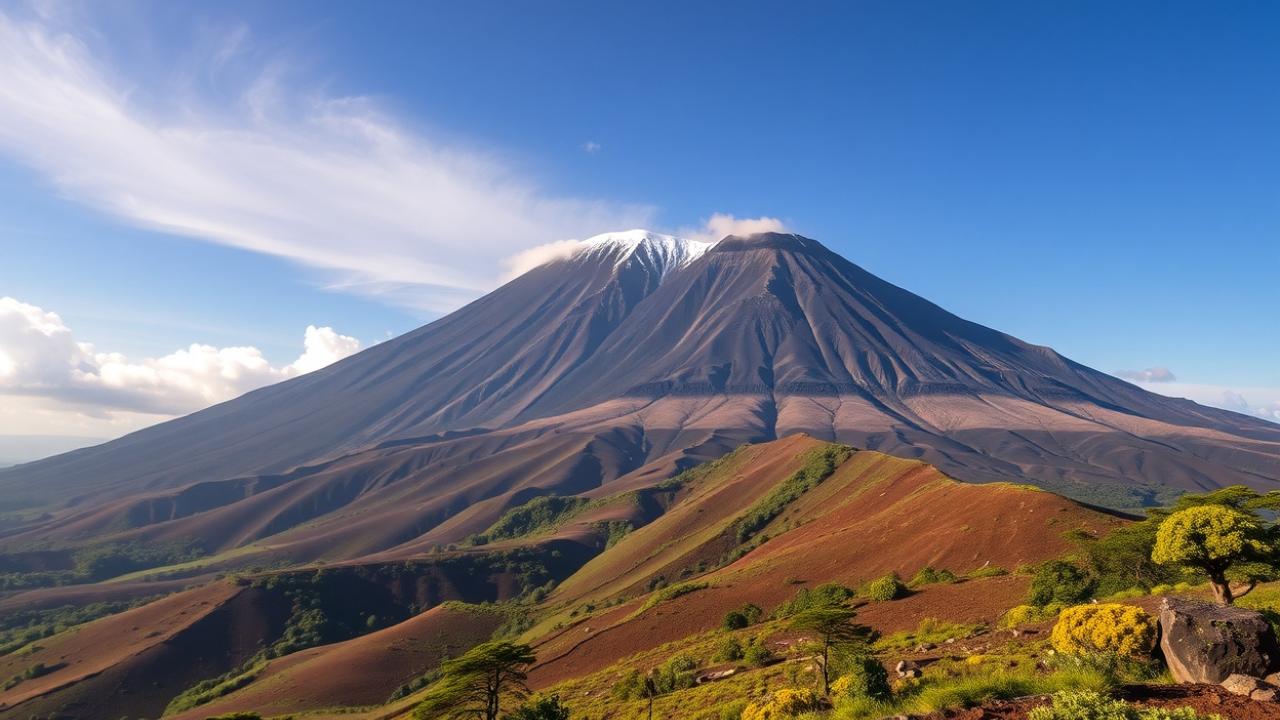
Mount Cameroon, known as “Mongo ma Ndemi” (Mountain of Greatness), is a bucket-list destination for adventurers. At 4,095 meters, it is the tallest mountain in West Africa and an active volcano. The Mount Cameroon Race of Hope draws athletes from around the world. They compete to climb and descend the mountain’s slopes.
The mountain’s trails offer panoramic views, ranging from tropical forests to savanna landscapes. Local guides enhance the experience. They share knowledge of the region’s biodiversity and culture. However, we must carefully monitor volcanic activity. Safety measures are strictly followed for hiking tours. Mount Cameroon is a symbol of Cameroon’s natural majesty and a top attraction for eco-tourists.
Final Remarks
Cameroon’s tourism industry has improved, thanks to new initiatives. These include digital visa applications and better infrastructure. These steps have made travel easier. They have also boosted the country’s appeal to tourists. Investments in eco-tourism, wildlife conservation, and communities have boosted Cameroon’s status as a sustainable travel destination.
Despite these advancements, challenges remain. Political instability in some areas and weak marketing limit the industry’s potential. Cameroon has rich natural beauty and a cultural heritage. Its infrastructure is improving. So, it can become a top African tourism hotspot.
Looking ahead, Cameroon must prioritize safety, boost global visibility, and support conservation efforts. These are crucial. By adopting sustainable practices, Cameroon can preserve its treasures for future generations. It can also reap the benefits of a thriving tourism sector.
0 Comments