
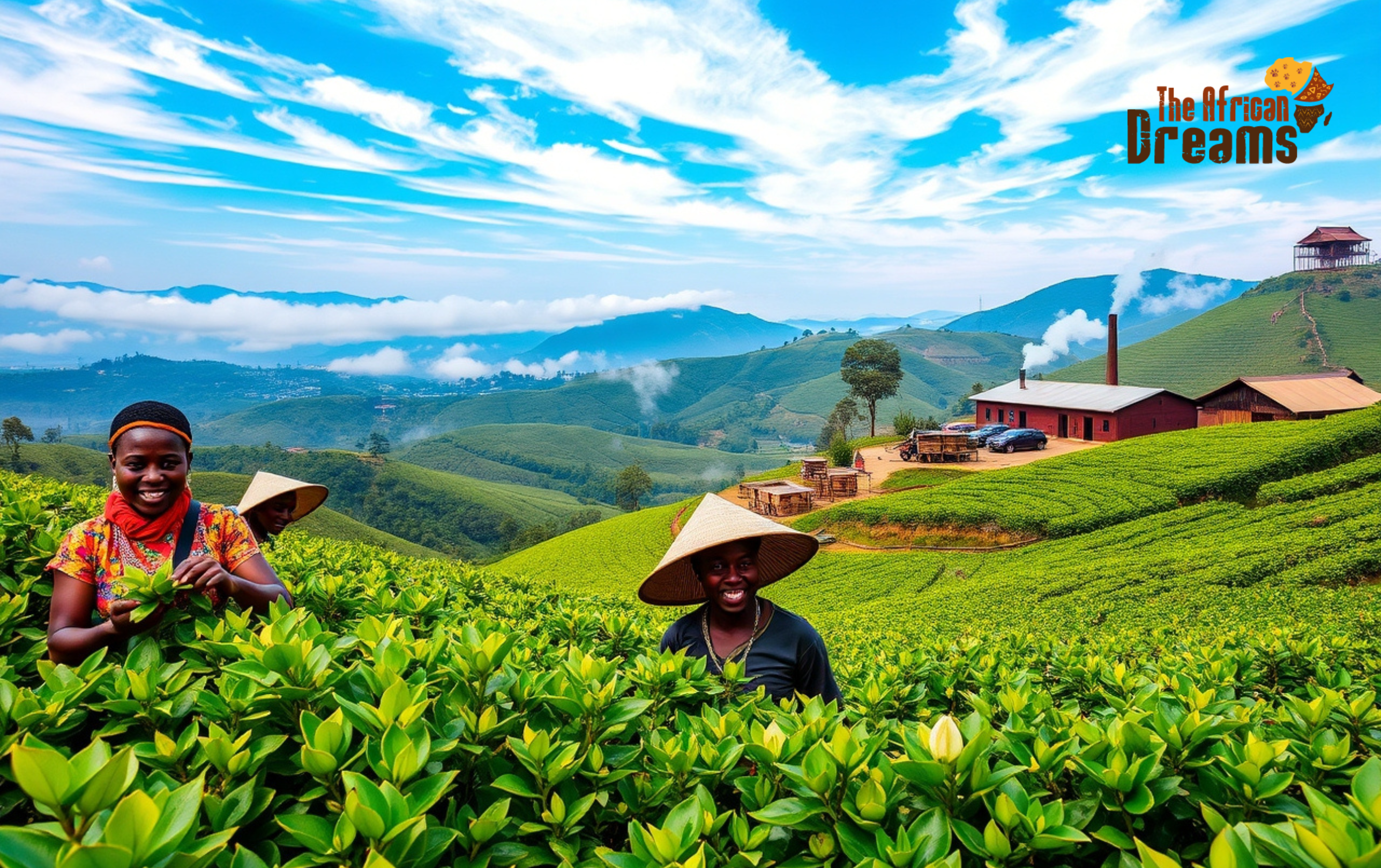
Tea has a long-standing connection with people. With every cup of tea, gossip becomes more interesting, and people feel connected. One cup of tea can make a thousand stories. Everyone enjoys tea’s authentic and pure taste. Rwanda is one of the world’s most renowned tea producers and exporters.
Rwanda ranks among the fourth-largest tea producers in Africa and the 15th-largest exporter globally. Additionally, it has gained international recognition for its exceptional quality. However, Rwanda has faced severe production and export challenges. Mitigating these problems ensures a promising future and fruitful growth.
Article Highlights
Economic Impact: Tea contributes significantly to Rwanda’s economy, employing over 60,000 people and earning approximately USD 114.8 million in the 2023–2024 financial year.
Variety & the health benefits of Rwandan Teas: Rwanda offers black, green, and white tea with diverse health benefits, including improved heart health, digestion, and mental well-being.
Investment Opportunities: Value addition and modernization initiatives are critical to unlocking the industry’s full potential and attracting global investors.

Varieties of Rwandan Tea
Many kinds of tea are grown in Rwanda. The traditional tea-making method preserves the leaves’ natural qualities and tastes. Each variety has many nutritional benefits.
Rwanda is primarily known for producing black tea. CTC stands for Crush, Tear, and Curl, a method for creating intense, flavorful tea blends. It is rich in taste.
Rwanda also produces green tea, known for its lighter flavour and several health benefits.
White tea is a lighter tea with a subtle and refined flavour.
Health Benefits of Rwandan Tea
A health nutritionist in Rwanda said,
“My morning starts with a cup of tea, and also, in the evening, I take another cup of tea. I truly admire the Rwandan tea. It’s not just because I’m Rwandan. Rather, as a nutritionist, I know how beneficial Rwandan tea is for health. This black tea is abundant in antioxidants and caffeine, promoting heart health, digestive health, and mental well-being. Green tea helps to boost metabolism and promote fat oxidation.”
He also added the health benefits of other varieties of tea. Studies have linked the high catechin levels in green tea to a lower risk of certain types of cancer. Green tea also contains L-theanine, an amino acid that enhances oral health by inhibiting the growth of harmful bacteria. Orthodox tea retains most of the tea leaves’ natural characteristics and flavors. It also contains natural compounds that can aid digestion and improve gut health.
Lastly, the nutritionist added that organic tea is a healthier option and beneficial for the environment. Organic farming practices promote biodiversity and reduce pollution. Organic tea doesn’t contain harmful chemicals. People consider it a more nutritious alternative because it grows without artificial fertilisers or pesticides.

History of Rwandan Tea
Rwanda’s exceptional tea quality is renowned worldwide. Several factors contribute to its uniqueness. Since 1952, Rwanda has been harvesting this and gaining global recognition. It has garnered international acclaim at prestigious tea competitions and captured the interest of tea connoisseurs and buyers worldwide.
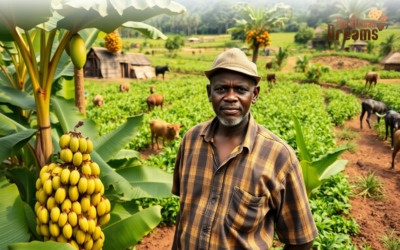
This tea significantly contributes to Rwanda’s economy, providing income for thousands of farmers. A farmer in Rwanda has made his life more accessible than before by becoming the owner of a tea production farm.
A Farmer’s Success Story
A farmer worked on a small mango farm, but his income was insufficient to support his family. With a glimmer of hope, he began to analyse what would benefit him more. He also thought for which Rwanda is renowned. After doing a long-term analysis, he started his tea farm.
He said, “It was a tough decision for me. I moved from mango farming to tea production with my friends and started working. Rwanda is famous for its tea, so we decided to work for something highly demanding.”
Now, he is the founder of a large farm. He also mentioned that Rwandan tea grows in ideal conditions. In Rwanda, high altitudes, volcanic soils, and a temperate climate create perfect conditions for tea cultivation. These factors contribute to a distinct and high-quality flavour profile. Again, the combination of nutrient-rich volcanic soil with specific climatic conditions gives the tea its unique flavour and aroma, distinguishing it from others in the global market.
Challenges Facing Rwanda’s Tea Industry
However, Rwanda now faces problems in the tea industry, such as
-
Uncertain weather patterns, like unseasonably heavy rains and prolonged droughts. It also directly affects the tea crops’ yields and leads to poor quality.
-
Climate change further enhances the spread of pests and diseases.
-
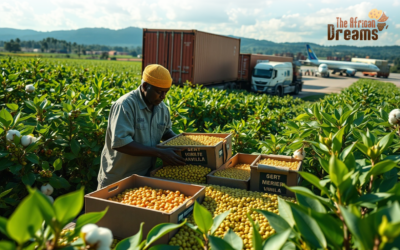
Impassable roads and transportation networks can significantly restrict the smooth logistics flow of tea from farms to processing factories and export points.
-
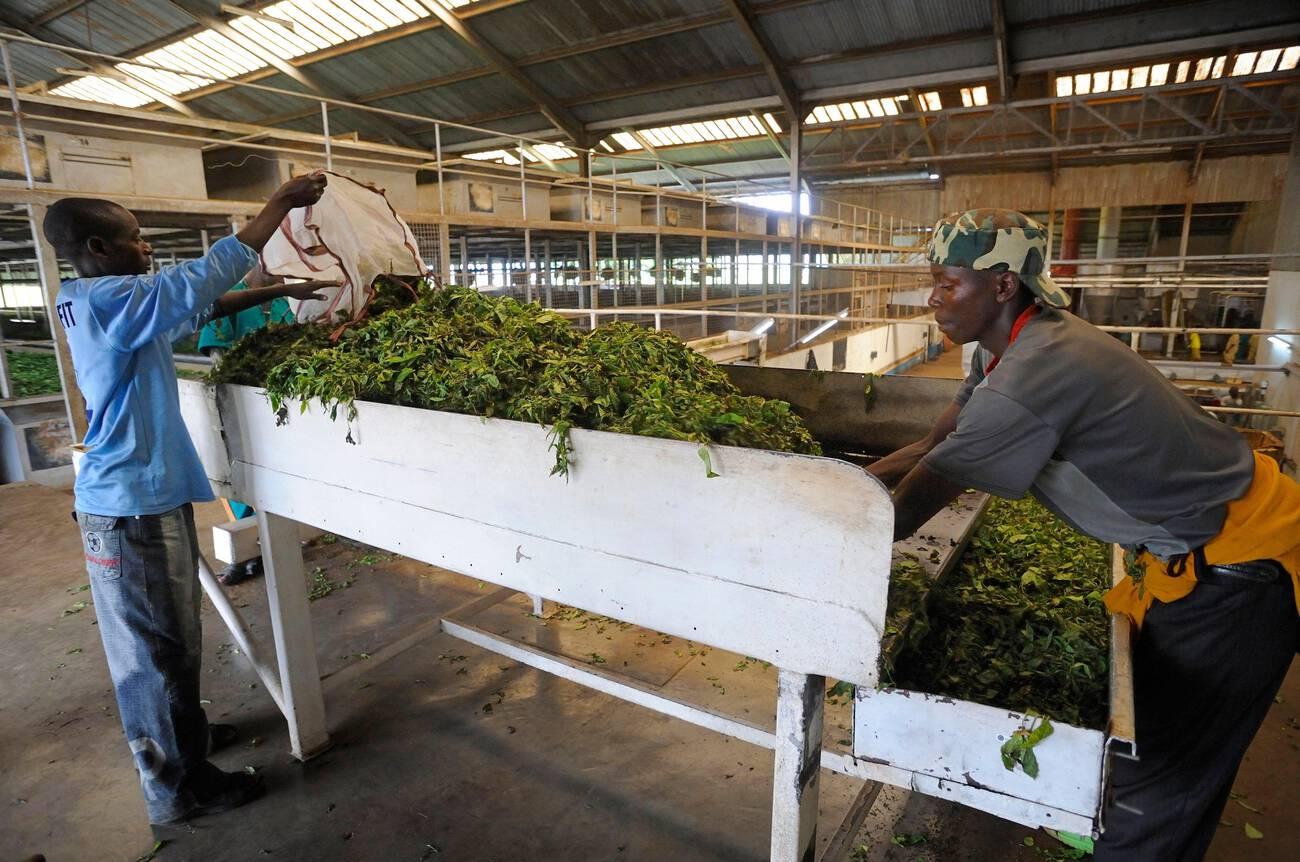
Due to a lack of investment in modernisation, some of Rwanda’s tea processing factories are below capacity and need to catch up in modern re-equipment.
The Role of Investment with Solutions
New initiatives can reduce this problem. Rwanda Tea is undoubtedly famous worldwide and needs an accelerator to grow.
Developing strong branding and marketing strategies to differentiate Rwandan tea globally. Moreover, highlighting the quality standards can be a significant step.
More collaboration should be between the public and private sectors to finance modernisation initiatives. These collaborations can generate robust branding and marketing tactics.
If private or public investment increases, it can improve other conditions. Such as conducting comprehensive research on climate adaptation strategies, training, and assisting farmers. This will provide a comprehensive framework for solving most of the problems.
Why Should Investors Take the Initiative?
Rwandan tea has many health benefits. Besides, the environment and soil quality are favourable for harvesting tea.
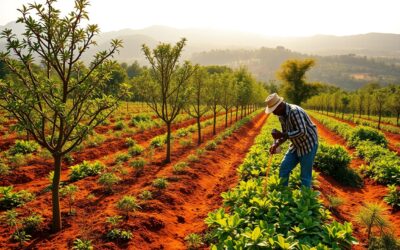
Rwanda produces an average annual output of 40,000 metric tons of tea. Over 33,000 hectares are under tea cultivation in the northern, western, and southern provinces.
Tea is one of Rwanda’s major agricultural export crops and generates substantial foreign exchange. During the 2023–2024 financial year, exports earned approximately USD 114.8 million. The industry employs over 60,000 people, with smallholder farmers accounting for more than 42,000.
Rwandan tea is consumed in over 48 countries, including the United States, the United Kingdom, Germany, Pakistan, and Japan. In 1958, Rwanda produced approximately 60 metric tons of tea, which rose to approximately 40,874 metric tons by 2023.
Over the past few years, Rwanda has focused on value addition in the tea sector. Value addition includes simple activities like tea blending, scenting, and flavouring. Additionally, packing to the more complex processes like producing equipment and accessories that accompany the tea. This initiative began in 2009, and several companies have been involved. Investors should start investing in and pursuing this new initiative, as it will enable them to establish a profitable business.

Conclusion
Rwanda’s traditional cultivation method and suitable environmental conditions undoubtedly make it an excellent place for tea cultivation. Rwandan teas’ diverse varieties and proven health benefits captivate consumers and investors. With a demand for Rwandan teas in 48 countries, investors have a high opportunity to create a successful venture. Investors can use new strategies to solve problems and capture the market. Strategic focus on modernisation, value addition, and climate adaption ensures profitable growth in business. Lastly, this sector offers not only a unique opportunity for financial rewards but also empowers thousands of farmers.

0 Comments