
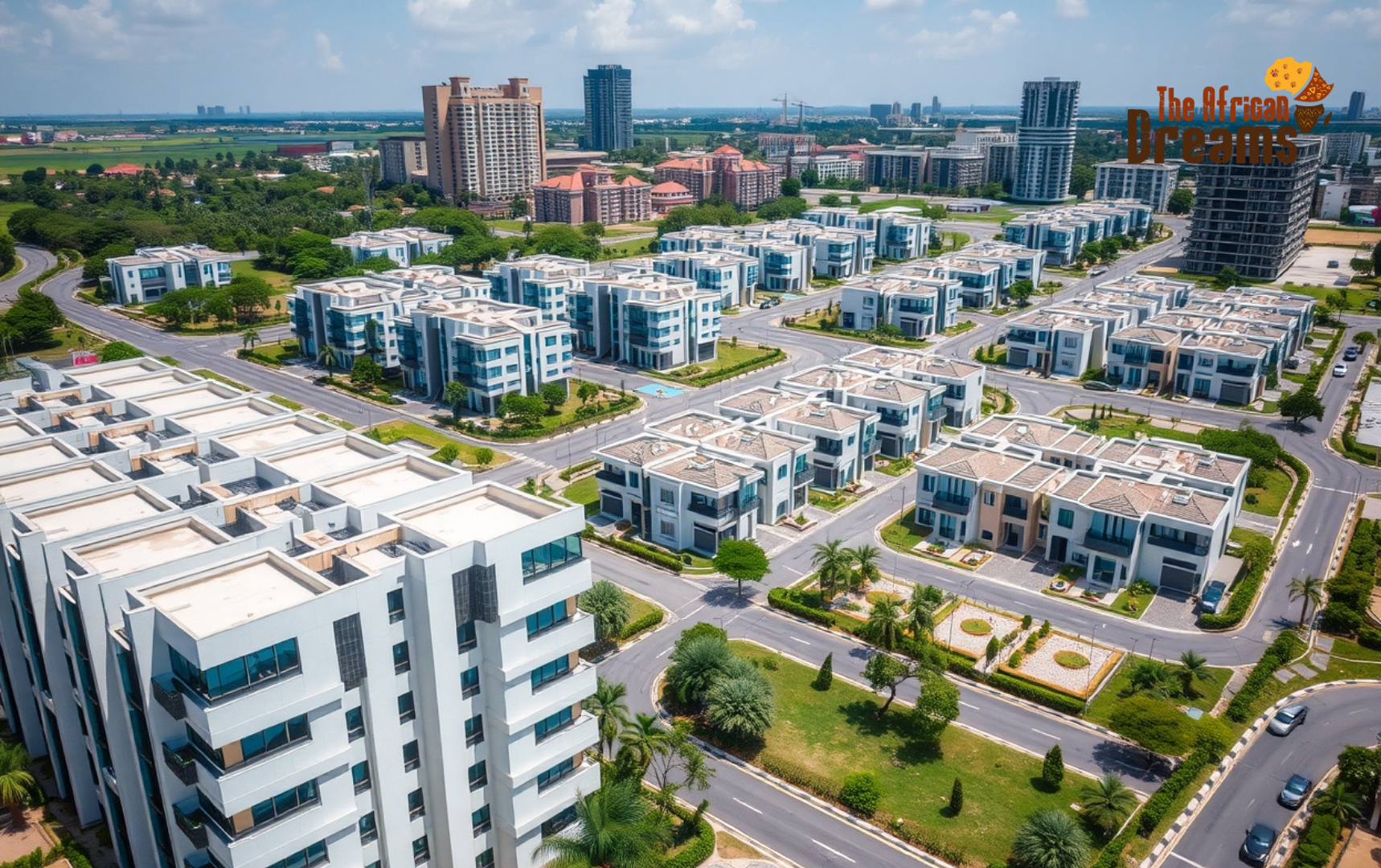
Nigeria, Africa’s largest economy, is undergoing rapid urbanization. At the same time, its middle class continues to grow. The country is making the real estate market a lucrative opportunity for local and international investors. Despite economic challenges, the sector continues to grow steadily. The real estate market offers a range of prospects, from affordable housing to high-end commercial. This guide overviews Nigeria’s real estate sector’s most promising opportunities, regulatory frameworks, challenges, and emerging trends.
Introduction to the Nigerian Real Estate Market
The Nigerian real estate sector has seen a steady recovery from the downturn experienced during the 2020 pandemic, with an average growth rate of 4.4% per quarter in 2022. The industry has become a cornerstone for economic development, contributing about 5.6% to the national GDP . Urbanization, a growing population, and governmental infrastructure investments drive this growth.
Lagos, Abuja, and Port Harcourt have become prime real estate hubs. In Lagos, land prices in prime areas like Victoria Island have soared, with per-square-meter costs reaching $1130. These trends suggest a resilient market that offers diverse opportunities across residential, commercial, and mixed-use developments.
Key Investment Opportunities in Nigerian Real Estate
Affordable Housing
Nigeria faces a significant housing deficit of between 22 and 28 million units, the highest in the world. The government has initiated several programs to bridge this gap, including the National Social Housing Program, which aims to deliver 500,000 homes by 2024. For investors, this translates into a huge opportunity to engage in affordable housing projects, which promise high returns and cater to a social need.
Commercial Real Estate
Nigeria’s commercial real estate market is booming, especially in Lagos and Abuja, where demand for office spaces is rising. As more multinational corporations and local startups establish a presence in these cities, well-located commercial properties with modern amenities offer attractive rental yields. Shopping malls, such as Novare Lekki and Apo Mall, have also become hotspots for investment, driven by increasing consumer spending from Nigeria’s expanding middle class.
Logistics and Warehousing
The rise of e-commerce, propelled by platforms like Jumia, has significantly increased demand for logistics and warehousing facilities. Strategically located warehouses near major urban centers support Nigeria’s growing supply chain infrastructure. Investors can explore opportunities in industrial parks and logistics hubs, particularly around Lagos, where land prices for such purposes have shown consistent appreciation.
Mixed-Use Developments
Mixed-use projects combining residential, retail, and office spaces are becoming increasingly popular in Nigeria’s urban centers. Such developments provide convenience for residents and tenants alike, translating to high occupancy rates and long-term property value appreciation. Investors can look into new areas like Lekki, where large-scale mixed-use developments thrive.
Understanding the Regulatory and Legal Landscape
Land Ownership and Tenure
The Land Use Act of 1978 governs Nigeria’s land ownership laws, which place land ownership in the hands of state governments. Investors typically acquire land through Statutory Right of Occupancy (C of O), the country’s most secure form of land tenure. However, due diligence is essential, particularly in verifying the authenticity of land titles, to avoid fraudulent transactions.
Government Policies
The government has introduced several initiatives to support real estate development, particularly in the affordable housing segment. These include tax incentives and access to low-interest loans through the Federal Mortgage Bank of Nigeria. Investors must navigate these policies carefully, especially when dealing with regulatory hurdles related to land acquisition and development permits.
Challenges Facing Real Estate Investors in Nigeria
Economic Factors
Nigeria’s real estate sector faces challenges such as inflation and currency volatility. The devaluation of the Naira and reliance on imported building materials priced in US dollars has driven up construction costs. The devaluation has made it harder for developers to complete projects within budget and has reduced the purchasing power of potential buyers.
Funding and Financing
Access to financing is another significant challenge for real estate developers in Nigeria. High interest rates and limited access to credit have made it difficult for developers to secure the funds needed to complete projects. However, alternative financing models like Public-Private Partnerships (PPP) and sukuk (Islamic bonds) are beginning to emerge as viable solutions.
Regulatory Hurdles
Investors often need help with permits and approvals from various governmental agencies. Property registration processes can be lengthy and bureaucratic, making it essential for investors to work closely with experienced legal professionals.
Future Trends and Strategies for Success
Embracing Technology
PropTech is revolutionizing Nigeria’s real estate sector. Platforms that offer virtual property tours, online mortgage applications, and digital transaction management are streamlining operations and improving transparency. Investors who embrace these technological advancements can reach a broader audience and enhance the efficiency of their operations.
Sustainability in Real Estate
Sustainability is gaining traction in the Nigerian real estate market, with increasing interest in eco-friendly developments. The Royal Institution of Chartered Surveyors (RICS) recently introduced new carbon assessment guidelines that could impact future real estate projects in Nigeria. Investors prioritizing sustainable building practices may find attracting long-term tenants easier and securing funding.
Diversification Strategies
Diversifying real estate portfolios is critical to mitigating risks in Nigeria’s volatile economic environment. In addition to residential and commercial properties, investors are exploring niche markets like student housing, co-working spaces, and healthcare facilities. Mixed-use developments in emerging areas like the Lekki corridor offer a stable long-term investment opportunity.
Conclusion
Nigeria’s real estate market is promising for investors prepared to navigate its complexities. The opportunities are vast, from affordable housing to commercial and logistics real estate. However, success requires careful due diligence, an understanding of local laws, and a willingness to adapt to economic fluctuations. Investors can thrive in this dynamic market by leveraging technology, embracing sustainability, and forming strategic partnerships.
0 Comments