
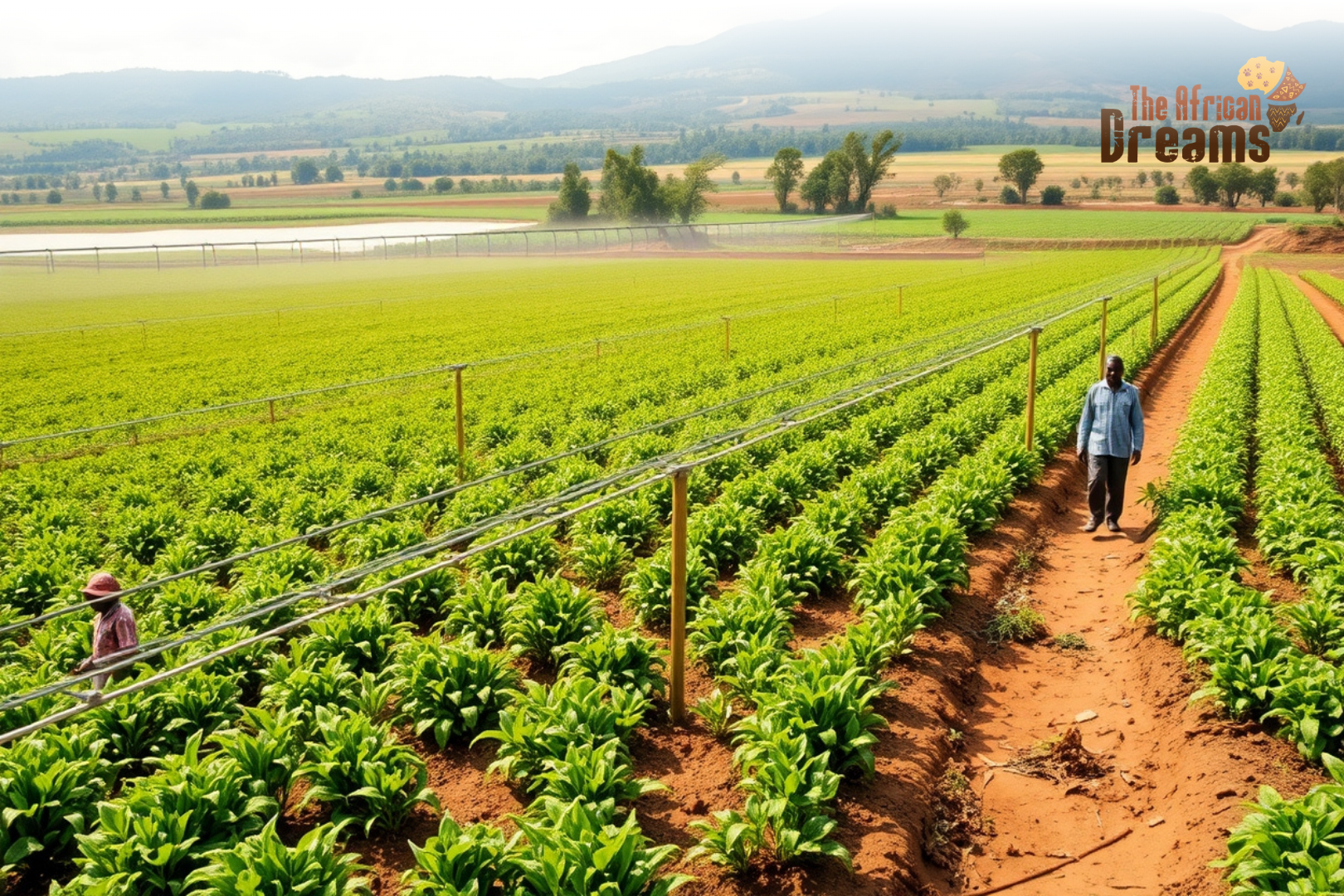
Introduction: Modern Farming in Uganda
A study by IFAD shows that irrigated land accounts for 40% of the world’s food production. Uganda is an agriculture-based country with complete dependency on the sector. The country not only provides food from internal cultivation but also exports food and other products. While most of it depends on the irrigation system, the sector is vital for the country, considering its economy and food security.
But the surprising factor is the ratio of irrigation potential and Uganda’s actual cultivated area. The country is utilizing only 0.5% of its potential, while its neighbors are at much higher levels.
A total of 15% of Uganda’s land is covered by freshwater resources, making Uganda one of the highest potential countries in the world for irrigation. Despite many challenges, modern farming in Uganda tends to make the best use of its lands and generate a high volume of production. If you are wondering how current irrigation systems work, this article provides an overview of modern farming in Uganda.
Article Highlights
Uganda relies on agriculture and irrigation, as an important part of the sector, which plays a vital role in shaping the agriculture
Uganda is one of the highest potential countries in the world in irrigation, with 15% of its land covered by freshwater resources
Uganda is running way below its actual potential in the irrigation system, but modern farming in Uganda, like advanced technologies and farming trends, can alter the course.
Irrigation: Part of Modern Farming in Uganda
Plants cannot grow without water. The process of using water in a regulated way when the plants need water can simply be understood as irrigation. To initiate the photosynthesis process, water is a must. However, different processes and techniques are used in watering the plants based on which is most affordable. It also depends on the amount of water, cost-effectiveness, etc.
Irrigation is a caring process for plants and an important part of modern farming in Uganda. However, the meaning doesn’t limit the scope only to watering plants using hoses and pipes. It can also be small canals to reach the flow of water to the plants. In agriculture, the irrigation system works differently. It is operated in a large-scale system, and the use of water is high to produce the estimated crop volume.
Modern farming in Uganda ensures advanced use of irrigation for the highest efficiency at a lower cost. Implementing these modern techniques is crucial, though the developed and the underdeveloped countries that rely heavily on agriculture are far away from getting the modern touch.
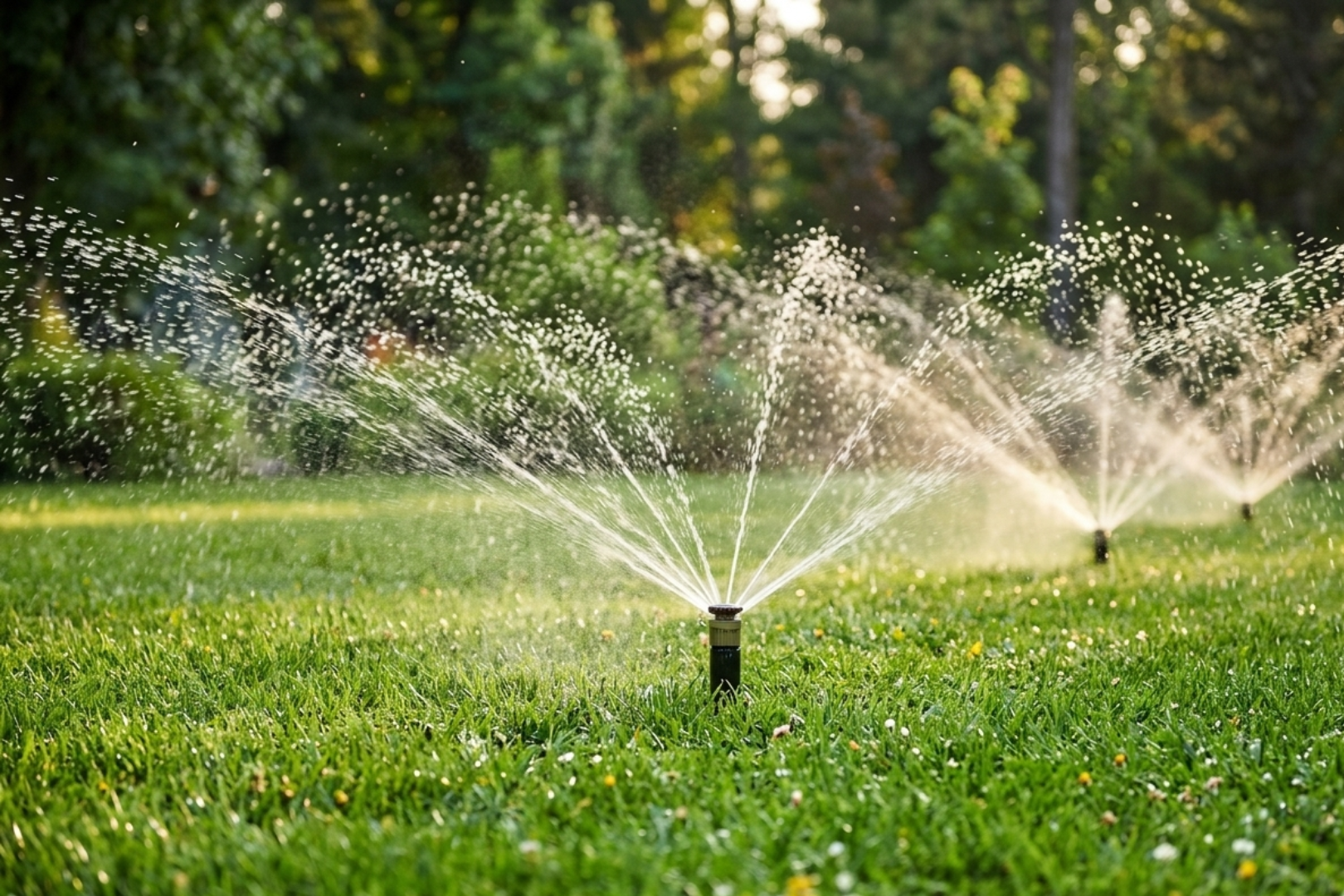
Irrigation: A Game Changer for Farmers
As Uganda has 15% of its surface area covered by freshwater resources, the irrigation system could be a game-changer. The country has a total of 43.3 billion cubic meters of renewable surface water resources, but utilization is only 2.8%. If it could use its full potential, the demand would increase by 400% by 2030.
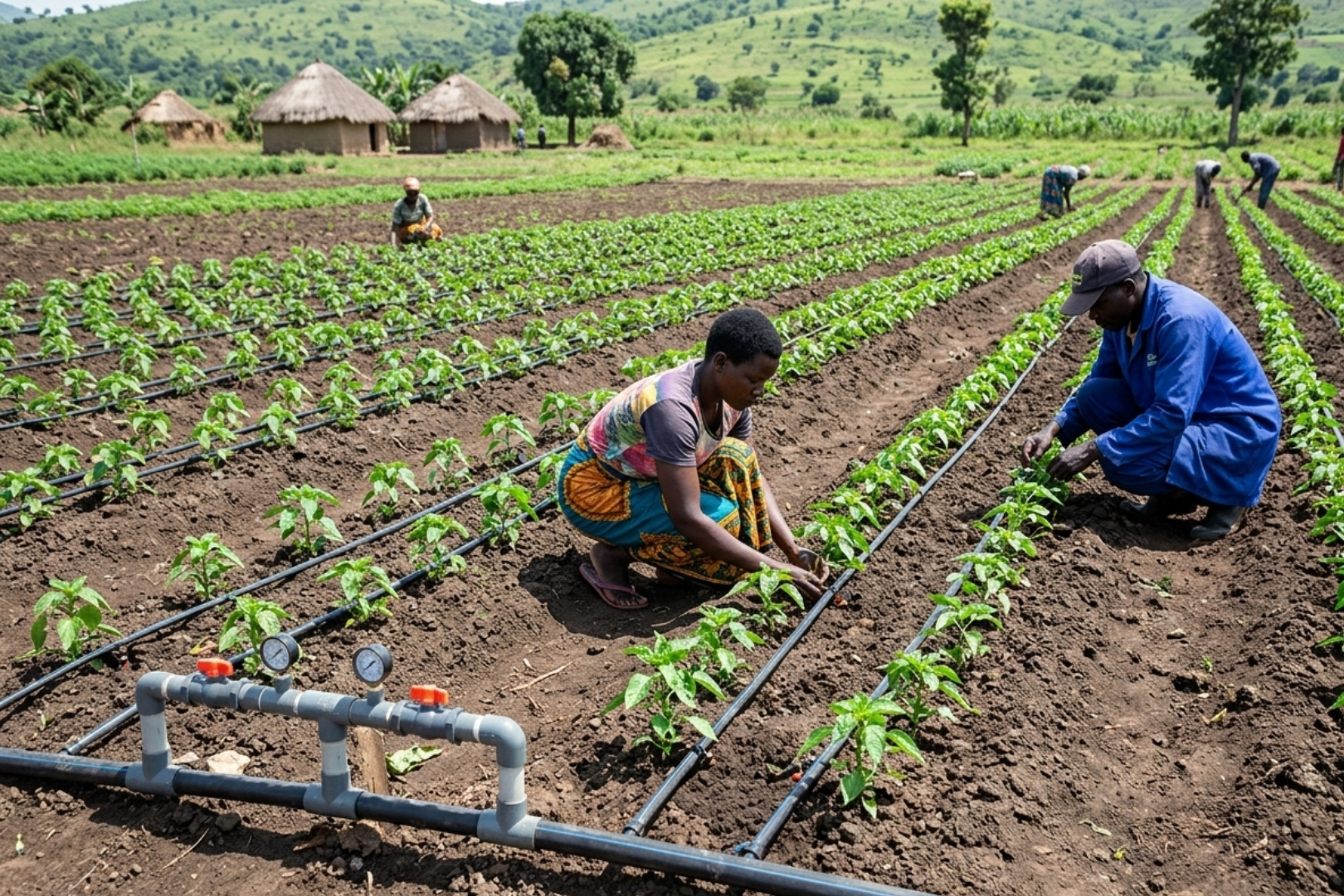
Modern irrigation systems can be a game changer for farmers. There are three types of irrigated areas: small, medium, and large. Ownership also differs into several types such as public, community-based, private commercial, and private small-scale.
There are 9 government-owned (public) irrigation schemes in Uganda. As the primary concern is about the smallholders, the policies and actions are vital.
The opportunity looks promising, but Uganda still has miles to go to achieve the potential target. Challenges along the way include inadequate national irrigation capacity, economic constraints, limited access to water, and unfavorable land tenure systems and management. The effort is also uncoordinated.
However, it is possible to overcome all the constraints by adopting and managing trendy techniques and implementing modern farming in Uganda with the help of advanced technology.
Factors to Consider for the Highest Production
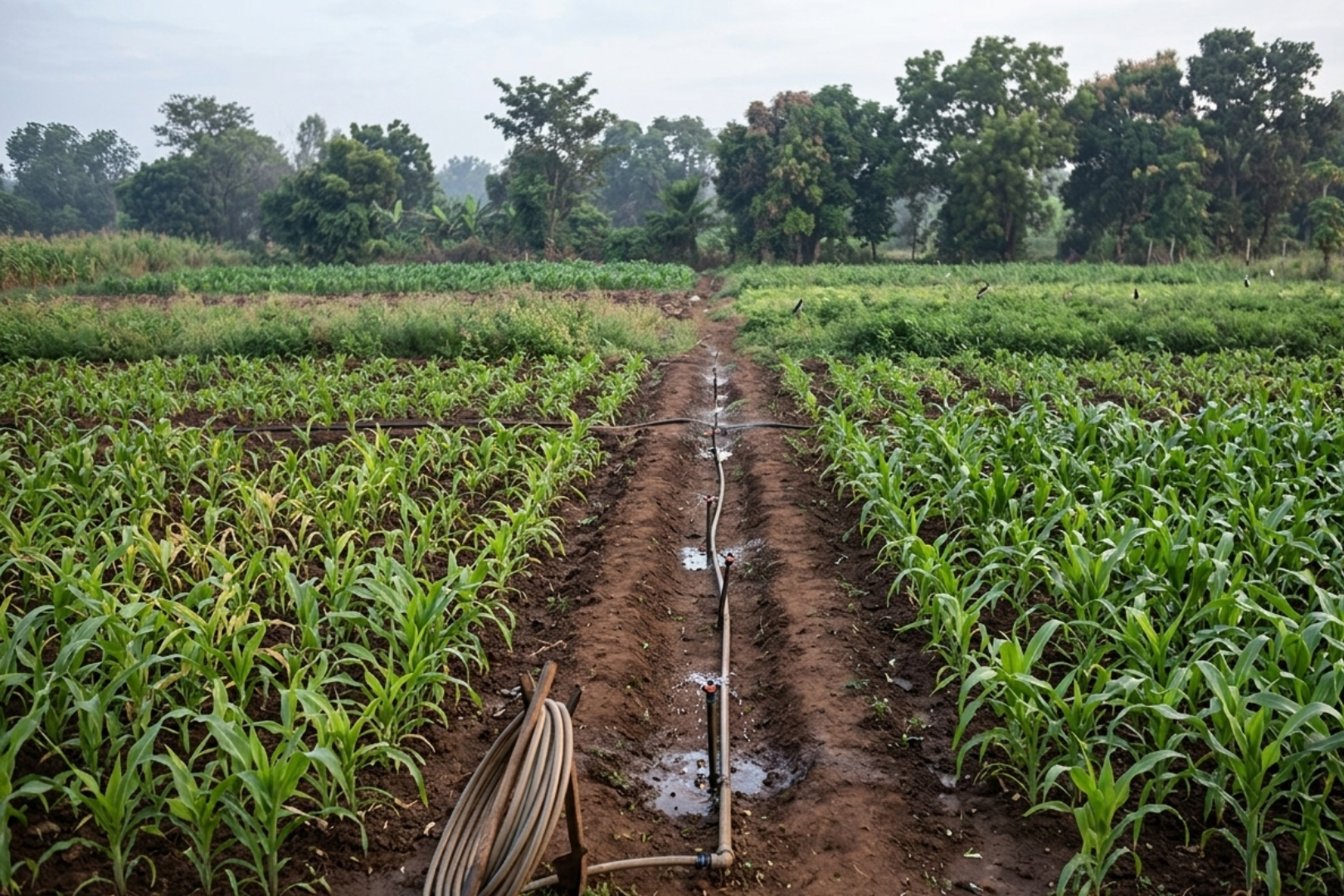
Modern farming in Uganda includes the efficient, sustainable use of water to grow of many crops. Sources of water are generally wells, ponds, rivers, lakes, tube wells, etc. The rate of water supply, frequency of the supply, amount of water, and time are different for different crops. This is again based on the soil type and season. These are the basics of modern techniques.
For a greater knowledge of the highest effectiveness of modern techniques, consider other factors. Cost management and the type of irrigation are the other important factors to consider.
Factors: Factors that shape the cost of production are
- Distance of the water source
- Land type
- Soil sustainability
- Equipment, etc.
To Determine the Type of Irrigation: On the other hand, to determine the type of irrigation, these are the things to note:
- Land size
- Topography
- Type of water source
- Availability of power
- Distribution of water
- Soil Moisture, etc.
Types of Irrigation: The most important part is to know the types of irrigation systems. There are broadly three types of irrigation, namely the
- Drip system,
- Sprinkler system, and
- Surface irrigation system.
Not only for Uganda, but the systems can vary based on the mentioned factors. Embracing modern farming in Uganda, especially the right system with knowledge of how and when to choose the right one, is the perfect strategy to gain expected crop yields. Uganda is currently following the path.
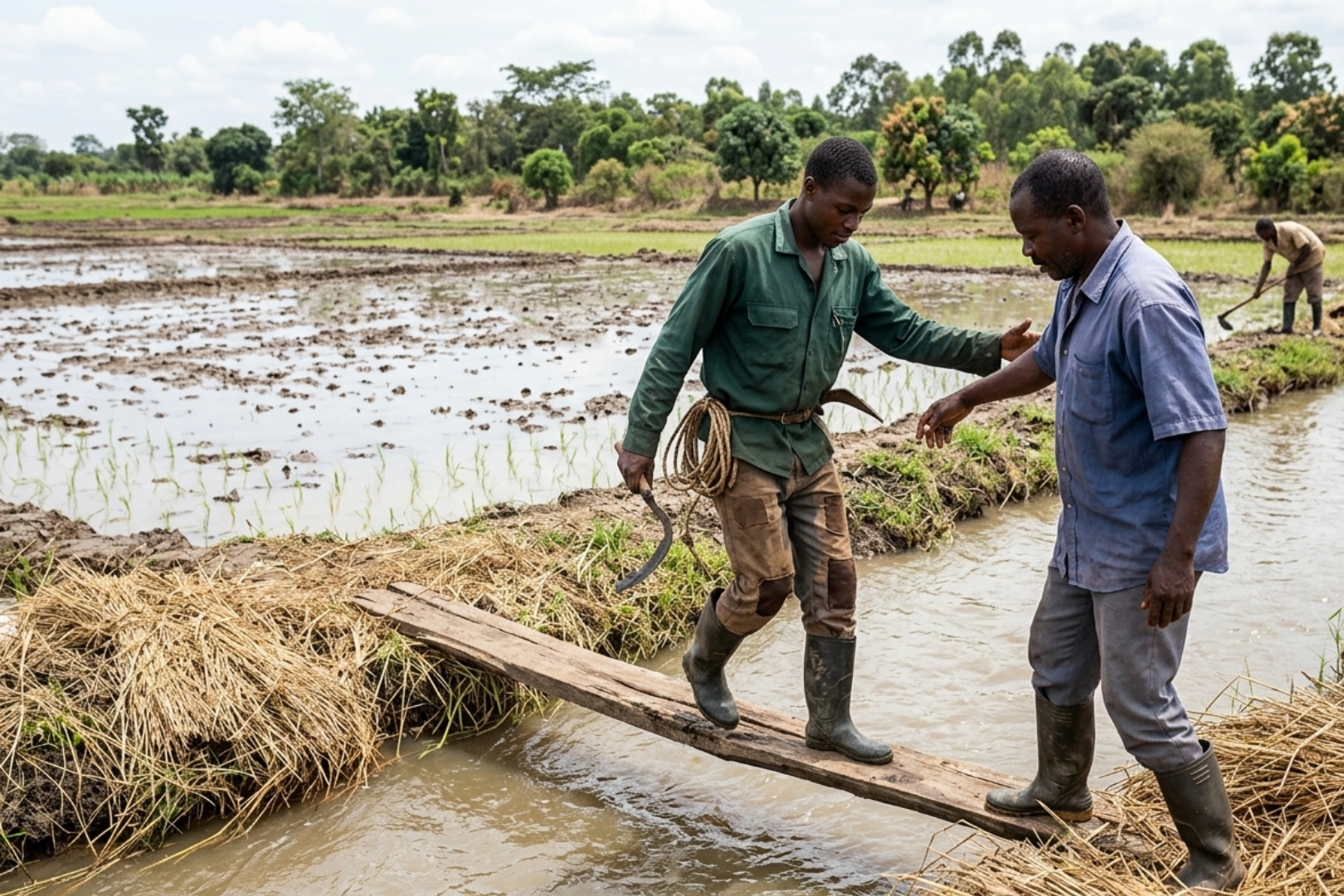
Policies to Bring Change
The government of Uganda is well aware of the challenges and the opportunities. To ensure modern farming in Uganda, especially optimal use of water resources, it directs a policy aligned with the Sustainable Development Goals, Agenda 2063, and Vision 2040.
To support the policy, the government will ensure public investments in micro, medium, and large irrigation systems. It will be possible to quash the effect of climate change, and at the same time, the crop yield will be 2-5 times higher.
Paddy yields can be improved to 4.5 tons per hectare from 1.8 tons now. Other crops, like maize production, can be improved 4 times, which is 8 tons per hectare, and vegetables can reach 30 tons per hectare from 15.6 tons. This all can be possible with the latest improved infrastructure system.
Potential of Modern Farming in Uganda
The country has an enormous amount of freshwater reserves, about 15% of its total area. This can lead Uganda to great growth in wealth creation. The use of renewable fresh water is only 1% and is decreasing.
However, the current irrigation potential is determined based on the “Assessment of Irrigation Potential study conducted in 2011-12 through the Regional Agricultural Trade and Productivity Project (RATP) under the Nile Equatorial Lakes Subsidiary Action Program (NELSAP) of the Nile Basin Initiative (NBI)”.
The Ugandan irrigation potential is 3.03 million hectares (NELSAP 2012), an increase from 278,000ha, 476,000ha, and 560,000ha, respectively, as determined earlier by Hydromet, FAO, and MWE. Now, merging with the modern farming trends, the boost can be easily achieved.
Final Words
It is a known fact that Uganda has high potential in agriculture. Agricultural activities and production can be greatly increased. There are risks like unpredictable rainfalls and long droughts. But the latest technology and improved systems can mitigate all those risks to improve production. Therefore, adopting and practicing modern farming in Uganda is important for producing more crops and earning higher profits.
Thanks to the support of the government and the local and global investment, the country is ready to embrace modern technology. Some of the modern technologies are already being used. Above all, the upcoming days are looking bright for Uganda as the government is also promoting modern farming in Uganda.
To learn more about the agricultural opportunities in Uganda and why it is considered a land of potential, you can read Uganda’s Agriculture & its Opportunities.
0 Comments