
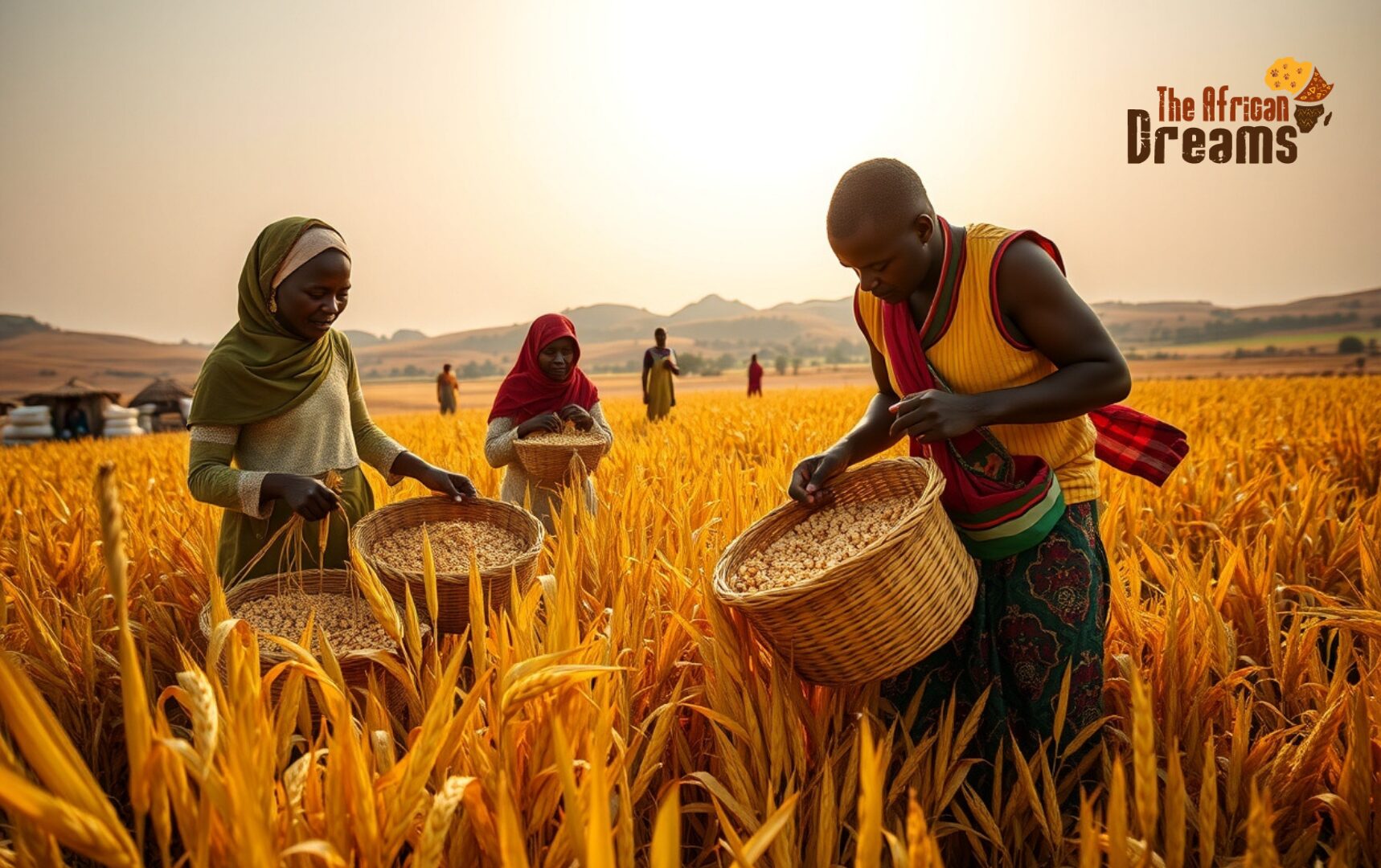
Millet encompasses some small-seeded grasses classified as part of the Poaceae family. This crop is also known as the grass family. People have cultivated these grains for millennia, making them a staple food in many countries, including Tanzania. It’s famous in Tanzania, especially in regions like Dodoma, Tabora, and Shinyanga. It has health benefits and a crucial role for women in millet farming. Furthermore, Tanzania’s agricultural sector employs a large number of people. Recently, they encountered some challenges, which prompted them to seek appropriate solutions from others.
A woman in Tanzania expressed that – she has been working in the millet frame for a long time. This woman is actually from an impoverished family, and after farming and selling millet, she reserved millet for her meal. And it was surprising to know that she takes millet’s dishes daily. Also, add the following: “Don’t you know this can be taken in various ways?” and then add the list of ways to have millet. Millet is a versatile ingredient in Tanzanian cuisine, used to create various nutritious and traditional dishes. Millet flour, puff millet, and other snacks are popular products. People commonly use millet flour to prepare a conventional breakfast porridge, sweetening it with honey and serving it with milk or yogurt. Another popular dish is a hearty stew that combines millet and beans, often cooked with vegetables and spices. Millet can be taken in diverse ways, including millet porridge, pancakes, pilaf, risotto, salads, etc.. This is because it has versatile methods of taking and versatile health benefits.
Millet's Nutritional Powerhouse
Millet has a long list of nutritional and health benefits. It is a nutritious source of protein, fiber, vitamins, and minerals such as magnesium, phosphorus, and iron. This cereal has more amino acids than many other cereals, which contribute much-needed building blocks to make proteins in the body. This supports gastrointestinal health. Tanzania has various types of millet, such as pearl millet, finger millet, and foxtail millet. Every kind of millet has different health benefits.
Millet is rich in dietary fiber. It promotes digestion and prevents constipation. Insoluble fiber feeds friendly bacteria that reside in the gut and helps them dwell more healthily within the system. Millets can regulate blood sugar levels. Millets rank poorly on the glycemic index because they slowly release glucose into the system. This aids in regulating blood sugar levels. As a result, millet is a better option for diabetic patients or those looking to monitor blood sugar levels. Millet decreases cholesterol levels. Millet has an abundant antioxidant component. It protects the heart by reducing oxidative stress and inflammation.
It is particularly true for individuals who have celiac disease or gluten intolerance. Millet’s rich amount of fiber maintains satiety for more extended periods. Hence, it can help reduce the overall intake of food, which contributes to weight management. Finger millet is exceptionally rich in calcium. That is important for maintaining strong bones and preventing osteoporosis. Though this millet has so many ways to have or benefits, it’s still underrated, and now farmers are facing problems in this sector.
Challenges in Millet Farming
Erratic weather conditions, such as irregular rainfall, significantly impact wheat yields. The vast proportion of millet-growing regions typically experience low soil fertility, which limits the productivity of the crop to a minimum extent. Improved, superior varieties of seeds, which are more resistant to pests and diseases, are not readily available. This mainly involves millet harvesting, a time-consuming and laborious process primarily carried out by hand due to limited access to mechanization. During harvesting, the crop’s susceptibility to pests causes enormous losses. Inadequate infrastructure and technology to process millet for value addition limits opportunities for better market access and income development. Limited market access hinders farmers’ ability to sell millet at competitive prices.
To solve all the problems together, some new organizations can develop new initiatives. Besides, if they implement solutions to those problems, they can ensure a profitable venture in Tanzania. These can all be significant solutions to solve the issues. Improved and high-yielding millet types boost production. Such cultivars usually have some pest and disease resistance. Selecting drought-resistant millet cultivars from dry locations should ensure reliable harvests. Compost, manure, and other organic matter improve soil structure and fertility. Rotating millet with legumes improves soil nitrogen. During droughts, proper rainwater harvesting helps. Effective irrigation technologies like drip irrigation save water and provide plant moisture. Thus, integrating biological, cultural, and chemical management decreases crop losses. Planting pest- and disease-resistant wheat reduces risks. Planting, weeding, and harvesting with mechanization saves work and boosts efficiency. Precision agriculture also involves soil testing and GPS-guided equipment to maximize inputs and yields. It might build string market links to guarantee farmers higher prices.
Successful Organizations
Many organizations work for farmers to give them a good life, and the SOMNI organization is one of them. The ICRISAT has led a team of researchers under the project SOMNI, which has significantly improved millet production in Tanzania1. Some of the achievements realized include:
Introduction of improved millet varieties that are both high-yielding and resistant to drought. It is imparting training to farmers on improved farming practices and value addition. Millet product linkages to markets are now improved.
Why Invest in Tanzania’s Millet Sector
Tanzania produces about 325,000 metric tons annually. The average millet yield in Tanzania has been relatively steady, with minor deviations over the years. Dodoma contributes about 18% of the total millet production in the country. Millet is a staple food in most Tanzanian households, especially in semi-arid areas where other crops may not thrive. Millet is also an essential source of income for many smallholder farmers. The population in Tanzania increases annually by 2.9%, thus automatically increasing the demand for staple foods like millet. Millet has gained popularity due to its gluten-free and nutritious nature. Being drought-resistant explains why millet remains reliable for farmers who depend on fickle weather.
Conclusion
Millet is a healthy and diverse crop in Tanzanian cuisine. The millet industry can be significantly enhanced with drought-resistant millet varieties, improved agricultural methods, mechanization processes, and linking up with markets. SOMNI and ICRISAT have been working on these issues. It justifies millet as a worthwhile investment in Tanzania. The crop is hardy, its demand is increasing, and it indicates food security. With value addition, millet can claim its rightful place in Tanzania’s economy.
0 Comments