
Introduction: Discovering Malawi Tea
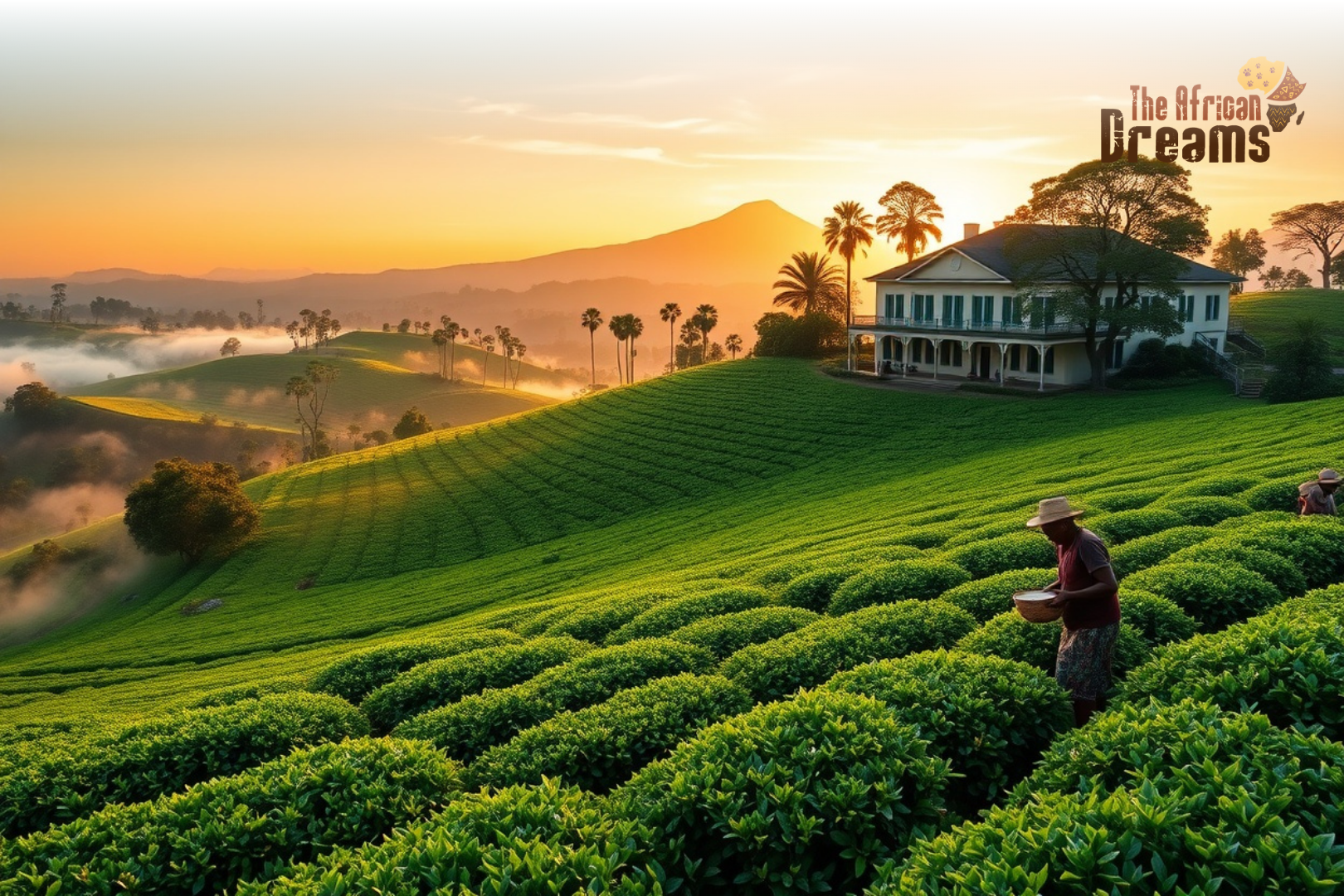
Malawi, known as the “Warm Heart of Africa”, is one of the key tea producers of southeastern Africa. When it comes to African teas, the names of Malawi & Kenya come simultaneously. Both of these countries have created unique identities in the global tea market. Among these, Malawi tea did it through its distinct flavors, traditions & stories.
Malawi is the second largest tea exporter in Africa, contributing significantly to Malawi’s economy, ensuring 9% of its foreign exchange earnings & employing around 50,000 people during the peak harvest season of the country. The Malawi tea sector is a sector with potential for both local and international investors.
In this blog, we will explore the rich heritage of Malawi tea and its diverse offerings. This blog will also cover details of Malawi tea estates, such as Satemwa Tea Estate and Naming’omba Tea Estate Limited. We will explore the tea gardens of Malawi, where each leaf tells you a story of the perfect blend of innovation and craftsmanship.
Article Highlights
History of the Malawi Tea Industry.
Different Flavors of Malawi tea- Zomba Pearls White Tea, and Satemwa Malawi Oolong.
Renowned Tea Estates of Malawi- Satemwa Tea Estate, and Naming’omba Tea Estate Limited.
Things to do Around Satemwa Tea Estate.
Visiting Malawi Tea Estates.
Rich History of the Malawi Tea Industry
Malawi is known as the first African country to cultivate tea commercially. It enriched Malawi tea heritage that spans well over a century.
Origin of Malawi Tea Production: The origin of Malawi tea production is traced back to 1878, when Scottish settlers first introduced tea plants to the country. Malawi’s unique natural environment, comprising high-altitude estates, fertile volcanic soils & a favorable tropical climate, was ideal for tea cultivation.
Collapse of the Tobacco Market: The collapse of the tobacco market in the late 20th century served as a turning point. It encouraged farmers to produce Malawi tea, which transformed its agricultural identity.
Pioneer Malawi Tea Estates: Pioneer tea estates, such as Satemwa Tea Estate, were established in 1923, creating a strong foundation for the development of Malawi tea cultivation.
Situated in Thyolo district, Naming’omba Tea Estates Limited is another prominent manufacturer of block tea.
Today, Malawi ranks second among African nations in terms of tea export volumes, which is a remarkable achievement after the struggles of the decades.
Different Flavors of Malawi tea
Malawi tea industry is popular for producing a variety of tea. Different tea estates come up with diverse teas that are reshaping the consumer purchasing behavior. Each tea estate has a unique processing technique and diverse flavors, making it one of the key players in the global tea market.
1. Zomba Pearls White Tea: Zomba Pearls is a white tea hand-tied into a kind of capsule shape. It is sourced from Satemwa tea estate. The dry leaves vary in color from pale light green to reddish-brown. Several pluckings are tied together carefully to create each capsule. The skilled handcrafting makes Zomba Pearls one of the most popular flavors among other Malawi tea offerings.
2. Satemwa Malawi Oolong: This is a smooth, fruity tea from Satemwa Tea Estate. This is a perfect combination of green tea and black tea. It features a sweet, fruity flavor and lightly tannic aftertaste. This unique flavor comes as a result of innovative and careful processing techniques of the tea estate.
3. Thyolo Moto Smoked Black Tea: Thyolo Moto is a black tea that is popular for its smoky and earthy flavor. Thyolo Moto Tea leaves are carefully smoked with guava wood, which creates a very unique flavor. Thyolo Moto Tea has recently achieved a significant milestone by winning the AVPA Bronze Prize.
4. Chikondi Beads White Tea: Chikondi Beads is a white tea where bone-dry leaves are carefully hand-rolled on a rough surface into little cocoons. Upon repeated friction, the tea leaves take a shape like a butterfly’s wings. This unique crafting technique is an example of the works of the skilled artisans of Satemwa Tea Estate.
5. Lapansi Antlers Stem Tea: Lapansi Antlers is a rare white tea that is made from hand-sorted stems. This offers a floral flavor profile. Satemwa Tea Estate is popular for being the only family-run tea estate to produce stem tea. Their unique production and processing system makes Lapamsi Antlers a tea with a rare specialty.
6. Red Hibiscus Herbal Tea: This Malawi tea is crafted from pure hibiscus blossoms. These blossoms are sourced from the surrounding areas of Satemwa Tea Estate. This tea has a pink-colored infusion, which attracts herbal tea lovers.
Renowned Tea Estates of Malawi
Malawi is known for its finest varieties of tea. They have an enriched history and culture of tea production for more than a century. Malawi tea estates are well known for producing high-quality teas. This industry is contributing significantly to the country’s economy.
Each tea estate of Malawi is a blend of its rich heritage and the modernization of technologies. Let’s talk about one of the renowned estates of Malawi tea, Satemwa Tea Estate.
A. Satemwa Tea Estate
Established in 1923, Satemwa is one of the oldest tea estates in Malawi. This tea estate was founded by Maclean Kay, who first bought a piece of land for a tea plantation. Now his third generation is running the business, and Satemwa is one of the finest tea estates of Malawi.
Satemwa Tea Estate has been growing a variety of tea and exporting it all over the world for more than 100 years. Their teas and coffees are made with care, helping them to maintain the quality for so long. They are contributing to the improvement of living standards by producing supreme quality products. This is a place where you will learn about the art of Malawi tea-making.
Tea Variations of Satemwa
Satemwa comes up with a diverse range of Black, Green, Oolong, White, and Dark teas. Some of the global tea brands like Pickwicks, Lipton Yellow Label, Tetleys, 5 Roses, etc., collect a handsome quantity of their teas from Satemwa. The estate is well known for its handmade range of Malawi teas with an exceptional flavor profile.
Established in 1937, the Satemwa factory is globally known as the producer of the finest Malawi teas. Over time, they have experienced changes in technology. Their passion, knowledge, and care were transferred from generation to generation, which led them to maintain the quality of Malawi tea for more than 100 years.
Take a Coffee Break at Satemwa
Satemwa has also been growing coffee since 1971. Currently, the estate has about 45 hectares of coffee in the ground. All of them are grown at an altitude of 900-1000 meters.
Satemwa produces a variety of coffee styles. All of them are hand-picked and sun-dried for 15-30 days. It helps them to produce sweet and aromatic coffee. Since 2008, Satemwa has planted a large number of trees in its coffee fields. They are producing shade, attracting birds, butterflies, and other fauna. This is positively making a balance in the ecosystem.
B. Naming’omba Tea Estate Limited
Situated in the Thyolo district, Naming’omba Tea Estate Limited, NTEL started growing Malawi tea in 1931. This is one of the oldest manufacturers of black tea in Malawi.
Currently, NTEL produces about 2 million kgs of black tea per year, growing over 1300 hectares of land. NTEL employs about 3000 field workers and about 293 people in the tea factories.
NTEL has produced macadamia since 1968, and its production spans 573 hectares. The processing plant was commissioned in 1978 and was modernized in 2015. Sweet, delicious, and flavorful macadamia nuts are one of the most popular edible nuts, packed with notable health-benefiting nutrients.
Things to do Around Satemwa Tea Estate
Each of the tea estates of Malawi is a complete package of tourism. You will find a variety of arrangements with different activities that will make your journey a memorable one over here.
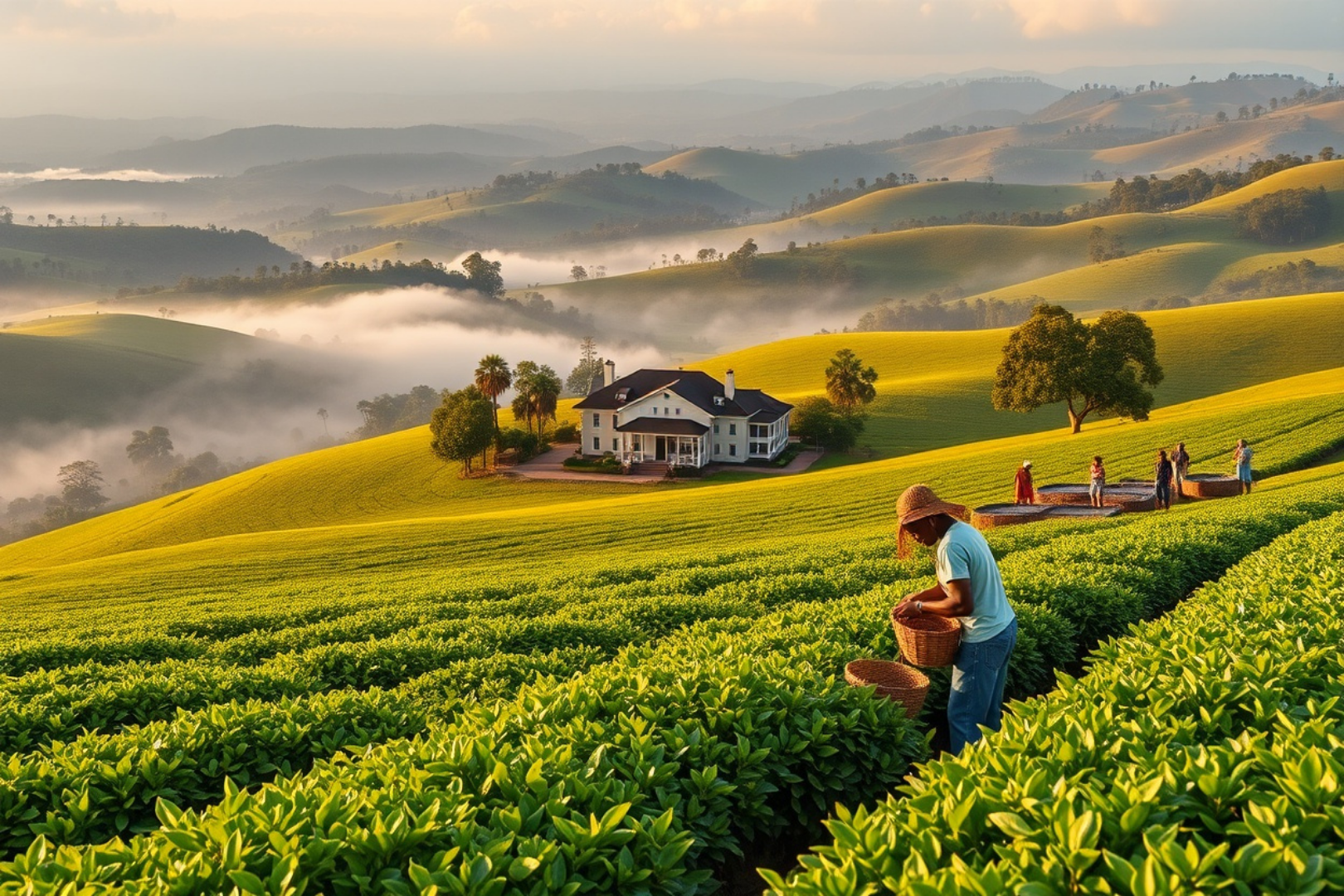
From staying in the heritage house to having a walk through the tea estate, or hiking up the Mulanje mountain, Satemwa Tea Estate will welcome you with a variety of activities.
1. Visit Huntingdon House: Huntingdon House was built by Maclean Kay in 1928. This architectural beauty is situated in the heart of Satemwa Tea Estate.
Huntingdon House has a perfect blend of colonial charm and modern facilities. The house is surrounded by gardens, welcoming visitors to have some wonderful memories to cherish.
This house has 5 unique suites. Each of the suites is decorated keeping in mind the character of this residence. The rooms are named with care, based on their original function in the household: Mother’s Room, Father’s Room, The Nursery, Planters’ Suite, and The Chapel.
This is a once-in-a-lifetime experience to have a cup of Malawi tea with an incredible view over the Shire River and up to Mount Mulanje.
2. Visit Chawani Bungalow: Satema also offers a self-catering option at Chawani Bungalow.
This is a former tea planter’s house with a pool and an amazing garden around the house. This is an ideal place for bigger groups or families.
3. Game Haven Lodge: Game Haven Lodge is situated within the 500-acre Chimwenya Game Park, which is situated near Satemwa.
The lodge is beautifully decorated with 5 luxurious en-suite cottages. The two conference halls in this quiet environment make it the ideal venue for both business and pleasure.
4. Hiking up the Satemwa: Mostly hiking up the tea estate is done by using a bike. There are several routes you can follow that will help you to explore the hidden corners of the tea estate.
You can take the help of the tour guides to have a heart-filling tour experiencing the hilly nature.
5. Hiking up the Mulanje Mountain: You can also take a tour by cycle from Satemwa tea estate to Mulanje mountain, as it is not very far from the Huntingdon house.
There are about six routes that tourists can use for hiking. You can take a guided tour to make this total journey a comfortable one.
6. Cultural visits to the villages: Many locals live around the Satemwa tea estate. Most of them work in either the coffee or tea factories. You will love experiencing their unique culture.
The best way to do this is to interact with them. Most of the locals are very welcoming and tourist-friendly. You can also buy different products from the local shops. You will mostly get locally made ornaments and food over there.
7. Explore the Tea Estate: While visiting the tea estate, you can take a walk through the fields and the factory. This will help you to know in depth about the total tea plantation and processing process.
There will be a tour guide who will take you through the farm and will explain the details of the processes. You may get a chance to purchase the processed tea at a reasonable price. This is not just a tour, this is a walk through the memory lane of one of the oldest Malawi tea estates.
8. Birding in Satemwa: In Satemwa, you will find a few local birds that live within a forest, just adjacent to the tea estate. Some of the local bird species include the Thyolo Alethe, the green-headed Oriole, and the white-winged Apalis.
When you take a tour through the forest, you will find them in their different habitats.
Final Thoughts: Time to Visit Malawi Tea Estates
Malawi tea is known for its unique flavors, traditions, and rich histories. Malawi has many renowned tea estates, such as Satemwa or Naming’omba Tea Estate Limited. These estates uphold the traditions and honor the history of Malawi tea. They create job opportunities, improve the lifestyles of local communities, and earn foreign revenue. They also contribute to the country’s economy and promote tourism.
Whether you are visiting Satemwa or Naming’omba Tea Estate Limited, each place will welcome you with its own vibrant culture that will surely make your journey a memorable one. That’s why, if you are looking for a short break from your busy life or want to have quality time with your family and friends, Malawi is for you. For a calm and peaceful experience, Malawi tea estates are a great choice.
By visiting Malawi tea estates, you will be able to learn about their rich history. You will enjoy the unique taste of tea and can participate in many fun activities, all while taking in breathtaking views. Upon visiting these places, you will understand why they are a perfect blend of Malawi tea history, heritage, and nature.
To know more about Malawi tea industry and its investment opportunities, you can also read Malawi’s Tea Industry: A Quick Look.

0 Comments