

Did you know that Malawi was the first African country to produce tea commercially? Yes, you heard it right!
Malawi, known as the “Warm Heart of Africa”, is one of the key tea producers of southeastern Africa. When it comes to African teas, countries like Malawi and Kenya have created unique identities in the global tea market. Their distinct flavors, traditions, and stories are known worldwide. Today, Malawi is the second-largest tea producer in Africa.
Malawi’s tea industry is rich in potential for both local and international investors. Hence, the government of Malawi has shifted its focus from tobacco cultivation to tea production. In this blog, we will provide an overview of Malawi’s tea industry and its investment opportunities.
Article Highlights
This blog will discuss
Overview of Malawi’s Tea Industry
Major tea-producing areas of Malawi
Reasons to invest in Malawi’s Tea Industry
Role of Malawi’s tea in the Economy
Government Initiatives

Overview of Malawi’s Tea Industry
Malawi is known as the first African country to cultivate tea commercially. This has enriched Malawi’s tea heritage, which spans well over a century. The origin of tea production in Malawi is traced back to 1878, when Scottish settlers first introduced tea plants to the country.
Malawi’s unique natural environment, high-altitude estates, fertile volcanic soils, and tropical climate were ideal for producing tea. The collapse of the tobacco market in the late 20th century served as a turning point. It encouraged farmers to cultivate tea. This transformed Malawi’s agricultural identity.
Pioneer tea estates such as Satemwa Tea Estate were established in 1923. Satemwa created a strong foundation for the development of tea cultivation in Malawi. Now, Malawi ranks second among African nations in terms of tea export volumes. This is a remarkable achievement after the struggles of the decades.
Major Tea Producing Areas of Malawi
The southern regions of Malawi are the main tea-producing areas. Among these, Thyolo and Mulanje districts are the main hubs. The high altitude of Thyolo and the unique cultivation environment of Mulanje create the perfect combination of climate and geography needed to produce world-class tea.
Thyolo District: Satemwa Tea Estate, Naming’omba Tea Estate, and some other prominent tea estates are situated here.
Mulanje District: Mulanje is also home to some renowned tea producers. For example, Mulanje Tea Company and Thylo Tea Estate are situated here.
Unique Flavors Of Malawi Tea
The well-balanced combination of natural and geographical elements makes Malawi a great place to produce tea. High altitudes, abundant rainfall, and fertile soil help produce high-quality tea.
Malawians are known for their rich and diverse flavors, often characterized by a sweet and smooth taste. The diversity of both climate and geography has contributed to the unique flavors of Malawi teas. It makes Malawi a heaven for tea lovers around the world. The striking reddish-copper hue enhances the attractiveness of the Mawai teas.
Why Invest in Malawi’s Tea Industry
Malawi’s tea industry welcomes investors with a range of investment opportunities. The country aims to enhance production efficiency, sustainability, and market competitiveness. Some of the major reasons that will attract investors to Malawi’s tea industry are:
- Expanding Tea-growing Areas: The Tea Association of Malawi (TAML) has unveiled plans to expand tea-growing areas, as land is scarce in traditional tea-growing regions like Thyolo and Mulanje. TAML has proposed a plan for public-private partnerships to develop new tea-growing areas in certain parts of the country. This will lead to a larger production of tea, offering greater opportunities for investors.
- Digital Transformation: Adapting digital payment and financial services is crucial in Malawi’s tea industry. The government of Malawi is focusing on making the digital payment process easier for investors. This will make the investment process efficient.
- Research and Development: Research and development are the backbone of success in Malawi’s tea industry. Malawi was the first African country to introduce the groundbreaking cloning technique. It was announced to address declining tea prices. By developing high-yielding tea clones, the Malawi Tea Research Foundation helps replace aging plants with more productive alternatives.
- Growing global demand: The increasing global demand for tea has made Malawi a hot cake for investors. The global demand for tea as an antioxidant-rich beverage is also growing. Malawi’s tea industry has the potential to increase its profits, particularly in emerging markets, where tea consumption continues to rise.
Established Infrastructure: Malawi’s long history of tea production has developed infrastructure that supports investors. These infrastructures help scale up production and processing according to their investment. Implementing advanced agricultural techniques and modernizing production infrastructure have also contributed. Improved infrastructure has helped farmers grow better-quality tea.
Role of Malawi’s Tea in the Economy
- Foreign Exchange Earnings: Malawi’s tea industry contributes a significant portion of the country’s economy, making it a point of focus for the government. Tea is contributing significantly to Malawi’s economy. It ensures 9% of its foreign exchange earnings.
- Stabilizing Malawi’s Trade Balance: Tea is Malawi’s second-highest export product. As a significant exporter, the country exports approximately 31,000 tons of tea annually. The sector generates around $50-$70 million annually in export revenue. This earning helps to stabilize Malawi’s trade balance.
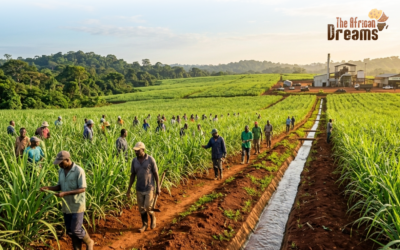
- Employment: The tea industry is one of the largest employment generators in Malawi, employing around 50,000 employees during the peak cultivation season. Employers also include a significant number of women.
- Integrating Smallholder Farmers: Programs like Malawi Tea 2020 aim to integrate more than 10,000 smallholder farmers into the tea supply chain. These smallholder farmers receive training, access to larger markets, and better prices. This helps develop the socio-economic conditions of rural areas.
Mechanization and Value Addition: Malawi’s tea industry is growing, thanks to mechanization and value addition. These changes contribute to industrial development.
Government Initiatives & Growth Opportunities
The government of Malawi has strongly supported the tea industry. They are providing subsidies for inputs like fertilizers, financial incentives for exporters, and so on. The government’s investment in roads and transport systems has increased the accessibility and competitiveness of Malawi’s tea in international markets. Public-private partnerships are also getting strong. This helps investors to bring in more capital and expertise to develop the sector.
Although Malawi’s tea producers have focused more on a specific set of products, they also have the option to explore value-added products. This approach will provide them the opportunity to diversify their offerings and capture higher margins from premium products.
Malawi has agreements with the European Union and the United States of America. It is also a member of the Common Market for Eastern and Southern Africa (COMESA). This membership provides access to a vast regional market. Investors can benefit from these established export channels by reducing the risk of market volatility.
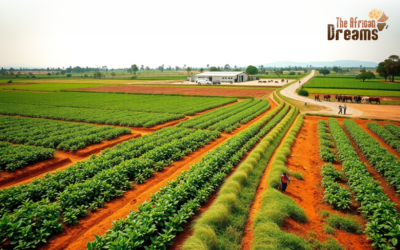
A large portion of tea production in Malawi comes from small-scale tea producers. The majority of them are women. Many estates are in out-grower schemes where the small-scale producers grow tea on contract and sell it to the large producers.
By investing in out-grower programs, investors can scale up their production capacity without managing larger estates directly. This provides investors with the opportunity to have a positive impact on both the social and economic conditions of the community.
Final Words
Malawi’s tea industry contributes significantly to the country’s economy. Whether direct investment in tea estates, value-added production, or sustainable farming initiatives, the industry will offer you a handsome return in every aspect. The country is a land of opportunity, offering a sustainable return on your investment.
With proper strategy and innovations, investors can dive deep into the business opportunities of Malawi’s tea. The tea sector will not only help the business earn profits, but will also offer opportunities to help improve the local economy. So, wait no further and enjoy the growth of the tea business here.

0 Comments