
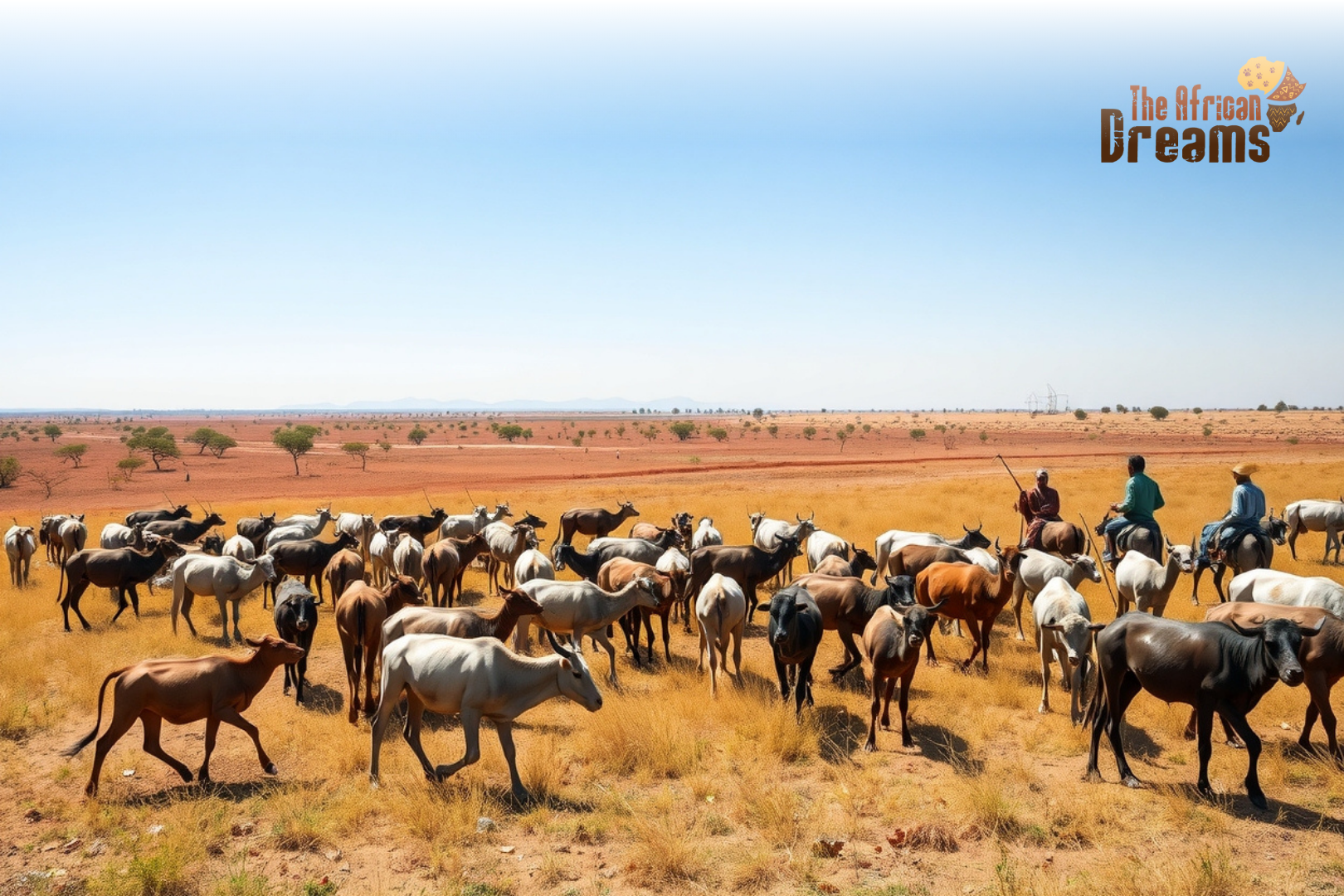
Livestock farming is an integral part of Sudan’s economy, deeply intertwined with the livelihoods of millions. As a significant contributor to GDP and a cornerstone of rural life, the sector plays a pivotal role in shaping the country’s agricultural landscape. This article explores every aspect of livestock farming in Sudan, from its historical roots to its economic impact and future potential.
Introduction to Livestock Farming in Sudan
Historical Context
For centuries, livestock farming has been central to Sudanese culture. Traditional pastoralist practices have been passed down through generations, shaping how communities interact with the land. Livestock has historically served as a measure of wealth and social status, especially in rural areas.
Modern Importance
According to the FAO, livestock contributes over 60% of Sudan’s agricultural GDP and sustains more than 25 million people. It provides critical resources such as meat, milk, and hides while supporting domestic food security. The sector also forms a backbone for trade and export, making it a key driver of the economy.
Overview of Sudan's Livestock Sector
Diverse Livestock Types
Sudan has one of Africa’s largest livestock populations, including:
- Cattle: Over 31 million, mainly in southern regions with better water availability.
- Sheep: Around 40 million, thriving in semi-arid zones.
- Goats: Approximately 33 million, ideal for drier regions due to their resilience.
- Camels: Around 4.5 million, vital for transportation and milk production in deserts.
These animals are not only sources of sustenance but also economic assets, especially for export.
Geographical Distribution
Livestock farming varies by region:
- Southern Sudan: Rich in water resources, ideal for cattle grazing.
- Darfur and Kordofan: Dominated by sheep and goat farming.
- Northern Sudan: Known for camel herding due to its arid climate.
Such geographical diversity enables Sudan to cater to different markets and climates.
Production Systems
Two main systems dominate Sudan’s livestock sector:
- Traditional Pastoralism: Practiced by nomadic communities, relying on seasonal migrations to find grazing land.
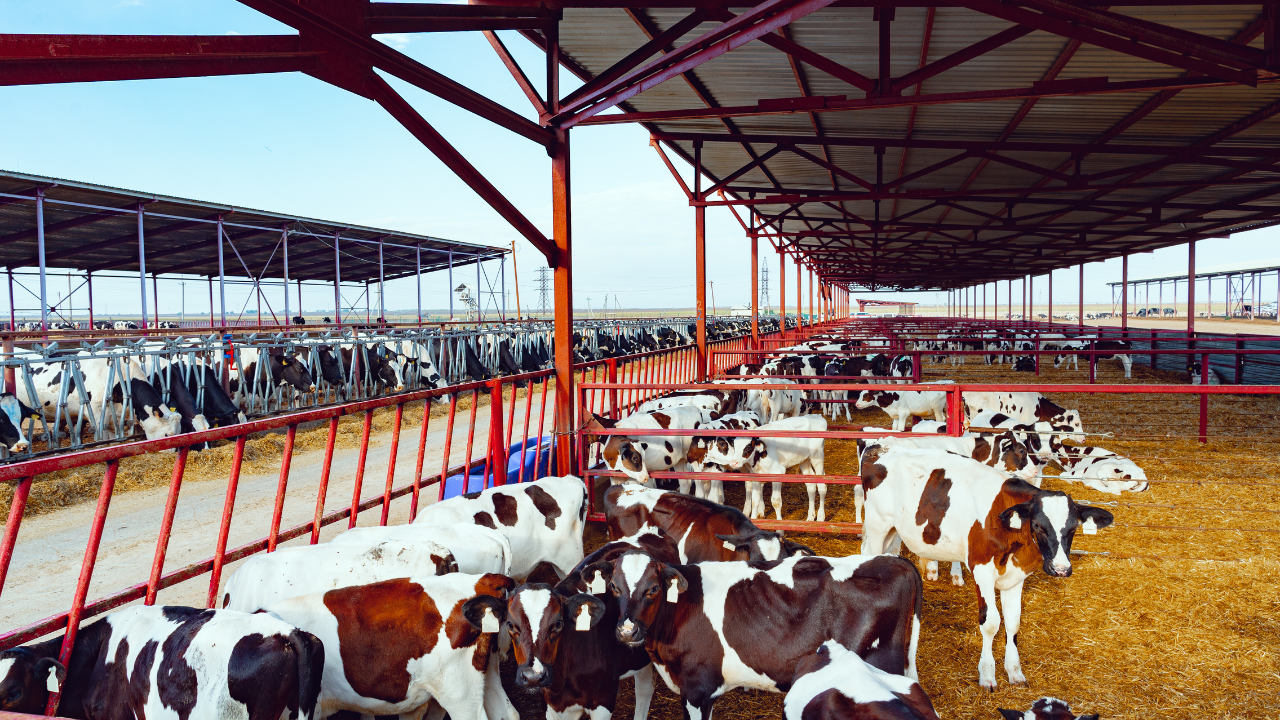
- Commercial Farming: Growing in central Sudan, where modern techniques like artificial insemination and feedlots are being adopted.
Hybrid systems combining traditional and modern approaches are emerging, particularly among semi-nomadic populations.
Economic Impact of Livestock Farming
Contribution to GDP
According to the International Livestock Research Institute (ILRI), livestock accounts for approximately 20% of Sudan’s GDP and generates billions annually through domestic sales and exports. Meat, milk, hides, and wool are key contributors to this figure.
Employment Opportunities
According to the African Development Bank (AfDB), the sector provides direct and indirect employment to over 50% of Sudan’s rural population. It includes roles such as herders, veterinarians, traders, and transporters. Women play a significant role, particularly in dairy production and small-scale farming.
Export Revenues
Livestock exports are a cornerstone of Sudan’s economy:
- Key Destinations: Gulf countries like Saudi Arabia, UAE, and Qatar.
- 2021 Export Earnings: Over $850 million, primarily from sheep and goats.
Saudi Arabia alone absorbs 70% of Sudan’s livestock exports, driven by high demand for halal meat.
Local Markets
Domestically, livestock meets a substantial portion of protein requirements, contributing to food security. Urban markets like Khartoum see a steady demand for fresh meat and dairy products.
Challenges Facing the Livestock Industry
Climate Change Effects
Climate change is a growing threat:
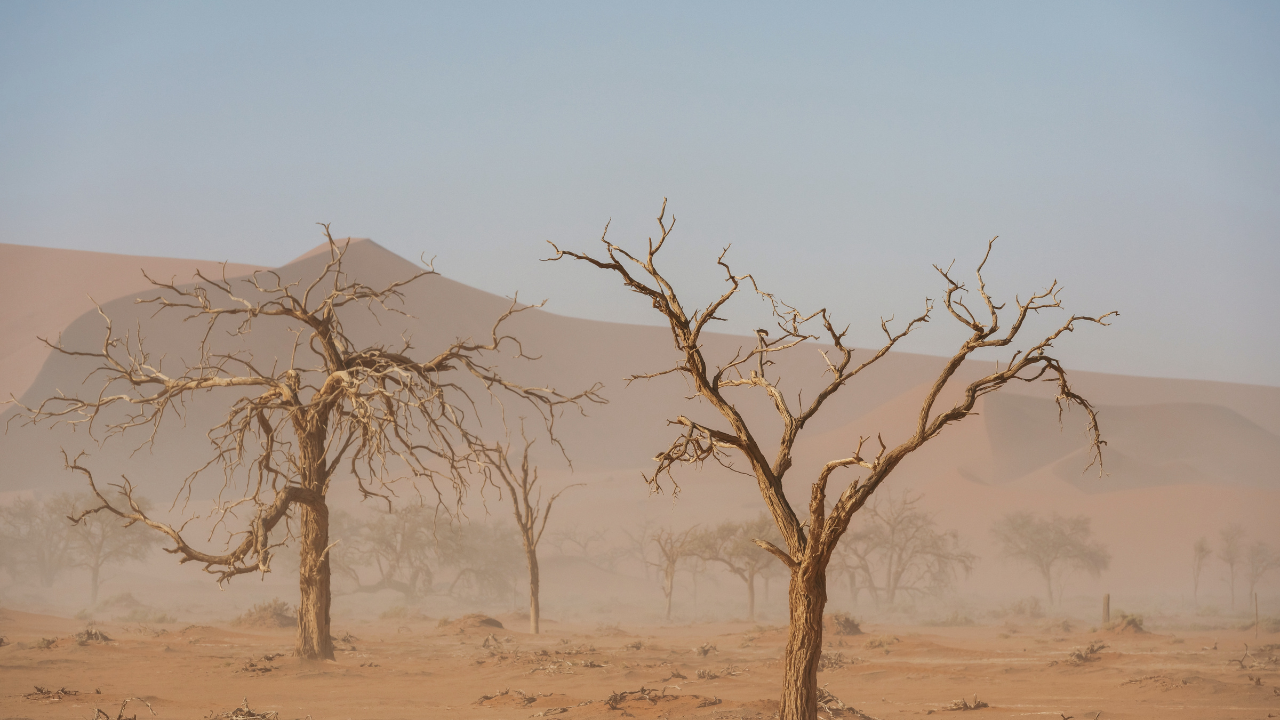
- Desertification: Reduced grazing lands by 20% in the past two decades, as reported by the World Bank.
- Erratic Rainfall: Unpredictable weather patterns disrupt water availability and fodder production.
Such conditions force pastoralists to migrate longer distances, increasing conflicts and disease risks among livestock.
Resource Constraints
Sudan’s livestock farmers face resource challenges:
- Water Scarcity: Limited access to water due to overuse and reduced rainfall.
- Overgrazing: Depleting vegetation, leading to land degradation.
- Health Services: Only 30% of farmers can access veterinary care, affecting animal productivity.
Market Access and Infrastructure
Underdeveloped infrastructure limits growth:
- Poor Roads: Difficulty transporting animals to urban markets.
- Insufficient Storage: Lack of cold storage facilities reduces the shelf life of meat and dairy products.
- Regulatory Hurdles: Bureaucratic challenges hinder international trade.
Addressing these issues is crucial to unlocking the sector’s full potential.
Government Policies and Initiatives
Support Programs
The Sudanese government, with international partners, has launched programs to support livestock farming:
- Livestock Marketing and Resilience Program (LMRP): This program, funded by the World Bank, focuses on improving market access and productivity.
- Vaccination Campaigns: Efforts to control diseases like Foot and Mouth Disease (FMD) and Rift Valley Fever.
Regulatory Framework
Sudan collaborates with regional organizations like IGAD to harmonize trade policies. New regulations aim to streamline export procedures and enhance livestock traceability, ensuring compliance with international standards.
Future Prospects and Opportunities
Potential for Growth
Sudan’s livestock sector has immense growth potential. Investments in:
- Feedlots: Improving animal nutrition and weight for export.
- Value-Added Products: Processed meat and dairy for domestic and international markets.
- Cold Chain Infrastructure: Ensuring product quality for longer distances.
The FAO estimates that better management practices could increase sector GDP contributions by 30% over the next decade.
Sustainability Initiatives
Sustainability is essential to ensure long-term growth:
- Rotational Grazing: Prevents overgrazing and land degradation.
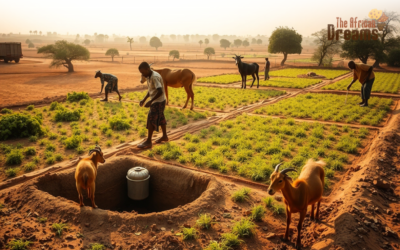
- Water Harvesting: Mitigates water scarcity in arid regions.
- Reforestation: Rehabilitating grazing lands.
Partnerships with organizations like USAID and AfDB offer financial and technical support to promote sustainable practices.
Conclusion
Livestock farming is not just an economic activity in Sudan—it’s a way of life for millions. The sector holds immense growth potential with diverse livestock, significant GDP contributions, and a robust export market. However, challenges like climate change, resource scarcity, and infrastructure gaps must be addressed. By investing in modern practices and sustainable solutions, Sudan can transform its livestock sector into a global powerhouse.

0 Comments