
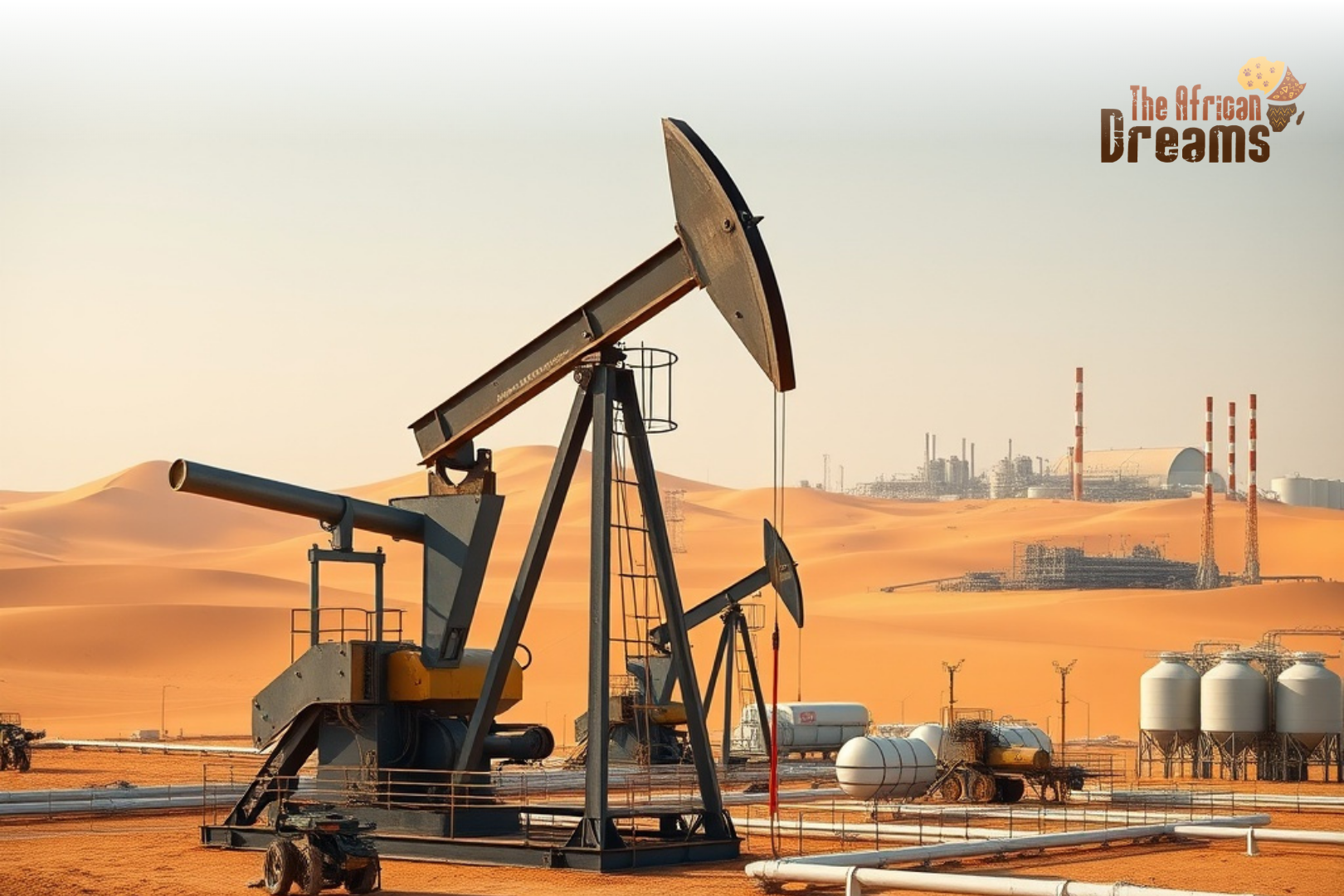
Introduction: Libya's Oil and Gas Industry
Libya has the largest oil reserves in Africa. Libya’s oil and gas industry is one of the most important parts of its economy. Libya mostly depends on petroleum exports. This brings in most of its money. Libya’s oil and gas industry plays a very big role in the international market. Libya supplies oil to Europe. Asia and other regions.
Libya has an astonishing 48 billion barrels of oil reserves. This insane amount of oil reserves makes it the largest in Africa. It even ranks in the top 10 in the entire world. This country even has large natural gas reserves. These are exported through pipelines and LNG terminals. Libya’s oil production is managed by the National Oil Corporation.
Despite rich resources, Libya’s oil and gas industry still faces many challenges. Some challenges include political instability and damage to oil facilities from various conflicts. Oil prices keep changing, which also affects profits. With the right investment and better policies, Libya’s oil and gas industry can play an important role in global markets.
As the world moves toward cleaner energy, Libya is also looking at new options. Investing in natural gas and renewable energy could help strengthen Libya’s oil and gas industry. This would bring stability and future growth to Libya’s economy.
Libya’s Oil and Gas Industry: Oil Reserves and Production Capacity
Libya is known for having some of the richest oil fields in the whole world. Libya has around 48 billion barrels of oil reserves, making it the largest in Africa and one of the top 10 largest in the world. Libya’s oil is very high quality, with low-sulfur crude. This is the reason behind the high demand in the global markets.
Libya produces around 1.3 million barrels of oil every single day. Before the political crisis, Libya used to produce around 1.6 million barrels every single day. Political instability is the main reason behind this downfall.
The biggest oil fields are:
- Sharara Oil Field: This field is one of the largest in all of Libya. This field produces over 300,000 bpd.
- El Feel Oil Field: This field produces around 70,000 to 90,000 bpd.
- Sarir and Messla Oil Fields: These fields are located in eastern Libya and produce over 250,000 bpd combined.
Libya also has large natural gas reserves, estimated at 53 trillion cubic feet. The country exports natural gas to Europe through the Greenstream pipeline, which connects Libya to Italy.
With better infrastructure and stable conditions, Libya can increase production and strengthen its role in the global oil market. Investment in new oil fields and advanced drilling technology can help Libya boost output and attract foreign investors.
Libya’s Oil and Gas Industry: Natural Gas Industry
Apart from a huge amount of oil reserves, Libya also has significant natural gas resources. Libya has around 53 trillion cubic feet of natural gas reserves. This makes it one of the largest in Africa. Natural gas plays an important role in strengthening Libya’s economy.
Libya produces around 15 billion cubic meters of natural gas every year. Most of this gas is used for domestic use and for power plants and industries. The rest is exported, which brings in huge revenue. The National Oil Corporation and other international partners manage the production and distribution of gas.
Some of the major gas fields are:
- Wafa Gas Field: This gas field is located near the Algerian border. This field produces both gas and oil.
- Bahr Essalam Gas Field: This one is one of the largest offshore gas fields. This field produces an astonishing 1 billion cubic feet of gas every single day.
- Faregh Gas Field: This gas field is located in central Libya. The gas produced from this field is supplied to various power plants and industries.
Libya exports natural gas to Europe through the Greenstream pipeline. This pipeline has connected Libya to Italy. This pipeline is responsible for transporting around 8-10 billion cubic meters of gas every year.
Countries are slowly moving toward cleaner energy, and as a result, natural gas is becoming increasingly important. Libya has huge potential to expand gas production and attract investors.
Major Companies and Organizations in Libya’s Oil and Gas Industry
The government controls Libya’s oil and gas industry. But foreign companies also play a very important role. The National Oil Corporation manages all oil and gas production, distribution, and sales in partnership with international companies.
The National Oil Corporation is Libya’s oil company. NOC is owned by the state. This company oversees the oil and gas production and sales. This company works with foreign partners to increase oil production.
Foreign Companies in Libya
Many international oil and gas companies have various operations in Libya. They partner with the NOC to help extract oil and gas. Some of the major companies are:
- Eni (Italy)
- TotalEnergies (France)
- Repsol (Spain)
- ConocoPhillips (USA)
- Wintershall (Germany)
The government of Libya wants to attract more investors. The government offers business partnerships to foreign companies. However, security risks and unstable conditions have made some companies reduce their operations.
If Libya becomes more stable, it could attract new investors to upgrade oil refineries and expand gas projects.
Infrastructure and Oil Export Facilities in Libya
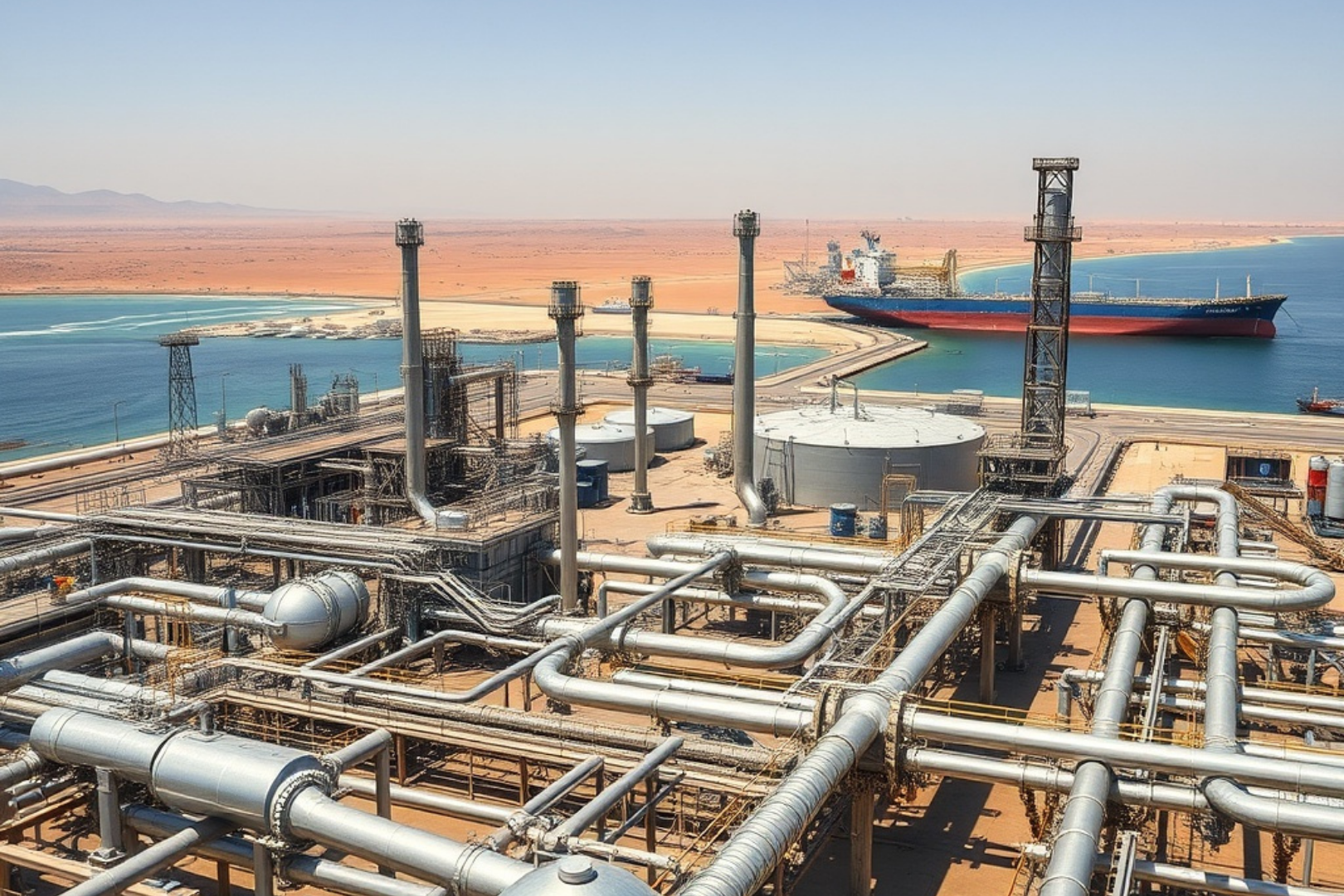
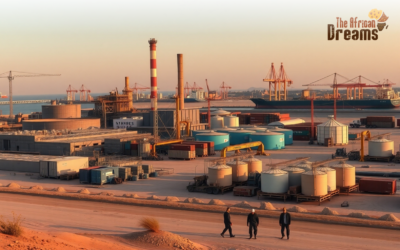
Libya has a very well-developed oil and gas infrastructure. These facilities help transport, process, and export oil and natural gas to global markets. However, some infrastructure has been damaged due to various kinds of conflicts, slowing down production and exports.
Major Oil Pipelines
Some of the most important pipelines include:
- Waha to Es Sider Pipeline
- Sharara to Zawiya Pipeline
- El Feel to Mellitah Pipeline
Major Oil Refineries
Libya has 5 main refineries. Because of some maintenance issues, some of them operate below capacity. These refineries process crude oil into fuels like gasoline, diesel, etc.
- Zawiya Refinery
- Ras Lanuf Refinery faces operational issues.
- Tobruk Refinery
Oil and Gas Export Terminals
Libya exports most of its oil and gas through ports along the Mediterranean coast. The biggest export terminals include:
- Es Sider Port
- Zawiya Port.
- Mellitah Complex
Many oil facilities have suffered from conflicts, lack of maintenance, and occasional blockades. Damage to pipelines and refineries reduces production and export capacity. Libya needs investment in repairs and upgrades to keep up with global oil demand.
Investment Opportunities in Libya’s Oil and Gas Industry
Libya’s oil and gas industry is huge, but it needs more investment to grow. The country has the potential to produce more oil and gas, but old equipment, unstable conditions, and outdated technology slow down progress. If Libya upgrades its oil fields, refineries, and gas projects, it can become a stronger energy producer and attract more global buyers.
Oil production in Libya is currently around 1.2 to 1.3 million barrels per day. However, with better equipment and investment, the country can produce up to 2 million barrels daily. Investors can help fund new drilling sites and improve oil extraction methods. This would increase production and boost Libya’s oil exports.
Many of Libya’s refineries and pipelines need upgrades. Some refineries are working below capacity because they lack maintenance and modern technology. Improving refinery systems can help Libya produce more fuel for local use and export. Better pipelines can also transport oil and gas more efficiently, reducing waste and increasing profits.
Libya has around 53 trillion cubic feet of natural gas, but it uses only a small portion effectively. Most of this gas goes to Italy through the Greenstream pipeline. Building more LNG (Liquefied Natural Gas) terminals could help Libya sell gas to more countries. Investors can develop gas fields, improve processing plants, and expand Libya’s LNG market.
Offshore oil and gas fields in the Mediterranean have great potential. Some international companies are already working on offshore drilling, but more investment is needed. Since offshore drilling requires advanced technology, experienced investors can benefit from this opportunity.
As the world moves toward cleaner energy, Libya’s oil and gas industry can also expand into natural gas and renewable energy projects. Gas-to-power plants can reduce Libya’s dependence on oil for electricity. Solar and wind energy can also help Libya create a more stable energy supply. Investors can support these projects while still making profits from Libya’s oil and gas industry.
Moreover, Libya has some of the largest oil reserves in Africa. Many of its oil and gas fields are still underdeveloped. Europe needs more oil and gas due to energy shortages, making Libya a key supplier. The government is looking for foreign investors to improve production and modernize the energy sector.
With the right investments, the country can expand Libya’s oil and gas industry, improve exports, and attract more foreign partners. Investors who enter the market now will benefit as Libya rebuilds and grows its energy sector.
Success Stories
Eni is an Italian energy company. Eni has been working in Libya for many years. Eni is undoubtedly the biggest foreign investor in Libya’s oil and gas industry. Eni helped develop Libya’s oil and gas industry. This company also co-owns the Greenstream pipeline, which exports billions of cubic meters of gas to Italy every single year. Eni continued their operations even when political instability was present.
Another successful investor is TotalEnergies, a French energy giant. TotalEnergies has invested in Libya’s oil and gas industry, including both oil and natural gas production. The company expanded its offshore and onshore projects and has continued to earn steady profits from its Libyan operations. By focusing on long-term investments, TotalEnergies has secured valuable oil reserves and a stable presence in the region.
Wintershall, a German oil company, also made strong investments in Libya’s oil fields. The company operates in the Sirte Basin, one of Libya’s richest oil-producing regions. Even with some temporary shutdowns due to security concerns, Wintershall has maintained its presence and continues to profit from Libya’s vast resources.
These companies show that even with challenges, Libya’s oil and gas industry remains an extremely profitable market for oil and gas investors. Investors who can take the long-term investment process and adapt to the conditions of Libya can see strong financial returns.
Final Thoughts: Libya's Oil and Gas Industry
Libya’s oil and gas industry is its biggest strength. These industries create jobs, help earn money, and power exports. The country has the largest oil reserves in Africa and huge natural gas supplies. This makes it a very important energy supplier for Europe and other countries. If Libya upgrades its oil fields, refineries, and pipelines, it can produce even more oil and gas. With modern technology and new investments, the energy sector can grow stronger.
Even with political problems and damaged infrastructure, big companies like Eni, TotalEnergies, and Wintershall have succeeded in Libya. Their huge success shows that smart and calculated investments in Libya’s energy sector can bring very big profits. If Libya can create a stable business environment, more companies will invest and help grow Libya’s oil and gas industry.
The future of Libya’s oil and gas industry depends on better technology, good policies, and strong investment. Global demand for energy is still very high. Libya has the resources to meet this huge demand. By improving infrastructure and focusing on long-term growth, Libya can become the biggest energy supplier in the whole world.
FAQs
1. How much oil does Libya produce?
Libya produces around 1.2 to 1.3 million barrels of oil per day. With better investment, it could reach 2 million barrels per day.
2. What is the biggest oil company in Libya?
The National Oil Corporation (NOC) is the main oil company in Libya. It controls oil and gas production and works with foreign companies.
3. Where does Libya export its oil and gas?
Libya exports most of its oil to Europe. It also sends natural gas to Italy through the Greenstream pipeline.
4. Can foreign companies invest in Libya’s oil industry?
Yes, Libya allows foreign investment. Companies like Eni, TotalEnergies, and Wintershall already operate in Libya.
5. What challenges does Libya’s oil sector face?
Libya faces political instability, damaged infrastructure, and security issues. These problems slow down production and investment.

0 Comments